
Can Electric Mosquito Swatters Hurt Humans
2026-03-27
Can Electric Mosquito Swatters Hurt Humans? The Science Behind Safety
As summer approaches, electric mosquito swatters become a staple in households worldwide, praised for their chemical-free, instant mosquito-killing effect. Yet a common question lingers in many people’s minds: With their high-voltage grids, can these handy tools actually hurt humans? Today, we’ll dive into the science behind electric mosquito swatters, separating fact from fiction to understand their safety and potential risks.

How Do Electric Mosquito Swatters Work?
To understand whether electric mosquito swatters are harmful, we first need to unpack their working principle. Unlike traditional insecticides, electric mosquito swatters rely on high-voltage electricity to eliminate pests, and their design is tailored to target small insects while minimizing human risk.
Most electric mosquito swatters use a 3V to 4V rechargeable or dry battery as the power source. Inside the device, a high-frequency oscillation circuit, step-up transformer, and voltage doubler rectifier circuit work together to boost the low battery voltage to a high level—typically between 2000V and 4200V, as specified by industry standards QB/T 4496-2013. This high voltage creates an electrostatic field between the double or triple metal grids of the swatter. When mosquitoes or other small insects enter this field, they act as conductors, short-circuiting the grids and being instantly electrocuted by the current and electric arc.
A key detail here is the difference between voltage and current: while the voltage is high enough to kill insects, the current—measured in milliamps (mA)—is extremely low, usually less than 10mA. This combination is the core of the swatter’s safety design.
Can Electric Mosquito Swatters Actually Hurt Humans?
The short answer is: It depends on the situation, but serious harm is highly unlikely with qualified products. Let’s break down the potential risks and their severity.
First, mild discomfort is possible. If you accidentally touch the grid of a working electric mosquito swatter, you may feel a sharp tingling or numbing sensation—similar to a static electricity shock. This is caused by the high voltage momentarily acting on the surface of your skin, but it fades quickly and leaves no lasting damage. The reason for this mild reaction is the low current: human skin has a certain resistance, and the swatter’s current (usually 1-5mA) is far below the 30mA threshold that can cause serious physiological harm.
However, there are exceptions. For vulnerable groups such as children, the elderly, people with heart conditions, or those with weak physical constitutions, the sudden shock may trigger stronger reactions, such as panic, dizziness, or even mild arrhythmia in rare cases. Additionally, if the swatter is of poor quality—with damaged insulation, aging circuits, or non-compliant voltage/current settings—it may cause more severe electric shocks or even short circuits.
It’s important to note that fatal electric shocks from electric mosquito swatters are extremely rare. Fatal electric shock typically requires a current of at least 100mA passing through the body for a sustained period, which is impossible with the low-current design of qualified swatters.
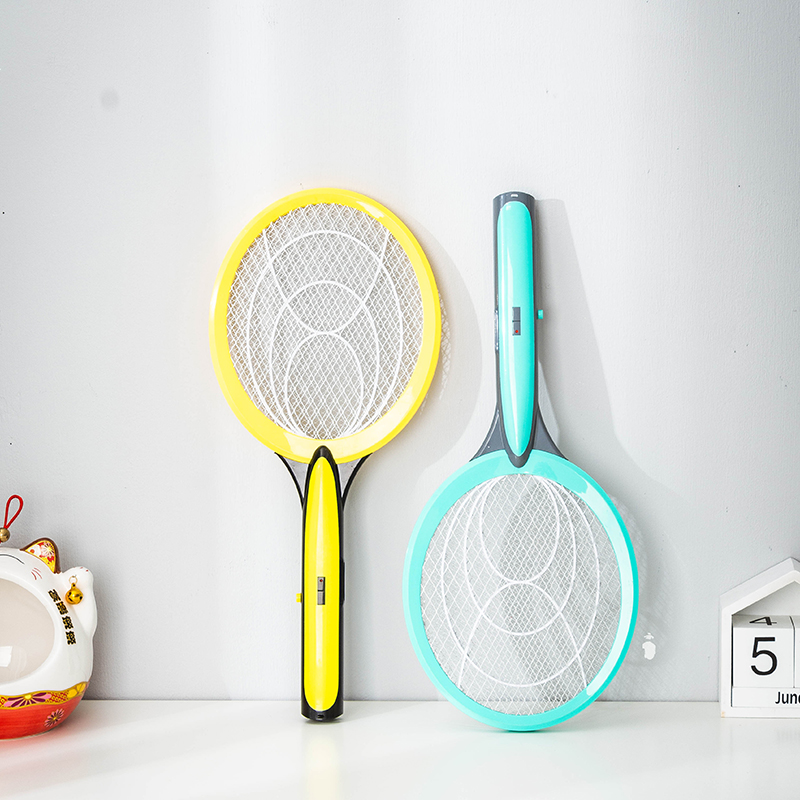
The Science Behind Their Safety
The safety of electric mosquito swatters is not accidental—it’s rooted in deliberate design and scientific principles that prioritize human protection while targeting pests.
1. Low Current, High Voltage Design: As mentioned earlier, the danger of electric shock depends more on current than voltage. Electric mosquito swatters are engineered to produce high voltage (to kill insects) but very low current (to avoid harming humans). The internal circuit limits the current flow, ensuring that even if you touch the grid, the current passing through your body is too small to cause serious damage.
2. Triple Grid Structure: Most qualified electric mosquito swatters use a triple-grid design: two outer grids connected to the negative pole and a middle grid connected to the positive pole. This design prevents accidental contact with the high-voltage middle grid—when you touch only the outer grids, no current circuit is formed, so you won’t feel a shock. Only when an insect (a conductor) bridges the outer and middle grids does a short circuit occur.
3. Compliance with National Standards: Reputable manufacturers follow strict standards such as GB/T 4706.76-2024, which requires that the grid voltage drop to below 34V within 1 second after the power is turned off. This eliminates the risk of residual voltage causing shocks after use.
4. Insulation and Protection: The handle of qualified electric mosquito swatters is made of high-quality engineering plastic with good insulation, preventing current leakage. Additionally, the grids are designed with small gaps—large enough for mosquitoes to pass through but small enough to reduce the chance of human fingers touching the middle grid.
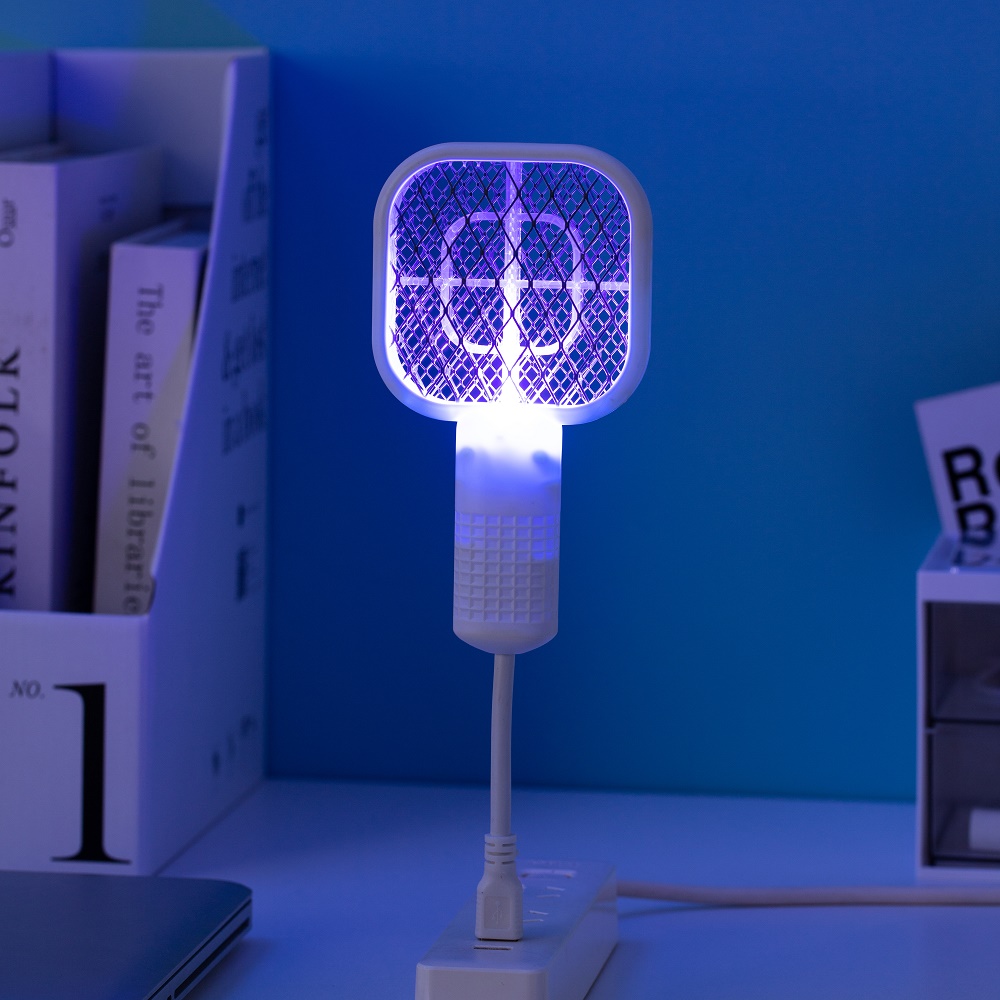
Safe Usage Tips to Avoid Risks
While electric mosquito swatters are generally safe, proper use is key to avoiding unnecessary discomfort or risks. Here are some practical tips:
• Choose qualified products: Avoid "three-no" (no brand, no production date, no manufacturer) products. Check for safety marks such as "Danger - High Voltage" and ensure the packaging includes standard numbers and manufacturer information.
• Keep away from children: Electric mosquito swatters are not toys. Store them out of reach of children and never let them use the device unsupervised.
• Avoid wet conditions: Do not use the swatter with wet hands or in humid environments (such as bathrooms or near water). If the swatter gets wet, dry it thoroughly before use to prevent short circuits.
• Never use with flammable substances: Electric mosquito swatters produce small electric arcs during use. Do not use them near insecticides, floral water (which contains alcohol), or other flammable sprays, as this may cause fires or explosions.
• Maintain and inspect regularly: Clean the grid with a dry brush (do not rinse with water) and check for damage to the grid or insulation. If the swatter malfunctions (e.g., no spark, abnormal heating), stop using it immediately.
Conclusion
Electric mosquito swatters are safe for most humans when used correctly with qualified products. Their high-voltage, low-current design, combined with thoughtful structural features, ensures they can kill mosquitoes effectively without causing serious harm. The occasional tingling from accidental contact is mild and temporary, and fatal risks are almost non-existent with proper use.
By understanding the science behind their safety and following basic usage guidelines, you can enjoy a mosquito-free summer without worrying about the risk of electric shock. Remember: the key to safety lies in choosing reliable products and using them responsibly.
Mosquito Swatters for Baby
Kitchen Mosquito Control
Related Article

If you’re struggling with annoying mosquitoes, flies, and other flying pests indoors and outdoors, upgrading from traditional manual tools to anElectric Mosquito Swatter is the most efficient solution. Many homeowners and renters search where to buy fly swatter online to find durable, safe, and high-performance electric models that deliver instant pest control.
Where to Buy Fly Swatter
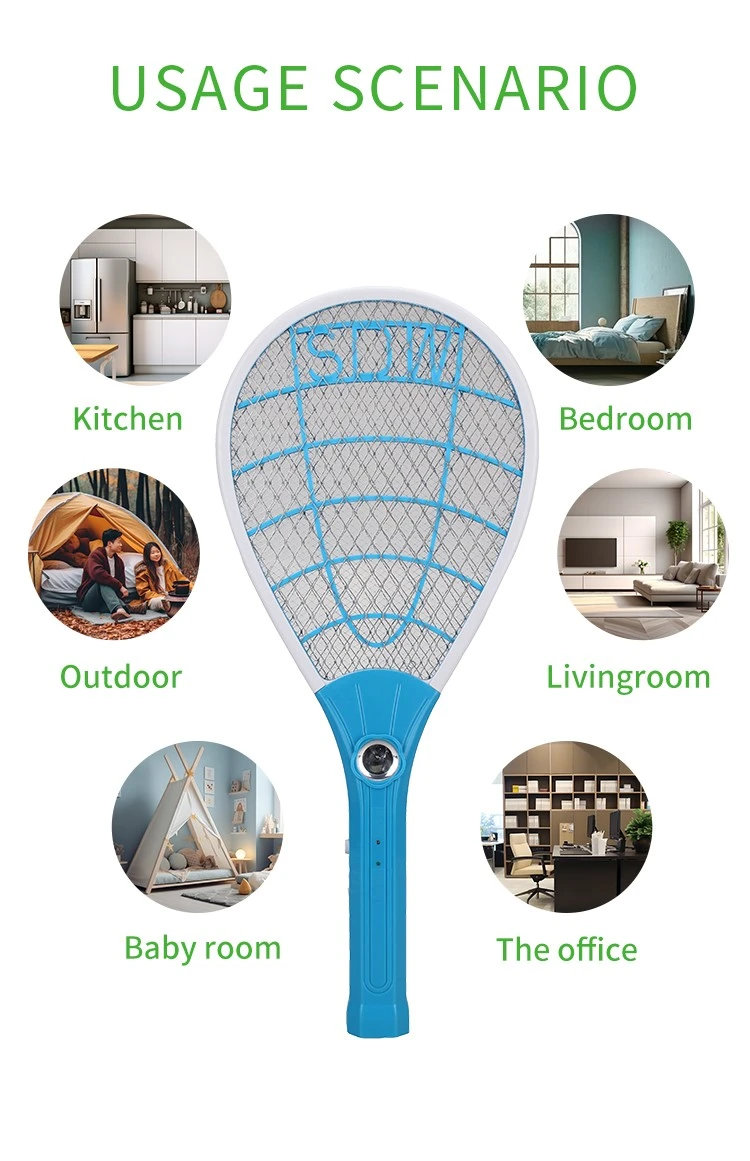
Most importers of electric mosquito swatters obsess over the first order: samples requested, factories vetted, a pre-shipment inspection booked. Then the reorder arrives eight months later and something is off. The grid feels softer. The charge port is a slightly different shade of black. The carton thickness dropped from 350 gsm to 300 gsm. Nothing is catastrophic — but the product no longer matches what your retail customers approved, and quietly, your return rate starts climbing.
How to Keep Mosquito Swatter Quality Consistent Across Repeat Orders
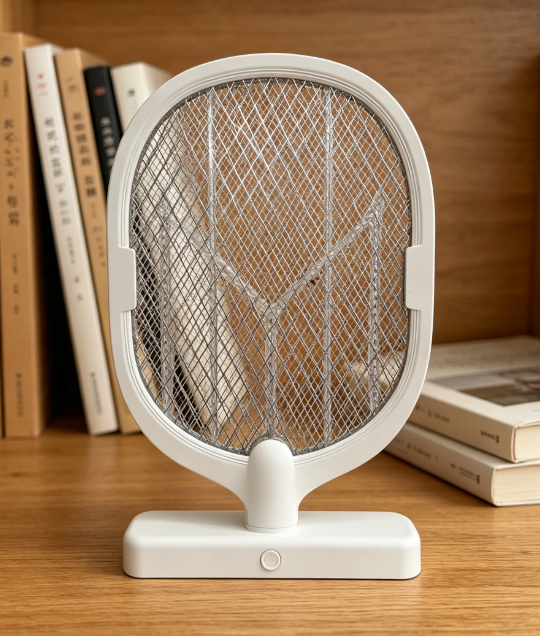
Warranty returns are the silent margin killer in the mosquito control category. A distributor who buys a swatter at $1.80 FOB and retails it at $9.90 can absorb a 1% return rate without noticing — but at 5%, the combined cost of replacement units, reverse logistics, and refund processing erases most of the line's profit.
Common mosquito swatter killer lamp failure modes wholesale spec guide

Digital bathroom scales rank as the second-highest-volume consumer weighing product category, only behind kitchen scales, with distinct market and product characteristics that set them apart from other scale types in importers’ product portfolios.
Digital bathroom body fat-bia-scale wholesale buyers guide