
Can Electric Mosquito Swatters Kill Dust Mites
2025-10-29
Can Electric Mosquito Swatters Kill Dust Mites? Stop Using the Wrong Method!
As summer arrives, electric mosquito swatters become a "mosquito-proof essential" in many households. With a single swing, they can electrocute mosquitoes instantly, making them eco-friendly and effective. However, recently many readers have asked us: "There are so many dust mites at home—can electric mosquito swatters kill them?" Today, we’ll dive into this question to help you understand the relationship between electric mosquito swatters and dust mites.

I. Dust Mites and Mosquitoes Are Not in the Same "Weight Class"
To determine if electric mosquito swatters can kill dust mites, we first need to understand the "size gap" between the two—that’s the key premise. The dust mites we commonly encounter (such as the most prevalent house dust mites) are extremely small: adult mites typically measure only 0.1-0.5 millimeters in length, smaller than a grain of dust. They are invisible to the naked eye and can only be seen under a microscope.
In contrast, electric mosquito swatters are designed to target larger flying insects like mosquitoes and flies (mosquitoes are about 3-6 millimeters long). Their grid design is tailored to these "large targets": the gap between the grid wires is usually 1-3 millimeters. When current passes through, it forms a high-voltage electric field. When a flying insect touches the grid, its body becomes a conductor for the current, leading to instant electrocution.
But what about dust mites? Given their tiny size, they can barely "fly into" the grid on their own. Even if you slide the swatter over bed sheets or sofas, dust mites will likely "slip through" the gaps in the grid without touching the electrodes—it’s like letting an ant pass through the gaps of a basketball hoop, which is extremely easy.
II. The "Lethality" of Electric Mosquito Swatters Is Ineffective Against Dust Mites
Beyond size, the working principle of electric mosquito swatters also means they "can’t kill" dust mites.
2.1 The Original Design of Electric Mosquito Swatters: For Flying Insects, Not Microorganisms
The core of an electric mosquito swatter is "high-voltage electrocution," but its current intensity is designed based on the size of mosquitoes: on one hand, it needs enough voltage to ionize the air and form a circuit when mosquitoes touch the grid; on the other hand, the current (usually in the milliamp range) is not strong enough to harm humans.
2.2 The Physiological Structure of Dust Mites: Naturally "Resistant" to Electrocution
Dust mites have a completely different body structure from mosquitoes: their bodies are covered with a waxy layer, and their tiny size results in an extremely small "conductive area." Even if a dust mite accidentally touches the grid, the weak current cannot cause fatal damage—it will only "stun" the mite briefly, and the mite will still be able to move normally afterward.
2.3 Where Dust Mites Hide: Beyond the Reach of Electric Mosquito Swatters
Most importantly, dust mites hide in bed sheets, quilts, sofa crevices, and carpet fibers—areas the grid of an electric mosquito swatter can never reach. Waving the swatter over furniture surfaces will only hit a few mites that happen to crawl out; for the "army of mites" hiding deep inside, it’s completely "scratching the surface."
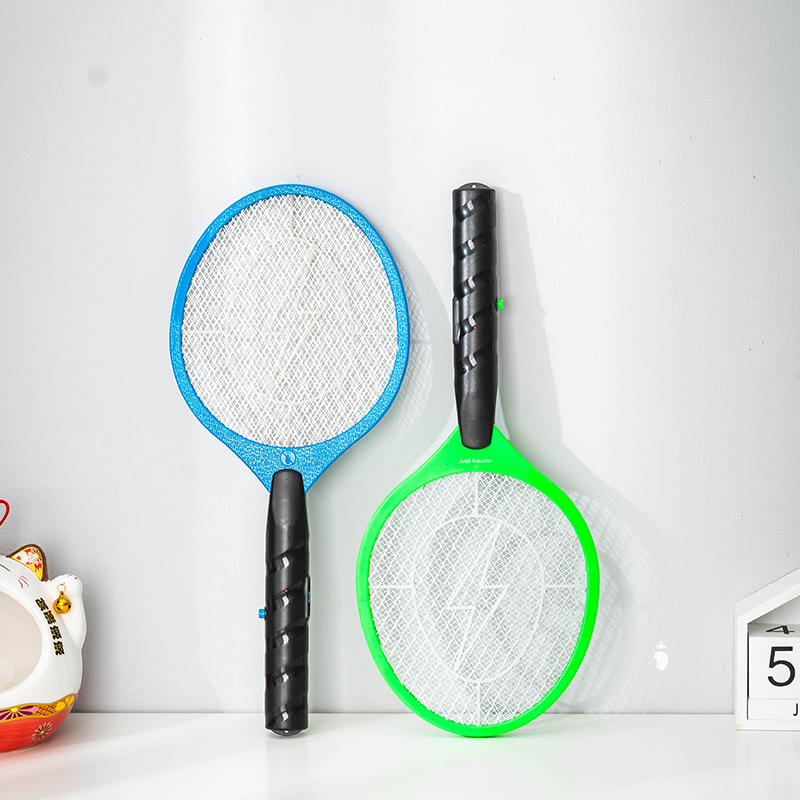
III. Don’t Waste Time! These 3 Dust Mite Removal Methods Actually Work
Since electric mosquito swatters aren’t suitable for dust mite removal, what methods can effectively reduce mites? Here are 3 proven, practical tips that are 10 times more reliable than electric swatters:
3.1 High-Temperature Sun-Drying: The "Natural Enemy" of Dust Mites
Dust mites fear high temperatures—exposure to temperatures above 55°C for 10 minutes can kill most mites and their eggs. Therefore, take off your bed sheets, duvet covers, and pillowcases every week, and sun-dry them for 2-3 hours. After drying, gently beat them with a stick to shake off mite corpses and excrement (the main causes of allergies). On rainy days, you can use the "high-temperature drying" mode of a dryer to achieve the same effect.
3.2 Vacuum Cleaners: Suck Up Hidden Dust Mites
For furniture that’s hard to wash (like sofas, carpets, and mattresses), use a vacuum cleaner with a "HEPA filter" for regular cleaning (1-2 times a week). It can penetrate deep into fabric crevices to suck up mites, mite corpses, and dust. When cleaning, move the vacuum slowly to ensure the suction port fully touches the surface, and don’t miss corners or gaps.
3.3 Reduce Humidity: Make It "Unlivable" for Dust Mites
Dust mites thrive in humid environments (a relative humidity of 60%-80% is ideal for their reproduction), so keeping indoor spaces dry is crucial. During the rainy season or humid weather, turn on a dehumidifier to keep indoor humidity below 50%—this will significantly inhibit mite reproduction. Additionally, open windows frequently for ventilation to prevent moisture from bathrooms and kitchens spreading to bedrooms, which also reduces mite growth.
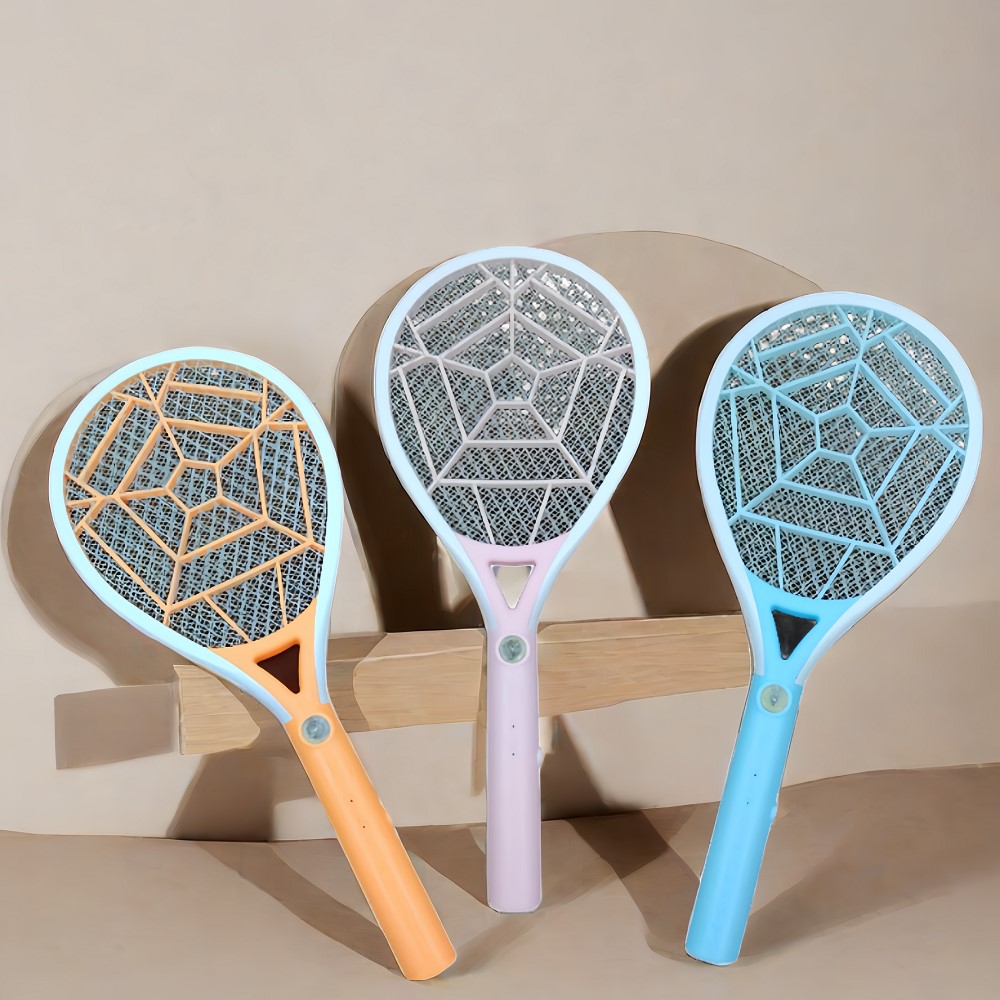
IV. Conclusion: Don’t "Cross the Line" with Electric Mosquito Swatters—Stick to Mosquito Control
To sum up: Electric mosquito swatters cannot kill dust mites! Both the size gap and working principle mean they are "ineffective" against mites. Instead of wasting time waving the swatter over furniture, focus on the three methods above (high-temperature sun-drying, vacuum cleaning, and humidity control)—they not only remove mites effectively but also save you time.
Of course, electric mosquito swatters are still "great helpers" for mosquito control. In summer, using them to deal with mosquitoes and small flying insects avoids the pollution of chemical insecticides and works quickly. Remember to "use tools for their intended purpose"—let each tool play its core role, and your home will be cleaner and more comfortable!
Revealing the Voltage of Electric Mosquito Swatters
A Complete Guide to Mosquito Protection for Business Trips and Travel
Related Article

If you’re struggling with annoying mosquitoes, flies, and other flying pests indoors and outdoors, upgrading from traditional manual tools to anElectric Mosquito Swatter is the most efficient solution. Many homeowners and renters search where to buy fly swatter online to find durable, safe, and high-performance electric models that deliver instant pest control.
Where to Buy Fly Swatter
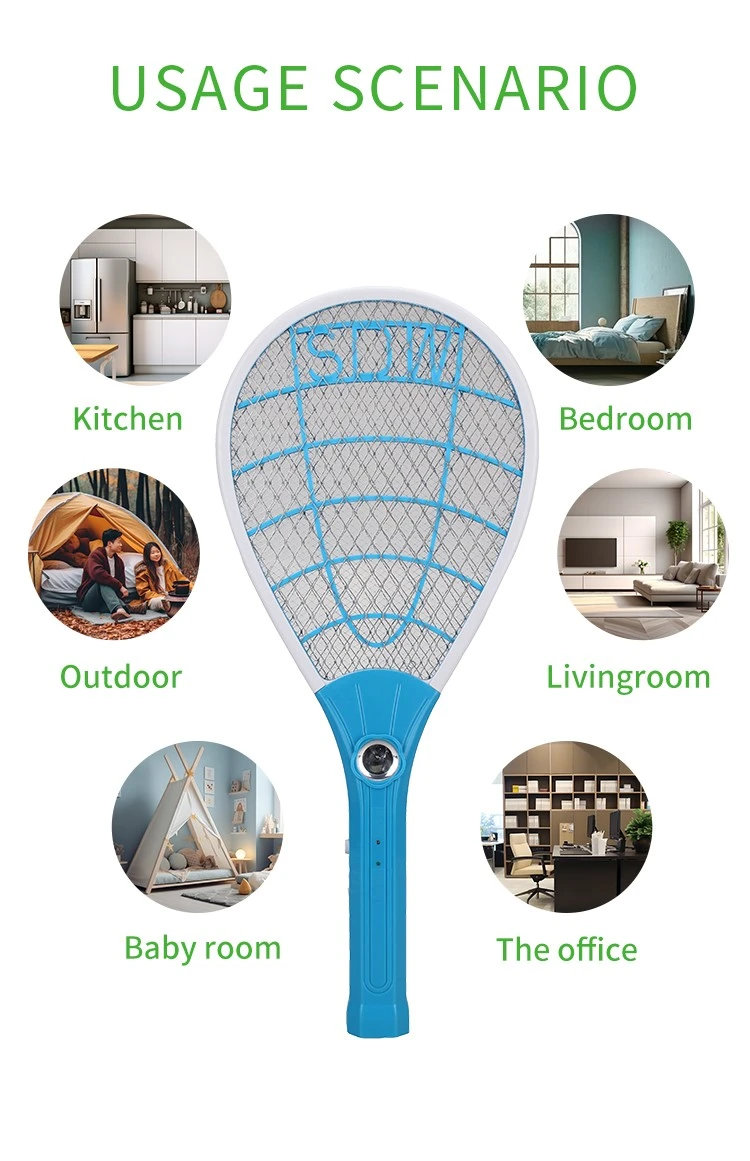
Most importers of electric mosquito swatters obsess over the first order: samples requested, factories vetted, a pre-shipment inspection booked. Then the reorder arrives eight months later and something is off. The grid feels softer. The charge port is a slightly different shade of black. The carton thickness dropped from 350 gsm to 300 gsm. Nothing is catastrophic — but the product no longer matches what your retail customers approved, and quietly, your return rate starts climbing.
How to Keep Mosquito Swatter Quality Consistent Across Repeat Orders
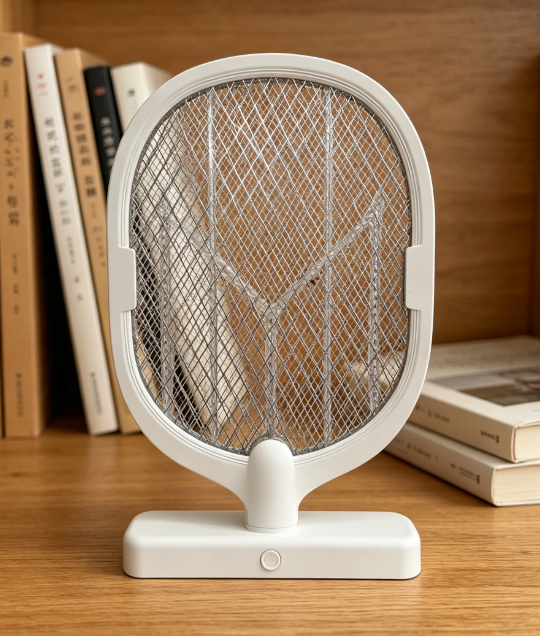
Warranty returns are the silent margin killer in the mosquito control category. A distributor who buys a swatter at $1.80 FOB and retails it at $9.90 can absorb a 1% return rate without noticing — but at 5%, the combined cost of replacement units, reverse logistics, and refund processing erases most of the line's profit.
Common mosquito swatter killer lamp failure modes wholesale spec guide

Digital bathroom scales rank as the second-highest-volume consumer weighing product category, only behind kitchen scales, with distinct market and product characteristics that set them apart from other scale types in importers’ product portfolios.
Digital bathroom body fat-bia-scale wholesale buyers guide