
Can Electric Mosquito Swatters Kill Flies
2025-09-18
Can Electric Mosquito Swatters Kill Flies? Everything You Need to Know
I wonder if you’ve ever had the same thought as me: when you see flies buzzing around your home, you might want to use an electric mosquito swatter to kill them. But this leads to questions: Can electric mosquito swatters kill flies? Will it affect the swatter’s electric shock effect? Will fly corpses stain the swatter’s mesh? Let’s explore these questions in detail.
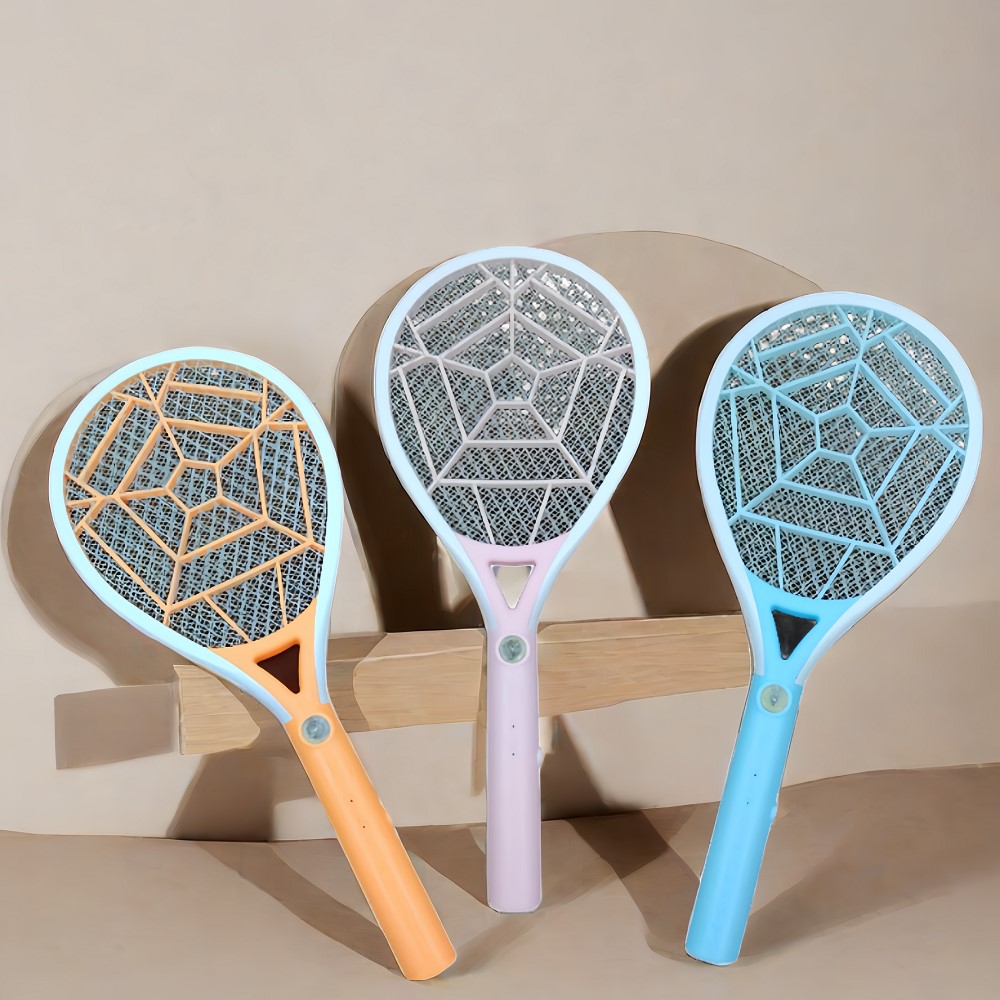
1. What is the Core Working Principle of an Electric Mosquito Swatter?
To determine if an electric mosquito swatter can kill flies, we first need to understand how it “eliminates insects.”
1.1 Generating a “High-Voltage Electric Field” Through a Circuit
Inside an electric mosquito swatter, there is a battery (mostly a rechargeable lithium battery) and a voltage-boosting circuit. When the switch is pressed, the circuit converts low-voltage direct current into high-voltage alternating current (1500-3000V) and creates a high-voltage electric field between the metal mesh layers on the swatter’s surface. This electric field is characterized by “low current and high voltage”—it can instantly kill small insects without causing serious harm to humans (only a slight tingling sensation is felt during normal use).
1.2 Triggering Elimination Through “Manual Aiming”
An electric mosquito swatter requires the user to actively aim at the target: when insects like flies or mosquitoes come into contact with the swatter’s metal mesh, they instantly disrupt the balance of the high-voltage electric field, forming a current loop. The insects are then killed by the electric shock in an instant.
1.3 Attracting Targets Using Insects’ “Phototaxis”
Most insects are sensitive to specific wavelengths of light. Mosquitoes, in particular, are attracted to ultraviolet light (UV-A band) with a wavelength of 365-400nm. This light is similar to the wavelength of moonlight and starlight in nature, making mosquitoes mistake it for a “safe flight direction” and fly toward the light source. Some high-end electric mosquito swatters are also equipped with features like “simulating human body temperature” and “releasing carbon dioxide” to further enhance their attractiveness to mosquitoes—however, these designs are primarily tailored to the physiological characteristics of mosquitoes.
2. The Key Question: Can Electric Mosquito Swatters Effectively Kill Flies?
In theory, the “high-voltage electric shock” of an electric mosquito swatter works on all insects. However, the significant differences in “behavioral traits” between flies and mosquitoes directly affect the “practical effectiveness” of using electric mosquito swatters to kill flies:
2.1 In Terms of “Killing Power”: Electric Mosquito Swatters Can Definitely Kill Flies
Although flies are slightly larger than mosquitoes (adult flies are about 6-7mm long), the high-voltage electric field (over 1500V) of an electric mosquito swatter is sufficient to penetrate their exoskeleton and damage their internal organs. In practical tests, as long as a fly comes into “full contact” with the swatter’s metal mesh, it will almost always be killed by the electric shock within 1 second. Some smaller flies may even be “charred” by the sparks generated by the electric shock. From the perspective of “whether it can kill,” electric mosquito swatters are fully capable of killing flies.
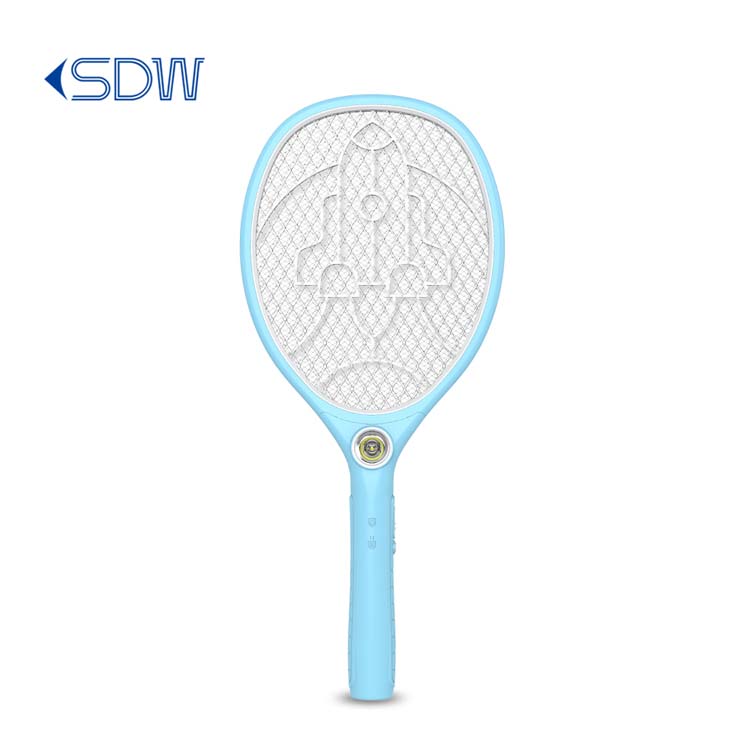
2.2 In Terms of “Operational Difficulty”: Killing Flies Requires More Skill Than Killing Mosquitoes
While electric mosquito swatters can kill flies, it’s not easy to “hit them accurately.” The reason lies in flies’ far superior “escape abilities” compared to mosquitoes:
- Fast Reaction Speed: Flies have compound eyes that can observe multiple directions simultaneously. Their reaction time to “fast-moving objects” (such as a swinging electric mosquito swatter) is only 0.01 seconds, which is 3-5 times faster than that of mosquitoes;
- Flexible Flight Paths: Mosquitoes mostly fly in “straight lines,” while flies often fly in “zigzags or circles” and can change direction instantly, making it difficult to predict their movement paths;
- Hidden Perching Spots: Flies prefer to perch in “low and narrow” areas such as table crevices, wall corners, and trash can edges. The swatter’s surface is difficult to fully fit these spots, easily leading to “glancing shocks” (only minor injuries, not fatal).
2.3 Flies Are Far Less Sensitive to “Ultraviolet Light” Than Mosquitoes
Some electric mosquito swatters with built-in lights use ultraviolet light to attract mosquitoes. However, flies have little interest in ultraviolet light—they are more focused on food sources (such as rotting organic matter, sweet residue), odors (such as sweat, garbage smell), and temperature. Only in extreme environments where “no other attractants exist” might a few flies be “accidentally attracted” by strong ultraviolet light, but this rarely happens in home environments.
3. Practical Guide: How to Use an Electric Mosquito Swatter to Kill Flies Efficiently?
If you want to make an electric mosquito swatter “more effective” at killing flies, you can refer to the following 3 tips to reduce operational difficulty and improve killing efficiency:
3.1 Master the “Correct Swinging Posture” to Reduce Fly Alertness
Flies are extremely sensitive to “fast-swinging objects,” so avoid “swinging too hard or too fast” when using the swatter:
- Preparation: Lift the electric mosquito swatter and keep the swatter surface “parallel” to the surface where the fly is perching (e.g., if the fly is on a table, the swatter surface should face downward horizontally), and keep a distance of about 30-50cm from the fly;
- Swing Rhythm: First approach slowly. When the swatter surface is about 10cm away from the fly, quickly “push forward horizontally” (instead of “swinging up and down”) to reduce the disturbance to the fly caused by air flow;
- Follow-Up Strike Technique: If you miss the first time, do not retract the swatter immediately. Instead, “predict in advance” the fly’s flight path and quickly move the swatter surface horizontally to intercept its flight trajectory.
3.2 Choose the “Right Timing” and Seize the Fly’s “Rest Period”
Flies are not always in a “state of alert.” The following two time periods are the “golden opportunities” for fly elimination:
- When Feeding: When flies are perched on food residues or trash cans to feed, their attention is focused on the food, and their reaction to surrounding movements will slow down. The success rate of swinging the swatter at this time is higher;
- When Resting at Night: Flies have “scototaxis” (tendency to move toward darkness). At night, they will rest in dark places such as wall corners, curtains, and ceilings, and their flying ability weakens. You can approach quietly and strike slowly.
3.3 Cooperate with “Environmental Assistance” to Narrow the Fly’s Activity Range
If there are many flies in your home, you can reduce their activity space through “environmental control” to help the electric mosquito swatter work better:
- Close Doors and Windows: Close the doors and windows of the room before eliminating flies to prevent them from escaping to other areas;
- Reduce Disturbances: Turn off fans and air conditioner vents to avoid air flow affecting the fly’s flight path. At the same time, reduce environmental noise to lower the fly’s alertness;
- Clean Up Food Residues: Clean up food crumbs on the table and floor in advance to make the fly lose its “feeding target.” This will make it easier for the fly to perch in visible positions, facilitating aiming.
4. Precautions: Risks to Avoid When Using an Electric Mosquito Swatter to Kill Flies
Although electric mosquito swatters are easy to use, improper operation during fly elimination may pose safety hazards. Pay special attention to the following 3 points:
4.1 Avoid “Electrocuting Flammable Substances” to Prevent Fires
Electric mosquito swatters generate “sparks” when delivering an electric shock. If a fly is perched in the following positions, remove the surrounding flammable substances first:
- Near the kitchen stove (close to cooking oil or natural gas pipes);
- Above the trash can (there may be flammable garbage such as paper and plastic bags);
- Near power strips, desk lamps, and other electrical appliances (to avoid damaging the appliances or causing short circuits during the electric shock).
4.2 Do Not “Strike Oversized Insects”
Electric mosquito swatters are designed to eliminate “small insects” (such as mosquitoes, flies, and small moths). Using them to strike larger insects like cockroaches or wasps may result in:
- The high-voltage electric field being “broken down,” causing damage to the swatter’s internal circuit;
- Venomous insects like wasps may release venom before dying after being electrocuted, increasing the risk of being stung.
4.3 Perform “Regular Cleaning and Maintenance” to Ensure the Electric Shock Effect
After long-term use, the metal mesh of the electric mosquito swatter may accumulate fly corpses and dust, affecting the strength of the electric field:
- Cleaning Method: Turn off the power, unplug the charging cable, gently brush off the residues on the mesh with a soft brush, or wipe it with a damp paper towel (be careful not to let water enter the internal circuit);
- Battery Check: If you notice a decrease in the electric shock intensity (e.g., smaller sparks, needing multiple contacts to kill a fly), the battery may be low. Charge it in time or replace the battery.
Conclusion: Electric Mosquito Swatters Are “Qualified Fly-Killing Tools,” But “Proper Use Is Key”
To answer the original question—“Can electric mosquito swatters kill flies?” Yes, but skill and patience are needed.
With its high-voltage shock, an electric mosquito swatter effectively kills flies. It’s more eco-friendly and residue-free than smelly flypaper or chemical-containing fly baits, making it great for close-range use in kitchens and bedrooms. Master the “slow approach, quick horizontal push” technique and target flies during their resting periods to make it a summer fly-fighting helper.
Remember: Killing flies isn’t enough—focus on source control too. Clean garbage promptly, seal food, and disinfect regularly to reduce fly breeding and keep your home clean.
The Country with the Highest Sales of Electric Mosquito Swatters
Do the Plastic Parts of Electric Mosquito Swatters Emit Formaldehyde
Related Article

If you’re struggling with annoying mosquitoes, flies, and other flying pests indoors and outdoors, upgrading from traditional manual tools to anElectric Mosquito Swatter is the most efficient solution. Many homeowners and renters search where to buy fly swatter online to find durable, safe, and high-performance electric models that deliver instant pest control.
Where to Buy Fly Swatter
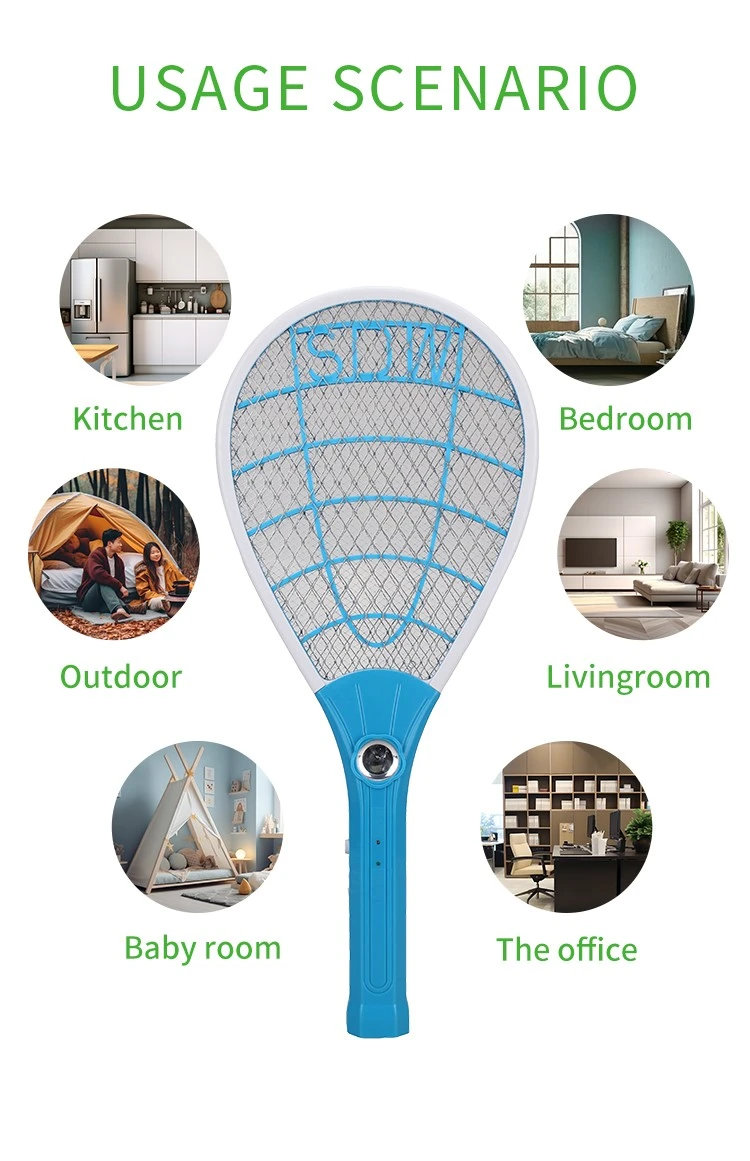
Most importers of electric mosquito swatters obsess over the first order: samples requested, factories vetted, a pre-shipment inspection booked. Then the reorder arrives eight months later and something is off. The grid feels softer. The charge port is a slightly different shade of black. The carton thickness dropped from 350 gsm to 300 gsm. Nothing is catastrophic — but the product no longer matches what your retail customers approved, and quietly, your return rate starts climbing.
How to Keep Mosquito Swatter Quality Consistent Across Repeat Orders
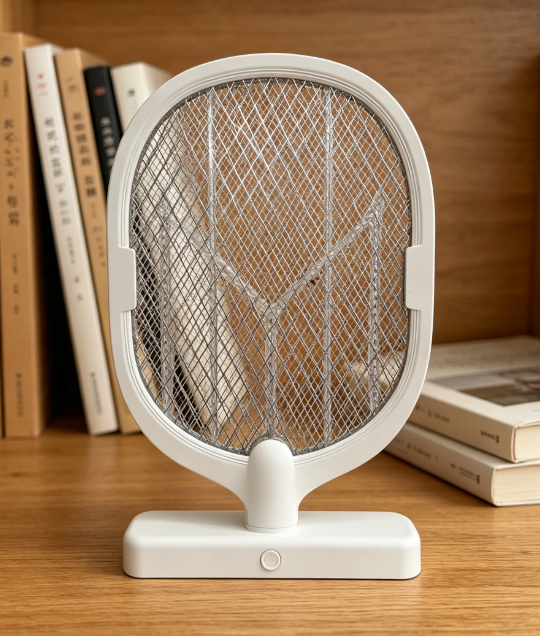
Warranty returns are the silent margin killer in the mosquito control category. A distributor who buys a swatter at $1.80 FOB and retails it at $9.90 can absorb a 1% return rate without noticing — but at 5%, the combined cost of replacement units, reverse logistics, and refund processing erases most of the line's profit.
Common mosquito swatter killer lamp failure modes wholesale spec guide

Digital bathroom scales rank as the second-highest-volume consumer weighing product category, only behind kitchen scales, with distinct market and product characteristics that set them apart from other scale types in importers’ product portfolios.
Digital bathroom body fat-bia-scale wholesale buyers guide