
Can flies survive electric fly swatter
2025-05-23
Can flies survive electric fly swatter
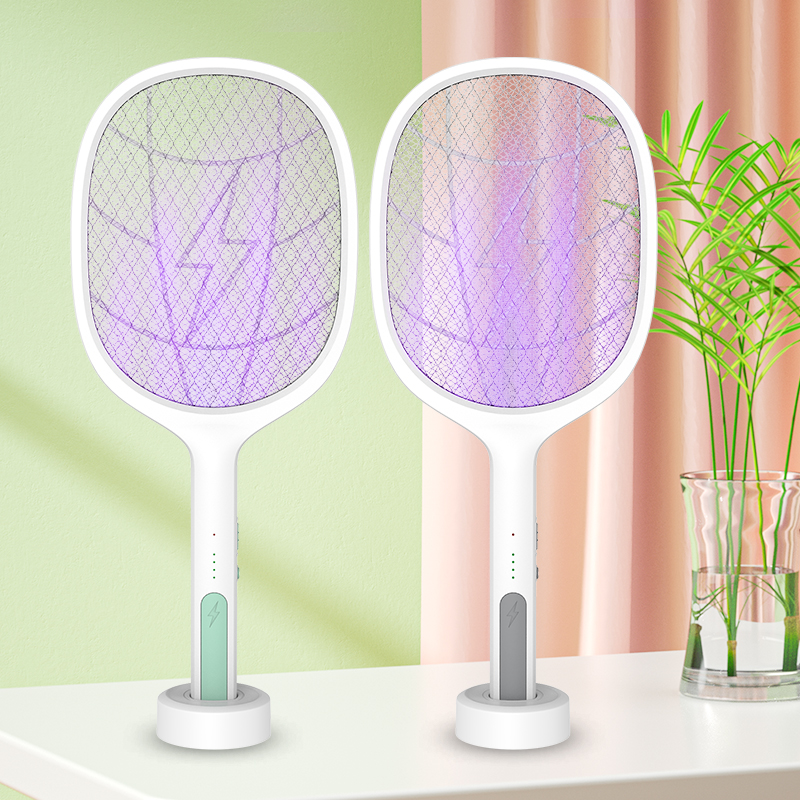
How Electric Fly Swatters Work: The Deadly Mechanism
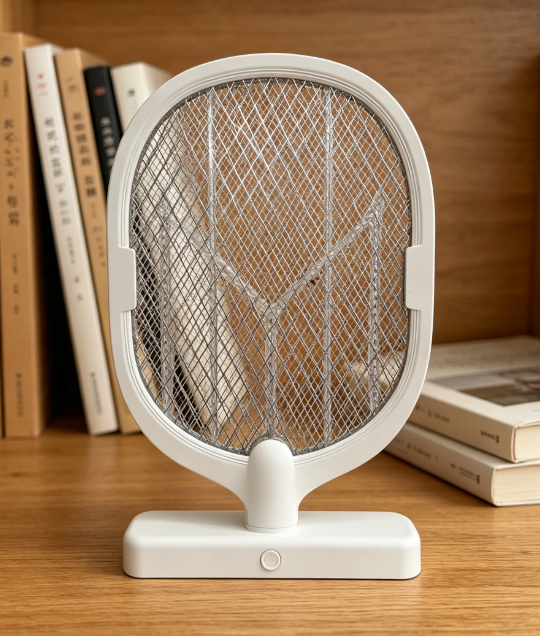
To understand if flies can survive an encounter with an electric fly swatter, we first need to dissect how these devices operate. An electric fly swatter features multiple layers of metal mesh that, when powered on, create a high - voltage electrical grid. When a fly touches the grid, the electrical current disrupts its nervous system. The intense electrical charge is designed to cause immediate paralysis and death by overwhelming the fly's physiological functions, similar to how an electric shock can be fatal to small organisms. In theory, this should be a surefire way to eliminate flies.
Factors That Might Allow Flies to Survive
Individual Fly Characteristic
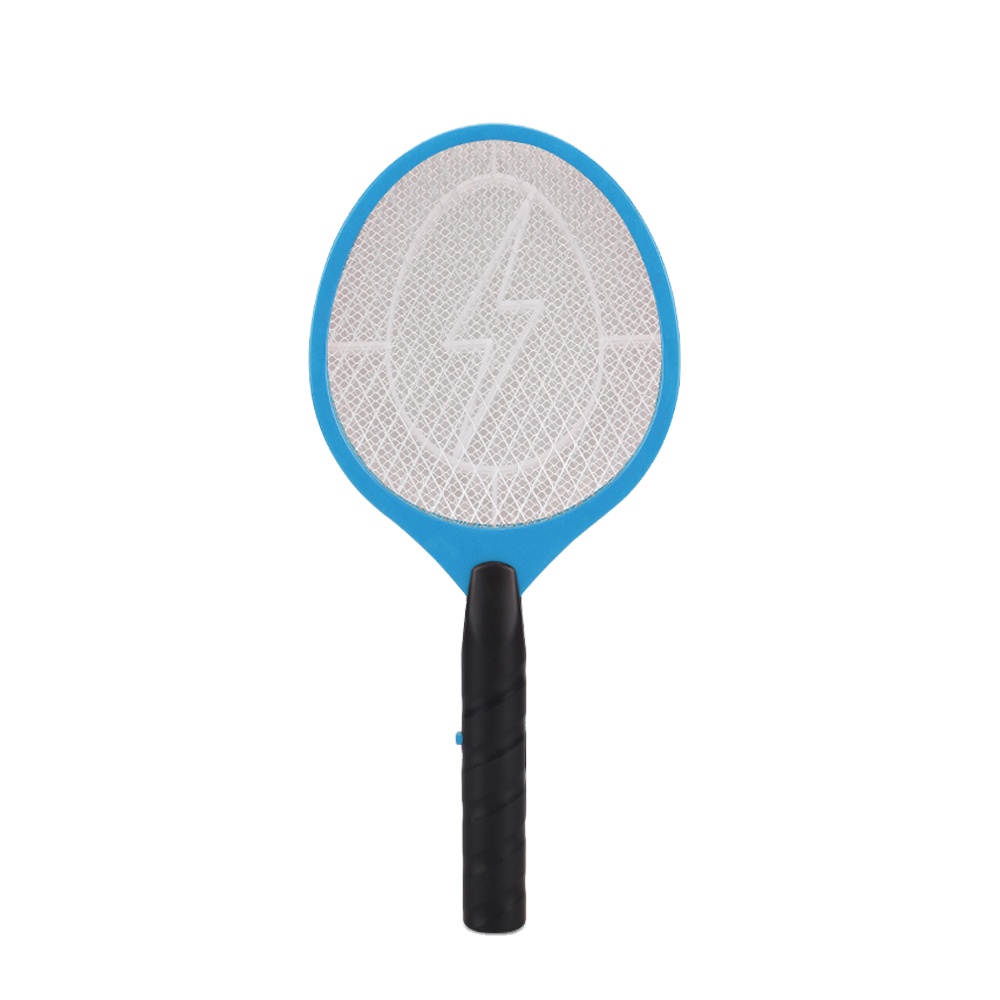
Not all flies are created equal. Some flies might have thicker exoskeletons or more resilient physiological systems. For example, larger flies could potentially withstand a stronger electrical shock compared to smaller ones. Additionally, the health and vitality of a fly can play a role. A healthy, well - nourished fly might have a better chance of surviving a less - than - optimal electric shock from a fly swatter, as it has more resources to resist the damage caused by the electrical charge.
Condition of the Electric Fly Swatter
The state of the electric fly swatter itself can impact a fly's survival. If the batteries of the swatter are running low, the voltage generated by the electrical grid will be reduced. A weaker electrical charge may not be sufficient to kill the fly outright. Instead, it might only stun the fly temporarily, allowing it to regain consciousness and fly away after a short period. Similarly, if the metal mesh of the swatter is dirty or damaged, it can disrupt the electrical conductivity, leading to an ineffective shock that fails to lethally harm the fly.
Environmental and Situational Factors
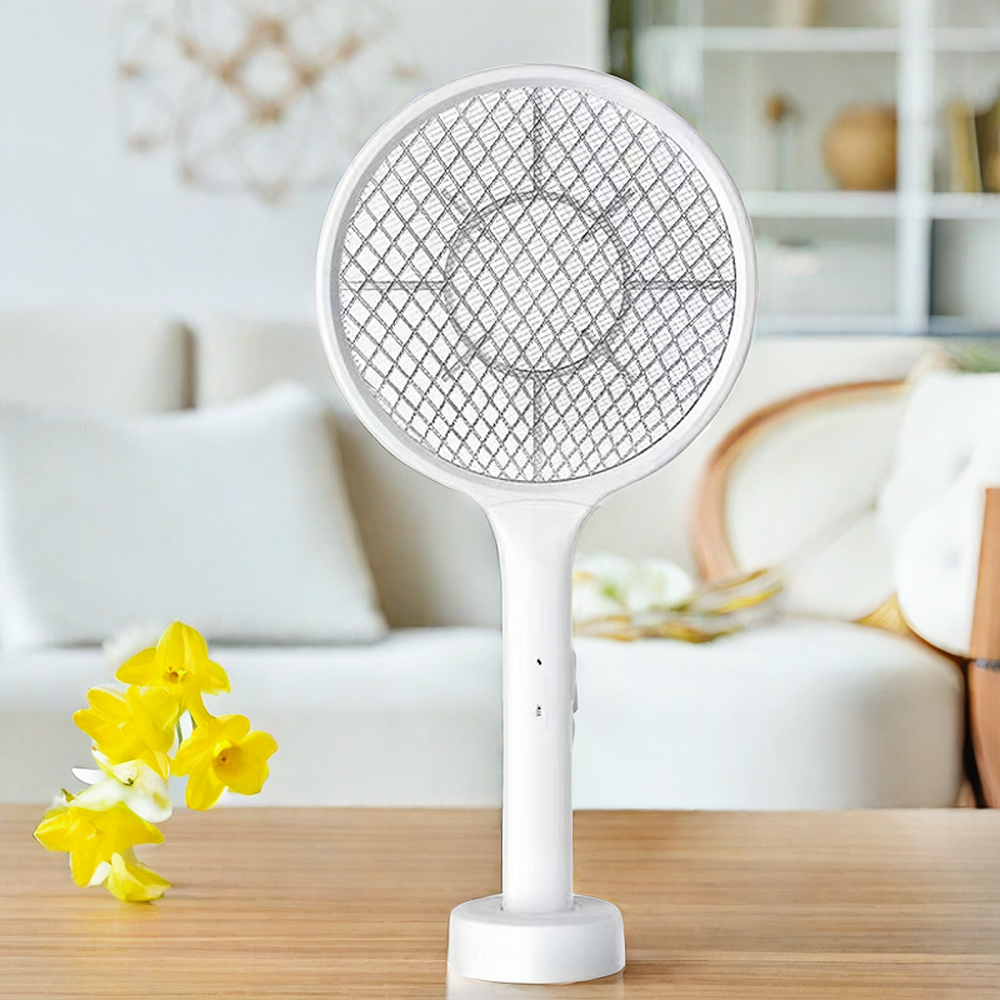
The environment in which the encounter occurs can also influence whether a fly survives. In a humid environment, the moisture in the air might affect the electrical properties of the fly swatter, reducing the strength of the electrical discharge. Moreover, the way the fly makes contact with the swatter matters. If a fly only touches a small part of the mesh briefly, it may receive a less intense shock, increasing its odds of survival. For instance, a glancing blow might not deliver enough electrical energy to kill the fly.
Real - World Observations and Conclusion
In real - world scenarios, while electric fly swatters are generally effective at killing flies, there are occasional reports of flies seemingly surviving the shock. These instances are likely due to a combination of the factors mentioned above. However, such cases are relatively rare. Overall, the design and high - voltage nature of electric fly swatters make it highly unlikely for a fly to survive a direct and proper encounter. To ensure maximum effectiveness and minimize the chances of flies surviving, it’s crucial to keep the swatter in good condition, use fresh batteries, and aim accurately when targeting flies.
Why do flies not react to fly swatters
Do electric fly swatters really work
Related Article

If you’re struggling with annoying mosquitoes, flies, and other flying pests indoors and outdoors, upgrading from traditional manual tools to anElectric Mosquito Swatter is the most efficient solution. Many homeowners and renters search where to buy fly swatter online to find durable, safe, and high-performance electric models that deliver instant pest control.
Where to Buy Fly Swatter
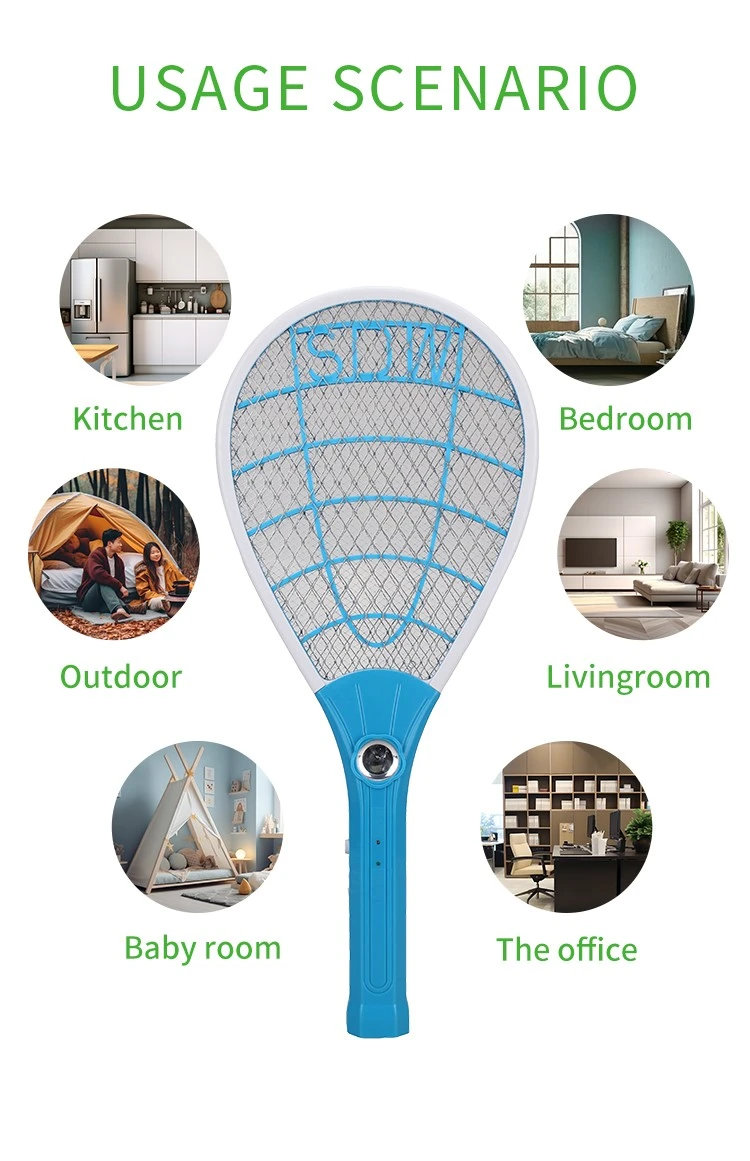
Most importers of electric mosquito swatters obsess over the first order: samples requested, factories vetted, a pre-shipment inspection booked. Then the reorder arrives eight months later and something is off. The grid feels softer. The charge port is a slightly different shade of black. The carton thickness dropped from 350 gsm to 300 gsm. Nothing is catastrophic — but the product no longer matches what your retail customers approved, and quietly, your return rate starts climbing.
How to Keep Mosquito Swatter Quality Consistent Across Repeat Orders
Warranty returns are the silent margin killer in the mosquito control category. A distributor who buys a swatter at $1.80 FOB and retails it at $9.90 can absorb a 1% return rate without noticing — but at 5%, the combined cost of replacement units, reverse logistics, and refund processing erases most of the line's profit.
Common mosquito swatter killer lamp failure modes wholesale spec guide

Digital bathroom scales rank as the second-highest-volume consumer weighing product category, only behind kitchen scales, with distinct market and product characteristics that set them apart from other scale types in importers’ product portfolios.
Digital bathroom body fat-bia-scale wholesale buyers guide