
Can I Use Solar-Powered Bug Zappers for Indoor Use
2026-06-16
Can I Use Solar-Powered Bug Zappers for Indoor Use? A Complete Guide
Solar-powered bug zappers have become a popular eco-friendly pest control tool for backyards, patios, and gardens. Thanks to their cord-free design, zero electricity bills, and chemical-free insect elimination, they stand out from traditional plug-in bug zappers. But many homeowners wonder: can solar-powered bug zappers be used indoors? The answer is not a simple yes or no. While these devices are primarily engineered for outdoor use, they can work indoors under specific conditions. In this guide, we’ll break down the feasibility, pros and cons, key limitations, and best practices for indoor use.
How Do Solar-Powered Bug Zappers Work?
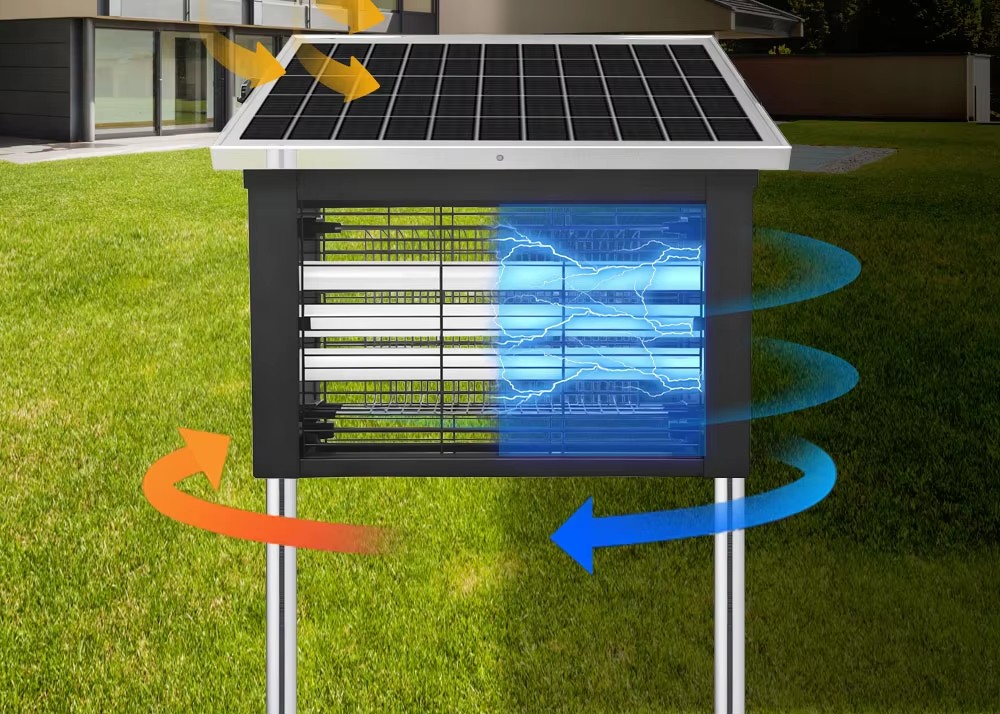
To understand their indoor usability, you first need to grasp the core working mechanism of solar bug zappers. These devices rely on three key components: solar panels, a built-in rechargeable battery, and UV light bulbs paired with an electric grid.
During the daytime, the solar panel absorbs sunlight and converts it into electrical energy, which is stored in the internal battery. At dusk, the device automatically turns on its UV light, which attracts flying insects like mosquitoes, fruit flies, and moths. When bugs touch the high-voltage grid, they are instantly eliminated. Unlike plug-in zappers that need a constant power outlet, solar models operate on stored battery power, which is the key reason they can be temporarily used indoors.
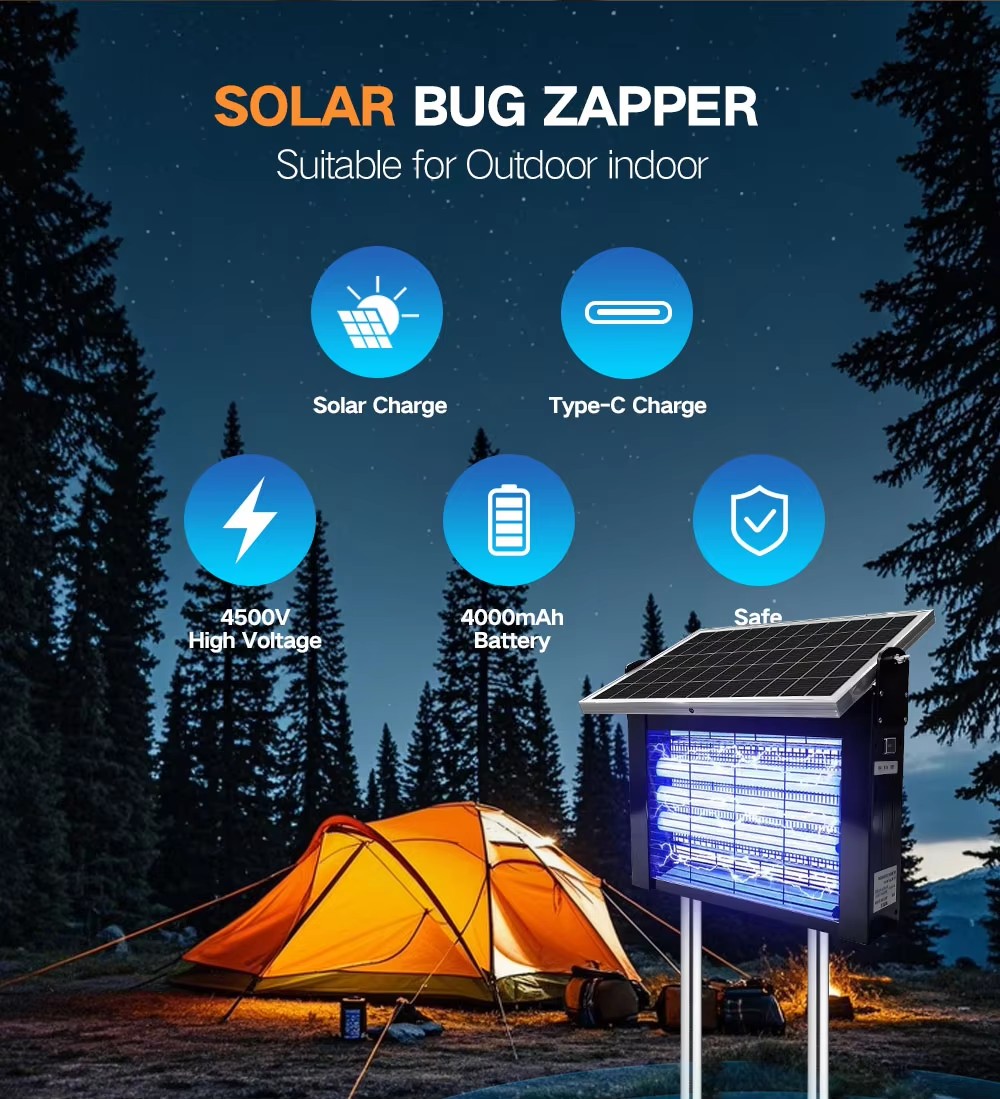
Most modern solar bug zappers also feature dual charging modes, including USB-C charging, which further supports flexible indoor usage scenarios.
Can You Use Solar Bug Zappers Indoors? The Verdict
Technically yes, but conditionally recommended. Solar-powered bug zappers are designed for outdoor environments, but they are not strictly limited to outdoor use. You can use them indoors, yet they come with obvious functional and practical limitations compared to dedicated indoor bug zappers.
The biggest barrier for indoor use is power supply. Indoor spaces rarely get direct, strong sunlight. Without sufficient solar exposure, the device’s battery cannot fully charge, leading to short working hours and weak pest control performance. However, models with backup USB charging solve this problem, making indoor use viable for short-term or occasional needs.
It’s worth noting that they work best in semi-indoor spaces like sunlit balconies, enclosed garages, and sunrooms, rather than dark inner rooms with no natural light at all.
Pros of Using Solar Bug Zappers Indoors
Despite their outdoor-oriented design, solar bug zappers offer unique advantages for indoor use in specific scenarios:
1. Cord-Free and Flexible Placement
Unlike traditional plug-in bug zappers tied to wall outlets, solar models are completely wireless. You can place them in bedrooms, living rooms, kitchens, or garages without messy wires, making them perfect for moving around to target bug-prone indoor areas.
2. Chemical-Free and Family-Safe
Solar bug zappers rely on physical UV attraction and electric shock instead of insecticide sprays, repellents, or toxic foggers. They produce no harmful fumes, making them safe for families, kids, pets, and people with allergies or respiratory sensitivities.
3. Energy-Efficient and Cost-Saving
Once fully charged via sunlight, they operate without grid electricity. For long-term indoor use with sufficient daylight, they help cut down household power consumption, offering a greener and more economical pest control solution.
4. Multi-Scenario Versatility
A solar bug zapper can serve dual purposes: charge outdoors during the day and work indoors at night. This dual-use design eliminates the need to buy separate indoor and outdoor pest control devices.
Cons and Limitations of Indoor Solar Bug Zapper Use
Before relying on a solar bug zapper for daily indoor pest control, you need to understand its critical drawbacks:
1. Poor Charging Efficiency Indoors
Diffused indoor sunlight is far weaker than direct outdoor sunlight. Even near windows, the solar panel can hardly collect enough energy to fully charge the battery. This results in shortened working time—many models can only run for 3–4 hours indoors after weak charging, compared to 8–12 hours of all-night outdoor operation.
2. Lower Indoor Bug Attraction Efficiency
Outdoor environments have abundant flying insects, while indoor bugs are fewer and more scattered. Moreover, indoor artificial lights (lamps, phone screens, ceiling lights) compete with the zapper’s UV light, distracting insects and reducing the device’s trapping efficiency.
3. Potential Safety and Cleanliness Issues
Most solar bug zappers have high-voltage exposed grids designed for open outdoor spaces. Indoors, kids or pets may accidentally touch the grid and get a mild electric shock. In addition, zapped bug debris may fall onto floors, tables, or furniture, creating cleaning hassles in tidy indoor spaces.
4. No Waterproof Advantage Needed Indoors
Solar bug zappers are built with IP55/IP65 waterproof ratings for outdoor rain and humidity resistance. This durable waterproof design is unnecessary indoors, making the device’s functional design redundant for indoor scenarios.
Best Practices for Indoor Solar Bug Zapper Use
If you plan to use your solar bug zapper indoors occasionally, follow these tips to maximize its performance and safety:
1. Charge Outdoors, Use Indoors
The most effective way is to place the zapper outdoors in direct sunlight for 6–8 hours during the day to fully charge the battery, then move it indoors at night for pest control. This ensures maximum working duration and stable performance.
2. Choose Dual-Power Models
Opt for solar bug zappers with USB-C backup charging. On rainy or cloudy days with no sunlight, you can charge it via a power bank or adapter to guarantee normal indoor operation.
3. Place It Properly
Put the zapper 1–2 meters above the ground, away from bright indoor lights. Keep it at least 1.5 meters away from beds, dining tables, and kid/pet activity areas to avoid safety risks and reduce noise disturbance.
4. Clean Regularly
Empty the bug collection tray every 1–2 days to prevent dead insect debris from accumulating, odor buildup, or bacterial growth indoors.
Solar Bug Zapper vs Dedicated Indoor Bug Zapper: Which Is Better?
For long-term, daily indoor pest control, dedicated plug-in indoor bug zappers are still a better choice. They have stable continuous power, lower voltage safety designs, hidden grids, and quieter operation, which are more suitable for enclosed living spaces.
Solar bug zappers, by contrast, are ideal for occasional indoor use, temporary pest control, and mobile scenarios (such as camping, temporary rental rooms, and garages). They are the perfect backup choice when you don’t want to occupy power outlets or need flexible placement.
Final Thoughts
To sum up, solar-powered bug zappers can be used indoors, but they are not optimized for long-term daily indoor use. They shine in flexibility, energy savings, and portability, making them great for temporary indoor pest control, semi-indoor spaces, and mobile use. However, limited solar charging efficiency, reduced bug attraction, and minor safety drawbacks make them less practical than professional indoor zappers for regular home indoor use.
If you already own a solar bug zapper, use the “outdoor charging + indoor night use” method for the best experience. If you need stable, long-term indoor mosquito control, investing in a dedicated plug-in indoor UV bug zapper is more worthwhile.
Do Bug Zappers Use a Lot of Electricity
When Are Bug Zappers Most Effective
Related Article

If you’re struggling with annoying mosquitoes, flies, and other flying pests indoors and outdoors, upgrading from traditional manual tools to anElectric Mosquito Swatter is the most efficient solution. Many homeowners and renters search where to buy fly swatter online to find durable, safe, and high-performance electric models that deliver instant pest control.
Where to Buy Fly Swatter
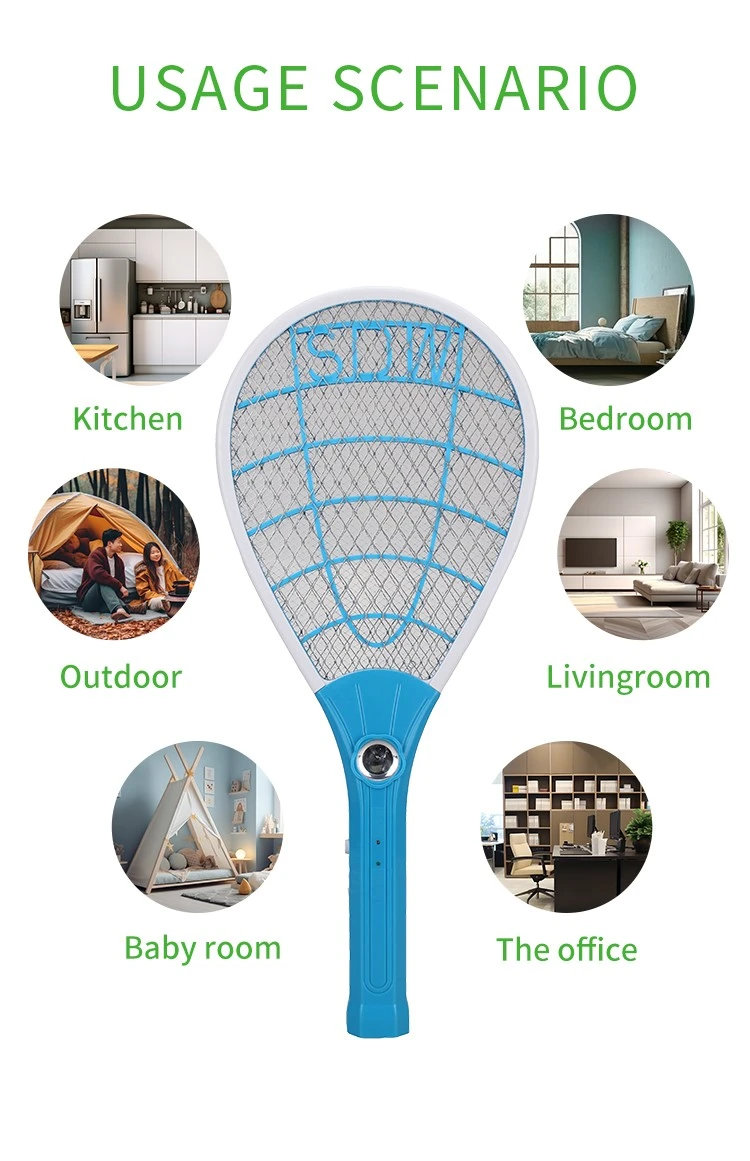
Most importers of electric mosquito swatters obsess over the first order: samples requested, factories vetted, a pre-shipment inspection booked. Then the reorder arrives eight months later and something is off. The grid feels softer. The charge port is a slightly different shade of black. The carton thickness dropped from 350 gsm to 300 gsm. Nothing is catastrophic — but the product no longer matches what your retail customers approved, and quietly, your return rate starts climbing.
How to Keep Mosquito Swatter Quality Consistent Across Repeat Orders
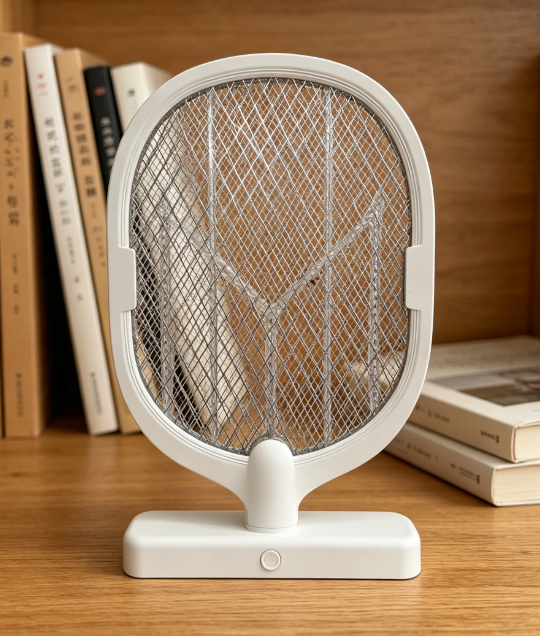
Warranty returns are the silent margin killer in the mosquito control category. A distributor who buys a swatter at $1.80 FOB and retails it at $9.90 can absorb a 1% return rate without noticing — but at 5%, the combined cost of replacement units, reverse logistics, and refund processing erases most of the line's profit.
Common mosquito swatter killer lamp failure modes wholesale spec guide

Digital bathroom scales rank as the second-highest-volume consumer weighing product category, only behind kitchen scales, with distinct market and product characteristics that set them apart from other scale types in importers’ product portfolios.
Digital bathroom body fat-bia-scale wholesale buyers guide