
Can Insecticide Sprays Really Poison You
2025-12-04
Can Insecticide Sprays Really Poison You? Don’t Ignore These Risks and Prevention Tips!
Mosquitoes buzz around in summer, and cockroaches hide in corners in winter—for many households, insecticide sprays have become a "savior." But every time you press the nozzle, do you ever feel a faint worry: Could this stuff poison you? Today, I want to be honest—insecticide sprays can indeed cause poisoning, especially when used incorrectly, the risk increases significantly.

1. Why Can Insecticide Sprays Cause Poisoning?
Whether it’s for mosquitoes, cockroaches, or moths, the core component of insecticide sprays is "insecticide," such as organophosphates and pyrethroids. These ingredients disrupt the nervous systems of pests, killing them quickly, but they also have certain irritating effects (and even toxicity) on the human body.
The key to poisoning is usually not "the spray itself is toxic," but "incorrect contact methods or excessive dosage": For example, spraying too much in a confined room, leading to repeated inhalation of the mist; or eating without washing hands after spraying, allowing the ingredients to enter the body through the mouth; some people even spray directly on their skin, causing the ingredients to penetrate the epidermis.
2. What Are the Symptoms of Insecticide Spray Poisoning? (With a Real-Life Case)
I have a real-life example from my own experience: Last summer, a neighbor aunt sprayed nearly half a bottle of insecticide in her kitchen with the windows closed to get rid of cockroaches. Within 10 minutes, she felt dizzy, nauseous, and couldn’t stop coughing. Later, she went to the hospital, and the doctor diagnosed her with "mild inhalational poisoning." Fortunately, with prompt ventilation and rest, she recovered without serious consequences.
In fact, symptoms vary significantly depending on the severity of poisoning, and many people may mistake mild symptoms for a "cold." You can refer to the following to distinguish:
- Mild poisoning: Dizziness, fatigue, a tight feeling in the throat, occasionally accompanied by nausea and sneezing;
- Moderate poisoning: Vomiting, abdominal pain, palpitations, and even difficulty breathing;
- Severe poisoning: Mostly caused by accidental ingestion (e.g., children mistaking the spray for a drink), which may lead to convulsions and confusion—immediate medical attention is a must.

3. 4 Key Tips for Safe Use of Insecticide Sprays
However, there’s no need to panic. As long as you master the correct methods, you can eliminate pests without risking poisoning. Specifically, you can follow these four tips:
- Choose the Right Product: Check the packaging when buying—prioritize products labeled "low-toxicity" or "very-low-toxicity" (according to national standards, insecticide toxicity is classified into highly toxic, toxic, moderately toxic, low-toxic, and very-low-toxic; the latter two are safer for humans). Never buy unbranded products with no manufacturer, no quality certification, and no safety instructions—sprays with unknown ingredients carry the highest risk.
- Control the Amount Used: Keep the room ventilated while spraying (open windows and turn on fans). After spraying, leave the room first, and only re-enter after the mist has dissipated completely (usually 1-2 hours). Once inside, open the windows again for additional ventilation. For small enclosed spaces (e.g., wardrobes, drawers), close them for 10-15 minutes after spraying—don’t keep them sealed for too long.
- Take Protective Measures: Wear a disposable mask while spraying to avoid direct inhalation of the mist. If spraying a large area (e.g., the living room or kitchen), it’s better to wear gloves. Wash your hands immediately after spraying, and don’t rub your eyes or touch your mouth.
- Store Properly: Always keep the spray out of reach of children—preferably locked in a cabinet. Do not store it with food or condiments, and avoid placing it on the balcony where it’s exposed to direct sunlight (high temperatures may cause the spray to deteriorate and become more toxic).
Finally, I want to say: Insecticide sprays are a "tool," not a "hazardous substance." As long as you understand its properties and use it correctly, you can feel at ease. Don’t overuse it just to "wipe out pests completely"—after all, our goal is to "kill pests," not "harm ourselves"!
Does a Mosquito Killer Lamp Emit Radiation
These Household Insect Control Devices Are Super Useful Too
Related Article

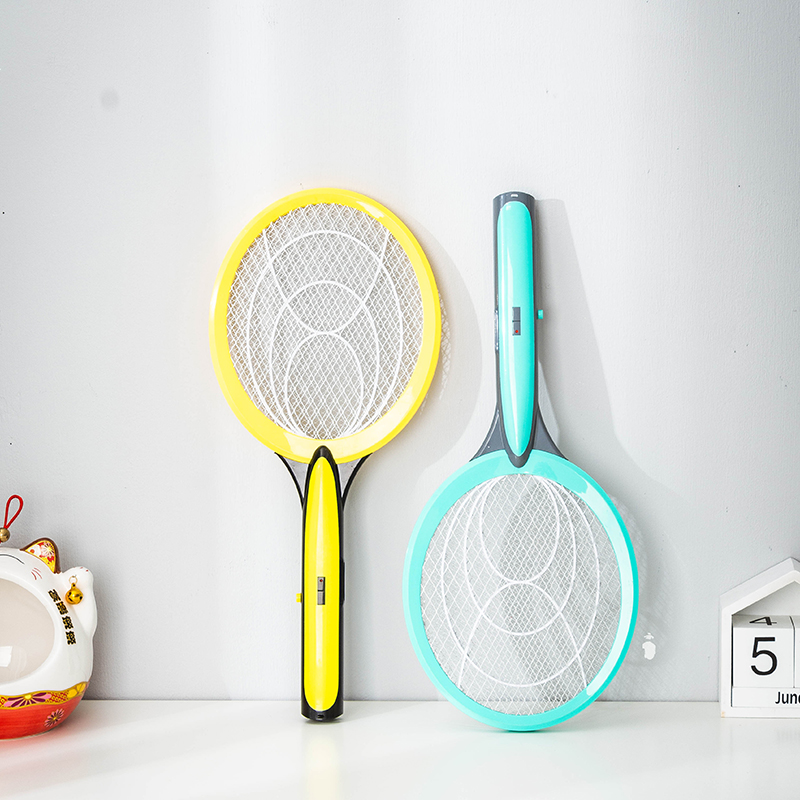
If you’re struggling with annoying mosquitoes, flies, and other flying pests indoors and outdoors, upgrading from traditional manual tools to anElectric Mosquito Swatter is the most efficient solution. Many homeowners and renters search where to buy fly swatter online to find durable, safe, and high-performance electric models that deliver instant pest control.
Where to Buy Fly Swatter

Most importers of electric mosquito swatters obsess over the first order: samples requested, factories vetted, a pre-shipment inspection booked. Then the reorder arrives eight months later and something is off. The grid feels softer. The charge port is a slightly different shade of black. The carton thickness dropped from 350 gsm to 300 gsm. Nothing is catastrophic — but the product no longer matches what your retail customers approved, and quietly, your return rate starts climbing.
How to Keep Mosquito Swatter Quality Consistent Across Repeat Orders
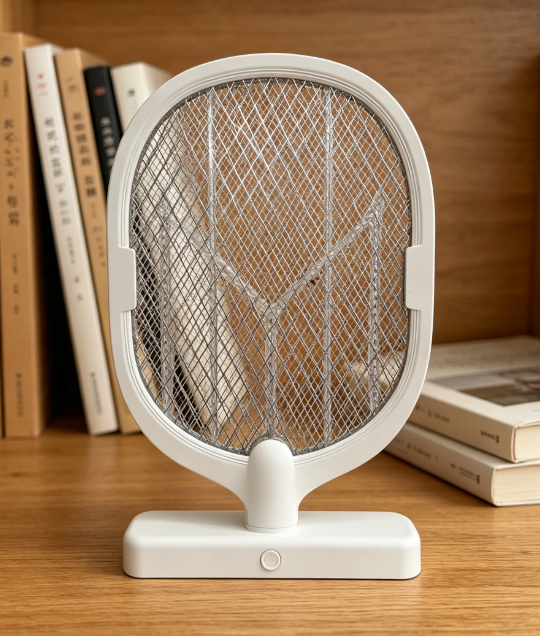
Warranty returns are the silent margin killer in the mosquito control category. A distributor who buys a swatter at $1.80 FOB and retails it at $9.90 can absorb a 1% return rate without noticing — but at 5%, the combined cost of replacement units, reverse logistics, and refund processing erases most of the line's profit.
Common mosquito swatter killer lamp failure modes wholesale spec guide

Digital bathroom scales rank as the second-highest-volume consumer weighing product category, only behind kitchen scales, with distinct market and product characteristics that set them apart from other scale types in importers’ product portfolios.
Digital bathroom body fat-bia-scale wholesale buyers guide