
Can Mosquito Bites Transmit AIDS
2026-06-01
Can Mosquito Bites Transmit AIDS? Authoritative Science Debunks a Long-Standing Misconception
With frequent mosquito activity in summer, the public commonly questions whether mosquito bites can transmit Human Immunodeficiency Virus (HIV). Specifically, concerns arise when a mosquito bites an HIV-positive individual and subsequently bites a healthy person. This doubt is particularly prevalent in regions with dense mosquito populations and high AIDS prevalence. Based on authoritative medical and epidemiological research, this article systematically addresses this public health concern and corrects widespread cognitive misconceptions.
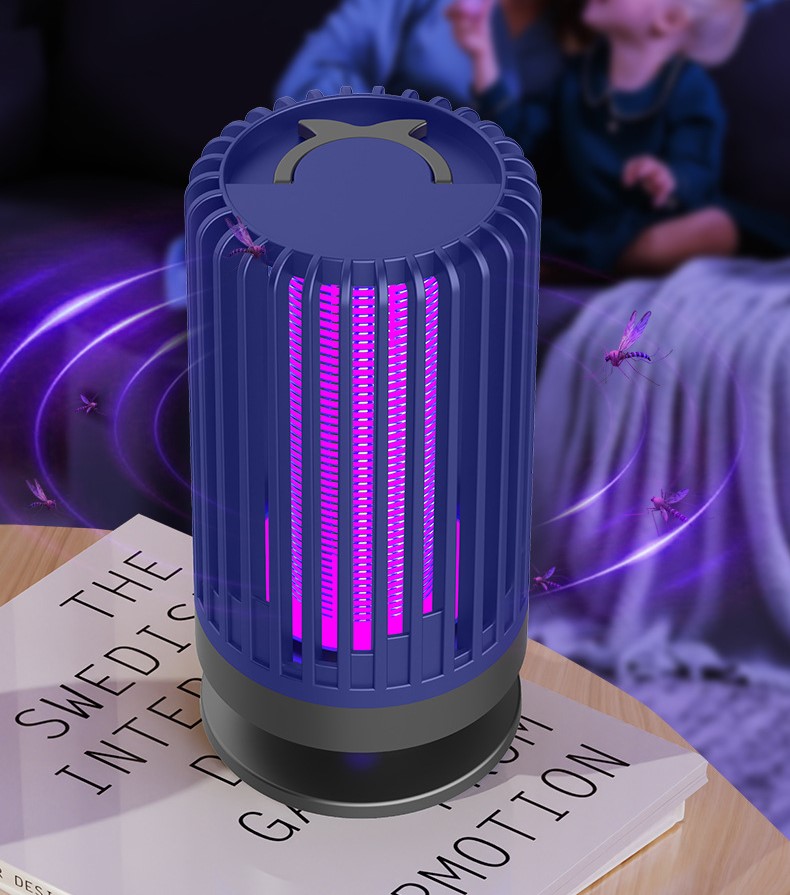
1. Core Conclusion: Mosquitoes Cannot Transmit HIV/AIDS
According to long-term surveillance data and clinical research from the World Health Organization (WHO) and the Chinese Center for Disease Control and Prevention (CDC), mosquito bites and mosquito-related contact cannot transmit HIV. Since AIDS was incorporated into the global public health surveillance system, decades of worldwide epidemiological investigations have recorded zero confirmed cases of HIV transmission via mosquito bites. No such transmission incidents have been documented, even in regions with high HIV prevalence and intensive mosquito breeding, validating the reliability of this scientific conclusion.
Mosquitoes are vectors for multiple arboviral diseases, including malaria, dengue fever, and Japanese encephalitis. However, HIV cannot be transmitted through mosquito vectors. This fundamental discrepancy stems from the unique biological characteristics of HIV and the physiological limitations of mosquitoes, which eliminate the basic conditions required for vector-borne transmission.
2. Scientific Mechanisms: Four Reasons Why Mosquitoes Cannot Transmit HIV
2.1 HIV Cannot Survive or Replicate Inside Mosquitoes
HIV is an obligate intracellular parasite that exclusively survives and replicates within human immune cells and bodily fluids. When a mosquito ingests HIV-contaminated human blood, the virus enters the mosquito’s digestive tract and is rapidly degraded and inactivated by digestive enzymes. It completely loses biological activity and replication capacity, making survival within the mosquito impossible.
Pathogens transmissible by mosquitoes adapt to the insect’s internal environment, proliferate in the mosquito’s body, and migrate to the salivary glands to facilitate cross-host transmission during biting. In contrast, HIV cannot penetrate the mosquito’s digestive tissues or reach its salivary glands. Therefore, mosquitoes cannot act as transmission vectors or reservoir hosts for HIV.
2.2 Mosquitoes Perform Unidirectional Blood Suction Without Reverse Injection
A prevalent public misconception compares mosquito mouthparts to syringes capable of bidirectional blood transfer. In fact, mosquito mouthparts are structurally adapted only for unidirectional blood intake to nourish the mosquito’s digestive system. No physiological mechanism exists to inject residual blood from a previous host into a subsequent bite victim.
During biting, mosquitoes only secrete anticoagulant saliva to prevent blood coagulation and ensure smooth feeding. Their saliva contains no HIV, eliminating any risk of exogenous blood-borne viral transmission.
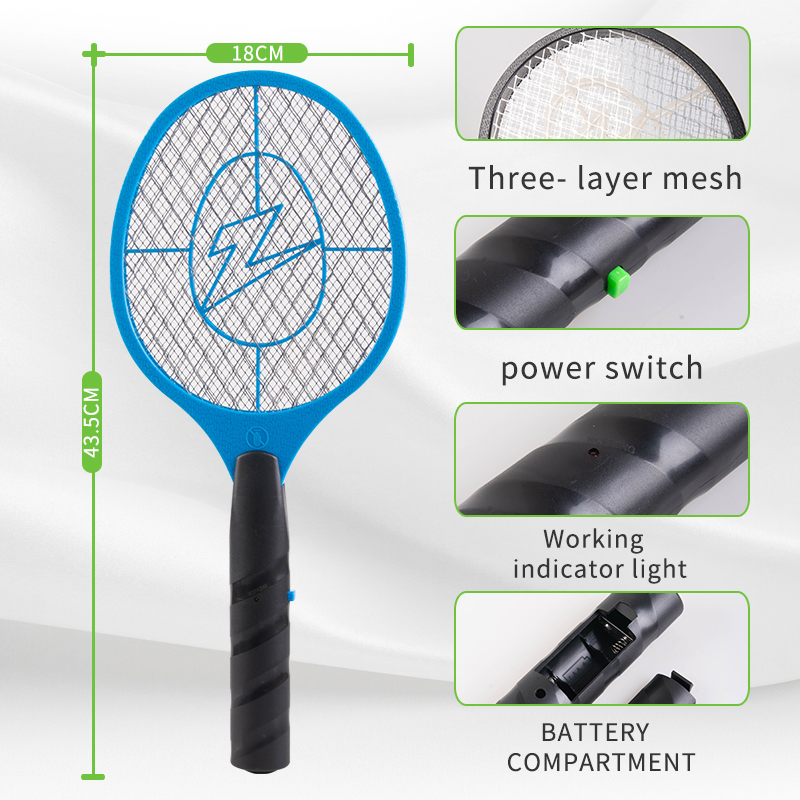
2.3 Residual Viral Load Is Far Below the Infectious Threshold
From the perspective of infectious viral dosage, even if trace amounts of HIV-contaminated blood remain on mosquito mouthparts, the residual viral load is significantly lower than the minimum threshold required for human infection. Experimental data indicates that effective HIV infection via residual mosquito-borne blood would require simultaneous bites from tens of millions of mosquitoes that have recently fed on an HIV-positive individual — a scenario biologically implausible in natural environments.
Furthermore, HIV exhibits extremely poor survivability outside the human body. Once isolated from constant-temperature human bodily fluids, the virus rapidly denatures and loses infectivity. Trace residual virus on mosquito mouthparts poses no threat to healthy individuals.
2.4 No Clinical or Epidemiological Evidence of Transmission Cases
Decades of global HIV epidemiological surveillance, clinical case statistics, and specialized public health studies consistently confirm that no HIV infections have resulted from mosquito bites, crushing mosquitoes, or contacting residual mosquito blood. Real-world epidemiological data fully supports the conclusion that mosquitoes do not transmit HIV.
3. Valid HIV Transmission Routes
HIV transmission requires stringent conditions. Epidemiological and clinical research recognizes only three definitive transmission routes: sexual contact, blood-borne exposure, and mother-to-child transmission. Routine daily social contact carries no infection risk.
3.1 Sexual Contact Transmission
Unprotected sexual contact is the predominant route of HIV transmission globally. High-risk sexual behavior causes the exchange of bodily fluids, enabling HIV to invade the human body through mucosal barriers and establish infection.
3.2 Blood-Borne Transmission
Major blood-borne transmission scenarios include: sharing injection equipment for intravenous drug use, receiving unscreened blood or blood products, undergoing invasive medical or aesthetic procedures in unregulated medical institutions, and sharing personal items contaminated with fresh blood (such as razors and toothbrushes).
3.3 Mother-to-Child Transmission
HIV-positive pregnant individuals face potential vertical transmission risks during intrauterine development, childbirth, and breastfeeding. Standardized medical intervention for mother-to-child blocking can drastically reduce neonatal infection rates and effectively prevent vertical transmission.
4. Common Misconceptions and Unnecessary Public Panic
Beyond mosquito bites, numerous daily contact scenarios lack the conditions required for HIV transmission. The public should avoid excessive psychological anxiety regarding the following misconceptions:
1. Routine social interactions: handshakes, hugs, dining together, sharing office equipment, and using public restrooms or transportation facilities;
2. Respiratory droplet exposure: droplets generated by daily conversation, coughing, or sneezing cannot carry or transmit HIV;
3. Other arthropod contact: bites or contact with mosquitoes, flies, fleas, bed bugs, and other insects pose no HIV transmission risk.
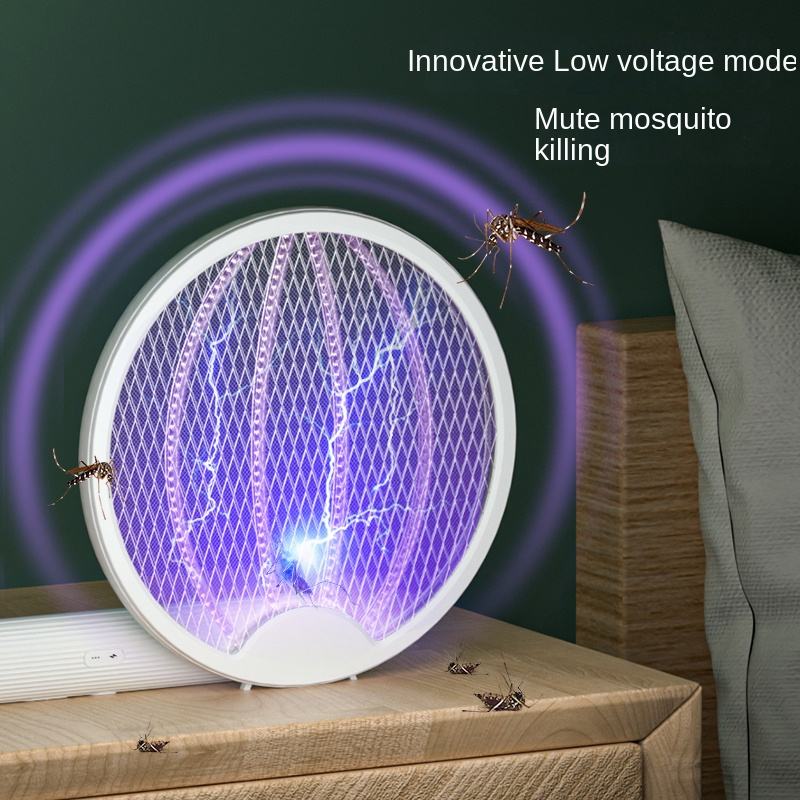
5. Conclusion: Scientific HIV Prevention Eliminates Blind Panic
In summary, the belief that mosquito bites transmit HIV is a scientifically unfounded myth. The public should refrain from anxiety regarding summer mosquito bites. Effective HIV prevention focuses on avoiding three core high-risk exposures: unprotected sexual contact, unsafe blood exposure, and vertical mother-to-child transmission, rather than over-precaution against harmless daily contact.
Establishing scientific cognition of HIV/AIDS and rejecting rumors and excessive panic reduces unnecessary public psychological burden, facilitates standardized HIV prevention and control, and improves overall public health literacy.
Core Factors Affecting Electronic Scale Accuracy
The Hidden Dangers of Summer Mosquito Bites
Related Article

If you’re struggling with annoying mosquitoes, flies, and other flying pests indoors and outdoors, upgrading from traditional manual tools to anElectric Mosquito Swatter is the most efficient solution. Many homeowners and renters search where to buy fly swatter online to find durable, safe, and high-performance electric models that deliver instant pest control.
Where to Buy Fly Swatter
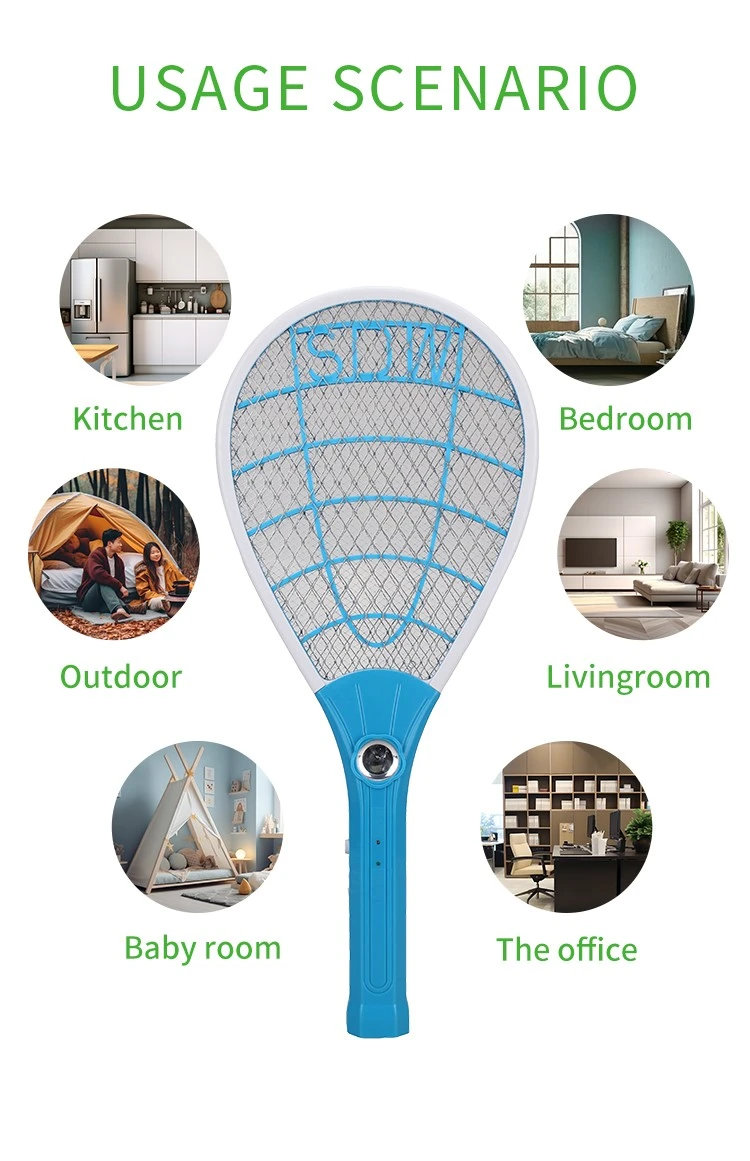
Most importers of electric mosquito swatters obsess over the first order: samples requested, factories vetted, a pre-shipment inspection booked. Then the reorder arrives eight months later and something is off. The grid feels softer. The charge port is a slightly different shade of black. The carton thickness dropped from 350 gsm to 300 gsm. Nothing is catastrophic — but the product no longer matches what your retail customers approved, and quietly, your return rate starts climbing.
How to Keep Mosquito Swatter Quality Consistent Across Repeat Orders
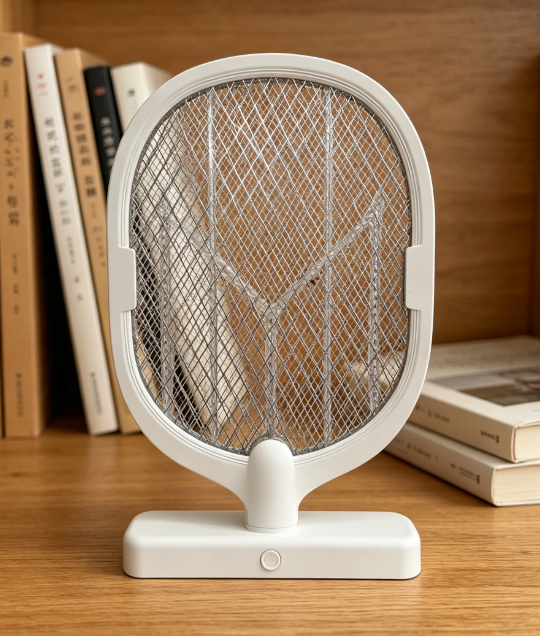
Warranty returns are the silent margin killer in the mosquito control category. A distributor who buys a swatter at $1.80 FOB and retails it at $9.90 can absorb a 1% return rate without noticing — but at 5%, the combined cost of replacement units, reverse logistics, and refund processing erases most of the line's profit.
Common mosquito swatter killer lamp failure modes wholesale spec guide

Digital bathroom scales rank as the second-highest-volume consumer weighing product category, only behind kitchen scales, with distinct market and product characteristics that set them apart from other scale types in importers’ product portfolios.
Digital bathroom body fat-bia-scale wholesale buyers guide