
Can Mosquito Killer Lamps Be Used for Heating
2025-12-26
Can Mosquito Killer Lamps Be Used for Heating? The Answer May Surprise You
As autumn and winter approach and temperatures gradually drop, many people have a sudden thought while sorting out their summer supplies: since mosquito killer lamps generate heat when working, can they be temporarily used for heating? After all, it's a waste to leave them idle—wouldn't it be great if they could serve two purposes? Today, we'll delve into this question to help you clarify misunderstandings and avoid risks from improper use.
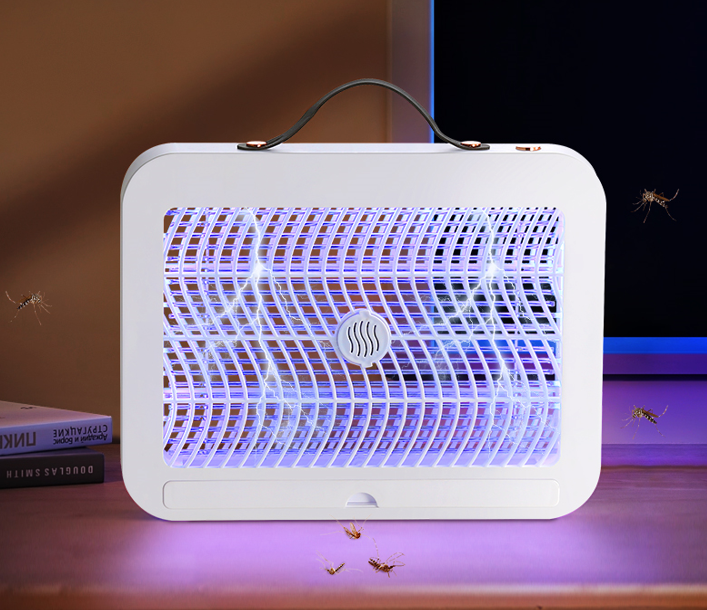
Key Point 1: Different Working Principles – Heat Is Only a "Byproduct"
The core function of a mosquito killer lamp is to trap and kill mosquitoes. Mainstream UV mosquito killer lamps attract mosquitoes by emitting ultraviolet light of a specific wavelength, then kill them with an electric shock from a high-voltage power grid; some sticky trap mosquito killer lamps lure mosquitoes to stick to the adhesive board through light attraction. In either case, heat generation is only an incidental phenomenon during the operation of the equipment – just like the base of a desk lamp getting warm when turned on. Heat is not its design purpose, nor is it the main energy output. In contrast, the core of heating equipment is to efficiently convert electrical energy into thermal energy. For example, electric fan heaters blow air to diffuse heat after the heating wires generate heat, and space heaters directly transfer heat through infrared radiation. All designs are centered around "efficient heat production and uniform heat dissipation".
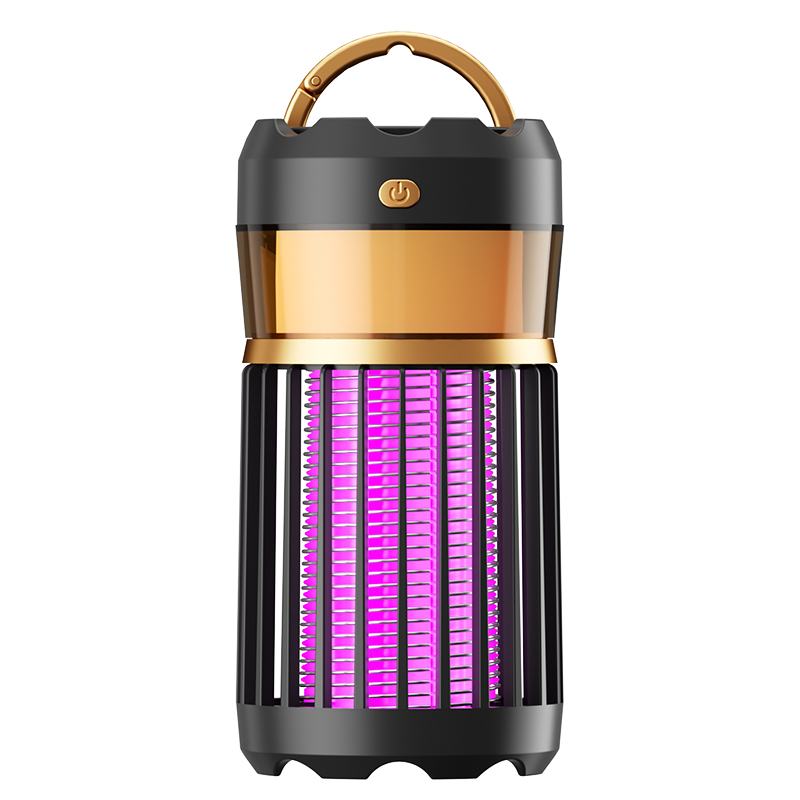
Key Point 2: Significant Power Gap—Insufficient Heat Generation Capacity
This is the core reason why mosquito killer lamps cannot be used for heating. The power of ordinary household mosquito killer lamps is usually only 5-20 watts, and even the more powerful commercial ones are mostly between 30-50 watts. With such low power, the heat generated is very limited—it can only provide a slight warmth within a few centimeters around the lamp body at most, and cannot raise the temperature of the entire room at all. In contrast, the power of household heating equipment is generally 1000-2000 watts, which is dozens to hundreds of times that of mosquito killer lamps. Only such power can meet heating needs. For example: the heat generated by a 50-watt mosquito killer lamp working for 1 hour is less than that generated by a 1000-watt electric fan heater working for 3 minutes. Using it for heating is undoubtedly a drop in the bucket.
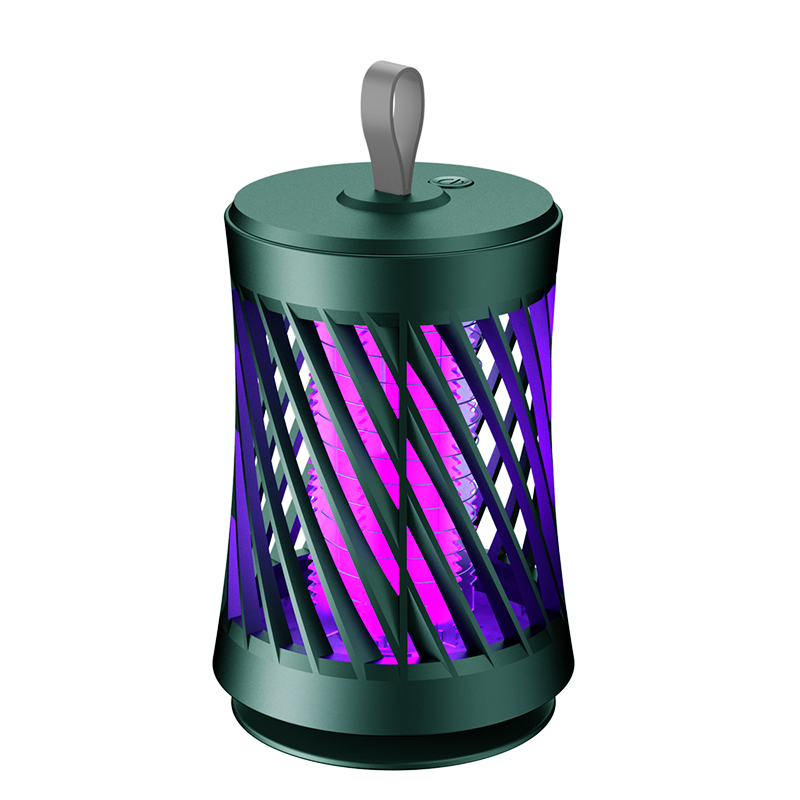
Key Point 3: Great Safety Hazards—High Risks of Improper Use
Forcing a mosquito killer lamp to be used for heating is likely to cause safety problems. On the one hand, the shell and circuits of mosquito killer lamps are designed according to the standards of low power and short-term use (mostly for mosquito repellent at night), and do not consider the heat dissipation needs of long-term high-load operation. If it is used continuously for a long time for "heating", heat cannot be dissipated in time, which may cause the shell to overheat and deform, or even lead to short circuits and fires. On the other hand, for mosquito killer lamps with high-voltage power grids, overheating may affect the insulation performance of the power grid and increase the risk of electric shock; the adhesive boards of sticky trap mosquito killer lamps may melt at high temperatures and release harmful substances. In contrast, regular heating equipment is equipped with safety devices such as overheating protection and anti-tip protection, which can minimize safety accidents.
Does Temperature Affect the Function of Electric Mosquito Swatters
New Year Greetings from Chaozhou Aofengming
Related Article

If you’re struggling with annoying mosquitoes, flies, and other flying pests indoors and outdoors, upgrading from traditional manual tools to anElectric Mosquito Swatter is the most efficient solution. Many homeowners and renters search where to buy fly swatter online to find durable, safe, and high-performance electric models that deliver instant pest control.
Where to Buy Fly Swatter
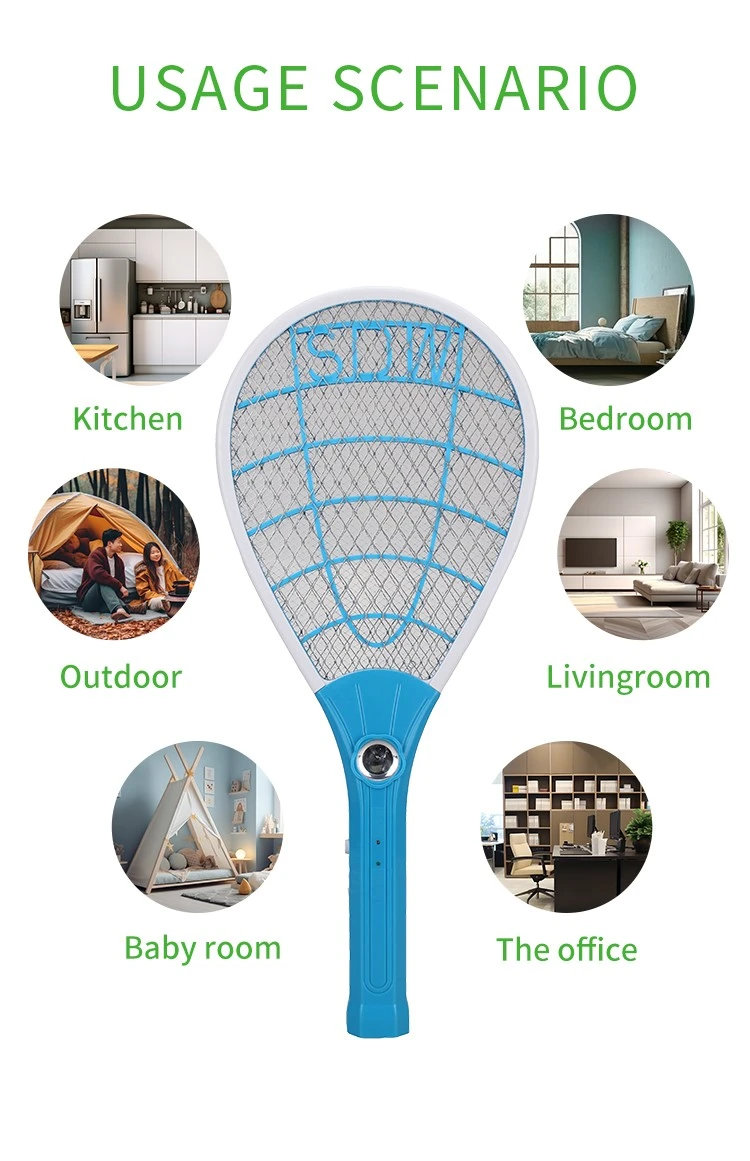
Most importers of electric mosquito swatters obsess over the first order: samples requested, factories vetted, a pre-shipment inspection booked. Then the reorder arrives eight months later and something is off. The grid feels softer. The charge port is a slightly different shade of black. The carton thickness dropped from 350 gsm to 300 gsm. Nothing is catastrophic — but the product no longer matches what your retail customers approved, and quietly, your return rate starts climbing.
How to Keep Mosquito Swatter Quality Consistent Across Repeat Orders
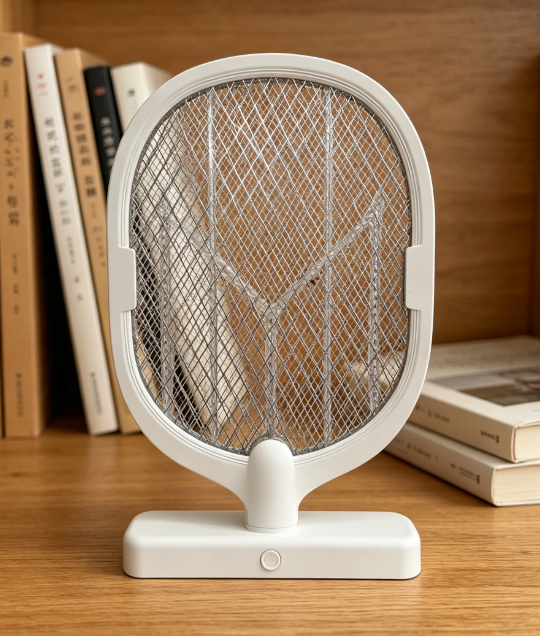
Warranty returns are the silent margin killer in the mosquito control category. A distributor who buys a swatter at $1.80 FOB and retails it at $9.90 can absorb a 1% return rate without noticing — but at 5%, the combined cost of replacement units, reverse logistics, and refund processing erases most of the line's profit.
Common mosquito swatter killer lamp failure modes wholesale spec guide

Digital bathroom scales rank as the second-highest-volume consumer weighing product category, only behind kitchen scales, with distinct market and product characteristics that set them apart from other scale types in importers’ product portfolios.
Digital bathroom body fat-bia-scale wholesale buyers guide