
Can mosquito killer lamps cause sunburn after long exposure
2025-07-24
As summer arrives, mosquito killer lamps have become a popular choice for many families to repel mosquitoes due to their advantages of no frequent operation and silent mosquito killing. Then, will our skin get sunburned like being exposed to the sun after long-term exposure to the light of mosquito killer lamps?
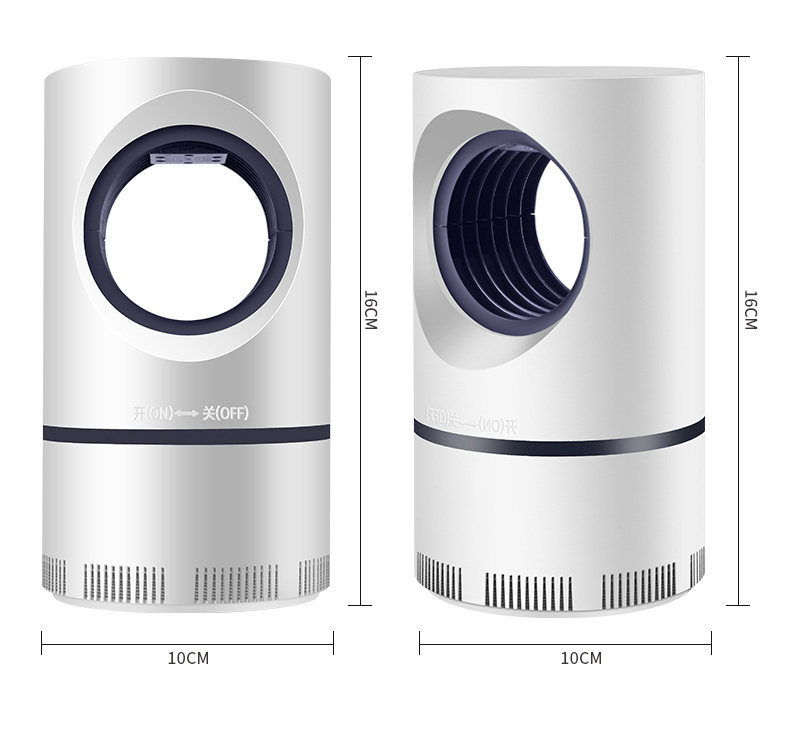
I. First, understand the light source types of mosquito killer lamps: Do they contain "sunburn risks"?
1.1 UVA (Ultraviolet A) light source mosquito killer lamps
This type of mosquito killer lamp attracts mosquitoes by emitting UVA (wavelength 320-400nm) (mosquitoes are sensitive to specific wavelengths of ultraviolet rays). However, the energy of UVA is much lower than that of UVB, and the UVA intensity of mosquito killer lamps is usually even lower than 1/100 of that in sunlight. Even with long-term exposure (such as for several consecutive hours), it cannot reach the energy threshold that damages the skin, so it will not cause sunburn.
1.2 LED blue/purple light mosquito killer lamps
Some mosquito killer lamps use LEDs to emit blue light (450-495nm) or purple light (visible light close to ultraviolet rays). This kind of light belongs to the category of visible light and does not have the penetrability of ultraviolet rays. Its function is only to attract mosquitoes and cause no damage to skin cells, so there is naturally no risk of sunburn.
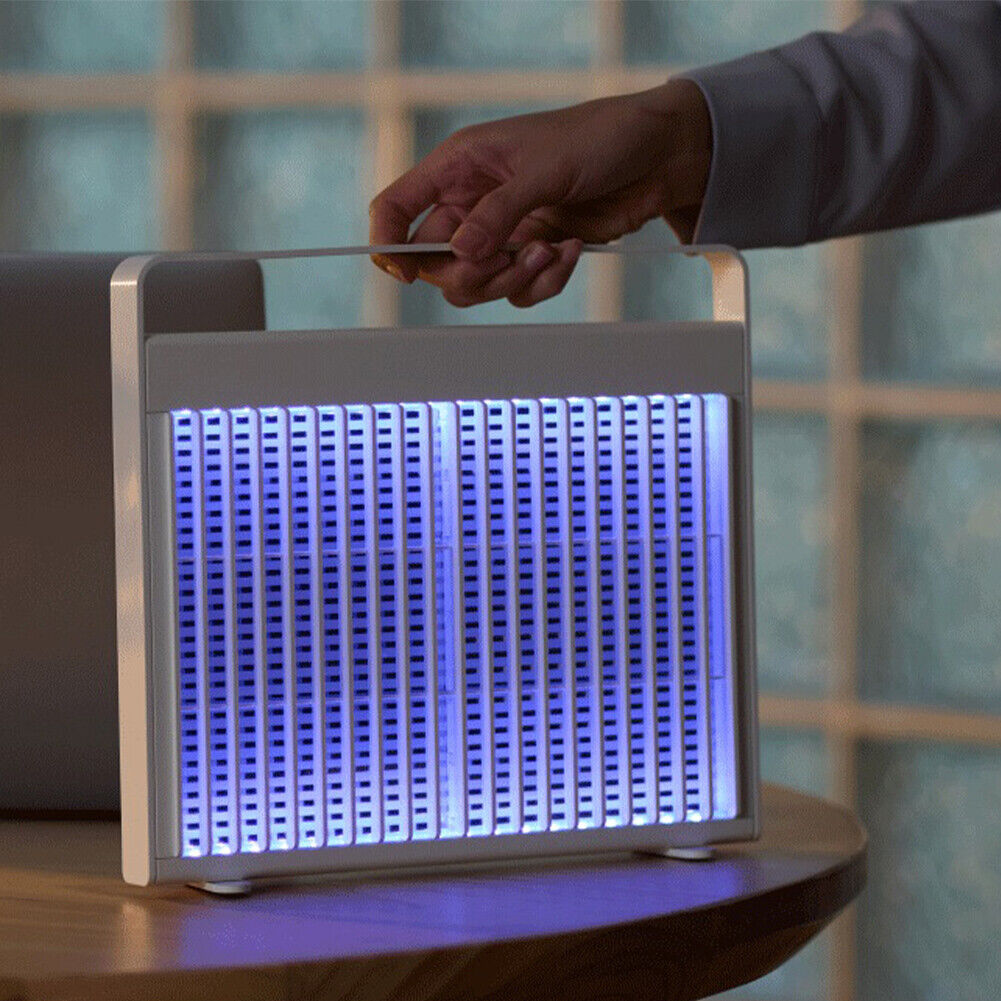
II. Why do some people feel "skin discomfort after being exposed to mosquito killer lamps"?
Although mosquito killer lamps will not cause traditional sunburn, a few people may experience skin discomfort after long-term exposure. There are two common reasons, which need to be distinguished from sunburn:
2.1 Skin sensitivity caused by dryness
If a mosquito killer lamp is equipped with a fan (inhalation-type mosquito killer lamp) when working, it may accelerate the air flow around, leading to the loss of skin moisture, resulting in tightness and slight redness. This is a sign of dry skin, not sunburn, and can be relieved by applying moisturizing lotion.
2.2 Psychological suggestion or direct light stimulation
Some people have psychological concerns about "long-term light exposure" and are prone to attributing accidental skin discomfort to mosquito killer lamps. In addition, direct strong light from mosquito killer lamps may cause eye discomfort, but it does no harm to the skin. This can be avoided by adjusting the placement position (to avoid direct exposure to the human body).
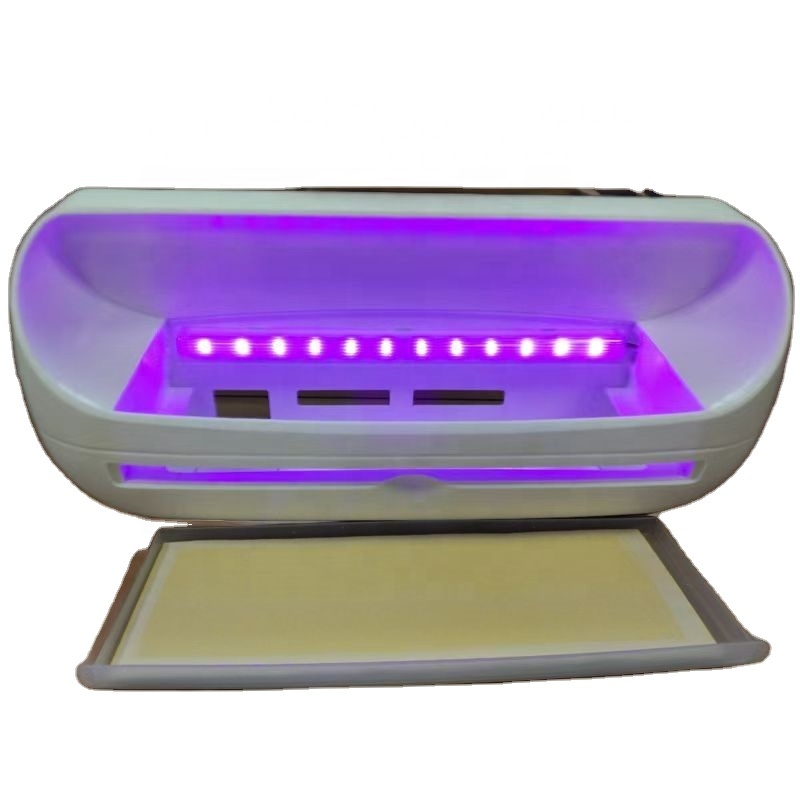
III. 3 suggestions for safe use of mosquito killer lamps
3.1 Control the exposure distance and duration
It is recommended to place the mosquito killer lamp at a distance of more than 1 meter from the body (especially avoid putting the skin close to the lamp body). When using it at night, you can place the mosquito killer lamp in a corner (such as the corner of the living room or the window sill of the bedroom), which will not affect the mosquito killing effect and reduce direct light exposure.
3.2 Regular cleaning and maintenance
After mosquito corpses accumulate inside the mosquito killer lamp, bacteria may breed. If it is used at a close distance (such as a desktop mosquito killer lamp), it is necessary to clean the power grid or sticky mosquito board with a brush every week to avoid odor or bacterial spread.
3.3 Usage precautions for special groups
Infants have delicate skin. Although there is no need to worry about sunburn, they should be prevented from touching the mosquito killer lamp (some products have weak current in the power grid). For people sensitive to light (such as those with photosensitive dermatitis), you can choose a mosquito killer lamp with a lampshade to reduce direct light exposure.
Conclusion: The light source of mosquito killer lamps (UVA or LED blue light) does not have the energy and wavelength to cause sunburn, and long-term exposure will not cause sunburn. If skin discomfort occurs, it is mostly related to dry air or placement position, which can be solved by adjusting the usage method.
When using mosquito killer lamps in summer, the key is to "place them correctly + clean them regularly". There is no need to leave this practical tool unused due to "sunburn concerns". As long as it is used scientifically, you can repel mosquitoes safely and avoid unnecessary skin discomfort.
How to Clean an Electric Fly Swatter
Electric Fly Swatter Battery Not Charging
Related Article

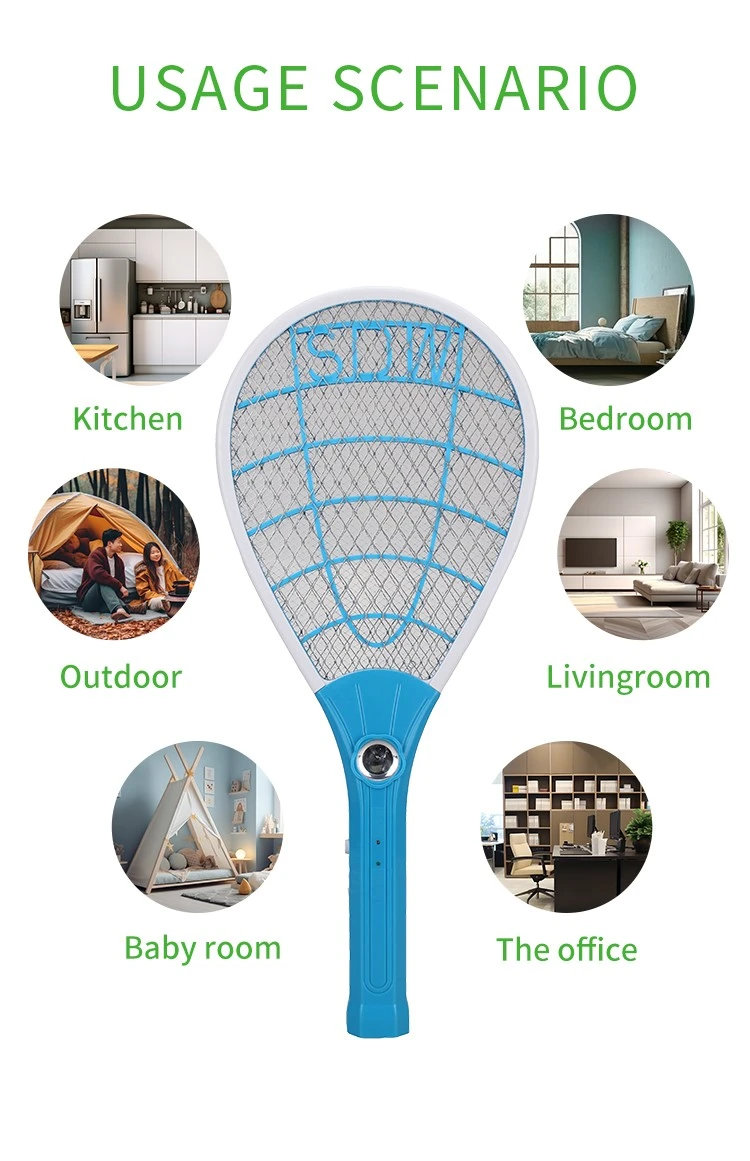
If you’re struggling with annoying mosquitoes, flies, and other flying pests indoors and outdoors, upgrading from traditional manual tools to anElectric Mosquito Swatter is the most efficient solution. Many homeowners and renters search where to buy fly swatter online to find durable, safe, and high-performance electric models that deliver instant pest control.
Where to Buy Fly Swatter
Most importers of electric mosquito swatters obsess over the first order: samples requested, factories vetted, a pre-shipment inspection booked. Then the reorder arrives eight months later and something is off. The grid feels softer. The charge port is a slightly different shade of black. The carton thickness dropped from 350 gsm to 300 gsm. Nothing is catastrophic — but the product no longer matches what your retail customers approved, and quietly, your return rate starts climbing.
How to Keep Mosquito Swatter Quality Consistent Across Repeat Orders
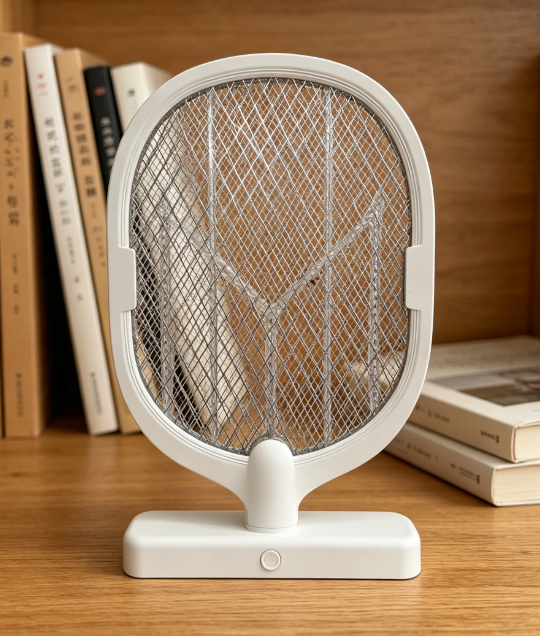
Warranty returns are the silent margin killer in the mosquito control category. A distributor who buys a swatter at $1.80 FOB and retails it at $9.90 can absorb a 1% return rate without noticing — but at 5%, the combined cost of replacement units, reverse logistics, and refund processing erases most of the line's profit.
Common mosquito swatter killer lamp failure modes wholesale spec guide

Digital bathroom scales rank as the second-highest-volume consumer weighing product category, only behind kitchen scales, with distinct market and product characteristics that set them apart from other scale types in importers’ product portfolios.
Digital bathroom body fat-bia-scale wholesale buyers guide