
Can Mosquito Killer Lamps Cause Sunburn
2025-10-27
Can Mosquito Killer Lamps Cause Sunburn After Long Exposure
Mosquito killer lamps are favored by many people due to their advantages of being environmentally friendly and free of chemical pollution. However, a common question arises: Can prolonged exposure to mosquito killer lamps cause sunburn, just like prolonged sun exposure? Today, we will delve into this question to clear up any confusion for you.
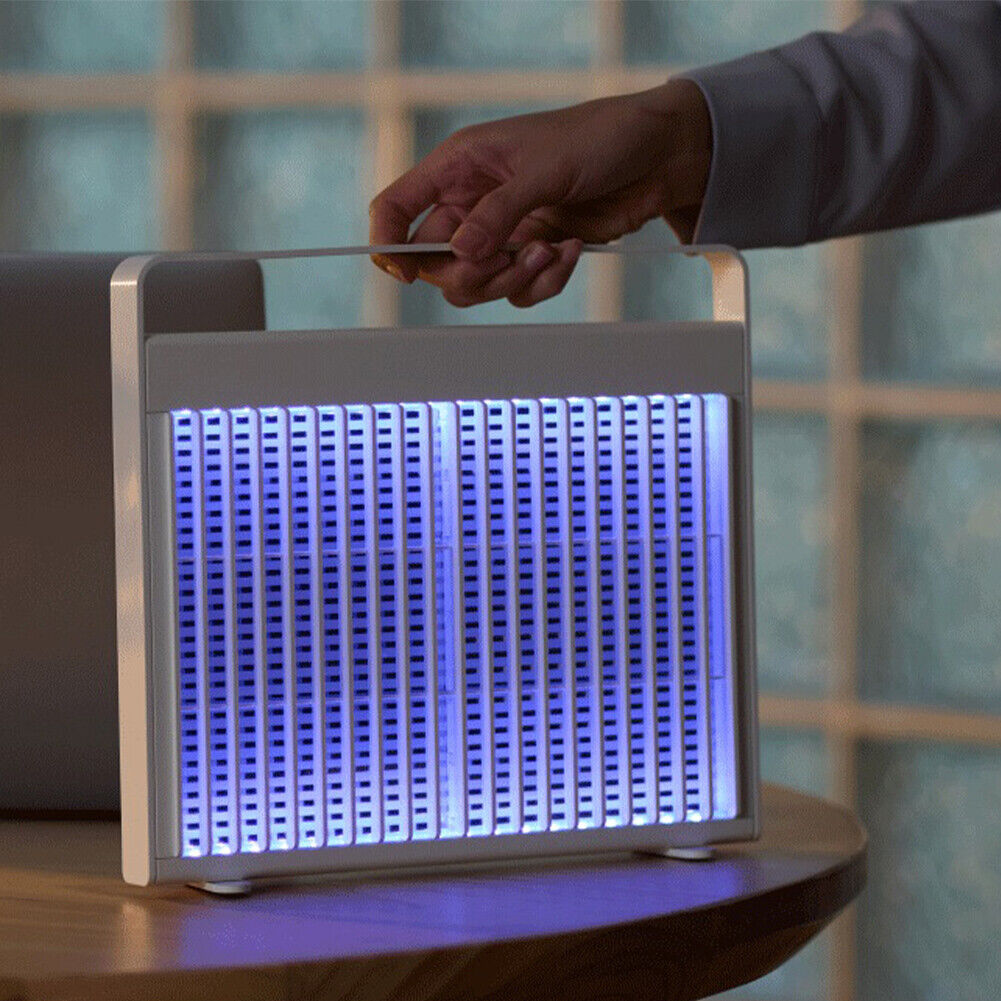
I. Understanding the Cause of Sunburn Is Key
To determine whether mosquito killer lamps can cause sunburn, we first need to understand what sunburn actually is. Sunburn, medically known as solar dermatitis, is mainly caused by excessive skin exposure to ultraviolet (UV) rays, particularly UVB and UVA. UV rays have strong penetrating power, capable of reaching the dermis layer of the skin, damaging the DNA of skin cells, and triggering an inflammatory response. This leads to symptoms such as redness, swelling, pain, and blistering of the skin; in severe cases, it may be accompanied by systemic discomfort like fever and headache.
It is clear from this that the core factor in whether something causes sunburn lies in the presence of UV radiation strong enough to damage the skin. So, do mosquito killer lamps emit such UV radiation?
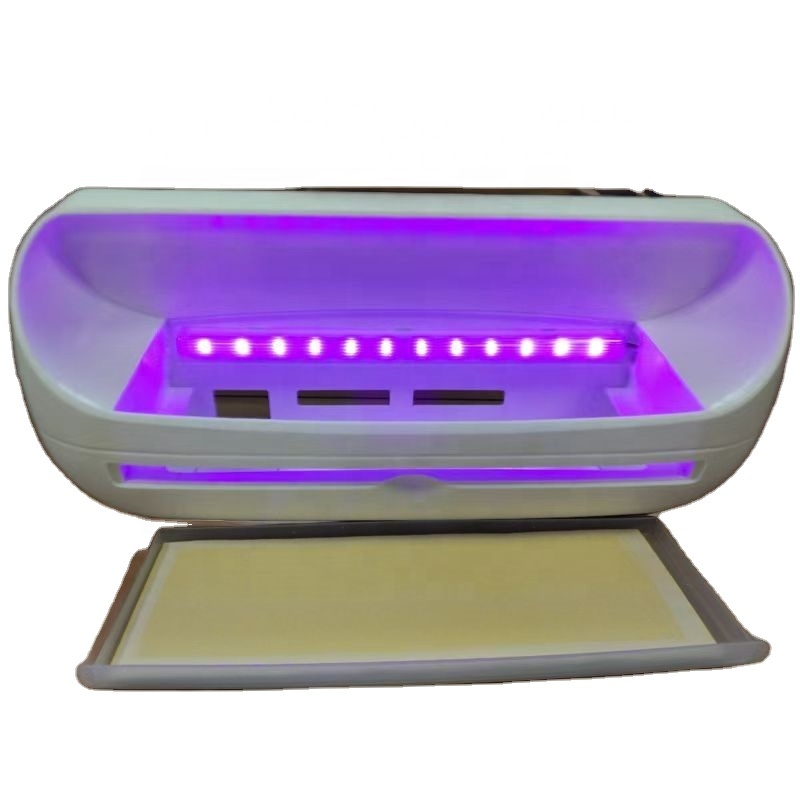
II. Working Principle and Light Source Characteristics of Mosquito Killer Lamps
Mosquito killer lamps attract and eliminate mosquitoes primarily through their specific light sources and trapping mechanisms. Currently, common mosquito killer lamps on the market have several types of light sources, each with distinct characteristics—including differences in whether they emit UV rays and the intensity of such rays:
1. Traditional UV Mosquito Killer Lamps
These are the earlier models of mosquito killer lamps. Their working principle relies on mosquitoes’ phototaxis to UV rays (especially UVA with a wavelength between 365-400nm) to attract the insects. When mosquitoes fly toward the UV light source, they are either electrocuted by the high-voltage grid surrounding the lamp or sucked into a mosquito storage box by a fan and dried to death.
In terms of light source characteristics, traditional UV mosquito killer lamps do emit UV rays, mainly UVA. However, it is important to note that the intensity of UV rays produced by these lamps is far lower than that of UV rays in sunlight. Generally, at a distance of more than 1 meter from the lamp, the amount of UV radiation becomes extremely weak, insufficient to cause significant skin damage.
With the development of LED technology, LED mosquito killer lamps have gradually become the mainstream product on the market. These lamps typically use LED light sources with a specific wavelength (mostly blue light, with a wavelength of approximately 450-480nm) to attract mosquitoes, as mosquitoes also have a strong phototaxis to blue light.
Unlike traditional UV mosquito killer lamps, LED mosquito killer lamps produce almost no UV rays during normal operation. Their light source is mainly concentrated in the blue wavelength band of the visible light spectrum, and blue light does not fall into the category of UV rays. It lacks the ability of UV rays to damage skin cell DNA. Therefore, in terms of the nature of the light source, the risk of LED mosquito killer lamps causing sunburn is extremely low.
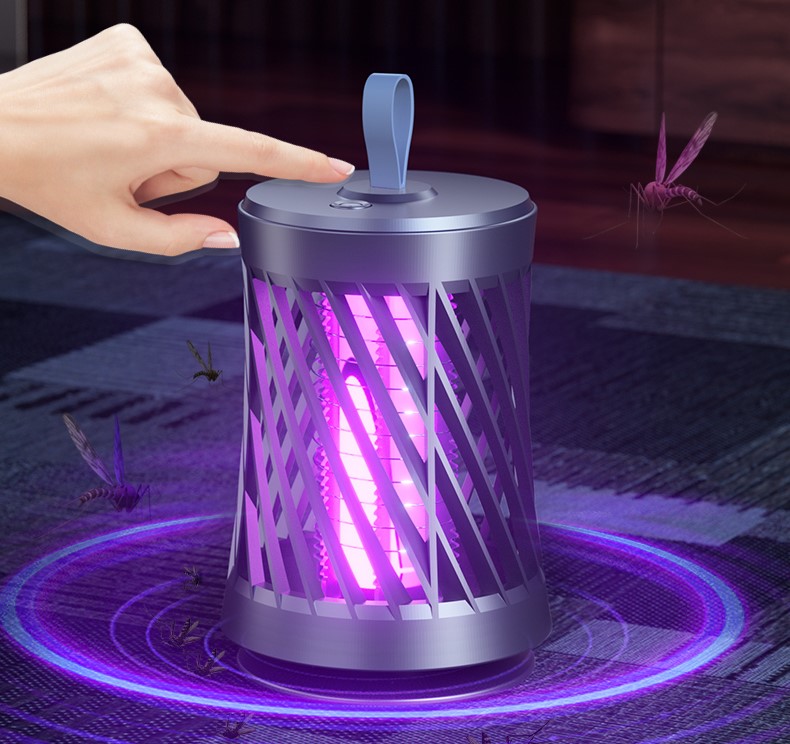
III. Is There a Risk of Sunburn from Prolonged Exposure to Mosquito Killer Lamps?
Based on the above analysis of the causes of sunburn and the characteristics of mosquito killer lamp light sources, we can provide a clear answer to the question: "Can prolonged exposure to mosquito killer lamps cause sunburn?"
1. For Traditional UV Mosquito Killer Lamps
Although traditional UV mosquito killer lamps emit UV rays, the intensity of these rays is weak. In normal usage scenarios (e.g., placed in a corner of the living room or bedroom, with a certain distance between the human body and the lamp), the amount of UV radiation that the human body is exposed to is very limited. Even if you stay in an environment with a traditional UV mosquito killer lamp for a long time, as long as you do not press your skin close to the lamp (e.g., within 10 centimeters of the lamp for several hours), it will generally not cause sunburn.
However, it is worth noting that if a traditional UV mosquito killer lamp is used to directly irradiate the skin at close range (for example, someone holds their hand in front of the lamp for a long time out of curiosity) and the irradiation time is excessively long (such as continuous irradiation for more than 3-4 hours), it may theoretically cause mild UV damage to the local skin. Symptoms similar to mild sunburn, such as redness and dryness of the skin, may occur—but this scenario is extremely rare in normal use.
2. For LED Mosquito Killer Lamps
Since LED mosquito killer lamps produce almost no UV rays and their light source is blue visible light, they do not meet the conditions for causing sunburn. Therefore, even with prolonged exposure to an LED mosquito killer lamp, regardless of the distance, it will not cause sunburn.
IV. Safety Recommendations for Using Mosquito Killer Lamps
Although the risk of sunburn from mosquito killer lamps is low, we still need to pay attention to the following points during daily use to ensure safety:
- Place the Mosquito Killer Lamp Properly: Whether it is a traditional UV mosquito killer lamp or an LED one, it should be placed in a location that is not easily accessible to children and pets. This prevents children or pets from accidentally touching the high-voltage grid (for grid-equipped lamps) or staring at the light source for a long time at close range, which could lead to electric shock or eye discomfort.
- Maintain an Appropriate Distance: When using a traditional UV mosquito killer lamp, try to keep a distance of more than 1 meter from the lamp. Avoid staying directly below the lamp or in close proximity to it for a long time to reduce unnecessary UV exposure.
- Choose Regularly Certified Products: When purchasing a mosquito killer lamp, select products produced by formal manufacturers and that meet national safety standards. Ensure that indicators such as the lamp’s light intensity and electrical safety comply with requirements to avoid safety hazards caused by inferior products.
- Clean and Maintain Regularly: Regularly clean the mosquito storage box and grid of the lamp (operate after disconnecting the power supply) to keep the device clean and hygienic. This prevents the accumulation of mosquito corpses from breeding bacteria, which could affect the lamp’s effectiveness and environmental hygiene.
V. Conclusion
In summary, whether prolonged exposure to a mosquito killer lamp causes sunburn mainly depends on the type of lamp. Traditional UV mosquito killer lamps emit weak UV rays, so there is a theoretical risk of mild skin damage in cases of extremely improper use (long-term direct irradiation of the skin at close range). However, under normal use, they rarely cause sunburn. On the other hand, LED mosquito killer lamps produce no UV rays at all, so they pose no risk of sunburn.
Therefore, when using a mosquito killer lamp, you do not need to be overly concerned about the risk of sunburn. Simply choose the appropriate type of lamp based on your needs and use it in the correct way to enjoy a mosquito-free environment with peace of mind.
Round vs Other Shapes of Electric Mosquito Swatters
Cost Range of Electric Fly Swatter Mold
Related Article

If you’re struggling with annoying mosquitoes, flies, and other flying pests indoors and outdoors, upgrading from traditional manual tools to anElectric Mosquito Swatter is the most efficient solution. Many homeowners and renters search where to buy fly swatter online to find durable, safe, and high-performance electric models that deliver instant pest control.
Where to Buy Fly Swatter
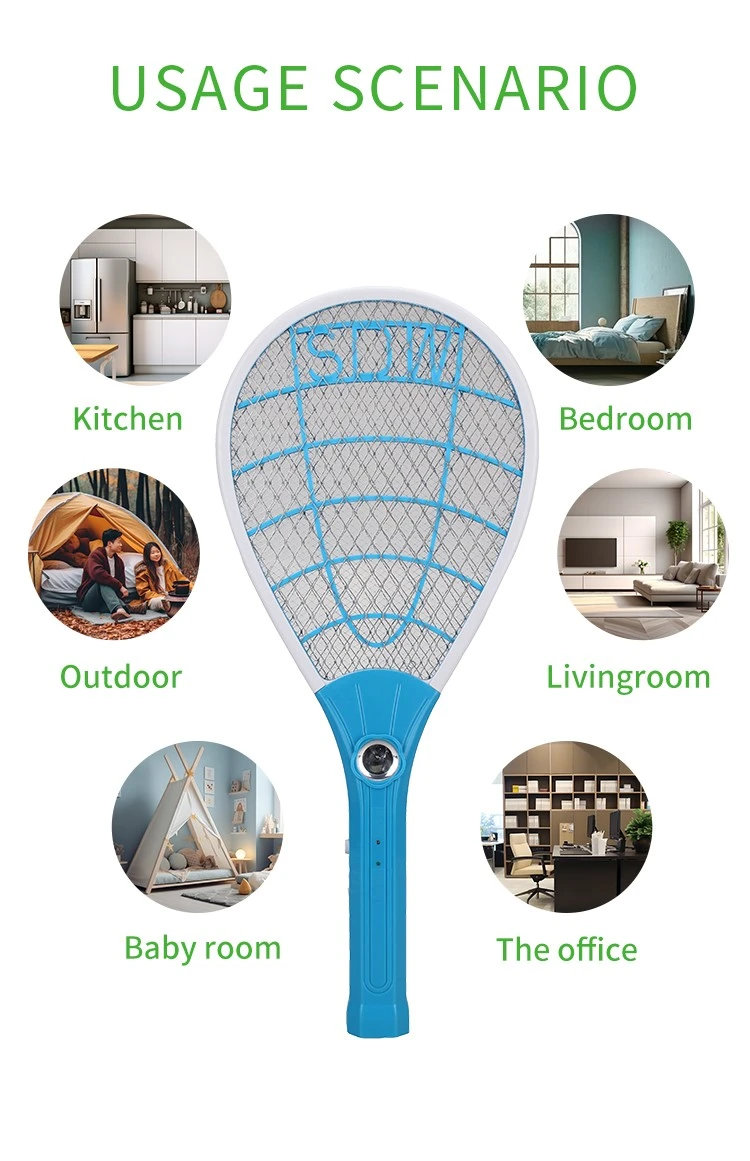
Most importers of electric mosquito swatters obsess over the first order: samples requested, factories vetted, a pre-shipment inspection booked. Then the reorder arrives eight months later and something is off. The grid feels softer. The charge port is a slightly different shade of black. The carton thickness dropped from 350 gsm to 300 gsm. Nothing is catastrophic — but the product no longer matches what your retail customers approved, and quietly, your return rate starts climbing.
How to Keep Mosquito Swatter Quality Consistent Across Repeat Orders
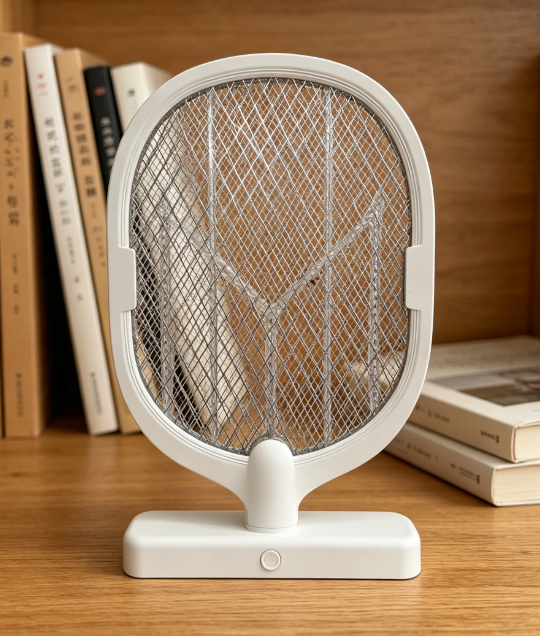
Warranty returns are the silent margin killer in the mosquito control category. A distributor who buys a swatter at $1.80 FOB and retails it at $9.90 can absorb a 1% return rate without noticing — but at 5%, the combined cost of replacement units, reverse logistics, and refund processing erases most of the line's profit.
Common mosquito swatter killer lamp failure modes wholesale spec guide

Digital bathroom scales rank as the second-highest-volume consumer weighing product category, only behind kitchen scales, with distinct market and product characteristics that set them apart from other scale types in importers’ product portfolios.
Digital bathroom body fat-bia-scale wholesale buyers guide