
Can Mosquito Killers Eliminate Flies
2025-11-26
Can Mosquito Killers Eliminate Flies? The Answer Might Surprise You
Many people rely on mosquito killers to deal with these pests. But every time you see flies buzzing around the kitchen, you can't help but wonder: Can the mosquito killer at home actually eliminate flies? Today, we'll break down this question and help you understand the "confrontation logic" between mosquito killers and flies.
First, the answer: Most mosquito killers can eliminate flies, but effectiveness varies
Don't get hung up on the name "mosquito killer" – its core function is to "trap small flying insects using light sources," and flies happen to be one of the insect species sensitive to specific light sources. So in principle, mosquito killers can eliminate flies, but the actual effectiveness is affected by three key factors.
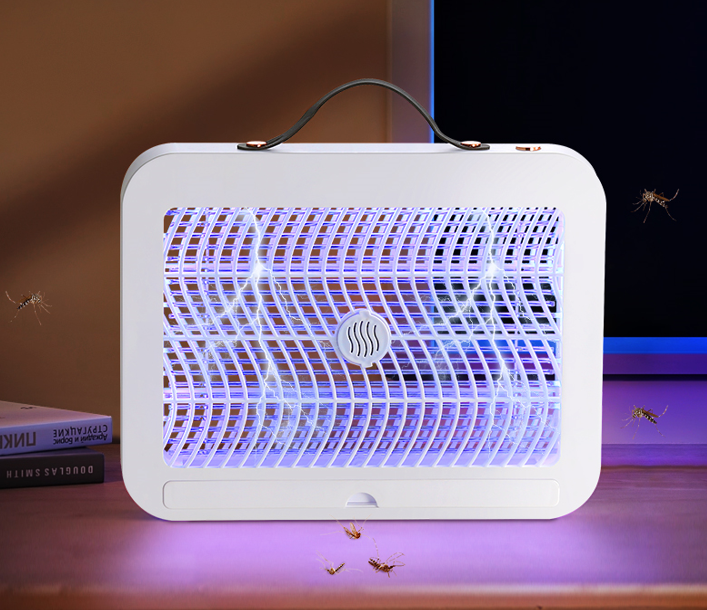
Three Key Factors Affecting the Effectiveness of Mosquito Killers in Eliminating Flies
1. Light Wavelength: Choosing the "Attractive Range" Is Crucial
Flies are more sensitive to ultraviolet (UV) light than mosquitoes, and they have a particular preference for the 360-380nm UV-A wavelength range (commonly known as "long-wave ultraviolet light"). Most mosquito killers on the market have a light wavelength ranging from 350-400nm, which just covers this range, so they can attract flies.
However, note this: If you purchase a "LED simulated natural light" mosquito killer (non-UV type), its ability to attract flies will be significantly reduced. This type of lamp is more suitable for trapping mosquitoes sensitive to temperature and has limited effectiveness against flies.
2. Trapping Method: Electric Shock vs. Sticky Trap – Each Has Pros and Cons
- Electric shock mosquito killer lamps: These use a high-voltage grid to electrocute insects. They work on flies but may have the issue of "splattering remains" – since flies are larger than mosquitoes, some remains may splash around when electrocuted. If placed near the kitchen or dining table, this could pose a hygiene risk instead.
- Sticky trap-type mosquito killers: These trap insects using adhesive paper. They avoid the problem of splattering remains, allow you to clearly see the number of flies caught, and are easier to clean. For household users, they are especially suitable for use in kitchens and dining rooms, making them more practical for eliminating flies.
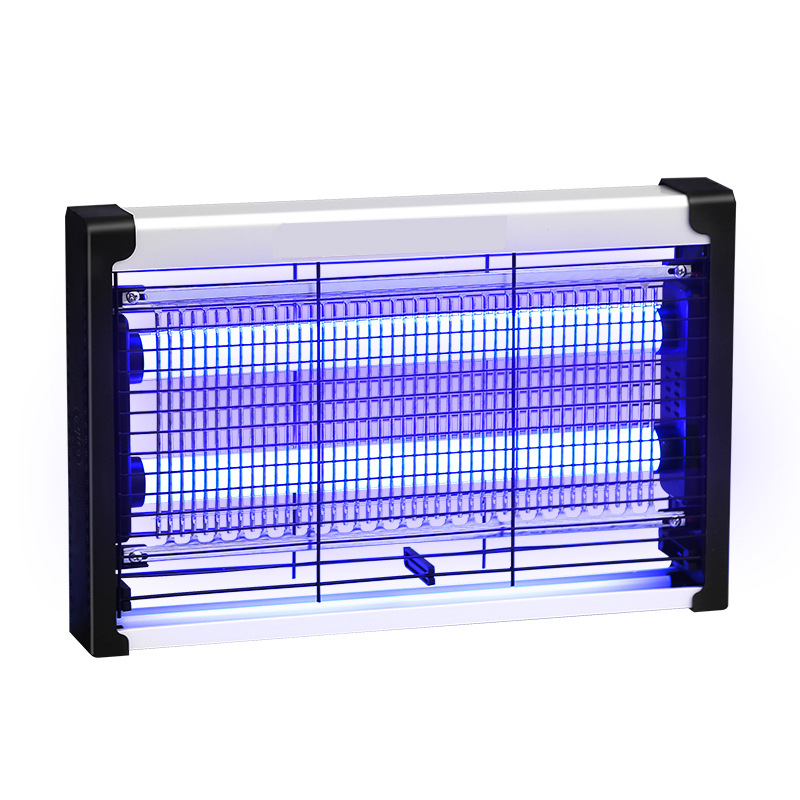
3. Usage Environment: Avoid "Interfering Light Sources" and Choose the Right Placement
Flies are easily drawn to brighter light sources – if there are table lamps, ceiling lights near the mosquito killer, or if it's placed close to a window (with outdoor light shining in), the killer's ability to attract flies will drop sharply.
The correct approach is: Place the mosquito killer in dimly lit areas where flies frequently appear, such as kitchen corners, next to trash cans, or under sinks. Also, keep its height between 1.5-2 meters (as flies mostly fly within this height range) to avoid interference from other light sources.
Three Practical Tips for Using Mosquito Killers to Eliminate Flies
- Prioritize "UV + sticky trap-type" mosquito killers: They not only match flies' light-seeking preferences but also avoid residue pollution, making them particularly suitable for home use.
- Clean regularly to maintain light brightness: Over time, sticky paper on mosquito killers will be covered with insect remains, or the grid may accumulate dust – this affects light penetration. It's recommended to clean the killer once a week (replace the sticky paper for sticky trap types, and use a brush to clean the grid for electric shock types).
- Use at night for better results: After turning off other lights at night, the mosquito killer's light will be more attractive to flies, allowing it to catch more flies in one night.
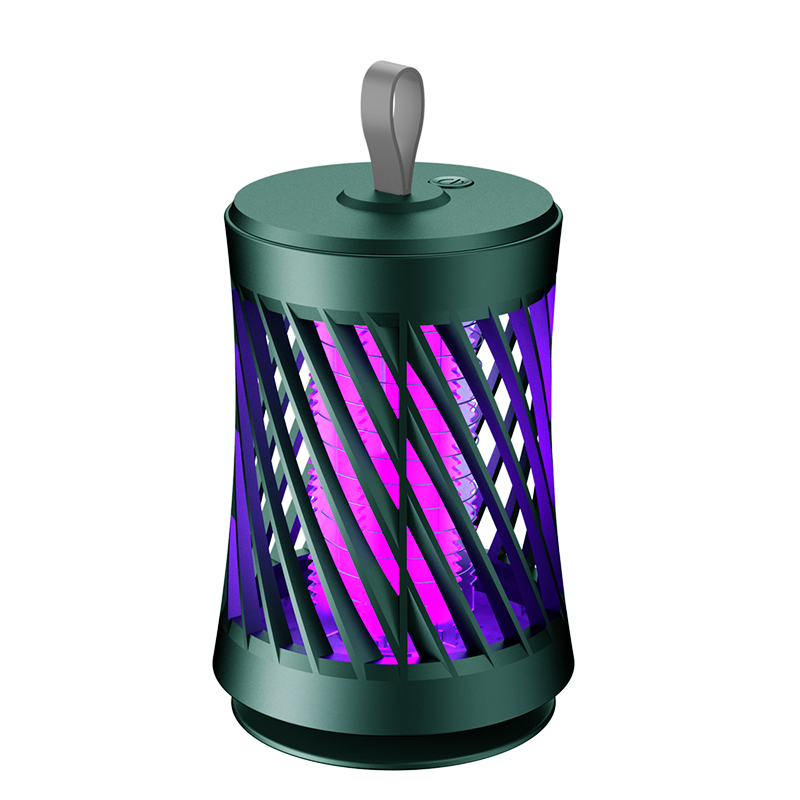
Conclusion: Mosquito Killers Can Eliminate Flies, But You Need to "Choose the Right Type and Use It Correctly"
Instead of worrying about "whether mosquito killers can eliminate flies," focus on "how to choose and use them" – as long as you select a mosquito killer with a UV light source and a sticky trap design, avoid interfering light sources, and place it in a dark area where flies frequently appear, it can become a great helper for eliminating flies.
Of course, mosquito killers are only "auxiliary tools." To completely reduce the number of flies, you still need to maintain good environmental hygiene: clean the trash can promptly, seal food properly, and disinfect sinks regularly. By eliminating the breeding environment of flies at the source, you can maximize the effectiveness of the mosquito killer.
Are there waterproof electric mosquito swatters available on the market
Hot-Selling Products with Urgent Stock
Related Article

If you’re struggling with annoying mosquitoes, flies, and other flying pests indoors and outdoors, upgrading from traditional manual tools to anElectric Mosquito Swatter is the most efficient solution. Many homeowners and renters search where to buy fly swatter online to find durable, safe, and high-performance electric models that deliver instant pest control.
Where to Buy Fly Swatter
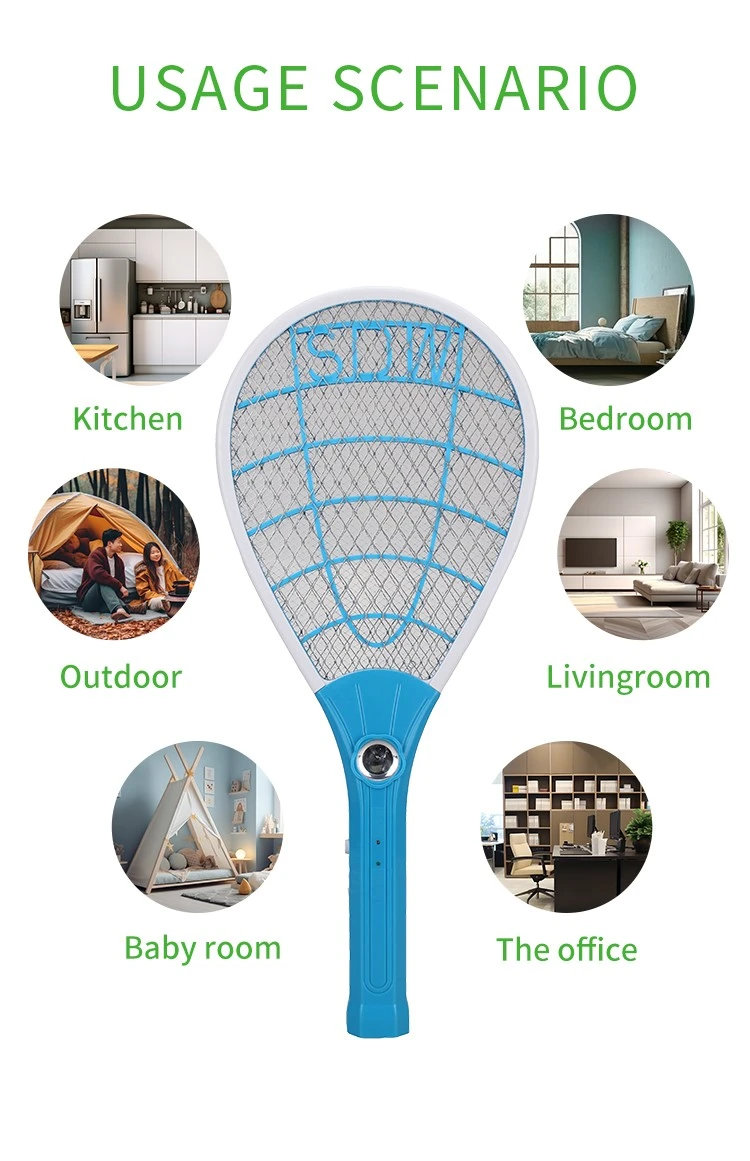
Most importers of electric mosquito swatters obsess over the first order: samples requested, factories vetted, a pre-shipment inspection booked. Then the reorder arrives eight months later and something is off. The grid feels softer. The charge port is a slightly different shade of black. The carton thickness dropped from 350 gsm to 300 gsm. Nothing is catastrophic — but the product no longer matches what your retail customers approved, and quietly, your return rate starts climbing.
How to Keep Mosquito Swatter Quality Consistent Across Repeat Orders
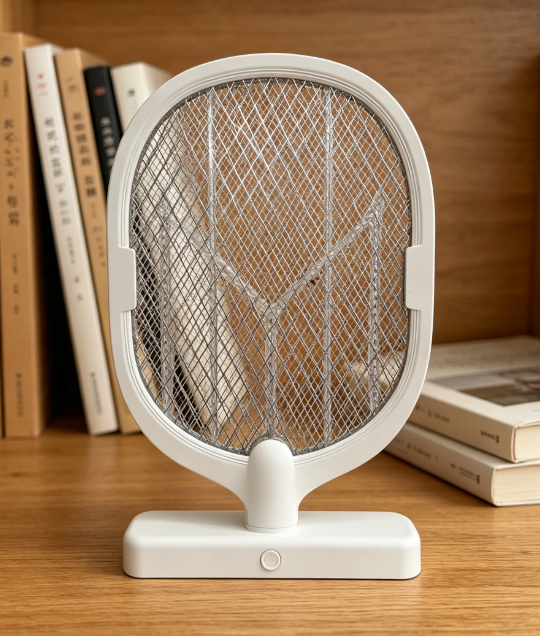
Warranty returns are the silent margin killer in the mosquito control category. A distributor who buys a swatter at $1.80 FOB and retails it at $9.90 can absorb a 1% return rate without noticing — but at 5%, the combined cost of replacement units, reverse logistics, and refund processing erases most of the line's profit.
Common mosquito swatter killer lamp failure modes wholesale spec guide

Digital bathroom scales rank as the second-highest-volume consumer weighing product category, only behind kitchen scales, with distinct market and product characteristics that set them apart from other scale types in importers’ product portfolios.
Digital bathroom body fat-bia-scale wholesale buyers guide