
Can Mosquito Killers Only Be Used at Night
2026-10-28
Can Mosquito Killers Only Be Used at Night? Professional Usage Guidelines
High temperature and humid environments in summer easily lead to mosquito breeding. Mosquito killers are widely adopted physical mosquito control devices in household and office scenarios. There is a prevalent misconception that mosquito traps only work at night and are ineffective during the day. Scientifically speaking, this assertion is inaccurate. Mosquito killers support round-the-clock operation; the only difference lies in variable working efficiency rather than time limitations. Based on the working principles of the equipment, this article analyzes the efficiency discrepancies between day and night use and summarizes standardized operation specifications to maximize the performance of physical mosquito elimination devices.
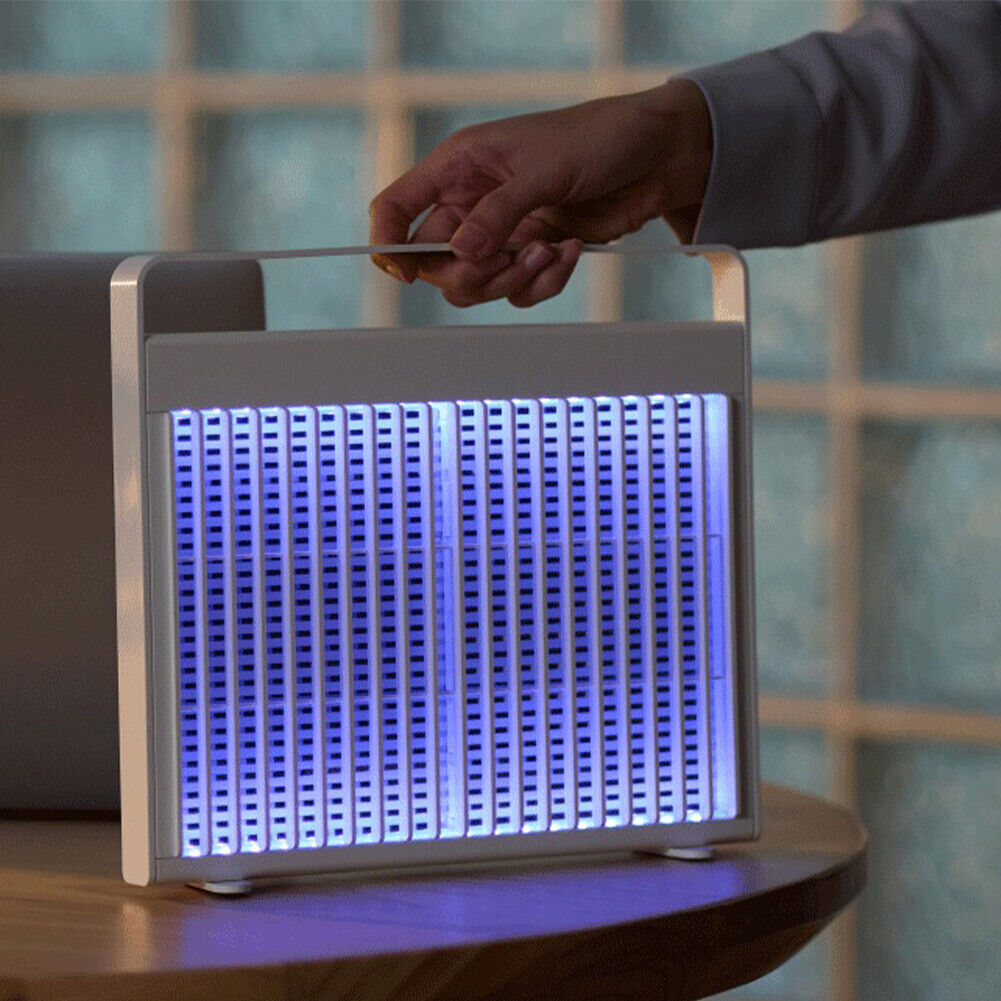
1. Core Conclusion: Mosquito Killers Are Functional All Day, Not Limited to Nighttime
Verified by equipment principles and practical test data, mosquito killers can operate stably 24 hours a day and do not lose effectiveness in daytime applications. The efficiency gap between daytime and nighttime use stems from objective changes in ambient light intensity and mosquito biological activity patterns, instead of inherent functional restrictions of the devices.
Most mainstream physical mosquito killers on the market adopt core trapping technologies including specific-band ultraviolet light and bionic heat source simulation. High-end models are equipped with trace carbon dioxide release modules to fully simulate human physiological characteristics and precisely attract blood-sucking mosquitoes. This bionic trapping mechanism maintains all-day stability and will not fail with the alternation of day and night. Only external environmental variables directly affect the trapping accuracy and working efficiency of the devices.
2. Why Do Mosquito Killers Perform Better at Night?
Nighttime serves as the optimal operating scenario for mosquito killers, delivering peak comprehensive mosquito elimination efficiency. The significant performance advantage is mainly attributed to two factors:
First, nighttime environments feature minimal light interference. Without superimposed strong light and stray indoor light sources, the dim and uniform ambient brightness enables the exclusive trapping ultraviolet light of mosquito killers to become the core inducing light source in the area. It takes full advantage of the phototactic characteristics of mosquitoes to effectively gather mosquitoes in the surrounding airspace.
Second, mosquitoes reach their activity peak at night. Most indoor blood-sucking mosquitoes have a typical nocturnal habit. They remain dormant in dark concealed areas such as wall gaps and furniture corners during the day, while their foraging frequency and activity range increase significantly at night. The larger number of active target mosquitoes substantially improves the mosquito elimination effect.
3. Why Daytime Efficiency Is Lower? Practical Solutions for Daytime Use
The unsatisfactory daytime user experience is not caused by equipment failure or functional invalidity. Intense natural sunlight greatly attenuates and shields the radiation range and recognition degree of trapping ultraviolet light. High-intensity daylight generates strong light interference, weakens the trapping signals of mosquito killers, and prevents mosquitoes from accurately locating the light source, thereby reducing the overall trapping efficiency.
Nevertheless, light interference only downgrades efficiency rather than disabling the device. Proper environmental optimization can effectively mitigate daylight interference and improve daytime mosquito control performance. By closing blackout curtains and indoor auxiliary lighting to create a dim and enclosed operating environment, users can keep the device running continuously in bedrooms, living rooms, bathrooms, and office spaces. This enables persistent trapping of hidden mosquitoes and stable regulation of indoor mosquito population density.
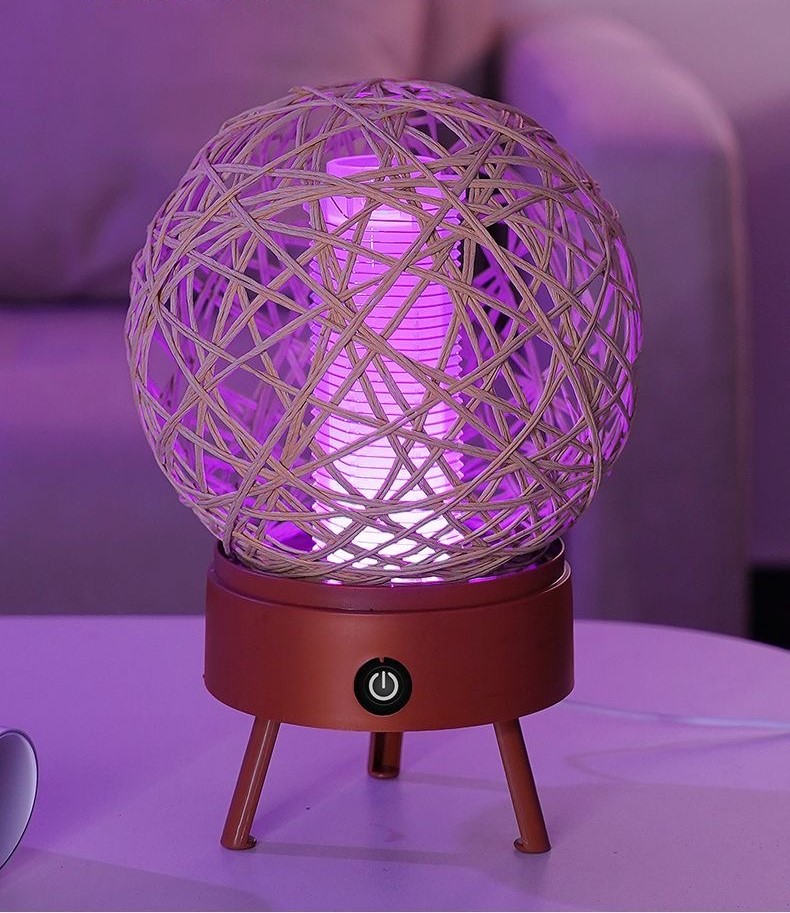
4. Professional Operation Skills to Avoid Ineffective Operation
To fully release the performance of mosquito killers, merely adjusting the operating period is insufficient. Standardized and scientific operation is the key to boosting mosquito elimination efficiency and avoiding invalid operation. Combining equipment principles and practical scenario tests, we have sorted out authoritative professional operation specifications:
1. Avoid bionic signal interference from human bodies. During operation, place the device away from long-term human activity areas, and never position it close to beds, seats, sofas, and other frequent seating areas. Human body temperature, exhaled breath, and surrounding lighting produce stronger bionic interference signals that counteract the trapping effect, causing mosquitoes to prioritize approaching humans and drastically reducing trapping success rates.
2. Operate in enclosed spaces. Close doors, windows, and screen windows before operation to form a relatively enclosed indoor space. This blocks continuous inflows of outdoor mosquitoes and quickly eliminates existing indoor mosquito populations. For severely infested spaces, 24-hour uninterrupted operation is recommended to continuously suppress mosquito reproduction and reduce the base number of indoor mosquitoes fundamentally.
3. Follow standardized placement height requirements. The optimal installation height for mosquito killers is 1 to 1.5 meters above the ground. This height range perfectly matches the mainstream active airspace of daily flying and foraging mosquitoes indoors, maximizing coverage of mosquito movement trajectories and effectively improving comprehensive trapping and elimination efficiency.
5. Summary
In conclusion, mosquito killers have no strict nighttime-only usage restrictions and support stable round-the-clock operation. Nighttime delivers optimal centralized mosquito elimination with low light interference and high mosquito activity. In daytime, environmental optimization measures such as shading and enclosure can achieve long-term mosquito control effects. Adhering to scientific operation specifications and avoiding common cognitive misconceptions can give full play to the safe and efficient advantages of physical mosquito elimination equipment, effectively solving the problem of indoor mosquito breeding and disturbance in summer.
Where to Buy Fly Swatter
Related Article
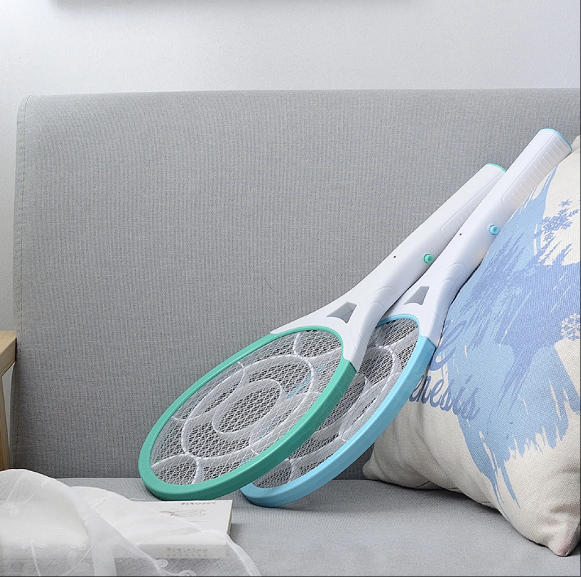
If you’re struggling with annoying mosquitoes, flies, and other flying pests indoors and outdoors, upgrading from traditional manual tools to anElectric Mosquito Swatter is the most efficient solution. Many homeowners and renters search where to buy fly swatter online to find durable, safe, and high-performance electric models that deliver instant pest control.
Where to Buy Fly Swatter
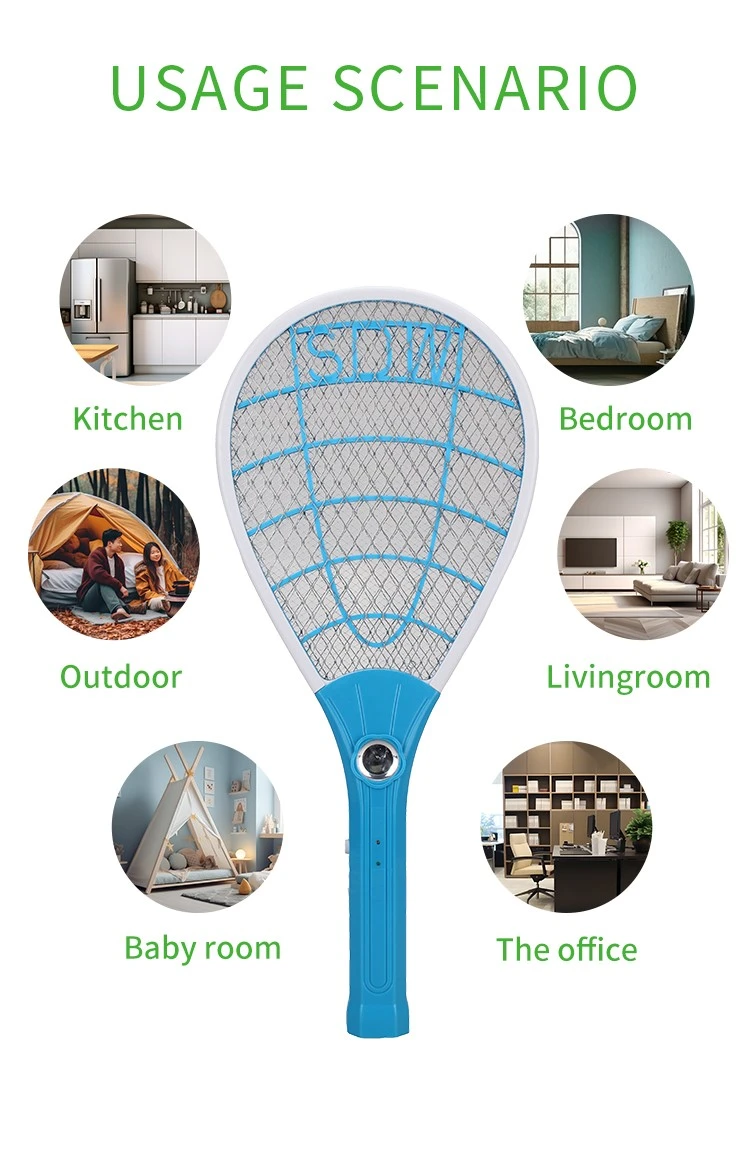
Most importers of electric mosquito swatters obsess over the first order: samples requested, factories vetted, a pre-shipment inspection booked. Then the reorder arrives eight months later and something is off. The grid feels softer. The charge port is a slightly different shade of black. The carton thickness dropped from 350 gsm to 300 gsm. Nothing is catastrophic — but the product no longer matches what your retail customers approved, and quietly, your return rate starts climbing.
How to Keep Mosquito Swatter Quality Consistent Across Repeat Orders
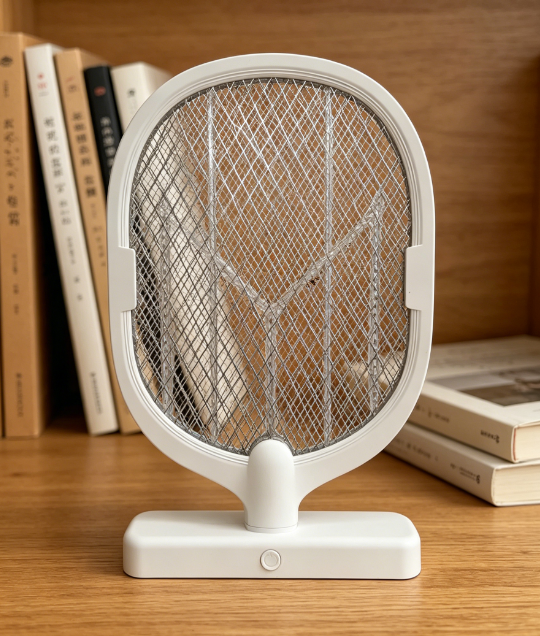
Warranty returns are the silent margin killer in the mosquito control category. A distributor who buys a swatter at $1.80 FOB and retails it at $9.90 can absorb a 1% return rate without noticing — but at 5%, the combined cost of replacement units, reverse logistics, and refund processing erases most of the line's profit.
Common mosquito swatter killer lamp failure modes wholesale spec guide
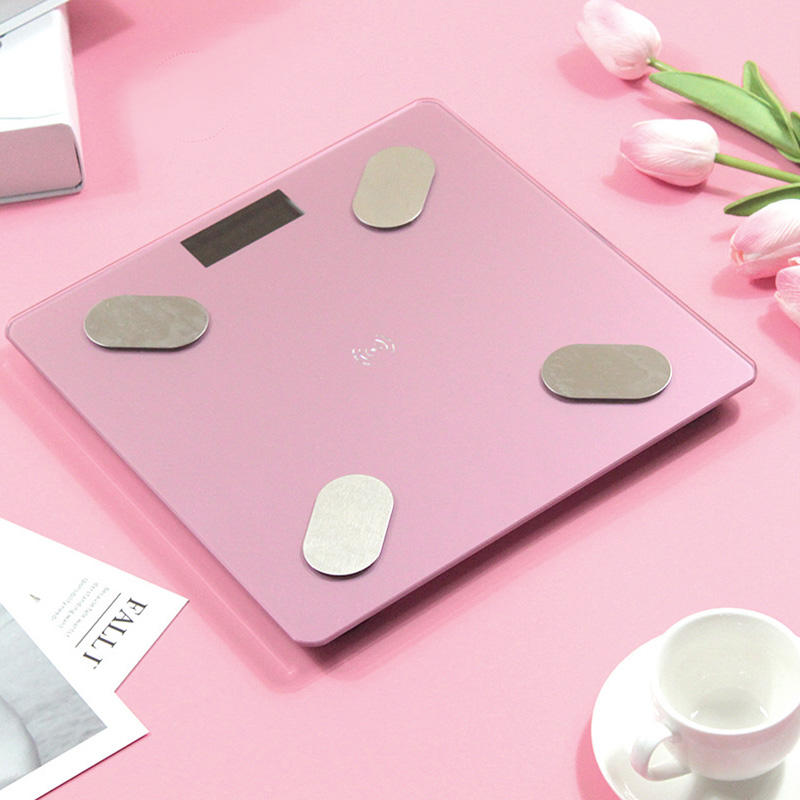
Digital bathroom scales rank as the second-highest-volume consumer weighing product category, only behind kitchen scales, with distinct market and product characteristics that set them apart from other scale types in importers’ product portfolios.
Digital bathroom body fat-bia-scale wholesale buyers guide