
Can Mosquito Lamps Be Charged with Fast Chargers
2026-07-01
Can Mosquito Lamps Be Charged with Fast Chargers? Avoid Charging Mistakes with This Guide
Mosquito lamps, a household essential for summer, have evolved from traditional plug-in models to rechargeable portable versions that can be powered by power banks and car chargers for use anytime, anywhere. Many people wonder: Can phone fast chargers and fast charging cables be used to charge mosquito lamps? Will fast charging burn out the device or shorten its battery life? This article will fully clarify the compatibility between mosquito lamps and fast charging, helping you avoid common charging mistakes and use the device safely.
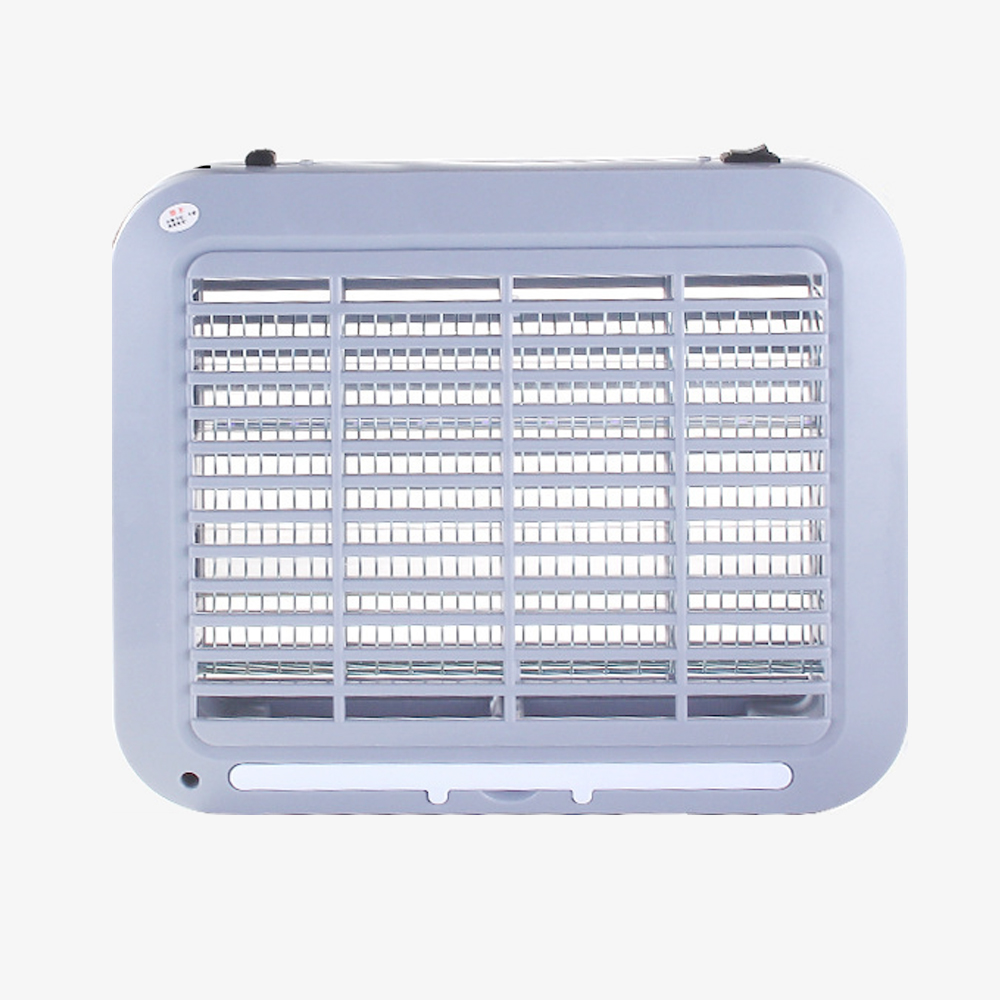
1. Most Ordinary Mosquito Lamps Are Not Recommended for Fast Charging
The vast majority of household rechargeable mosquito lamps are factory-designed only for standard 5V slow charging and are incompatible with high-voltage fast charging protocols such as PD and QC. In short, using a phone fast charger to power your mosquito lamp randomly poses potential safety hazards and is not advisable.
Only a small number of new high-end portable mosquito lamps launched in 2026 with official labels of "fast charging supported" and "PD/QC compatible" can be safely charged via fast charging. For ordinary old and budget portable mosquito lamps, standard 5V charging devices are always the preferred choice.
Many users mistakenly believe that "all chargers are universal and work as long as they are plugged in". However, they ignore the circuit design differences between mosquito lamps and smartphones, which is the core cause of mosquito lamp battery bulging, damage and reduced battery life.
2. Why Ordinary Mosquito Lamps Cannot Use Fast Chargers? Core Principles Explained
2.1 No Built-in Fast Charging Step-Down Adaptation Circuit
Smartphones, tablets and other digital devices are equipped with sophisticated built-in circuits for fast charging identification, voltage reduction and stabilization, which can automatically adapt to 5V, 9V, 12V and other fast charging voltages and precisely adjust charging current. In contrast, ordinary rechargeable mosquito lamps feature a simple structure and cost-effective design, with only basic charging protection modules. They only support a constant 5V input voltage and cannot recognize or adapt to high-voltage fast charging gears.
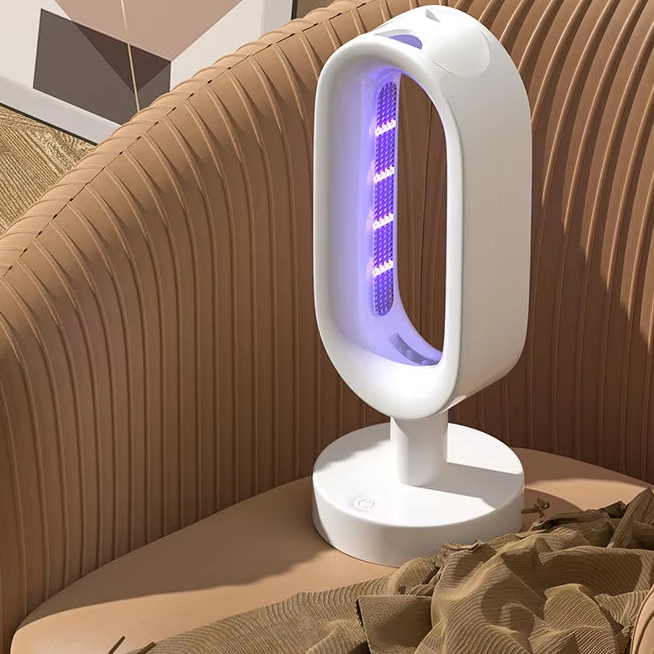
2.2 High Voltage from Fast Chargers Damages Mosquito Lamp Batteries and Circuits
Mainstream phone fast chargers adjust voltage automatically according to device protocols. When connected to slow-charging devices, most fast chargers will fall back to the standard 5V mode, but the output is not completely stable at all times. Some high-power fast chargers have poor compatibility and may generate instantaneous high voltage and current when connected to mosquito lamps without fast charging protocols.
Mosquito lamps adopt fragile 18650 lithium batteries and miniature circuit boards that cannot withstand unstable current and voltage. Long-term irregular fast charging will cause battery overheating, bulging and capacity attenuation. In mild cases, the mosquito lamp’s battery life is greatly shortened; in severe cases, the circuit board is burned out, leading to device scrapping, and even potential safety risks such as short circuits and overheating.
2.3 Overload Charging Triggers Protection and Charging Failure
When some mosquito lamps are connected to fast chargers, they may experience flickering charging indicators, frequent power cuts and incomplete charging. This is the activation of the device’s overvoltage protection mechanism, a normal protective response that indicates incompatibility with fast charging.
3. Which Mosquito Lamps Support Fast Charging? 2 Key Marks to Identify
Not all mosquito lamps are incompatible with fast charging. New portable models are gradually equipped with fast charging functions to meet outdoor quick power supplement demands. You can use fast chargers safely by checking the official product labels.
First, devices clearly marked with PD/QC fast charging support and fast charger compatibility on the body, manual or product details page. These mosquito lamps are built with dedicated fast charging adaptation circuits, enabling stable high-voltage fast charging and full power in about 3 hours for longer battery life.
Second, models labeled 5V/2A fast charging compatible can be charged with standard 5V2A chargers. This type of low-power fast charging involves no high-voltage risks, unlike 9V or 12V high-voltage fast charging, ensuring safe use.
If there is no fast charging-related mark on the product, always treat it as a slow-charging device and avoid using high-power fast chargers blindly.
4. Correct Charging Methods for Longer Mosquito Lamp Lifespan
4.1 Use the Original Charging Cable Priority
Original charging cables perfectly match the current and resistance parameters of mosquito lamps, making them the safest option. Avoid using damaged, aging or inferior data cables to prevent poor contact and unstable current that may damage the device.
4.2 Use Standard 5V Charging Devices
5V/1A or 5V/2A standard chargers, computer USB ports and ordinary power banks deliver stable voltage and current, fully meeting the power needs of mosquito lamps without burdening the battery and circuits.
4.3 Avoid Long-Term Use While Charging
Although most mosquito lamps support working while charging, long-term simultaneous use and charging will cause continuous heat accumulation from both operation and power supply, accelerating battery aging. It is recommended to disconnect the power after full charging before use.
4.4 Unplug the Power Once Fully Charged
Ordinary mosquito lamps have no intelligent power-off protection. Long-term overcharging will cause battery overheating and capacity loss. Timely power disconnection after full charging effectively extends the service life of the device.
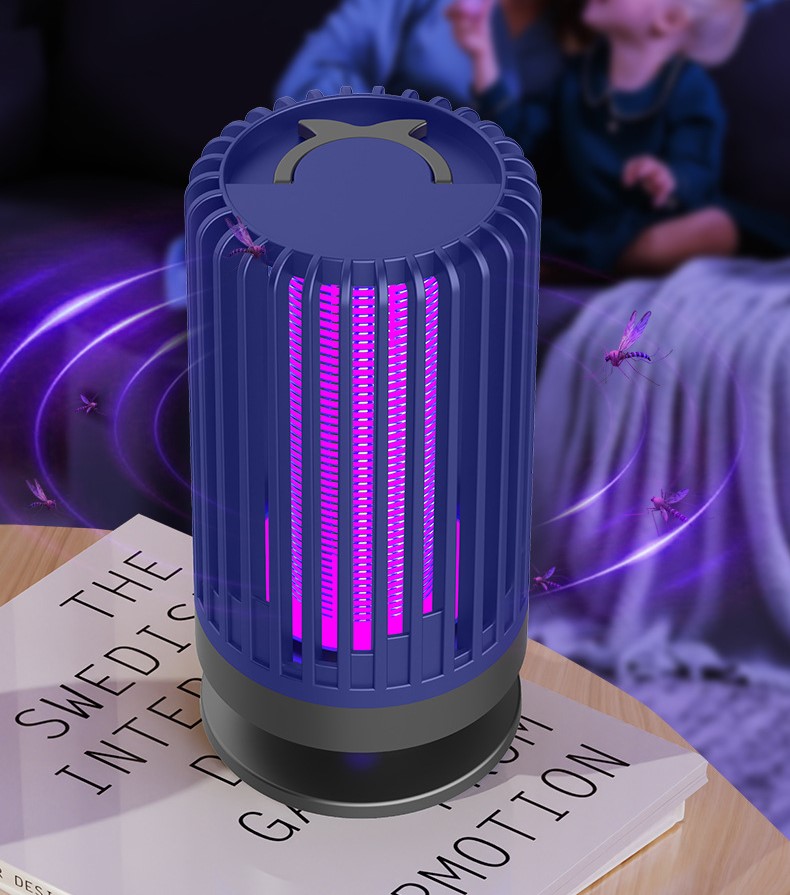
5. Answers to Common Charging Questions
Q1: If a fast charger can charge the mosquito lamp normally, can I use it long-term?
No. Normal charging only means the fast charger temporarily falls back to 5V output, which is accidental compatibility rather than stable adaptation. Long-term use will cause implicit damage, gradually leading to poor battery life and battery bulging, so it is not recommended.
Q2: Can I use a fast charging cable with a standard charger?
Absolutely yes. Charging speed and voltage are determined by the charger, while the fast charging cable only acts as a transmission carrier. Using a fast cable with a standard 5V charger generates no high fast-charging voltage and is completely safe.
Q3: Do fixed plug-in mosquito lamps need to consider fast charging compatibility?
No. Plug-in mosquito lamps have no built-in lithium batteries and are directly adapted to household 220V mains power without USB charging, so there is no fast charging compatibility issue for normal use.
Conclusion
The feasibility of fast charging for mosquito lamps depends entirely on official adaptation marks. For ordinary household mosquito lamps without fast charging labels, never use high-voltage fast chargers and stick to standard 5V slow charging. New models with official fast charging certification can safely support matched fast charging devices. Following standard charging methods avoids device damage and potential safety hazards, while keeping your mosquito lamp battery durable for the whole summer.
Are Mosquitoes Poisonous
How to determine whether the double protective net of an electric mosquito swatter is qualified
Related Article

If you’re struggling with annoying mosquitoes, flies, and other flying pests indoors and outdoors, upgrading from traditional manual tools to anElectric Mosquito Swatter is the most efficient solution. Many homeowners and renters search where to buy fly swatter online to find durable, safe, and high-performance electric models that deliver instant pest control.
Where to Buy Fly Swatter
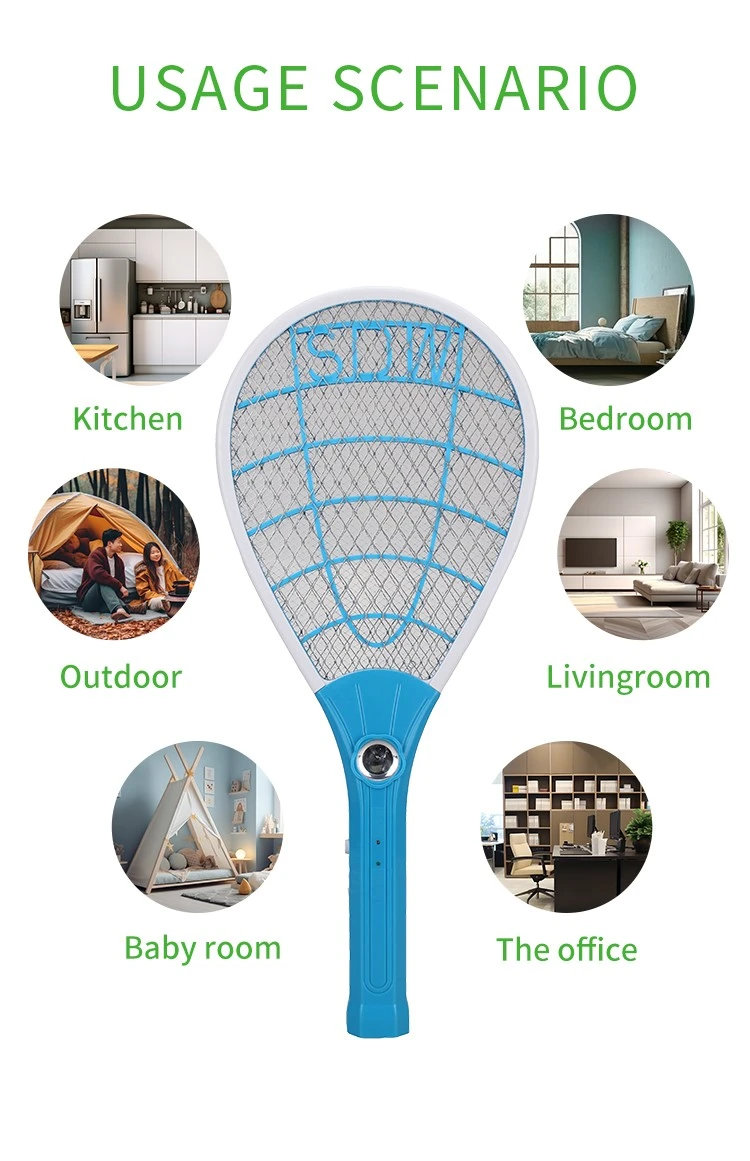
Most importers of electric mosquito swatters obsess over the first order: samples requested, factories vetted, a pre-shipment inspection booked. Then the reorder arrives eight months later and something is off. The grid feels softer. The charge port is a slightly different shade of black. The carton thickness dropped from 350 gsm to 300 gsm. Nothing is catastrophic — but the product no longer matches what your retail customers approved, and quietly, your return rate starts climbing.
How to Keep Mosquito Swatter Quality Consistent Across Repeat Orders
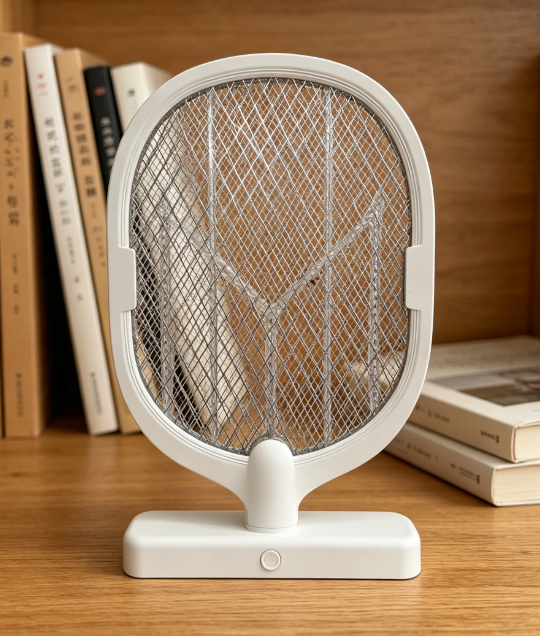
Warranty returns are the silent margin killer in the mosquito control category. A distributor who buys a swatter at $1.80 FOB and retails it at $9.90 can absorb a 1% return rate without noticing — but at 5%, the combined cost of replacement units, reverse logistics, and refund processing erases most of the line's profit.
Common mosquito swatter killer lamp failure modes wholesale spec guide

Digital bathroom scales rank as the second-highest-volume consumer weighing product category, only behind kitchen scales, with distinct market and product characteristics that set them apart from other scale types in importers’ product portfolios.
Digital bathroom body fat-bia-scale wholesale buyers guide