
Can Mosquito Swatters Be Shipped Abroad
2025-12-30
Can Mosquito Swatters Be Shipped Abroad? Complete Guide to Shipping Process + Cost Details
Many overseas Chinese and international students want to ship mosquito swatters from China to abroad, but they always wonder "whether it can be shipped", "how to ship it in compliance" and "how much it will cost". In fact, as long as you find the right method and make proper compliance preparations, mosquito swatters can be smoothly delivered across borders. This guide will clarify these core issues today to help you avoid shipping pitfalls!
First, let's put your mind at ease: Mosquito swatters can be shipped abroad! However, it should be noted that mosquito swatters are small electrical appliances, and some rechargeable battery-powered models are also classified as sensitive goods. They cannot be shipped casually as ordinary parcels and must be sent through compliant channels and meet the access requirements of the destination country. Next, let's break down the detailed shipping process step by step—each step is crucial, so don't be lazy!
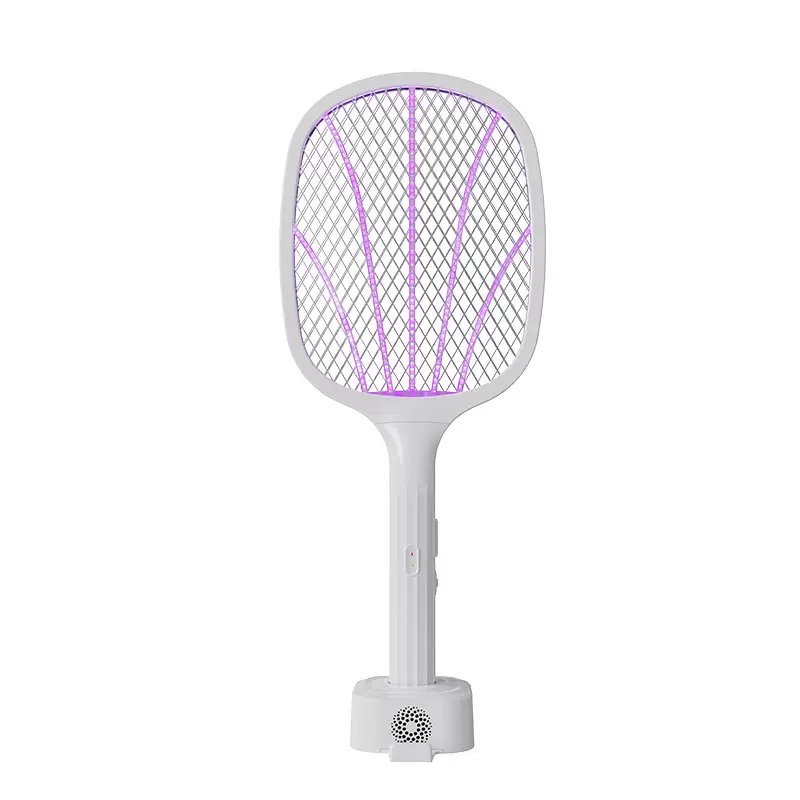
I. Complete International Shipping Process for Mosquito Swatters: 4 Steps to Get It Done, Compliance Is Key
Step 1: Clarify the Nature of the Goods and Prepare Compliance Certifications
First, distinguish whether your mosquito swatter is a "regular battery-free model" or a "rechargeable battery-powered model"—battery-free models are general goods with fewer shipping restrictions; battery-powered models are sensitive goods that require additional battery safety certificates (such as UN38.3 certification). More importantly, different countries have mandatory certification requirements for electrical appliances; without these certificates, customs clearance may be refused:
-
EU: Must have CE certification (covering Low Voltage Directive LVD and Electromagnetic Compatibility Directive EMC) + RoHS environmental protection certification, otherwise it will be detained by customs;
-
United States: FCC certification is required to ensure electromagnetic compatibility; to improve customs clearance rate, additional UL safety certification (non-mandatory but highly recognized) can be prepared;
-
Japan: PSE certification is required, which is a mandatory threshold for electrical products to enter Japan;
-
Other regions: Saudi Arabia in the Middle East requires SASO certification, India requires BIS certification, Australia requires RCM certification—check the requirements of the destination country in advance.
For personal shipping of a small number of mosquito swatters for personal use, you can prepare photos of the certification marks on the original product packaging; for bulk shipping, complete certification documents must be applied for in advance.
Step 2: Choose the Right Logistics Channel for More Convenient Service That Matches Your Needs
Most ordinary courier outlets do not undertake international transportation of battery-powered electrical appliances. It is recommended to choose channels with qualifications for transporting sensitive goods, which are mainly divided into three categories—choose according to your needs:
-
Commercial Couriers (DHL, UPS, FedEx): Suitable for urgent needs with a time limit of 3-5 days, high customs clearance efficiency, and capable of transporting battery-powered mosquito swatters. However, the price is relatively high, making it suitable for high-value or urgent situations;
-
Postal Courier (EMS): Strong customs clearance capability, high tolerance for sensitive goods, no fuel surcharge, moderate price, and time limit of 7-15 days. Suitable for personal use of small mosquito swatters, especially when shipping to remote areas;
-
Special Line Logistics (China-US special line, China-EU special line, etc.): The first choice for cost-effectiveness, with strong targeting, capable of handling sensitive goods, and a time limit between commercial couriers and postal couriers. Suitable for bulk shipping or individuals pursuing cost-effectiveness.
Tip: Individuals directly contacting official couriers (such as DHL official) may not accept battery-powered mosquito swatters. It is easier to succeed by finding a formal freight forwarder agent, and you can also get price discounts.
Step 3: Standardize Packaging + Truthful Declaration to Avoid Customs Clearance Risks
The core of packaging is to prevent damage and short circuits: Wrap the metal mesh surface and handle of battery-free mosquito swatters with bubble wrap, put them into a hard carton, and fill the gaps with foam; for battery-powered models, there is no need to remove the battery—wrap the battery part separately with an insulating bag to avoid short circuits during transportation. Clearly mark the sender's and recipient's information (English name, address, phone number, postcode) on the outer box, and attach a "battery-powered goods" label for sensitive goods.
Don't be careless in the declaration process: The declared product name should be "electric mosquito swatter"—do not use vague terms such as "accessories" or "miscellaneous goods"; truthfully fill in the declared value (it is recommended to write less than 50 US dollars for personal use to reduce the probability of customs duties), and the quantity and amount must be consistent with the actual goods to avoid under-declaration for tax evasion or over-declaration leading to excessive customs duties. Required documents include a commercial invoice (listing product name, quantity, unit price, total goods value) and product manual; additional quality inspection reports are required for bulk shipping.
Step 4: Track Logistics + Cooperate with Customs Clearance, and Wait for Delivery
After the goods are shipped, use the tracking number on the waybill to track in real time on the courier company's official website or a third-party platform (such as 17TRACK), focusing on key nodes such as "arrival at the destination country" and "customs clearance completed". If customs requires supplementary certification documents, submit the prepared certificate photos in a timely manner; customs duties are generally paid by the recipient, or you can agree with the courier company in advance on "duty prepaid" (borne by the sender). It is recommended to inspect the goods in person upon receipt to check if the mosquito swatter is damaged. If there is a problem, take photos on the spot to obtain evidence and contact the courier company for compensation.
II. International Shipping Costs for Mosquito Swatters: How to Calculate Clearly to Avoid Hidden Costs
International shipping costs are not fixed; they are mainly affected by "charged weight, shipping channel, destination, and additional services". Below, we break down the calculation logic and reference prices to help you have a clear idea:
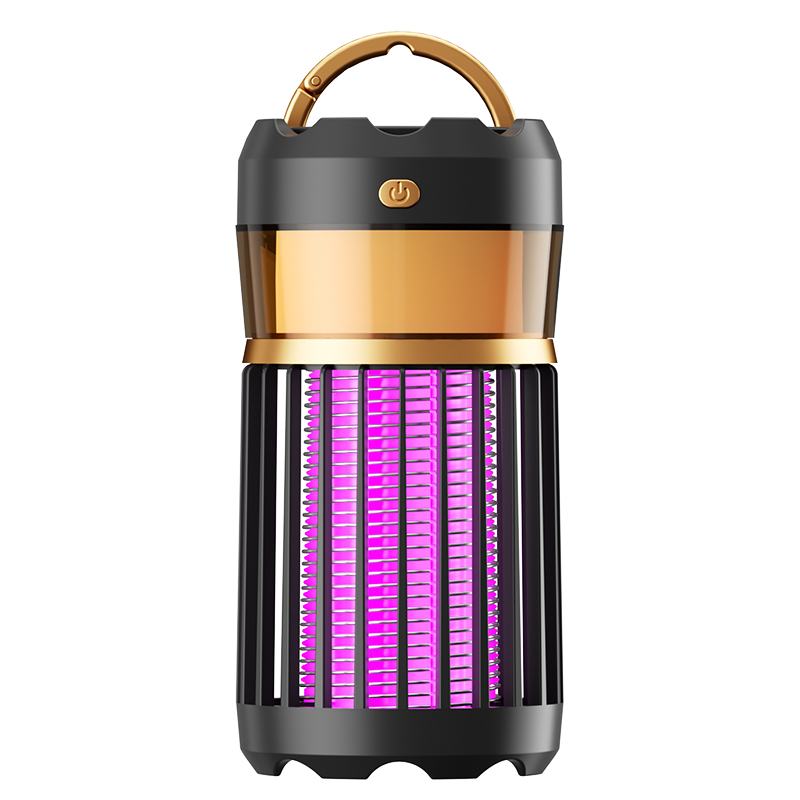
1. Core Pricing Rule: Take the Larger Value Between "Actual Weight" and "Dimensional Weight"
All international couriers calculate "dimensional weight" to avoid low-weight, bulky goods occupying space but being charged less: Dimensional weight (kg) = Length (cm) × Width (cm) × Height (cm) ÷ 5000 (universal for commercial couriers such as DHL and UPS); EMS is special, only charging by actual weight, which is more friendly to low-weight, bulky goods.
Example: A mosquito swatter has a packaged size of 30×20×15cm and an actual weight of 1kg. Dimensional weight = 30×20×15÷5000 = 1.8kg, and the final charge is based on 1.8kg.
2. Cost Composition: Basic Shipping Fee + Surcharges
-
Basic Shipping Fee: Charged in segments according to charged weight. For goods under 21kg, it is calculated as "first weight + additional weight" (first weight 0.5kg, additional weight accumulated per 0.5kg); for goods over 21kg, it is calculated at the unit price per kilogram (the larger the batch, the cheaper the price);
-
Surcharges: Common ones include fuel surcharge (collected by commercial couriers, adjusted monthly at 8%-15% of the basic shipping fee), remote area surcharge (30-80 yuan per shipment), battery-powered goods surcharge (50-100 yuan per shipment), and additional fees are also required for value-added services (such as insurance, door-to-door pickup).
3. Reference Prices (Taking 1kg Mosquito Swatter Shipped to the US as an Example)
-
DHL: First weight 0.5kg is about 120 yuan, additional weight per 0.5kg is about 40 yuan, total basic shipping fee for 1kg ≈ 160 yuan, and about 173 yuan after adding 8% fuel surcharge; additional 30-80 yuan for remote areas;
-
EMS: Charged by actual weight of 1kg, basic shipping fee is about 120 yuan, no fuel surcharge, and no additional fees for remote areas;
-
China-US Special Line: More cost-effective, total cost for 1kg is about 80-100 yuan, time limit 7-10 days.
Tip: Shipping to farther regions such as Europe and Australia will cost 20%-30% more than shipping to the US; battery-powered models are 50-100 yuan per shipment more expensive than battery-free models (sensitive goods channel fee).
3. Cost-Saving Tips
① Compress packaging volume to reduce dimensional weight; ② Choose special line or EMS for non-urgent needs to avoid high shipping fees of commercial couriers; ③ Check in advance whether the destination is a remote area, and ask the recipient to pick up the goods in person to avoid remote area surcharges; ④ For personal small-quantity shipping, share a shipment with other small items to reduce the unit weight shipping fee.
III. Final Summary: Shipping Mosquito Swatters Is Not Difficult, Focus on 3 Key Points
1. Compliance First: Confirm the certification requirements of the destination country and prepare relevant certificates or marks; 2. Choose the Right Channel: Prioritize EMS or special line for personal use, and commercial courier for urgent items; 3. Truthful Declaration + Standardized Packaging: Avoid customs clearance delays and goods damage.
As long as you do these three things well, the mosquito swatter can be smoothly delivered across the ocean. If you are shipping in bulk or to special countries (such as the Middle East and India), it is recommended to confirm the detailed requirements with a freight forwarder in advance to avoid pitfalls~ Do you have any other shipping questions? Welcome to leave a message in the comment area!
Which way is More Cost-Effective to buy an Mosquito Killer Lamps
Can Electric Mosquito Swatters Be Shipped via Courier
Related Article

If you’re struggling with annoying mosquitoes, flies, and other flying pests indoors and outdoors, upgrading from traditional manual tools to anElectric Mosquito Swatter is the most efficient solution. Many homeowners and renters search where to buy fly swatter online to find durable, safe, and high-performance electric models that deliver instant pest control.
Where to Buy Fly Swatter
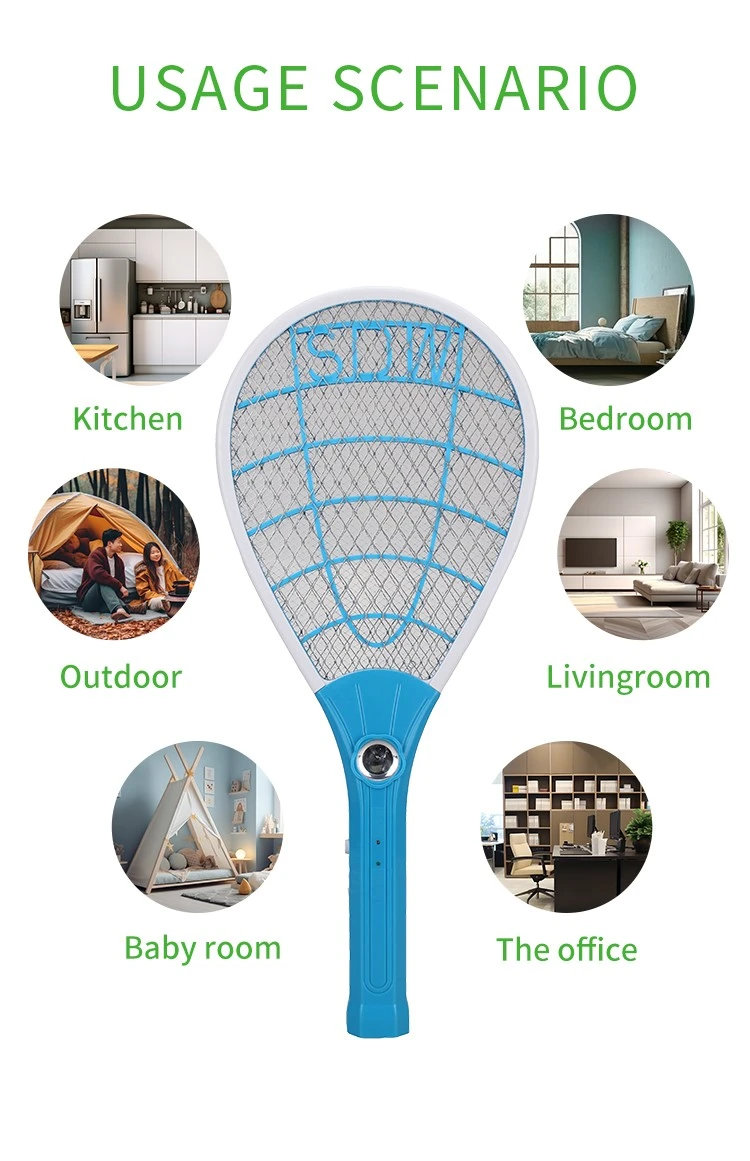
Most importers of electric mosquito swatters obsess over the first order: samples requested, factories vetted, a pre-shipment inspection booked. Then the reorder arrives eight months later and something is off. The grid feels softer. The charge port is a slightly different shade of black. The carton thickness dropped from 350 gsm to 300 gsm. Nothing is catastrophic — but the product no longer matches what your retail customers approved, and quietly, your return rate starts climbing.
How to Keep Mosquito Swatter Quality Consistent Across Repeat Orders
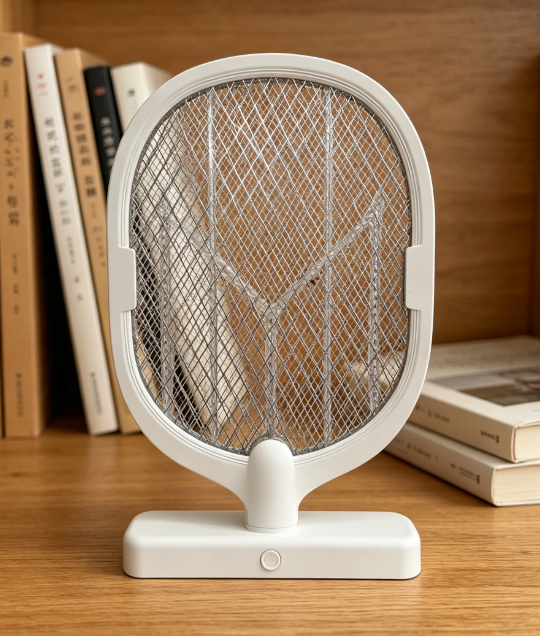
Warranty returns are the silent margin killer in the mosquito control category. A distributor who buys a swatter at $1.80 FOB and retails it at $9.90 can absorb a 1% return rate without noticing — but at 5%, the combined cost of replacement units, reverse logistics, and refund processing erases most of the line's profit.
Common mosquito swatter killer lamp failure modes wholesale spec guide

Digital bathroom scales rank as the second-highest-volume consumer weighing product category, only behind kitchen scales, with distinct market and product characteristics that set them apart from other scale types in importers’ product portfolios.
Digital bathroom body fat-bia-scale wholesale buyers guide