
Can Mosquito Swatters Be Taken on Planes
2025-11-07
Can Mosquito Swatters Be Taken on Planes? A Complete Guide to Rules for Different Types of Electric Mosquito Swatters
When traveling in summer, many people wonder about a practical question: Can electric mosquito swatters be taken on planes? After all, an electric mosquito swatter is a "savior" when dealing with mosquito troubles during a trip. However, there are strict standards for aviation safety, and whether an electric mosquito swatter can be carried depends primarily on its power supply method — both the type of built-in battery (if any) and whether it relies on an external power source directly determine its "admission qualification" in air transportation. Today, we will break down the carrying rules for different types of electric mosquito swatters in detail to help you avoid delays due to carrying issues during your trip.
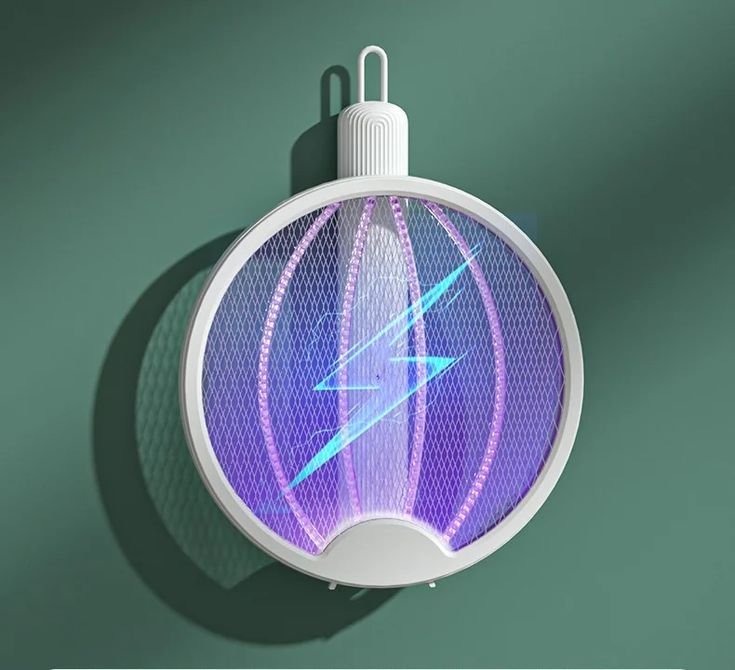
1. Electric Mosquito Swatters with Built-in Lead-Acid Batteries: Completely Prohibited, Neither Checked nor Carried Onboard
If your electric mosquito swatter uses a lead-acid battery, unfortunately, it is strictly prohibited whether you want to put it in checked luggage or carry it with you on the plane.
Why are lead-acid batteries "completely banned"? The key lies in their structural characteristics and safety risks. Lead-acid batteries contain sulfuric acid electrolyte inside, and their electrode structure is relatively complex. In the air transportation environment, if they are squeezed, collided, or short-circuited due to stacked luggage, they are likely to cause leakage, overheating, or even fire. More dangerously, the checked luggage compartment is a closed space; if a lead-acid battery catches fire, the fire spreads quickly and is difficult to extinguish, which may pose a serious threat to the safety of the entire flight. Out of absolute consideration for flight safety, the civil aviation authority clearly classifies electric mosquito swatters with built-in lead-acid batteries as "prohibited transport items". It is recommended that you handle them in advance before traveling and do not take any chances.
2. Electric Mosquito Swatters with Built-in Lithium Batteries: Determined by "Rated Energy", Only Allowed if Standards Are Met
Most electric mosquito swatters on the market now use lithium batteries. Such mosquito swatters are not "banned across the board"; instead, whether they can be carried depends on the rated energy of the battery, and they can only be carried onboard (not checked).
The specific rules are divided into two scenarios:
- Rated energy ≤ 100Wh: Such electric mosquito swatters can be directly carried onboard without prior application. Most small-sized electric mosquito swatters used in daily life have a battery rated energy within this range. For example, a common 5V/2000mAh battery converts to an energy of 10Wh (Energy = Voltage × Capacity; note that the capacity unit needs to be converted to Ah, where 1mAh = 0.001Ah), which fully meets the standards.
- 100Wh < Rated energy ≤ 160Wh (inclusive): Prior approval from the airline is required before carrying such electric mosquito swatters, and each person can carry a maximum of 2 batteries (note: this refers to the number of batteries, not the number of mosquito swatters). However, it should be noted that most household electric mosquito swatters do not use batteries with such a high energy capacity. Only a few industrial-grade or special-purpose electric mosquito swatters with high power and long battery life may fall into this category. If you are carrying such a product, be sure to contact the airline in advance to confirm to avoid being detained at the airport.
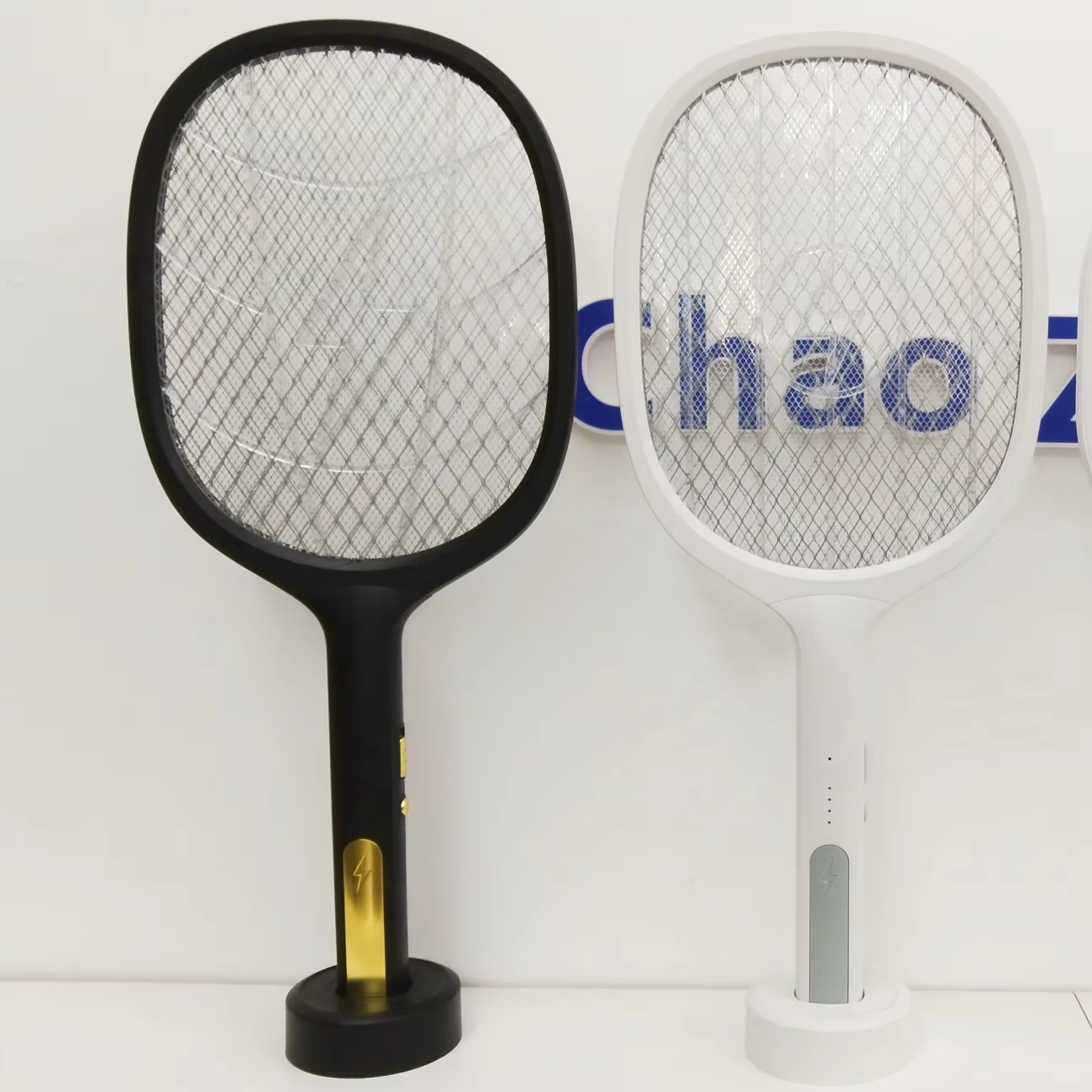
3. Electric Mosquito Swatters Powered by Dry Batteries: The "Most Worry-Free", Can Be Carried Onboard or Checked
If your electric mosquito swatter is powered by dry batteries (such as AA or AAA batteries), it is very convenient to carry — usually, it can be either carried onboard or checked.
Dry batteries are relatively safe. As long as you ensure the batteries are installed securely and will not fall out or short-circuit (for example, check that the battery compartment is fastened tightly before traveling, or store the batteries separately in a sealed box to avoid contact with metal objects such as keys and coins), you will not violate aviation regulations. However, it is recommended to prioritize carrying them onboard. On the one hand, this prevents the batteries from loosening due to turbulence in checked luggage; on the other hand, you can take them out for use at any time to deal with mosquito problems during the trip.
4. Plug-in Electric Mosquito Swatters: No Battery, More Flexible, Can Be Carried Onboard or Checked
In addition to the above battery-powered mosquito swatters, there is also a "battery-free model" — the plug-in electric mosquito swatter. This type of mosquito swatter contains no batteries inside and needs to be connected to a power socket to work. Its carrying restrictions are the most lenient, and it is usually allowed to be either carried onboard or checked.
The reason why plug-in electric mosquito swatters are not subject to strict restrictions is that they have no energy storage components, so there are no safety risks such as battery short-circuiting, fire, or leakage, which fully complies with the requirements of air transportation for "items with no potential hazards". However, there are still small details to note when carrying them: First, organize the power cord of the mosquito swatter to avoid tangling with other luggage or being damaged by squeezing during check-in. Second, if the mosquito swatter has a plug, it is recommended to wrap the plug in an insulating bag to prevent the metal pins of the plug from coming into contact with other metal objects (though there is no safety risk, this can reduce wear and tear). For those who are used to using electric mosquito swatters in fixed places such as hotels, this type of product is an ideal choice for travel, as there is no need to worry about carrying restrictions related to batteries.
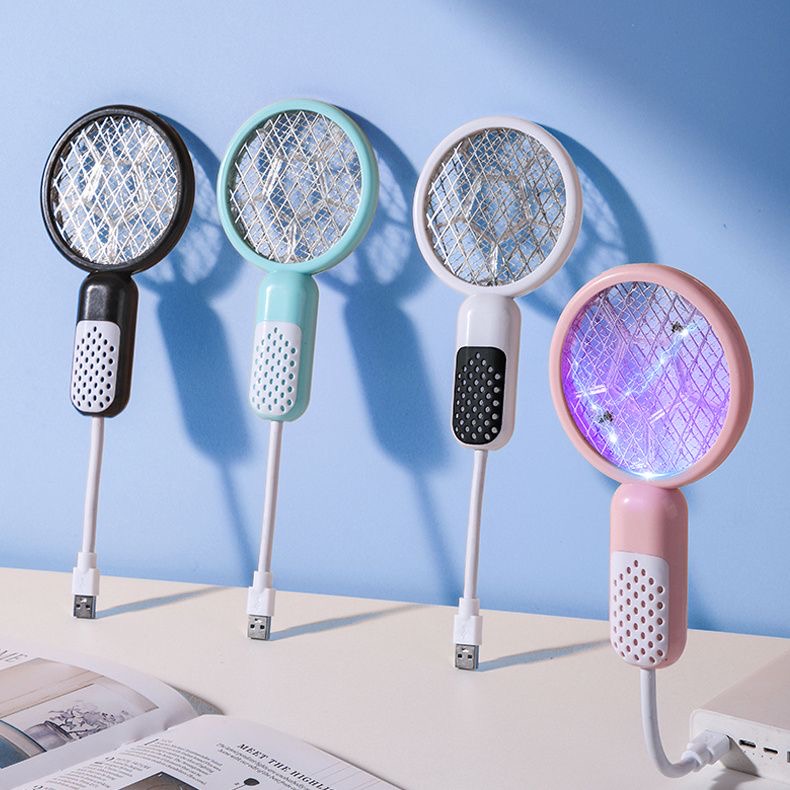
Summary: Match the "Power Supply Method" to the Rules, and Prepare in Advance
Finally, let's summarize the key points: If you want to take an electric mosquito swatter on a plane, first check its power supply method — Lead-acid batteries: completely prohibited; Lithium batteries: check the energy (≤100Wh: carry onboard; 100-160Wh: needs approval, neither can be checked); Dry batteries: flexible (can be carried onboard or checked); Plug-in type: no restrictions (no battery, can be carried onboard or checked).
Before traveling, it is recommended that you first confirm the power supply type of the electric mosquito swatter: If it is a lithium battery model, check the rated energy marked in the product manual; if it is a plug-in or dry battery model, you only need to do basic storage. If you are unsure about the details, you can contact the brand customer service or the airline for consultation to avoid accidents at the airport. After all, clarifying the rules in advance can make your trip smoother, and safe travel is the first step to a smooth journey!
Aofengming Electric Donates Nearly 400 Electric Mosquito Swatters
What Draws Mosquitoes to Mosquito Traps
Related Article

If you’re struggling with annoying mosquitoes, flies, and other flying pests indoors and outdoors, upgrading from traditional manual tools to anElectric Mosquito Swatter is the most efficient solution. Many homeowners and renters search where to buy fly swatter online to find durable, safe, and high-performance electric models that deliver instant pest control.
Where to Buy Fly Swatter
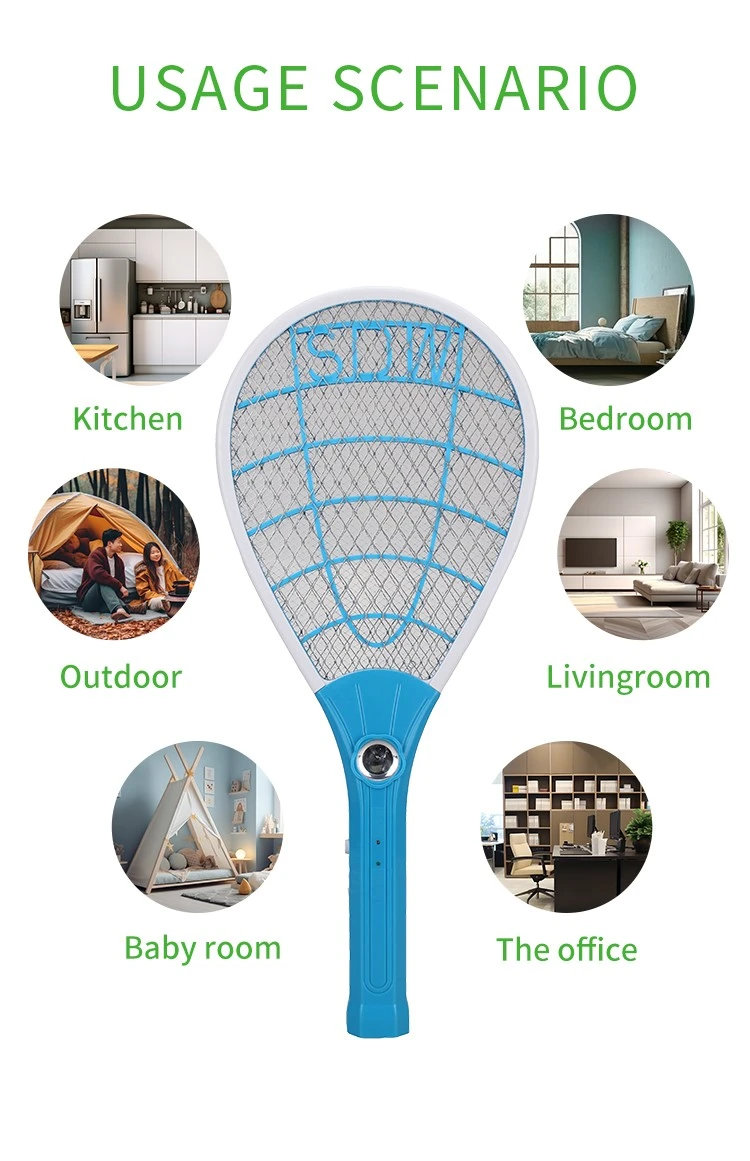
Most importers of electric mosquito swatters obsess over the first order: samples requested, factories vetted, a pre-shipment inspection booked. Then the reorder arrives eight months later and something is off. The grid feels softer. The charge port is a slightly different shade of black. The carton thickness dropped from 350 gsm to 300 gsm. Nothing is catastrophic — but the product no longer matches what your retail customers approved, and quietly, your return rate starts climbing.
How to Keep Mosquito Swatter Quality Consistent Across Repeat Orders
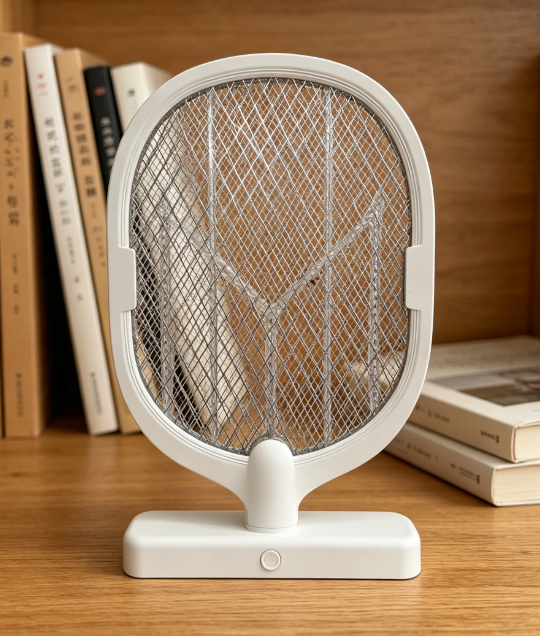
Warranty returns are the silent margin killer in the mosquito control category. A distributor who buys a swatter at $1.80 FOB and retails it at $9.90 can absorb a 1% return rate without noticing — but at 5%, the combined cost of replacement units, reverse logistics, and refund processing erases most of the line's profit.
Common mosquito swatter killer lamp failure modes wholesale spec guide

Digital bathroom scales rank as the second-highest-volume consumer weighing product category, only behind kitchen scales, with distinct market and product characteristics that set them apart from other scale types in importers’ product portfolios.
Digital bathroom body fat-bia-scale wholesale buyers guide