
Can Students Bring Electric Mosquito Swatters to Dormitories
2025-08-31
Can Students Bring Electric Mosquito Swatters to Dormitories? Key Points Explained
As summer arrives, mosquito bites become a major nuisance in student dormitories. With the new school year starting on September 1st, many students are about to return to campus housing and may be wondering, "Can I bring an electric mosquito swatter to the dorm?" After all, school regulations on dormitory electrical appliances vary widely, and it’s easy to violate the rules if you’re not careful. Today, we’ll break down the key points around the core question "Can students bring electric mosquito swatters to dormitories?" to help you clarify your doubts.
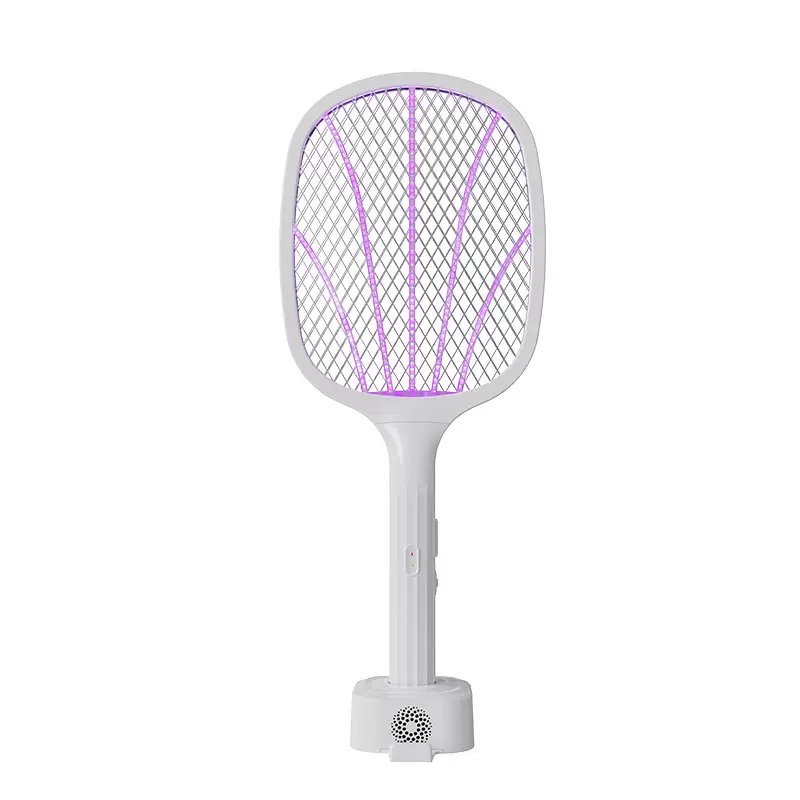
I. Core Question First: Is an Electric Mosquito Swatter Considered a "Prohibited Appliance"?
To determine whether you can bring an electric mosquito swatter to the dorm, you first need to understand its nature. In terms of working principle, ordinary electric mosquito swatters are powered by dry batteries or rechargeable lithium batteries, using instantaneous high voltage to kill mosquitoes. Their power usually ranges from 1W to 5W, which is far below the common "prohibited appliance threshold" for dormitories (most schools set a safe limit below 800W, while some stricter schools cap it at 500W).
However, this doesn’t mean "all schools allow it" — the key lies in the specific regulations of your school:
- Lenient schools: Only prohibit high-power appliances (such as electric cookers and space heaters) and have no explicit restrictions on low-power items like electric mosquito swatters or small desk lamps. Students can bring and use them normally.
- Strict schools: Will list a "list of prohibited appliances". If the list includes "electric shock devices" or "rechargeable mosquito-killing equipment", electric mosquito swatters may be classified as prohibited items.
- Schools with ambiguous rules: Do not explicitly mention electric mosquito swatters. In this case, you need to refer to the "electrical appliance usage principles" (e.g., whether there are potential safety hazards, whether it has passed the dorm supervisor’s review). It is recommended to consult the dorm supervisor or counselor in advance.
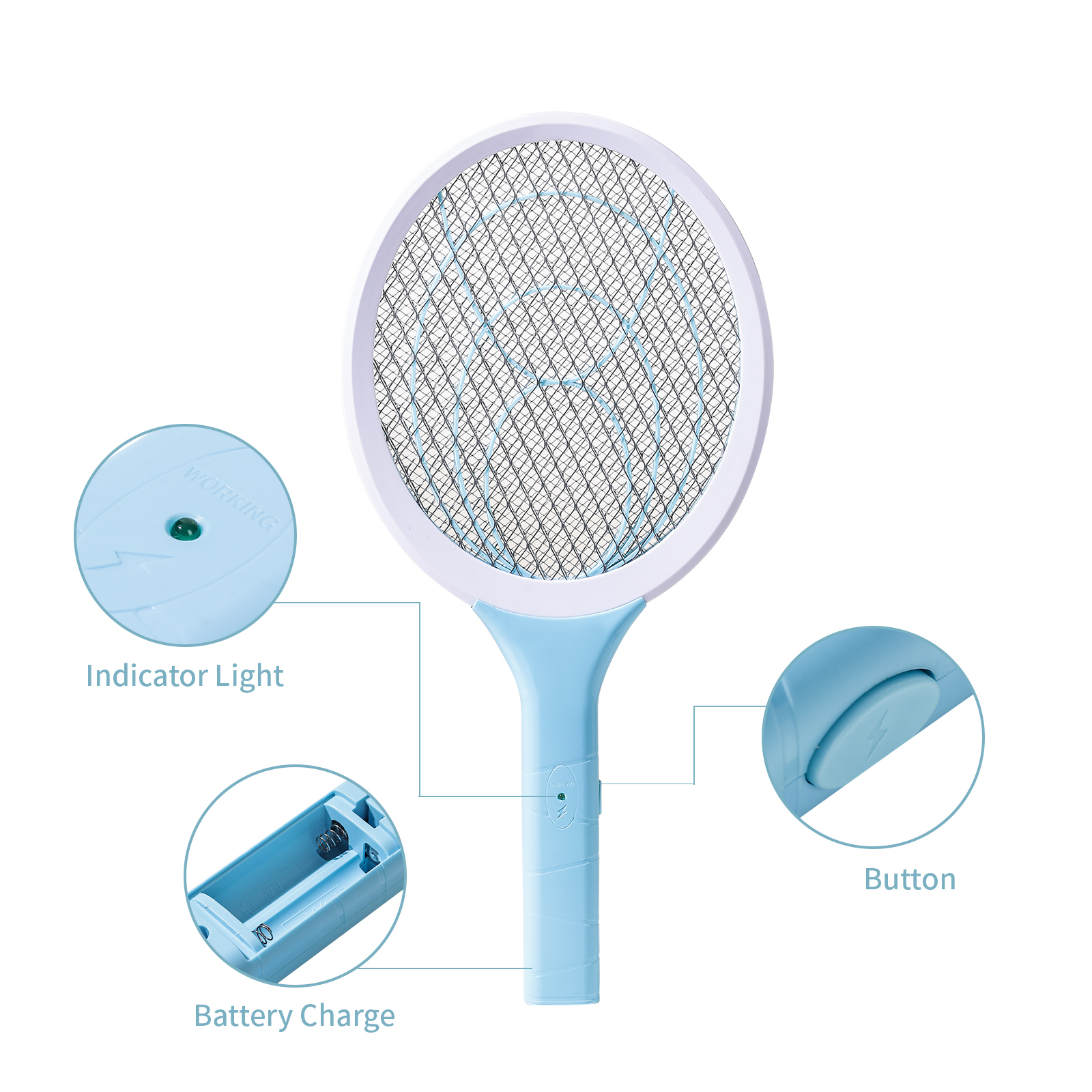
II. If Bringing Is Allowed, Don’t Forget These "Precautions"
Even if your school allows electric mosquito swatters, it doesn’t mean you can use them "casually". Dormitories have small spaces and dense populations, so you must pay attention to the following points when using them to avoid safety risks:
1. Choose Regular Products and Reject "Three-No" Electric Mosquito Swatters
When purchasing, look for the 3C certification mark. Check if the wires are damaged, the switch is sensitive, and the battery has any leakage risk. Poor-quality electric mosquito swatters may have "high-voltage leakage" issues. If they come into contact with the human body or are near flammable items (such as curtains and books), they may cause electric shock or fire.
2. Keep Away from Bedding and Clothing When Charging
Rechargeable electric mosquito swatters generate heat during charging. Placing them on quilts or clothes may cause ignition due to heat accumulation. It is recommended to place the swatter in a corner of the desk when charging, with no flammable items around, and do not leave the dormitory while it is charging.
3. Avoid People and Valuable Items When Using
Pay attention to the positions of your roommates when waving the electric mosquito swatter to avoid accidental contact with others. At the same time, keep it away from electronic products such as mobile phones and computers to prevent damage from high-voltage electric shock.
4. Store Properly When Not in Use and Inspect Regularly
When not in use for a long time, remove the batteries (for dry battery models) or disconnect the power supply. Store it in a dry and well-ventilated drawer to prevent moisture damage. Inspect the swatter’s wires and outer casing once a week; if there is any damage, stop using it immediately.

III. If Electric Mosquito Swatters Are Prohibited, What Are the Alternative Mosquito-Killing Methods?
If your school explicitly prohibits electric mosquito swatters, don’t panic — these safe and compliant mosquito-killing methods are also effective:
- Physical Mosquito Prevention: Hang mosquito nets (choose dense-mesh ones to prevent mosquitoes from getting in), use mosquito repellent patches (mostly made of plant essential oils, non-irritating), and use mosquito traps (choose low-power USB models, which are allowed in some schools).
- Chemical Mosquito Prevention: Use compliant mosquito repellent sprays (avoid contact with eyes and nose; spray on clothes before going to bed) and solid mosquito coils (place them in a dedicated mosquito coil holder, keep away from bedding, and extinguish them before going to bed).
- Environmental Cleaning: Take out the trash regularly and clean up stagnant water in the dormitory (such as flower pot trays and mineral water bottles) to reduce mosquito breeding at the source. Mosquitoes like to lay eggs in humid environments, so keeping the dormitory dry and tidy can significantly reduce the number of mosquitoes.
Conclusion: Whether You Can Bring an Electric Mosquito Swatter to the Dorm — "Check the Rules First, Then Prioritize Safety"
Returning to the core question "Can students bring electric mosquito swatters to dormitories?" the answer is clear: there is no universal "yes" or "no". The key depends on your school’s regulations, combined with the principles of safe use.
It is recommended that students first check the Student Dormitory Management Regulations, or directly ask the dorm supervisor, "Can I use an electric mosquito swatter in the dorm?" — rather than secretly bringing a prohibited appliance and living in fear, it’s better to confirm the rules in advance and choose a safe and compliant mosquito-killing method. After all, dorm safety is always the top priority, and the premise of a comfortable summer is ensuring that both you and your roommates live in peace of mind.
Can Electric Fly Swatters Only Kill Mosquitoes
Can You Give a Mosquito Trap Lamp to Your Partner on Qixi Festival
Related Article

If you’re struggling with annoying mosquitoes, flies, and other flying pests indoors and outdoors, upgrading from traditional manual tools to anElectric Mosquito Swatter is the most efficient solution. Many homeowners and renters search where to buy fly swatter online to find durable, safe, and high-performance electric models that deliver instant pest control.
Where to Buy Fly Swatter
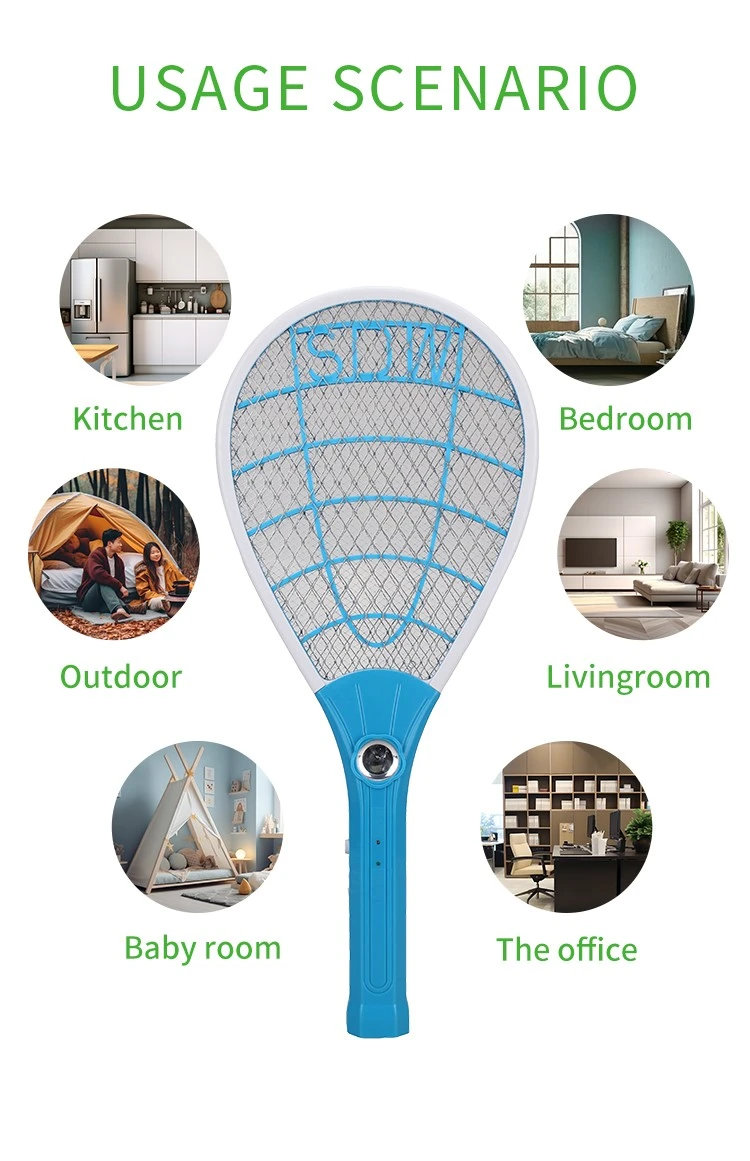
Most importers of electric mosquito swatters obsess over the first order: samples requested, factories vetted, a pre-shipment inspection booked. Then the reorder arrives eight months later and something is off. The grid feels softer. The charge port is a slightly different shade of black. The carton thickness dropped from 350 gsm to 300 gsm. Nothing is catastrophic — but the product no longer matches what your retail customers approved, and quietly, your return rate starts climbing.
How to Keep Mosquito Swatter Quality Consistent Across Repeat Orders
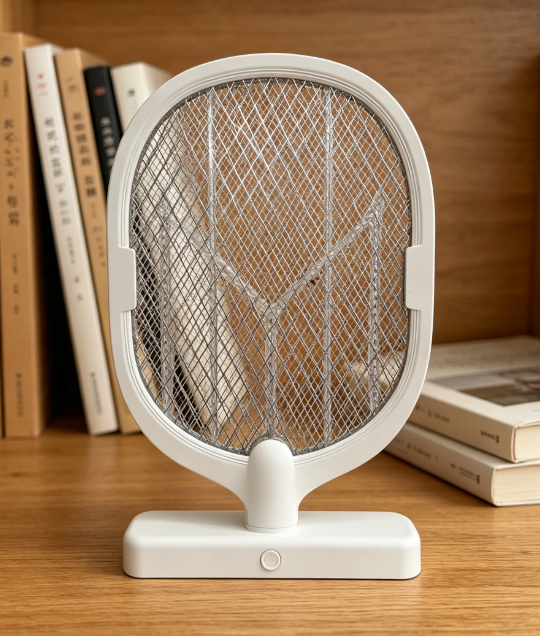
Warranty returns are the silent margin killer in the mosquito control category. A distributor who buys a swatter at $1.80 FOB and retails it at $9.90 can absorb a 1% return rate without noticing — but at 5%, the combined cost of replacement units, reverse logistics, and refund processing erases most of the line's profit.
Common mosquito swatter killer lamp failure modes wholesale spec guide

Digital bathroom scales rank as the second-highest-volume consumer weighing product category, only behind kitchen scales, with distinct market and product characteristics that set them apart from other scale types in importers’ product portfolios.
Digital bathroom body fat-bia-scale wholesale buyers guide