
Can Toothpaste Fix Scratches on Electric Mosquito Swatters
2026-06-15
Can Toothpaste Fix Scratches on Electric Mosquito Swatters? Truth and Practical Repair Methods
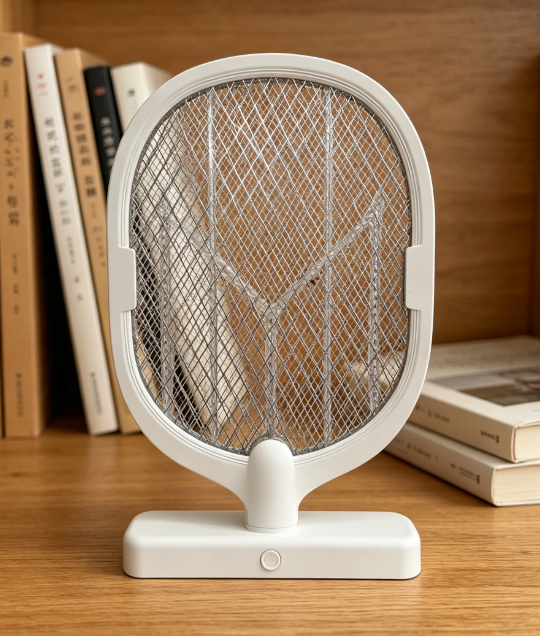
Electric mosquito swatters are essential summer gadgets. After prolonged use, they inevitably develop paint scratches and scuff marks. Whether caused by friction during placement, bumps against walls, or abrasion from sundries during storage, brand-new swatters soon become worn and unsightly. Many people have heard the popular household hack that “toothpaste fixes scratches” and try to use it to repair scuffs on their electric mosquito swatters.
But can toothpaste really fix all kinds of scratches on electric mosquito swatters? Does it work for every type of scuff? Will it damage the device? Based on practical experience, this article will give you a full breakdown, along with reliable repair methods and key mistakes to avoid.
1. Does Toothpaste Actually Work on Electric Mosquito Swatter Scratches?
Here is a straightforward answer: Toothpaste can fix minor surface scratches on electric mosquito swatters, but it is completely ineffective for deep scratches and peeling paint. It only works on specific parts, and improper use may damage your device.
The principle behind toothpaste’s scratch-repairing effect is simple. Regular toothpaste contains fine, mild abrasive particles. When rubbed repeatedly on scratched surfaces, these particles smooth out the raised edges of shallow paint scratches, reduce color difference and uneven textures, and blend the scuffed area with the surrounding paint. This makes scratches visually disappear, which is a common trick for repairing minor scratches on plastic and painted surfaces.
However, toothpaste has no filling or repainting effect—it only polishes surfaces. If your electric mosquito swatter has peeling paint, dents, deep cracks, or large-area scuffs, toothpaste cannot fill the damaged areas no matter how much you scrub. It can only create a slight brightening effect and cannot achieve genuine repair results.
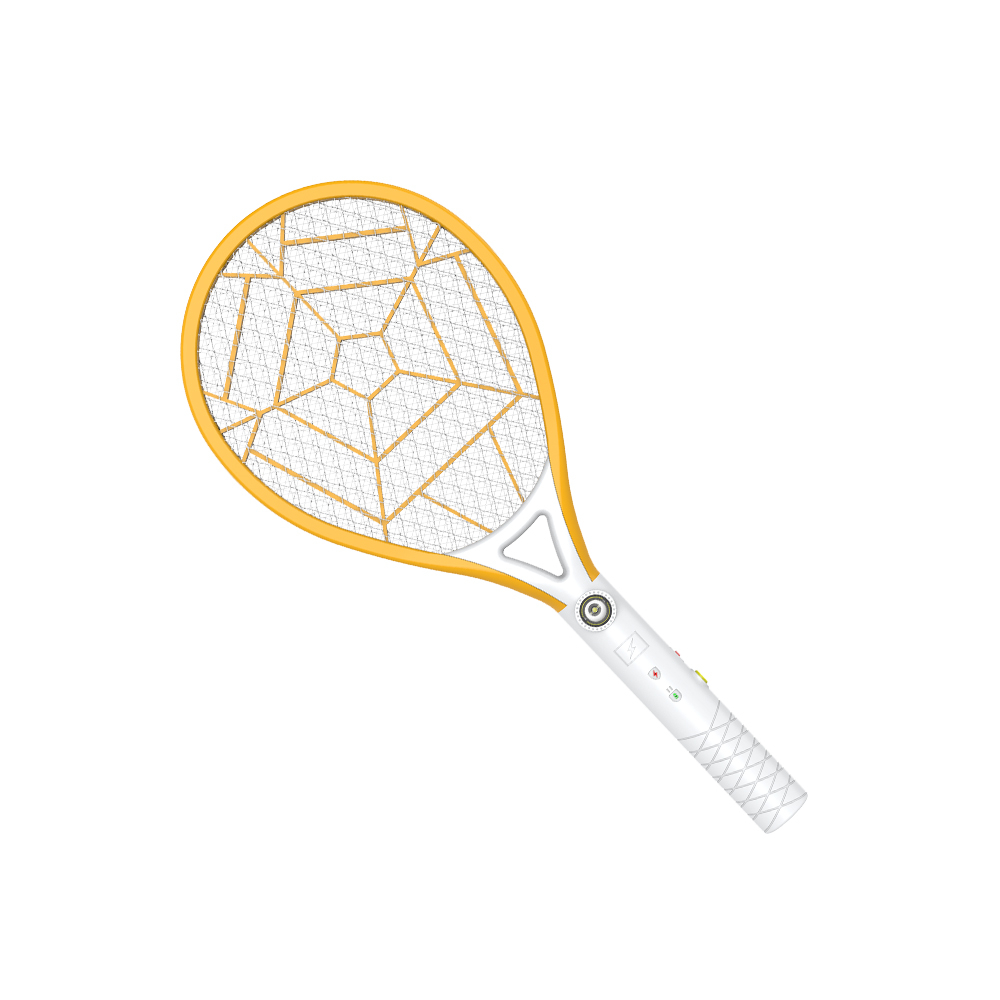
2. Which Scratches Can Be Fixed with Toothpaste? Which Ones Cannot?
To avoid wasted effort and accidental device damage, it is crucial to distinguish different types of scratches accurately. The detailed classification is as follows:
✅ Scratches That Can Be Repaired with Toothpaste
Toothpaste only works on ultra-fine surface scratches and hairline scuffs on the plastic shell and painted layer of electric mosquito swatters. These scratches are extremely shallow, with no obvious uneven texture when touched by hand. They are only visible under light, with intact paint and no peeling or damage.
Most affordable and rechargeable household electric mosquito swatters feature an ABS plastic shell with a baked paint finish. Toothpaste polishing can fade more than 90% of shallow surface scratches, almost restoring the shell to its original condition.
❌ Cases Where Toothpaste Repair Is Strictly Not Recommended
1. Deep dented scratches: These feel uneven to the touch, with the paint layer fully scratched through and the underlying plastic exposed. Since toothpaste cannot fill dents, polishing will only wear down the surrounding paint and make the scuffed area look more patchy.
2. Peeling paint, exposed base material, and large-area scuffs: When the paint peels off and reveals the original plastic base, toothpaste can only polish the surface without fixing color differences, leaving obvious blemishes after treatment.
3. Scratches on the electric grid and insulating rubber: Never polish the metal grid or edge insulating rubber with toothpaste. Residual toothpaste particles trapped in grid gaps are hard to clean. When exposed to moisture over time, they may cause short circuits and electric leakage, posing serious safety hazards.
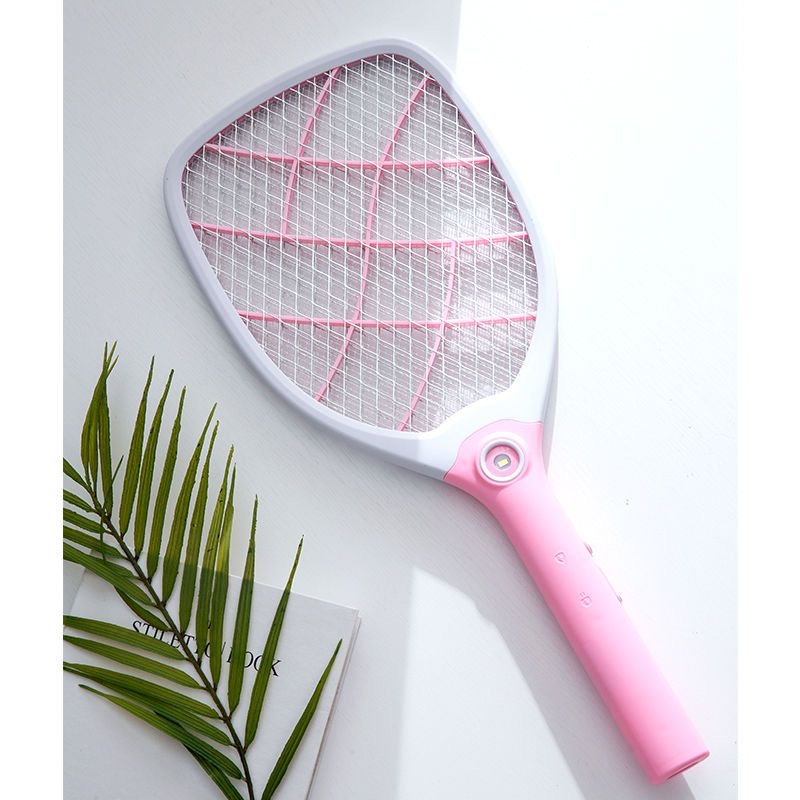
3. Step-by-Step Guide to Repairing Scratches with Toothpaste
Below is a beginner-friendly, device-safe repair method for minor shell scuffs that delivers reliable results.
Step 1: Power off and clean the surface
Always turn off the switch and ensure the device is fully powered off before repair. Unplug rechargeable models if connected to a power source. Wipe the scratched area thoroughly with a damp or dry cloth to remove dust, mosquito residues, and oil stains, preventing secondary paint abrasion from impurities. Dry the surface completely before proceeding.
Step 2: Apply toothpaste and polish locally
Use plain white toothpaste (avoid gel-based or heavy whitening abrasive formulas), which has finer particles and prevents paint wear. Dab a small amount of toothpaste on the scratch, then rub gently in circular motions with a soft cotton cloth or glasses cleaning cloth. Avoid excessive force or harsh scrubbing.
Rub ultra-fine scratches for 1 to 2 minutes, and slightly noticeable shallow scratches for 3 to 5 minutes. You will see the scratches gradually fade and disappear during the process.
Step 3: Remove residue and finish polishing
Once the scratches fade, wipe off all toothpaste residue completely with a clean damp cloth, then buff the surface gently with a dry cloth. After full air drying, the scuffed area will be smooth, bright, and nearly flawless.
4. Optimal Repair Solutions for Different Levels of Scuff Damage
Apart from toothpaste polishing for shallow scratches, here are the most cost-effective solutions for different degrees of damage to avoid blind attempts:
1. Ultra-fine surface scratches: Toothpaste polishing is the top choice, featuring zero cost, simple operation, and excellent repair effects.
2. Moderate scratches and slight paint peeling: First polish with toothpaste, then touch up the damaged area with a color-matched plastic paint pen. No visible repair traces will remain after full drying.
3. Large-area paint peeling, cracked shells, and damaged electric grids: Repair is not recommended. These damages compromise not only the appearance but also the insulating protective structure of the device, easily causing electric leakage and malfunctions. Replacing the swatter with a new one is the safest option.
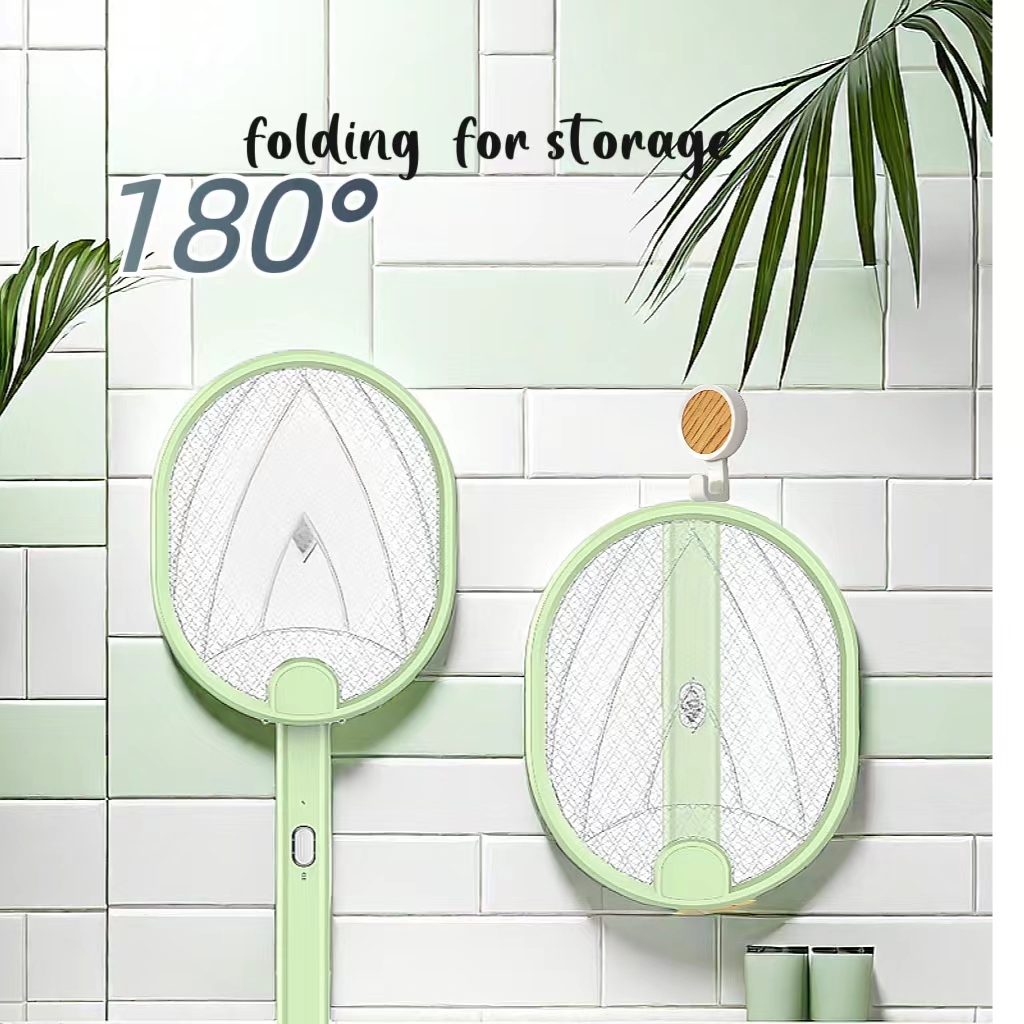
5. Maintenance Tips to Prevent Electric Mosquito Swatter Scratches
Preventive maintenance is always better than post-damage repair. Follow these tips to avoid frequent scuffs and aging:
1. Store the swatter in its original storage bag or a dry drawer separately. Avoid placing it with hard objects such as keys and metal tools to prevent friction scratches.
2. Handle the swatter gently during use. Avoid bumping it against walls, table corners, and hard surfaces to reduce paint wear.
3. Clean with soft cloths only. Never use steel wool or rough paper towels for wiping, as they will cause artificial scratches.
Conclusion
In summary, toothpaste is a budget-friendly household hack for repairing minor surface scratches on electric mosquito swatter shells, yet it is ineffective for deep scratches, peeling paint, and grid damage. Never use it blindly, and always keep it away from electric grids and insulating parts to prioritize electrical safety.
Though maintaining an electric mosquito swatter seems trivial, small daily care efforts can effectively extend its service life and keep this essential summer mosquito-removal tool in perfect working condition throughout the season.
When Are Bug Zappers Most Effective
Sticky vs Electric Mosquito Killer
Related Article

If you’re struggling with annoying mosquitoes, flies, and other flying pests indoors and outdoors, upgrading from traditional manual tools to anElectric Mosquito Swatter is the most efficient solution. Many homeowners and renters search where to buy fly swatter online to find durable, safe, and high-performance electric models that deliver instant pest control.
Where to Buy Fly Swatter
Most importers of electric mosquito swatters obsess over the first order: samples requested, factories vetted, a pre-shipment inspection booked. Then the reorder arrives eight months later and something is off. The grid feels softer. The charge port is a slightly different shade of black. The carton thickness dropped from 350 gsm to 300 gsm. Nothing is catastrophic — but the product no longer matches what your retail customers approved, and quietly, your return rate starts climbing.
How to Keep Mosquito Swatter Quality Consistent Across Repeat Orders
Warranty returns are the silent margin killer in the mosquito control category. A distributor who buys a swatter at $1.80 FOB and retails it at $9.90 can absorb a 1% return rate without noticing — but at 5%, the combined cost of replacement units, reverse logistics, and refund processing erases most of the line's profit.
Common mosquito swatter killer lamp failure modes wholesale spec guide

Digital bathroom scales rank as the second-highest-volume consumer weighing product category, only behind kitchen scales, with distinct market and product characteristics that set them apart from other scale types in importers’ product portfolios.
Digital bathroom body fat-bia-scale wholesale buyers guide