
Can We Really Say Goodbye to Mosquitoes if the Weather Cools Down
2025-10-22
As the Weather Cools Down, Can We Really Say Goodbye to Mosquitoes?
With the arrival of autumn winds and dropping temperatures, many people assume that mosquitoes have vanished along with the sweltering heat. They put away mosquito nets and stop using mosquito repellent. However, the folk saying "Mosquitoes are as fierce as tigers in late autumn" is not groundless—even in severe winter, mosquitoes may still be hiding nearby. Do we still need to prevent mosquitoes after the weather cools down? The answer is probably more complex than you think.
I. Mosquitoes Don’t Disappear After Cooling—They Just Switch Their "Survival Mode"
Mosquito activity is closely related to temperature, but low temperatures cannot "eliminate" all mosquitoes immediately. Different temperature stages and mosquito species exhibit completely different states:
1. Early Autumn (15℃-25℃): Mosquitoes Enter the "Crazy Blood-Sucking Period"
The optimal temperature range for mosquito survival is 22℃-32℃. After autumn begins, the retreat of high temperatures and cool weather actually bring mosquitoes to their most active breeding peak of the year. At this time, female mosquitoes must suck a large amount of blood to accumulate energy—either to provide nutrients for egg-laying or store fat for overwintering. As a result, their bites become more frequent and aggressive. Monitoring data from the Beijing Center for Disease Control and Prevention shows that the mosquito bite index often reaches a "high-risk" level around August, which confirms this phenomenon.
2. Late Autumn (10℃-15℃): Activity Decreases but Mosquitoes Don’t Disappear
When the temperature drops below 15℃, the blood-sucking activity of common mosquito species such as Culex and Anopheles gradually stops; when it falls below 10℃, most adult mosquitoes cease activity and enter a "diapause period". However, this does not mean mosquitoes have completely disappeared—they will hide in warm and humid concealed places, such as basements, garages, kitchen cabinets, and the back of electrical appliances, waiting for temperatures to rise before becoming active again.
3. Severe Winter (Below 10℃): Surviving in "Hidden Forms" for Overwintering
Extreme cold can kill some mosquitoes, but a large number still survive in special forms: Culex and Anopheles mostly hibernate as adult mosquitoes in warm locations like air-raid shelters and heating pipeline wells; Aedes albopictus (which transmits dengue fever) survives in the form of eggs hidden in discarded tires, water-holding containers, etc. These eggs can resist low temperatures and hatch into larvae when water accumulates in the following spring.
II. Not Preventing Mosquitoes After Cooling May Bring These Risks
Many people overlook mosquito prevention work after the weather cools down, unaware of the multiple potential health hazards:
1. Persistent Risk of Vector-Borne Diseases
The harm of mosquito bites goes far beyond "itching"—they can also transmit various diseases such as malaria and Japanese encephalitis. The incubation period of malaria can last 10-20 days, and symptoms like chills, high fever, and sweating may occur after being bitten; Japanese encephalitis can cause disturbance of consciousness and meningeal irritation signs, posing a serious threat to health. Early autumn is precisely the peak period for mosquito-borne diseases. Once vigilance is relaxed, it may create an opportunity for pathogens to spread.
2. Possibly Stronger Bite Reactions
Mosquitoes in late autumn are more "greedy" when sucking blood, injecting more saliva, which leads to more severe allergic reactions. Some people may develop papular urticaria after being bitten, characterized by red papules, blisters, and intense itching. Scratching can even cause secondary infections and leave pigmentation. Children with allergic constitutions are particularly prone to severe symptoms and require extra attention.
3. Overwintering Mosquitoes Lay "Hidden Troubles for Next Year"
If overwintering mosquitoes are allowed to survive in winter, once they suck blood and reproduce in the following spring, a single mosquito can lay thousands of eggs, directly causing a sharp increase in mosquito density in summer. Winter is the most vulnerable period for mosquitoes—doing a good job in prevention and control at this time can reduce mosquito troubles from the source in the coming year.
III. Scientific Mosquito Prevention Methods for Different Cooling Stages
Adjusting mosquito prevention strategies according to temperature changes can make the work more efficient and hassle-free:
1. Mosquito Prevention in Early Autumn: Focus on Coping with the "Blood-Sucking Peak"
- Environmental Control: Clean up stagnant water areas indoors every day, such as flower pots of aquatic plants, air conditioning condensate, and water dispenser tanks; outdoors, promptly dump stagnant water in pots, bottles, cans, and discarded tires to cut off the breeding chain at the source.
- Personal Protection: 7-10 a.m. and 4-7 p.m. are the active periods of Aedes mosquitoes. When going out, wear long-sleeved shirts and long pants, and apply mosquito repellent containing IR3535 (ethyl butylacetylaminopropionate) on exposed skin—it has lower toxicity and longer repellent effect.
- Physical Barriers: Install screen windows and hang mosquito nets to prevent mosquitoes from entering the room; close doors and windows in the evening to stop outdoor mosquitoes from sneaking in.
2. Late Autumn to Severe Winter: Focus on "Overwintering Mosquito Control"
- Check Concealed Corners: Regularly clean mosquito overwintering sites such as basements, storage rooms, and cabinet gaps; use a vacuum cleaner to remove dust and eggs, and keep these areas dry and well-ventilated.
- Scientific Disinfection and Killing: During the unified mosquito control period (usually 6-8 p.m.), use compliant insecticides in overwintering sites. Close doors and windows to enhance the effect, but avoid areas with food and children's activity spaces.
- Be Alert to Indoor "Warm Zones": The temperature in heated rooms in winter often exceeds 20℃, which may cause some overwintering mosquitoes to resume activity. Pay attention to humid areas such as kitchens and bathrooms, and use mosquito traps if necessary.
IV. These Mosquito Prevention Myths—Never Fall for Them
- Myth 1: No need for mosquito repellent once the temperature drops—Mosquitoes bite more fiercely in early autumn; personal protection is still necessary when going out.
- Myth 2: No need to clean up stagnant water if there are no mosquitoes at home—Stagnant water is the "hotbed" for overwintering mosquito eggs; it should be dumped promptly even in winter.
- Myth 3: No need to deal with overwintering mosquitoes since they don’t bite—Eliminating overwintering mosquitoes is the key to reducing next year’s mosquito density; prevention and control in winter yield twice the result with half the effort.
Cooling weather is just a "smoke screen" for mosquitoes, not a sign of their disappearance. From the "crazy blood-sucking period" in early autumn to the "hidden overwintering period" in severe winter, mosquito prevention work needs to be carried out consistently. This is not only to avoid the trouble of bites at present but also to reduce mosquito hidden troubles in the coming year and protect the health of the whole family.
Successfully Concludes the 138th Canton Fair
Does Your Electric Mosquito Swatter Lose Effectiveness in Just 1 Month
Related Article

If you’re struggling with annoying mosquitoes, flies, and other flying pests indoors and outdoors, upgrading from traditional manual tools to anElectric Mosquito Swatter is the most efficient solution. Many homeowners and renters search where to buy fly swatter online to find durable, safe, and high-performance electric models that deliver instant pest control.
Where to Buy Fly Swatter
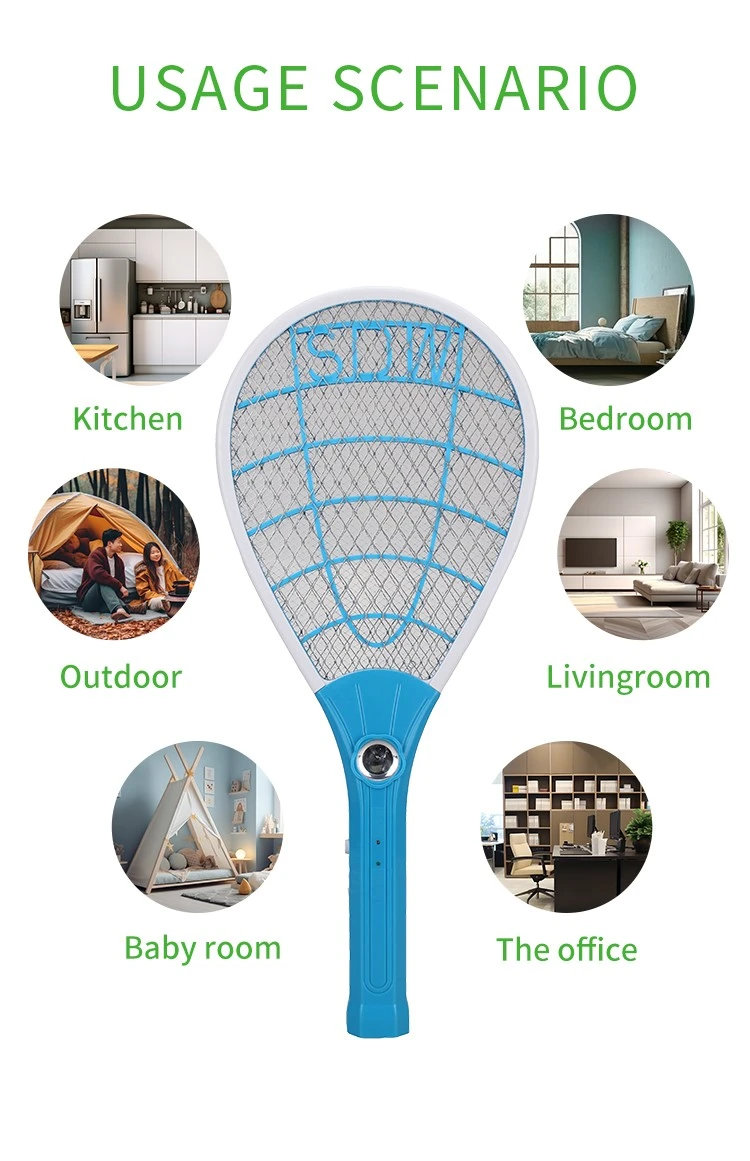
Most importers of electric mosquito swatters obsess over the first order: samples requested, factories vetted, a pre-shipment inspection booked. Then the reorder arrives eight months later and something is off. The grid feels softer. The charge port is a slightly different shade of black. The carton thickness dropped from 350 gsm to 300 gsm. Nothing is catastrophic — but the product no longer matches what your retail customers approved, and quietly, your return rate starts climbing.
How to Keep Mosquito Swatter Quality Consistent Across Repeat Orders
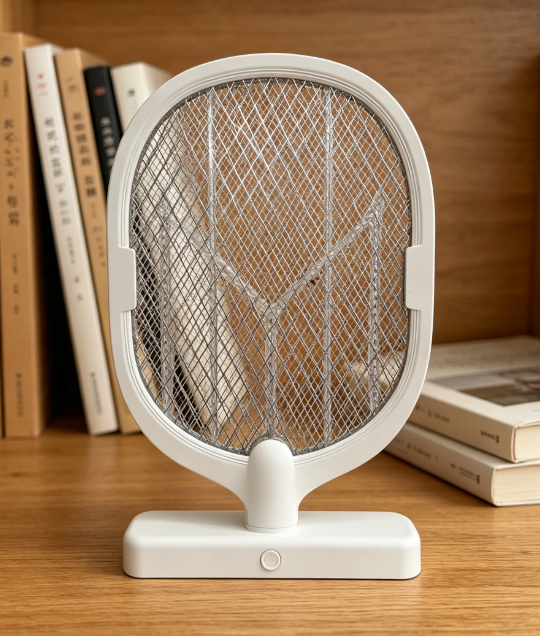
Warranty returns are the silent margin killer in the mosquito control category. A distributor who buys a swatter at $1.80 FOB and retails it at $9.90 can absorb a 1% return rate without noticing — but at 5%, the combined cost of replacement units, reverse logistics, and refund processing erases most of the line's profit.
Common mosquito swatter killer lamp failure modes wholesale spec guide

Digital bathroom scales rank as the second-highest-volume consumer weighing product category, only behind kitchen scales, with distinct market and product characteristics that set them apart from other scale types in importers’ product portfolios.
Digital bathroom body fat-bia-scale wholesale buyers guide