
Can You Leave Bug Zapper on All Night
2025-05-21
Can You Leave Bug Zapper on All Night
Safety Considerations
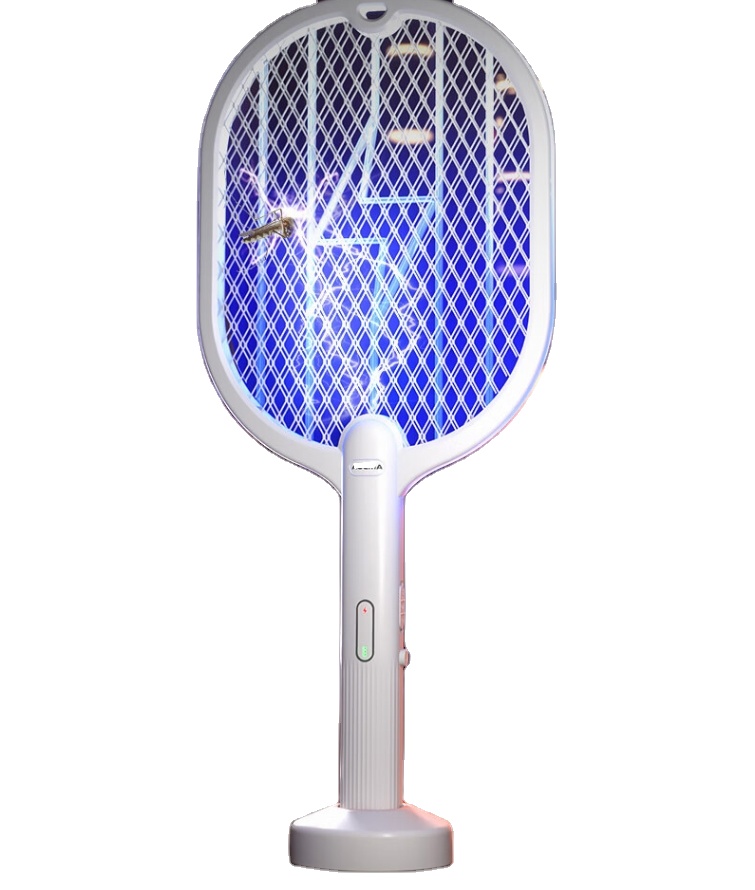
One of the primary concerns when deciding whether to leave a bug zapper on all night is safety. Bug zappers work by emitting ultraviolet (UV) light to attract insects, which are then electrocuted upon contact with an electrified grid. Leaving it on continuously increases the risk of electrical malfunctions. Overheating can occur due to prolonged use, potentially leading to a fire hazard, especially if the zapper is placed near flammable materials. Additionally, if there are any manufacturing defects or wear and tear over time, the chances of electrical shocks also rise. It's crucial to check the product manual for any specific warnings from the manufacturer regarding continuous operation.
Energy Consumption
Another factor to consider is energy consumption. Bug zappers typically consume a moderate amount of electricity. While leaving it on for a few hours might not have a significant impact on your energy bill, running it all night, every night, can add up over time. If you're conscious about energy conservation and reducing your environmental footprint, or simply want to keep your electricity costs down, leaving the bug zapper on all night may not be the best choice. You can calculate the approximate energy usage by looking at the wattage of the zapper and the number of hours it runs.
Effectiveness at Night
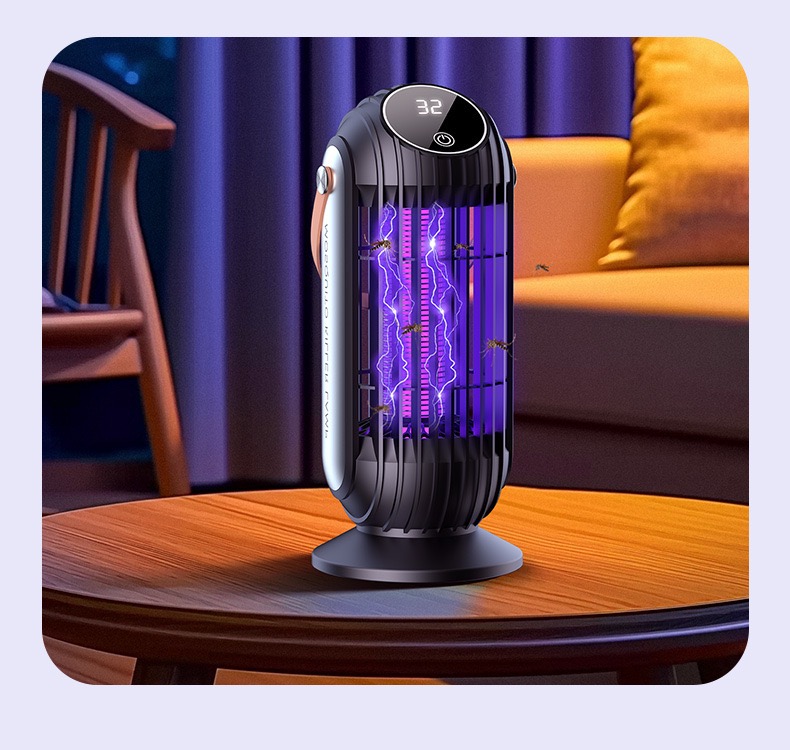
In terms of effectiveness, the activity patterns of insects vary. Some bugs are more active during the day, while others, like mosquitoes, are more prevalent at dusk and dawn. While a bug zapper may catch some insects throughout the night, its efficiency might decrease as the number of active bugs lessens during the later hours. Moreover, other factors such as the location of the zapper, nearby light sources, and the presence of alternative attractants for bugs can also influence how many insects it actually captures.
Alternatives and Best Practices
If you're worried about bugs during the night but hesitant to leave the bug zapper on continuously, there are alternatives. Insect repellents, mosquito nets, and natural bug deterrents like citronella candles can be used to keep bugs at bay. Regarding the bug zapper, a good practice is to turn it on a few hours before bedtime to reduce the initial bug population in the area, and then turn it off when you go to sleep. This way, you can balance pest control with safety and energy savings.
In conclusion, while it is technically possible to leave a bug zapper on all night, it comes with several considerations. Weighing the safety risks, energy consumption, and effectiveness can help you make an informed decision that suits your specific needs and circumstances.
Does Bleach Kill Mosquito Larvae
What Temperature Kills Mosquitoes
Related Article

If you’re struggling with annoying mosquitoes, flies, and other flying pests indoors and outdoors, upgrading from traditional manual tools to anElectric Mosquito Swatter is the most efficient solution. Many homeowners and renters search where to buy fly swatter online to find durable, safe, and high-performance electric models that deliver instant pest control.
Where to Buy Fly Swatter
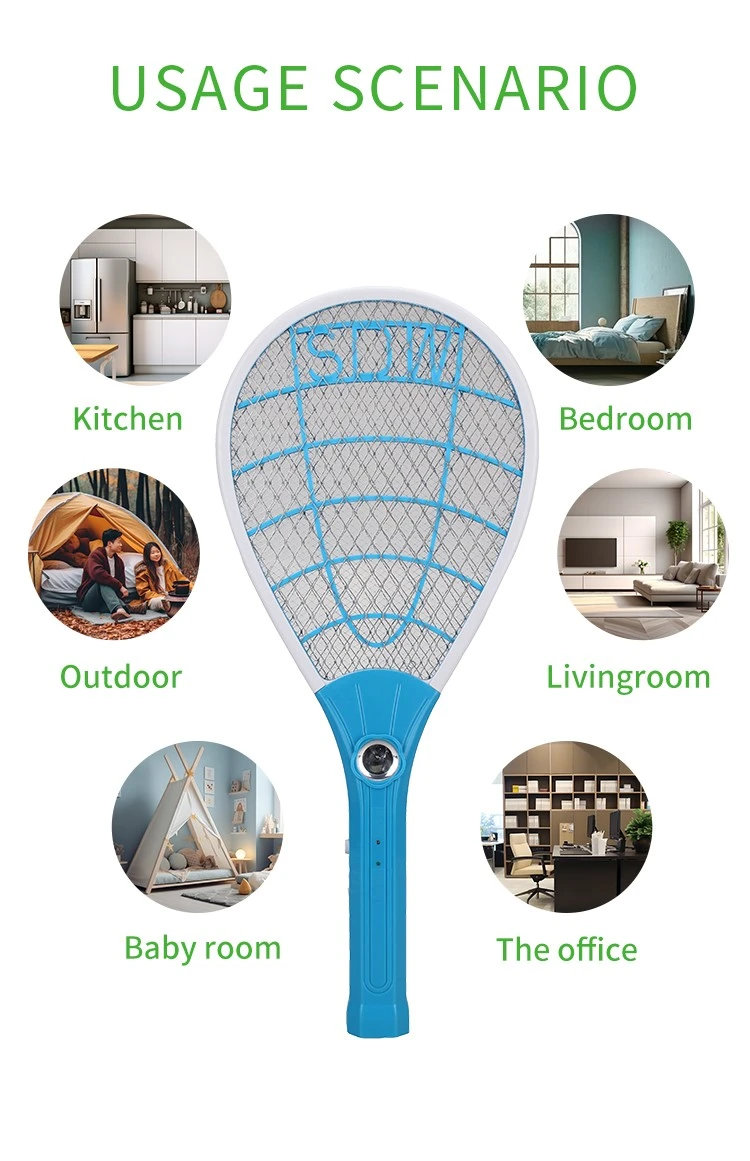
Most importers of electric mosquito swatters obsess over the first order: samples requested, factories vetted, a pre-shipment inspection booked. Then the reorder arrives eight months later and something is off. The grid feels softer. The charge port is a slightly different shade of black. The carton thickness dropped from 350 gsm to 300 gsm. Nothing is catastrophic — but the product no longer matches what your retail customers approved, and quietly, your return rate starts climbing.
How to Keep Mosquito Swatter Quality Consistent Across Repeat Orders
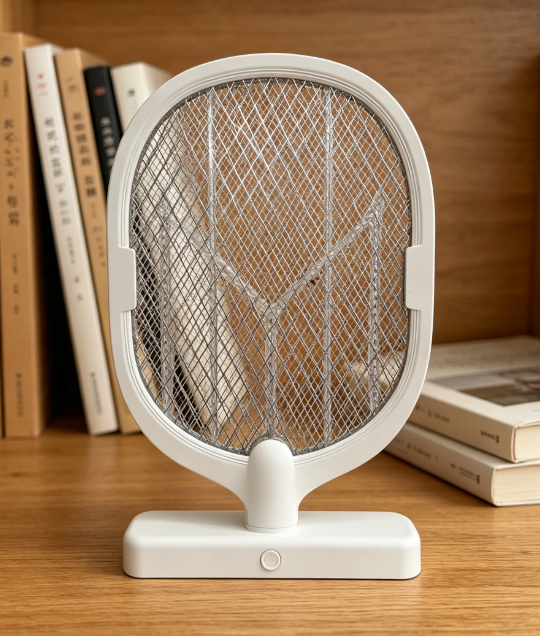
Warranty returns are the silent margin killer in the mosquito control category. A distributor who buys a swatter at $1.80 FOB and retails it at $9.90 can absorb a 1% return rate without noticing — but at 5%, the combined cost of replacement units, reverse logistics, and refund processing erases most of the line's profit.
Common mosquito swatter killer lamp failure modes wholesale spec guide

Digital bathroom scales rank as the second-highest-volume consumer weighing product category, only behind kitchen scales, with distinct market and product characteristics that set them apart from other scale types in importers’ product portfolios.
Digital bathroom body fat-bia-scale wholesale buyers guide