
Can You Touch an Electric Mosquito Swatter with Your Hand
2026-01-20
Can You Touch an Electric Mosquito Swatter with Your Hand? Essential Safety Tips to Know
Can you touch an electric mosquito swatter with your hand? Some say it will electrocute you, while others claim it’s fine. What’s the real truth? Today, we’ll break this down in detail to help you clarify the safety boundaries of touching an electric mosquito swatter.
First, let’s understand how an electric mosquito swatter works to answer the question. The core of an electric mosquito swatter converts 220V AC household electricity into high-voltage electricity through an internal circuit, usually with an output voltage between 1000-3000V. This voltage is enough to ionize the air and electrocute mosquitoes, rendering them instantly inactive. However, its current is extremely small, far below the threshold that causes fatal harm to the human body, which is the key reason why electric mosquito swatters are relatively safe.
So, can you touch an electric mosquito swatter with your hand? The answer is: It depends; it’s not a one-size-fits-all situation.
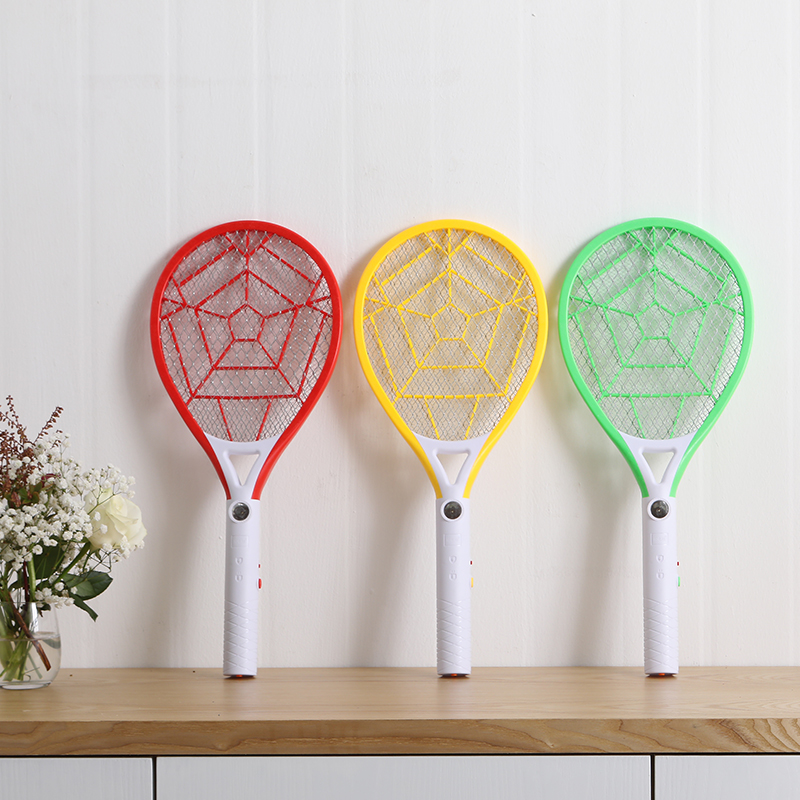
I. When Powered On: Never Touch the Metal Mesh
When the electric mosquito swatter is powered on and working, its metal mesh carries high-voltage electricity. Touching it with your hand at this time will produce a distinct electric shock sensation. Although this shock is not life-threatening, it causes intense stinging and numbness. Especially for the elderly, children, pregnant women, or people with poor heart function, it may trigger discomfort such as shock and muscle contractions, and even indirectly lead to secondary injuries like falls and bumps.
Some people may be curious to try a "light touch," thinking a brief contact is harmless. But the discomfort from high-voltage electric shock is sudden. Even a fingertip touch may cause instinctive reactions like waving or pulling the hand back. If the swatter is close to the eyes or face at this time, or if the body touches other conductive objects while touching, the risk may increase. In addition, if the metal mesh of the swatter is damaged or deformed, touching it when powered on may cause abnormal local voltage, increasing potential safety hazards.
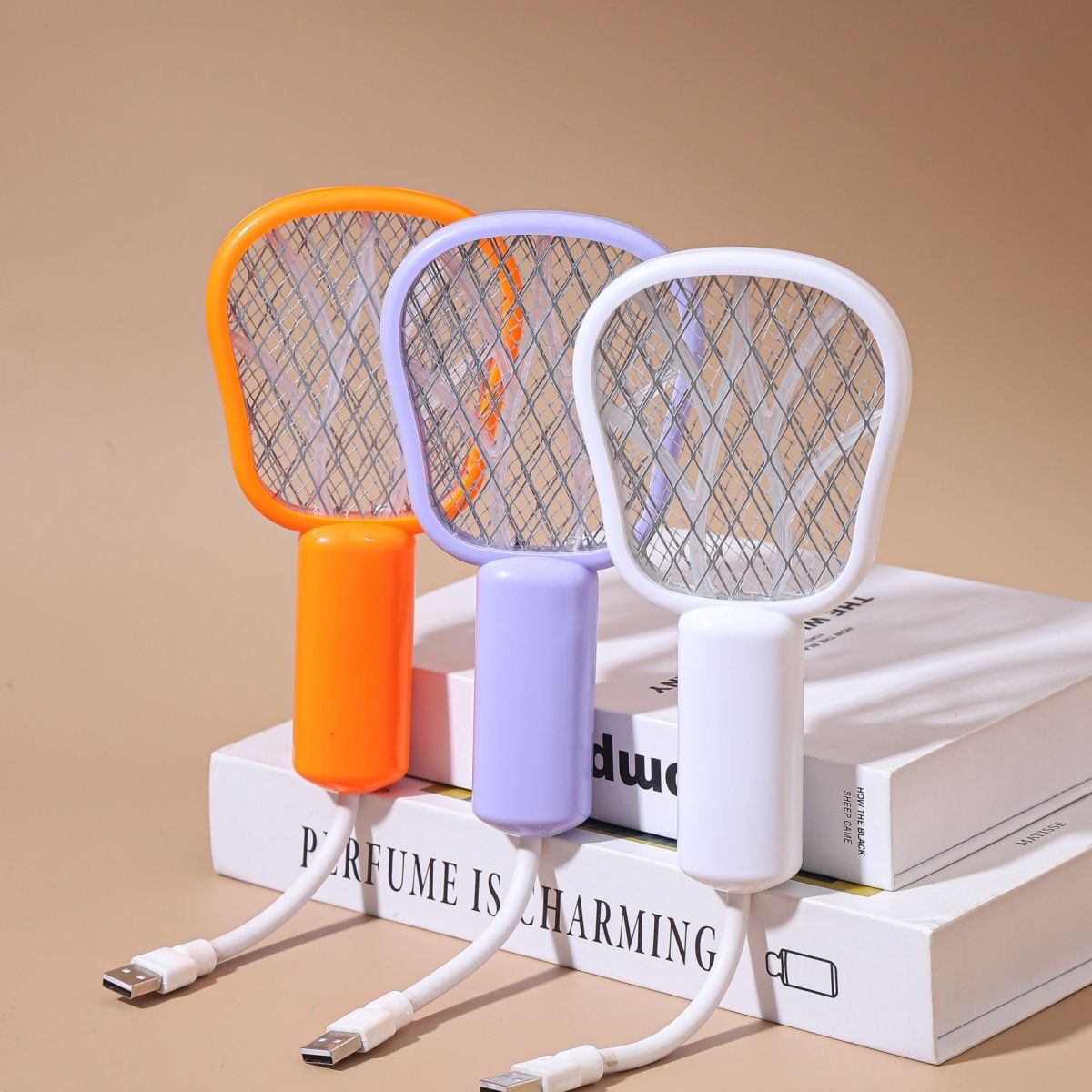
II. When Powered Off: Touchable, but Inspections Are Required
In theory, you can touch the metal mesh with your hand after turning off the swatter and disconnecting the power—for example, when cleaning mosquito remains and dust on the mesh. But there’s an important prerequisite: Ensure it’s completely powered off and wait for residual charges to dissipate.
Some electric mosquito swatters are equipped with internal capacitors, which may retain a small amount of charge after being powered off. Touching it immediately may still cause a slight electric shock. Therefore, it’s recommended to wait 1-2 minutes after turning off the power before touching the mesh. Meanwhile, use a dry cloth to wipe when cleaning, and avoid rinsing directly with water to prevent circuit short circuits due to moisture, which may affect subsequent use safety.
III. Special Situations: Don’t Touch Even in a Hurry
In addition to the mesh when powered on, there are several other easily overlooked situations where you should avoid touching with your hand:
-
If a mosquito gets stuck in the middle of the mesh while the swatter is working, do not pick it with your hand. Turn off the power first before cleaning to prevent electric shock from touching both poles of the mesh simultaneously.
-
If the mesh is damaged or wires are exposed, do not touch it whether powered on or not. Stop using it immediately and contact for repair or replacement. A damaged mesh may cause voltage leakage, short circuits, and other problems.
-
When charging a rechargeable electric mosquito swatter, in addition to not touching the mesh, do not touch the charging port to avoid leakage or short circuits at the port.
IV. Core Safety Guidelines for Using Electric Mosquito Swatters
After clarifying the touching rules, keep these general safety tips in mind to protect your family’s safety:
-
Keep hands dry when in use. Wet hands enhance conductivity, intensify electric shock discomfort, and may increase the risk of circuit failure.
-
Place it out of the reach of children and pets to avoid accidental contact with the switch or mesh.
-
Do not touch flammable and explosive items (such as alcohol, gas cylinders) with the swatter. High-voltage electric shock may generate sparks and cause danger.
-
Regularly inspect the swatter’s wires, mesh, and switch. If aging, damage, or malfunction occurs, stop using it immediately and do not disassemble or repair it yourself.
In summary, an electric mosquito swatter is not absolutely untouchable with your hand—the key lies in "whether it’s powered on" and "the part being touched." Never touch the metal mesh when it’s powered on, and ensure residual charges dissipate and conduct inspections after powering off to use it safely. Mosquito elimination is urgent, but safety always comes first. Master these tips to let the electric mosquito swatter be a good helper for a cool summer, not a safety hazard.
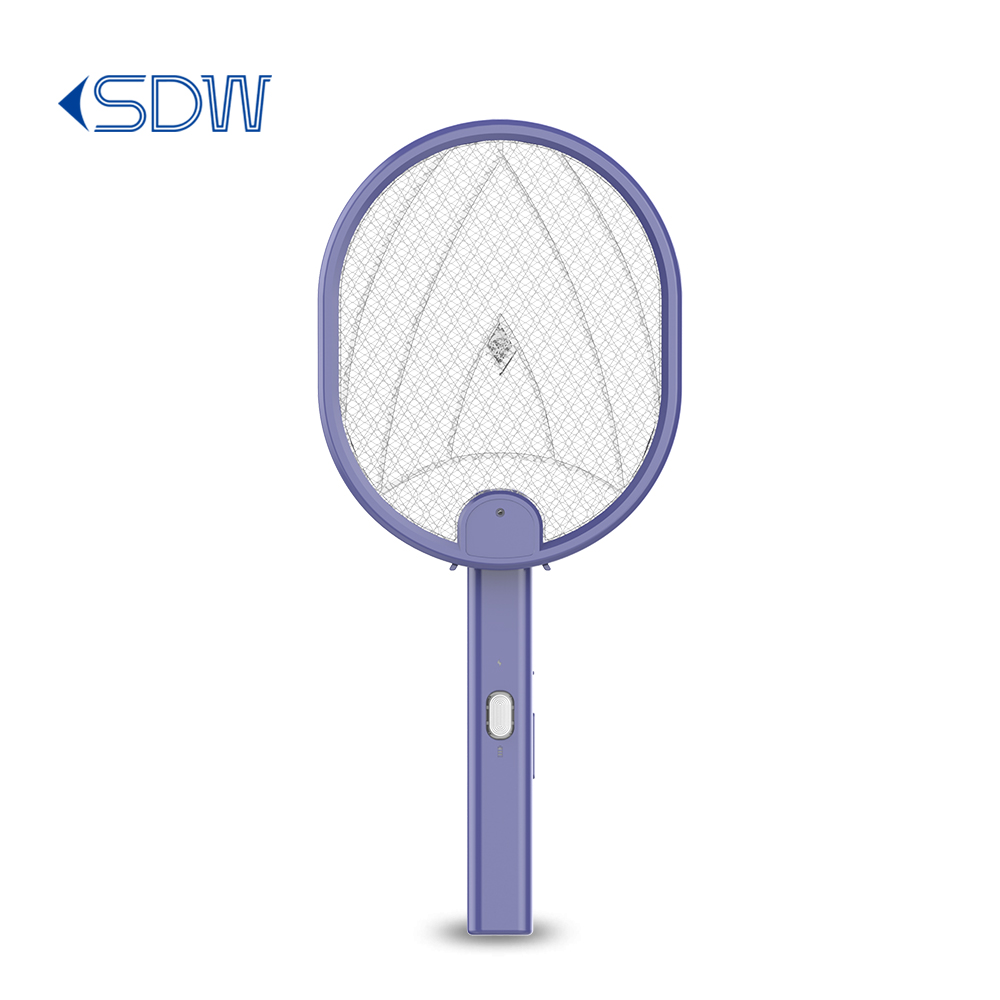
Innovative Usage Scenarios of Electric Mosquito Swatters
Winter Mosquito Trap Maintenance Guide
Related Article

If you’re struggling with annoying mosquitoes, flies, and other flying pests indoors and outdoors, upgrading from traditional manual tools to anElectric Mosquito Swatter is the most efficient solution. Many homeowners and renters search where to buy fly swatter online to find durable, safe, and high-performance electric models that deliver instant pest control.
Where to Buy Fly Swatter

Most importers of electric mosquito swatters obsess over the first order: samples requested, factories vetted, a pre-shipment inspection booked. Then the reorder arrives eight months later and something is off. The grid feels softer. The charge port is a slightly different shade of black. The carton thickness dropped from 350 gsm to 300 gsm. Nothing is catastrophic — but the product no longer matches what your retail customers approved, and quietly, your return rate starts climbing.
How to Keep Mosquito Swatter Quality Consistent Across Repeat Orders

Warranty returns are the silent margin killer in the mosquito control category. A distributor who buys a swatter at $1.80 FOB and retails it at $9.90 can absorb a 1% return rate without noticing — but at 5%, the combined cost of replacement units, reverse logistics, and refund processing erases most of the line's profit.
Common mosquito swatter killer lamp failure modes wholesale spec guide

Digital bathroom scales rank as the second-highest-volume consumer weighing product category, only behind kitchen scales, with distinct market and product characteristics that set them apart from other scale types in importers’ product portfolios.
Digital bathroom body fat-bia-scale wholesale buyers guide