
Can You Use a Bug Zapper Indoors
2025-06-03
Can You Use a Bug Zapper Indoors
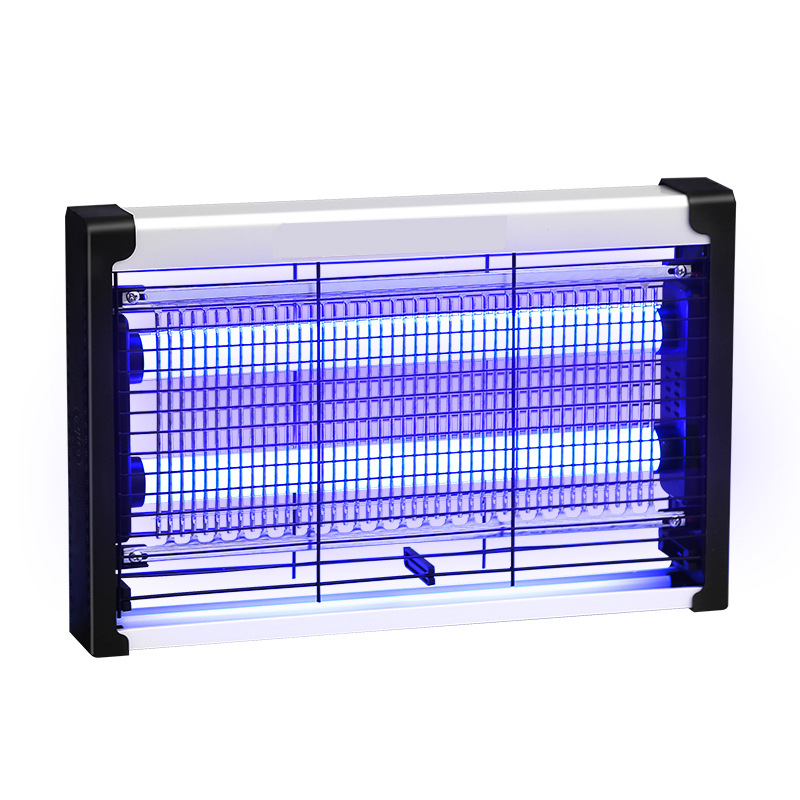
When the summer heat arrives, so do the unwelcome bugs. Bug zappers are a popular choice for pest control, but a common question that arises is, “Can you use a bug zapper indoors?” While the idea of zapping away pesky insects inside your home might seem appealing, there are several factors to consider before plugging one in. This blog post will explore the pros, cons, and safety considerations of using a bug zapper indoors.
The Allure of Indoor Bug Zappers
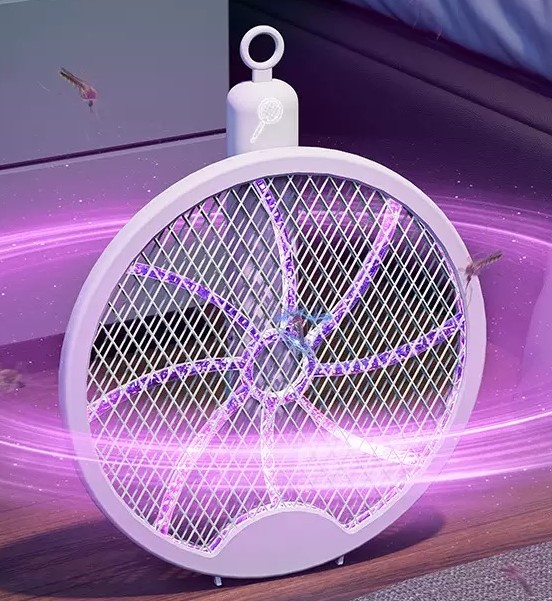
One of the main reasons people consider using bug zappers indoors is the promise of immediate pest control. These devices attract insects with UV light and then electrocute them upon contact with the metal grids. For those dealing with a sudden influx of flies, mosquitoes, or other flying bugs inside their homes, the thought of quickly eliminating them can be very enticing.
Low Maintenance
Bug zappers generally require minimal upkeep. Once set up, you mainly need to periodically clean the collection tray or grid to remove dead insects. Compared to other pest control methods like using chemical sprays that need frequent application, a bug zapper seems like a convenient, hands-off solution for indoor bug problems.
The Downsides of Indoor Use
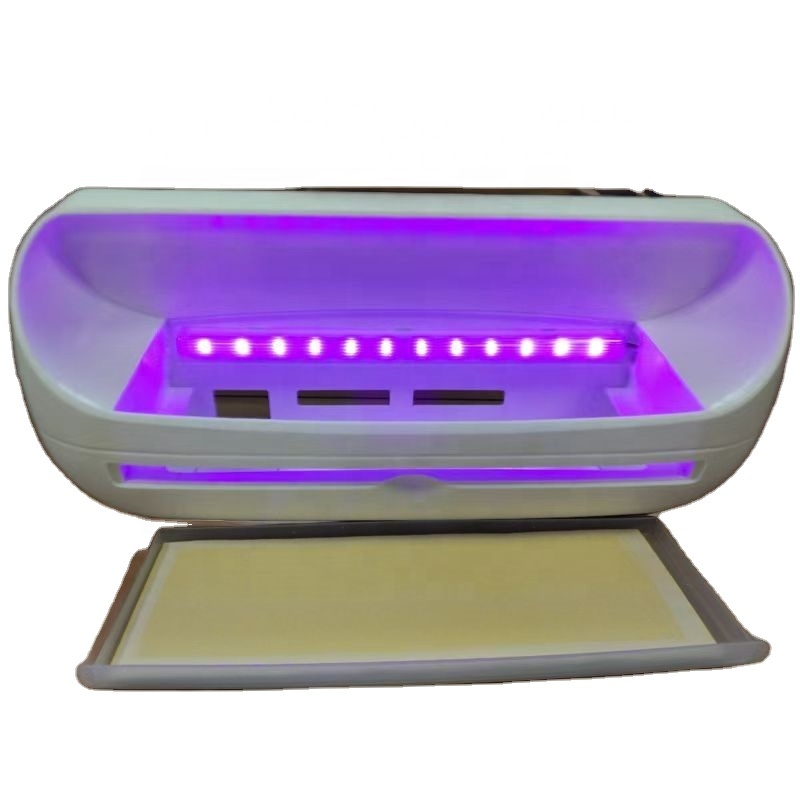
One of the biggest concerns with using bug zappers indoors is safety. Bug zappers operate with high voltage, which poses a risk of electric shock, especially if there are children or pets in the house. A curious child reaching towards the device or a pet accidentally knocking it over could lead to serious injury. Additionally, when bugs are electrocuted, small particles can sometimes be scattered, which might include bacteria and other contaminants. This can create an unhygienic situation indoors.
Limited Effectiveness
Bug zappers are designed to work best in open spaces. Indoors, furniture, walls, and other objects can obstruct the UV light, reducing the device's ability to attract bugs effectively. Moreover, many indoor insects, such as cockroaches and ants, are not attracted to UV light in the first place, making bug zappers less useful for controlling these common household pests.
Safety Precautions if You Choose to Use Indoors
Placement is Key
If you decide to use a bug zapper indoors, proper placement is crucial. Hang or place it out of reach of children and pets, preferably at a height of 5 - 6 feet. Keep it away from areas where food is prepared or eaten to avoid any contamination from scattered particles.
Regular Inspection
Regularly inspect the bug zapper for any signs of damage, such as frayed wires or loose connections. Unplug the device and let it cool down before cleaning or making any adjustments to avoid the risk of electric shock.
Alternatives to Indoor Bug Zappers
Traps and Baits
For crawling insects, sticky traps or bait stations can be more effective. These are designed specifically to target pests like ants and cockroaches, luring them in with attractants and trapping them without the risks associated with high-voltage devices.
Essential Oils and Natural Repellents
Essential oils like citronella, peppermint, and eucalyptus can act as natural bug repellents. You can use diffusers, sprays, or simply place cotton balls soaked in the oils around your home to keep bugs at bay without any safety concerns.
In conclusion, while it is technically possible to use a bug zapper indoors, it comes with significant safety risks and limitations in effectiveness. If you do choose to use one, take all necessary precautions. However, considering the alternatives available, there may be safer and more efficient ways to tackle indoor bug problems.
will a bug zapper kill gnats
How to Hang a Bug Zapper
Related Article

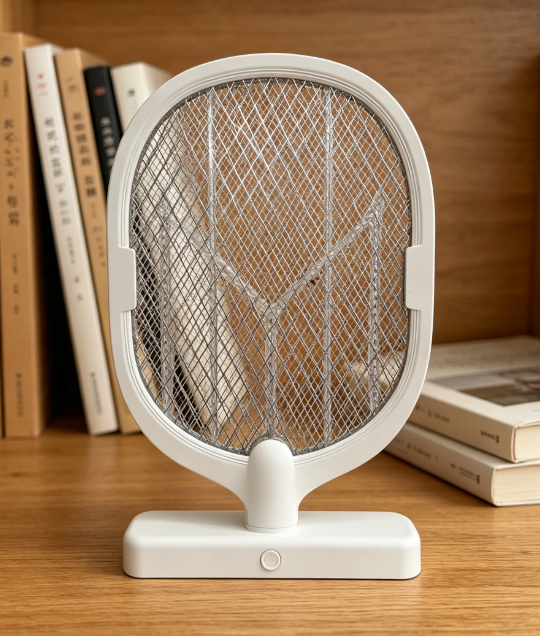
If you’re struggling with annoying mosquitoes, flies, and other flying pests indoors and outdoors, upgrading from traditional manual tools to anElectric Mosquito Swatter is the most efficient solution. Many homeowners and renters search where to buy fly swatter online to find durable, safe, and high-performance electric models that deliver instant pest control.
Where to Buy Fly Swatter
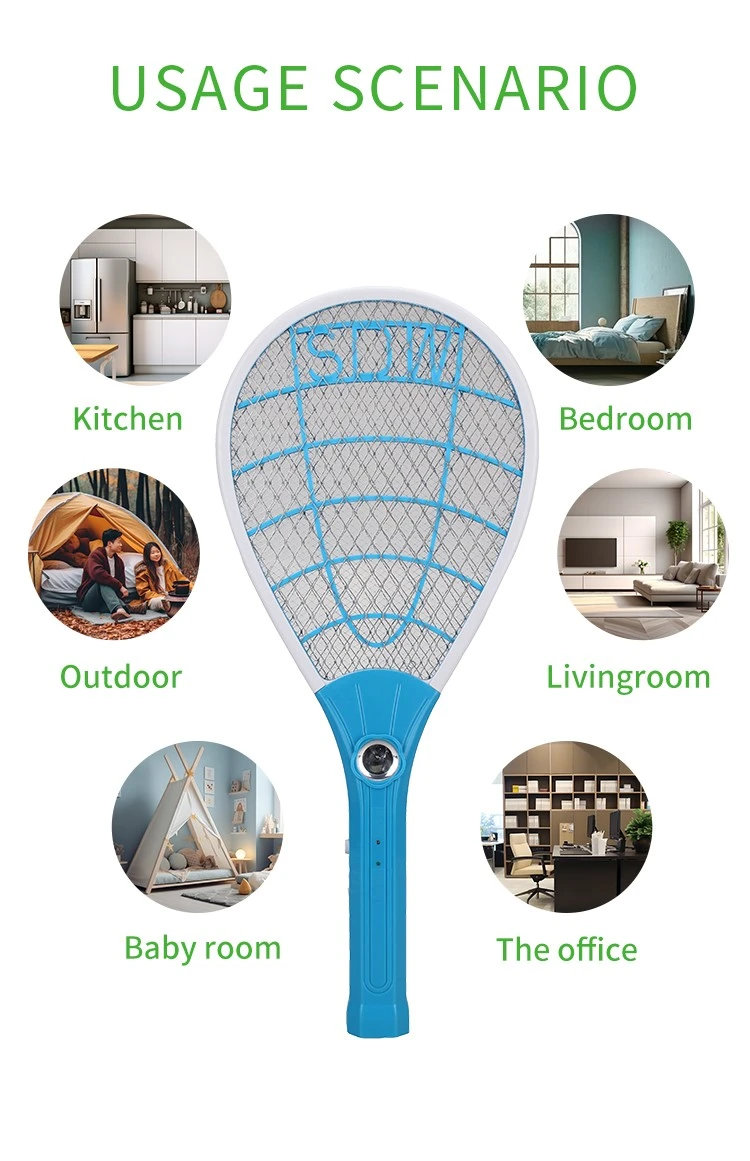
Most importers of electric mosquito swatters obsess over the first order: samples requested, factories vetted, a pre-shipment inspection booked. Then the reorder arrives eight months later and something is off. The grid feels softer. The charge port is a slightly different shade of black. The carton thickness dropped from 350 gsm to 300 gsm. Nothing is catastrophic — but the product no longer matches what your retail customers approved, and quietly, your return rate starts climbing.
How to Keep Mosquito Swatter Quality Consistent Across Repeat Orders
Warranty returns are the silent margin killer in the mosquito control category. A distributor who buys a swatter at $1.80 FOB and retails it at $9.90 can absorb a 1% return rate without noticing — but at 5%, the combined cost of replacement units, reverse logistics, and refund processing erases most of the line's profit.
Common mosquito swatter killer lamp failure modes wholesale spec guide

Digital bathroom scales rank as the second-highest-volume consumer weighing product category, only behind kitchen scales, with distinct market and product characteristics that set them apart from other scale types in importers’ product portfolios.
Digital bathroom body fat-bia-scale wholesale buyers guide