
Can You Use a Bug Zapper Inside
2025-06-18
Can You Use a Bug Zapper Inside
The Feasibility of Using Bug Zappers Indoors
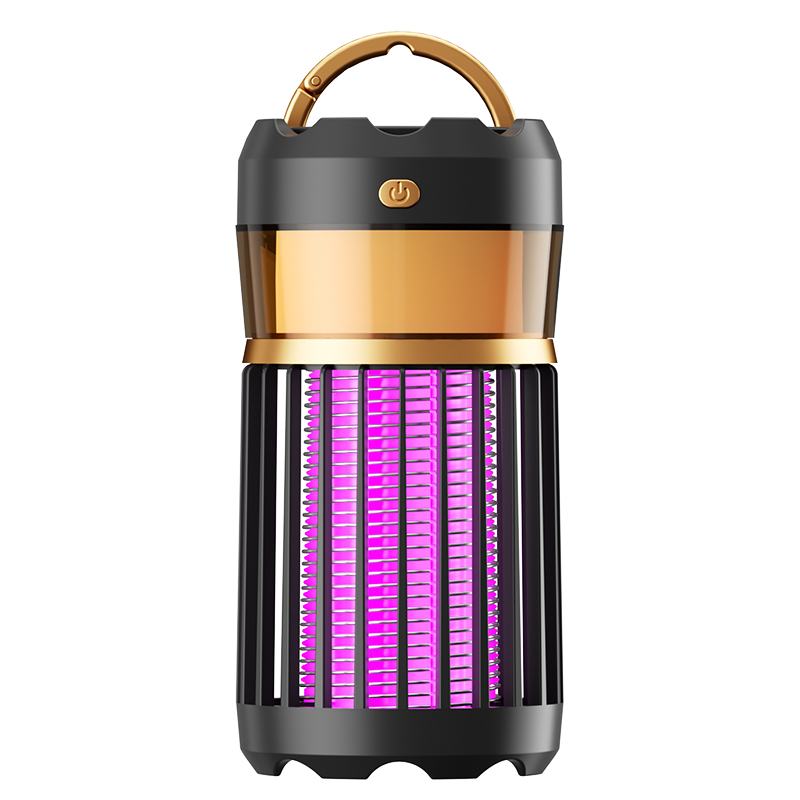
Yes, you can use a bug zapper inside your home or other indoor spaces. Bug zappers are designed to attract and eliminate flying insects by emitting ultraviolet (UV) light, which lures bugs towards electrically charged grids that zap them upon contact. This functionality makes them seemingly suitable for indoor pest control, especially in areas plagued by mosquitoes, flies, and other flying nuisances.
Advantages of Using Bug Zappers Indoors
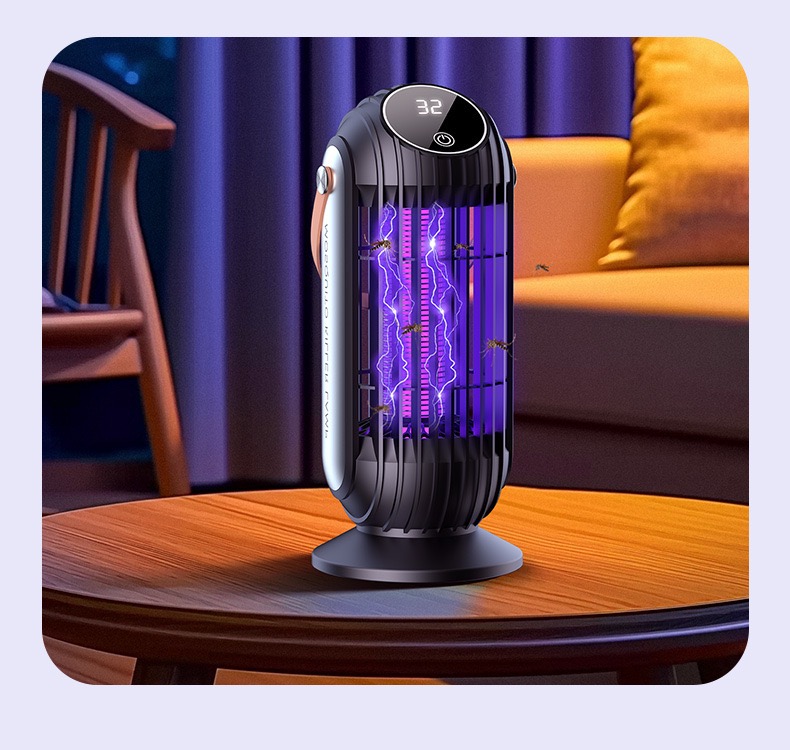
One of the main benefits of using a bug zapper indoors is its convenience. It offers a hands - off approach to insect control. Once set up, you don't need to actively monitor or operate it constantly. It can work silently in the background, reducing the presence of annoying insects while you go about your daily activities.
Another advantage is that it's a chemical - free method. For those who are concerned about the potential health risks and environmental impacts of using insecticides indoors, bug zappers provide a safer alternative. They don't release harmful chemicals into the air, making them a good choice for households with children, pets, or individuals with respiratory sensitivities.
Disadvantages of Using Bug Zappers Indoors
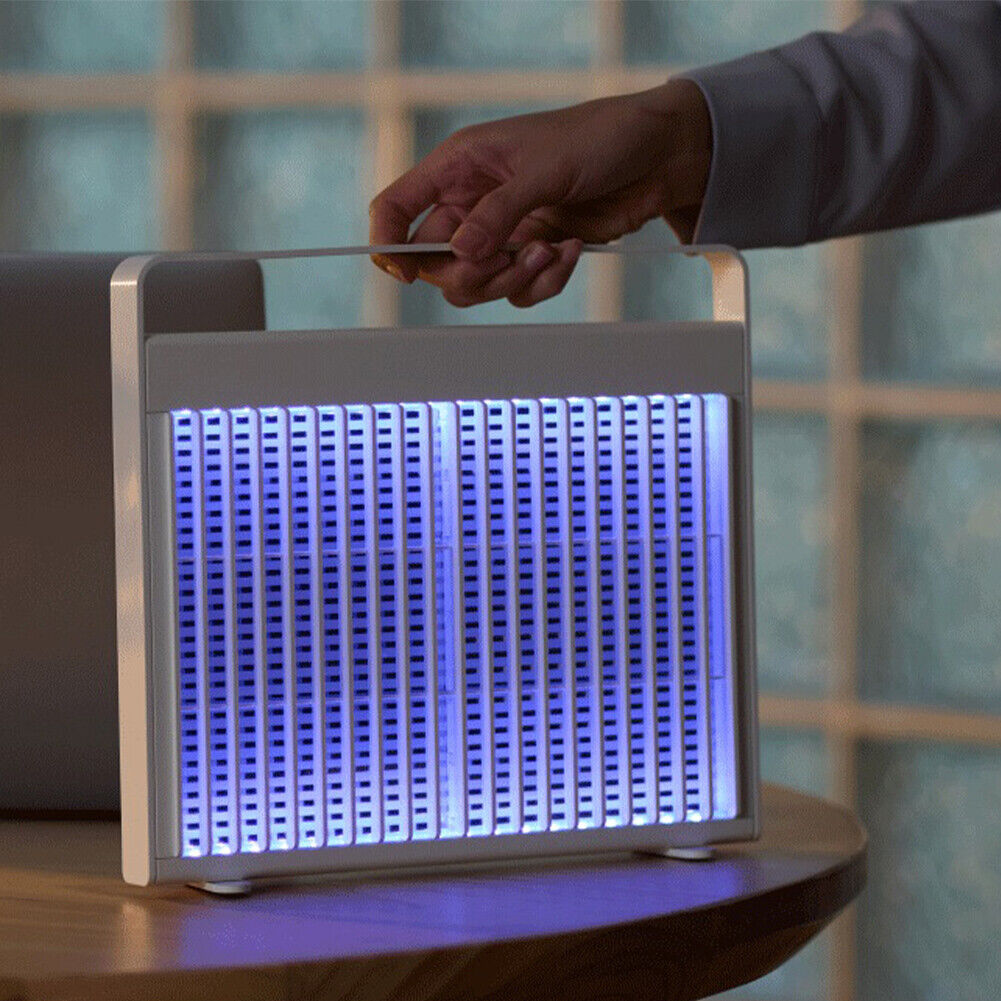
However, there are also drawbacks to using bug zappers indoors. Firstly, when bugs are zapped, they can release small particles and debris into the air. This can be a problem, especially for people with allergies or respiratory issues, as these particles might trigger allergic reactions or irritate the lungs.
Secondly, bug zappers might not be as effective indoors as expected. Since indoor spaces often have multiple light sources and distractions, the UV light of the bug zapper may not be the most attractive thing for insects. Additionally, in a confined indoor environment, insects might not be as freely mobile, reducing the chances of them encountering the bug zapper.
Safety Precautions for Indoor Bug Zapper Use
If you decide to use a bug zapper inside, here are some important safety precautions:
- Proper Placement: Place the bug zapper at a safe height, out of reach of children and pets. Avoid placing it near flammable materials, as the heat generated during the zapping process could potentially pose a fire risk. Also, position it away from areas where people frequently gather, such as dining tables or sofas, to prevent accidental contact with the charged grids.
- Regular Maintenance: Keep the bug zapper clean. Over time, dead insects can accumulate on the grids, reducing its efficiency. Unplug the device and carefully clean the grids with a soft brush or cloth to ensure it continues to function properly.
Alternatives to Indoor Bug Zappers
There are several alternatives to indoor bug zappers. Sticky traps are a simple and effective option. They use adhesive surfaces to catch insects and are relatively mess - free. Electronic insect repellents can also be used indoors. These devices emit ultrasonic waves that are believed to repel insects without causing any harm to humans or pets. For a more natural approach, you can use essential oil diffusers with insect - repelling oils like citronella, lavender, or eucalyptus to keep bugs at bay.
In conclusion, while it is possible to use a bug zapper inside, it's important to weigh the advantages and disadvantages and take necessary safety measures. Exploring alternative indoor insect control methods can also help you find the most suitable solution for keeping your indoor environment bug - free.
How to Use a Bug Zapper
Does a Bug Zapper Work for Flies
Related Article

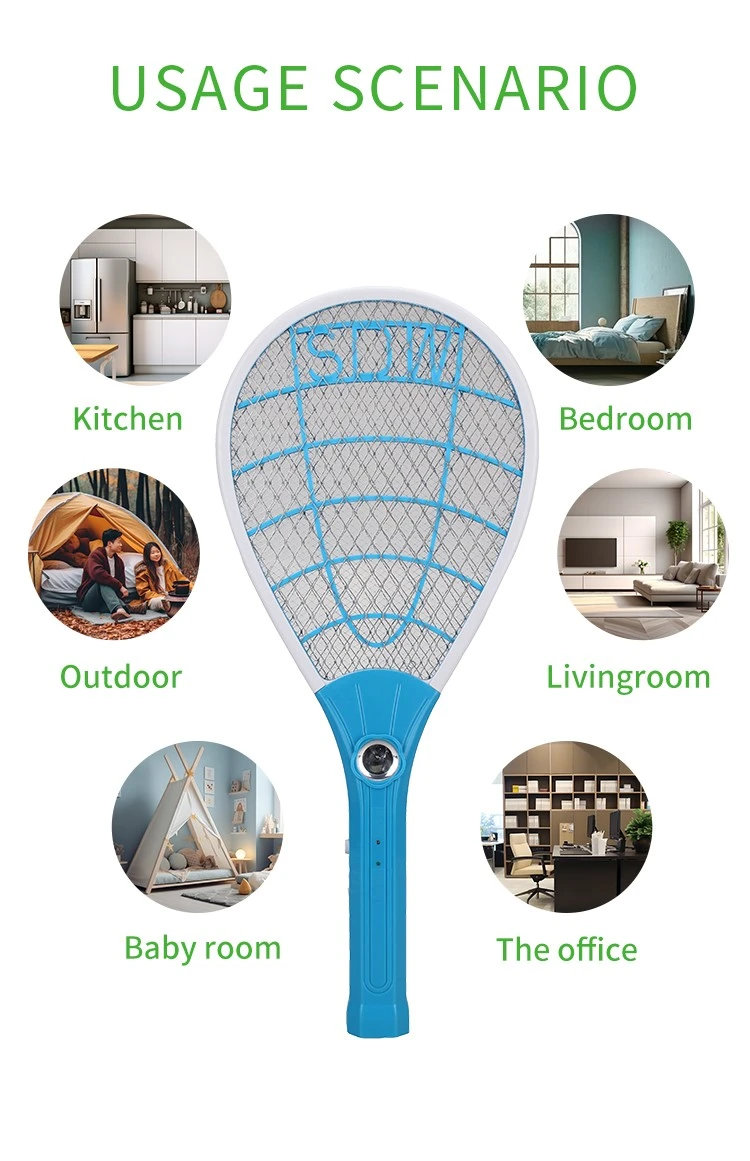
If you’re struggling with annoying mosquitoes, flies, and other flying pests indoors and outdoors, upgrading from traditional manual tools to anElectric Mosquito Swatter is the most efficient solution. Many homeowners and renters search where to buy fly swatter online to find durable, safe, and high-performance electric models that deliver instant pest control.
Where to Buy Fly Swatter
Most importers of electric mosquito swatters obsess over the first order: samples requested, factories vetted, a pre-shipment inspection booked. Then the reorder arrives eight months later and something is off. The grid feels softer. The charge port is a slightly different shade of black. The carton thickness dropped from 350 gsm to 300 gsm. Nothing is catastrophic — but the product no longer matches what your retail customers approved, and quietly, your return rate starts climbing.
How to Keep Mosquito Swatter Quality Consistent Across Repeat Orders
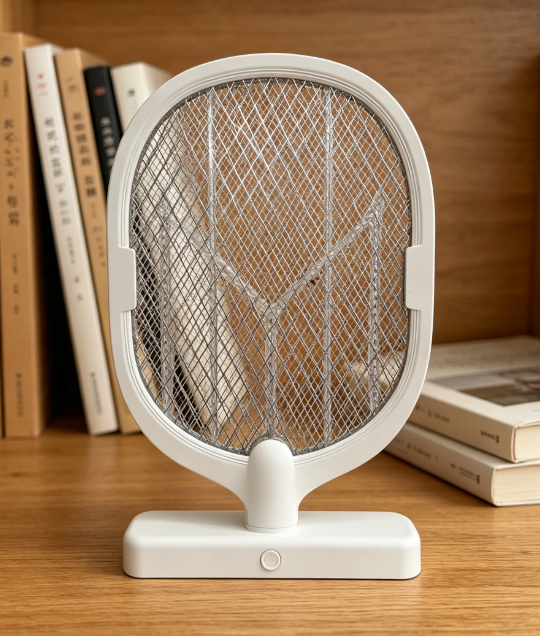
Warranty returns are the silent margin killer in the mosquito control category. A distributor who buys a swatter at $1.80 FOB and retails it at $9.90 can absorb a 1% return rate without noticing — but at 5%, the combined cost of replacement units, reverse logistics, and refund processing erases most of the line's profit.
Common mosquito swatter killer lamp failure modes wholesale spec guide

Digital bathroom scales rank as the second-highest-volume consumer weighing product category, only behind kitchen scales, with distinct market and product characteristics that set them apart from other scale types in importers’ product portfolios.
Digital bathroom body fat-bia-scale wholesale buyers guide