
Can You Use Bug Zapper Indoors
2025-05-28
Can You Use Bug Zapper Indoors
Understanding Bug Zappers
Bug zappers are devices designed to attract and eliminate flying insects such as mosquitoes, flies, and moths. They typically work by emitting ultraviolet (UV) light, which attracts insects. Once the insects get close, they are electrocuted by a high-voltage grid. This straightforward yet effective mechanism has made bug zappers a popular choice for pest control.
The Case for Using Bug Zappers Indoors
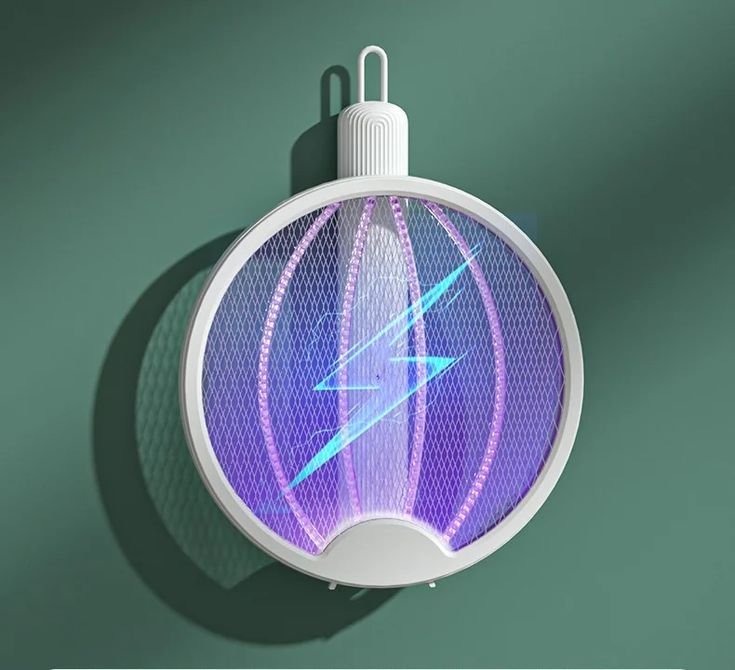
One of the main advantages of using a bug zapper indoors is its ability to control flying insects. In areas where insects are a nuisance, especially during the warmer months, a bug zapper can significantly reduce the number of bugs in your living space. This can lead to a more com
fortble indoor environment, free from the annoyance of buzzing insects.
2. Chemical-Free Option
Bug zappers offer a chemical-free alternative to traditional insecticides. For those who are concerned about the potential health risks associated with chemical pesticides, or for households with children and pets, this is a major plus. It provides a way to get rid of bugs without exposing your family to harmful chemicals.
The Concerns of Using Bug Zappers Indoors
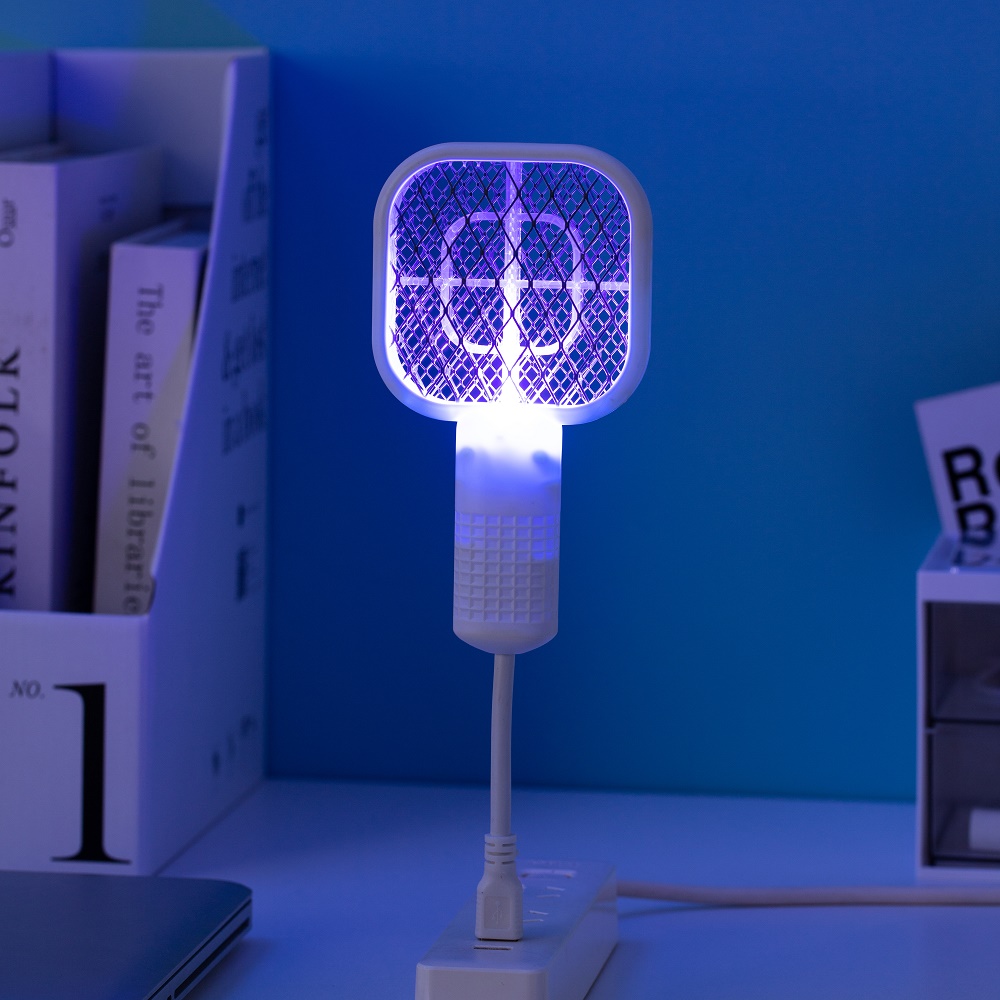
There are safety concerns when using bug zappers indoors. The high-voltage grid can pose a risk of electric shock, especially if there are curious children or pets around. Additionally, when insects are electrocuted, small pieces of debris may be scattered, which could be a potential hazard.
2. Limited Effectiveness on Certain Insects
Bug zappers are not equally effective on all types of flying insects. For example, mosquitoes, which are often the main target indoors, are more attracted to carbon dioxide and body heat than UV light. So, while a bug zapper may catch some mosquitoes, it may not be as effective as other mosquito control methods, such as mosquito nets or repellents.
3. Noise and Aesthetic Issues
The sound of insects being electrocuted can be quite loud and annoying, especially in a quiet indoor environment. Moreover, the sight of dead insects on or around the zapper may not be appealing to everyone, affecting the overall aesthetics of the room.
Tips for Using Bug Zappers Indoors Safely
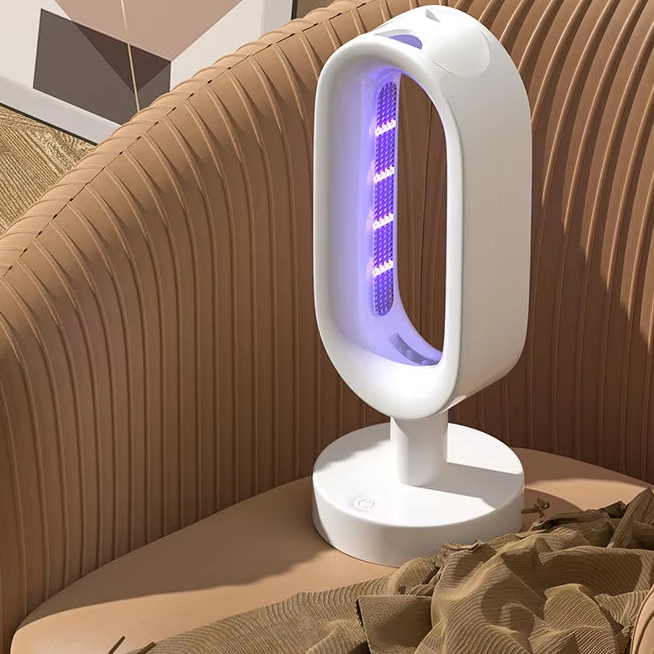
If you decide to use a bug zapper indoors, here are some tips to ensure safety and effectiveness:
- Placement: Place the bug zapper at least 3 feet off the ground and away from areas where people frequently gather. Keep it out of reach of children and pets.
- Maintenance: Regularly clean the bug zapper to remove dead insects and debris. This not only improves its performance but also reduces the risk of fire hazards.
- Supplement with Other Methods: Since bug zappers have limitations, consider using them in combination with other pest control methods, such as window screens and natural repellents, for better results.
Conclusion
In conclusion, while it is possible to use bug zappers indoors, there are both benefits and drawbacks to consider. They can be an effective and chemical-free way to control some flying insects, but they also come with safety risks and may not be as effective on certain pests like mosquitoes. By following the safety tips and using them in conjunction with other methods, you can make the most of your bug zapper and create a more insect-free indoor environment.
Where to Place a Bug Zapper
How to Make a Mosquito Trap
Related Article

If you’re struggling with annoying mosquitoes, flies, and other flying pests indoors and outdoors, upgrading from traditional manual tools to anElectric Mosquito Swatter is the most efficient solution. Many homeowners and renters search where to buy fly swatter online to find durable, safe, and high-performance electric models that deliver instant pest control.
Where to Buy Fly Swatter
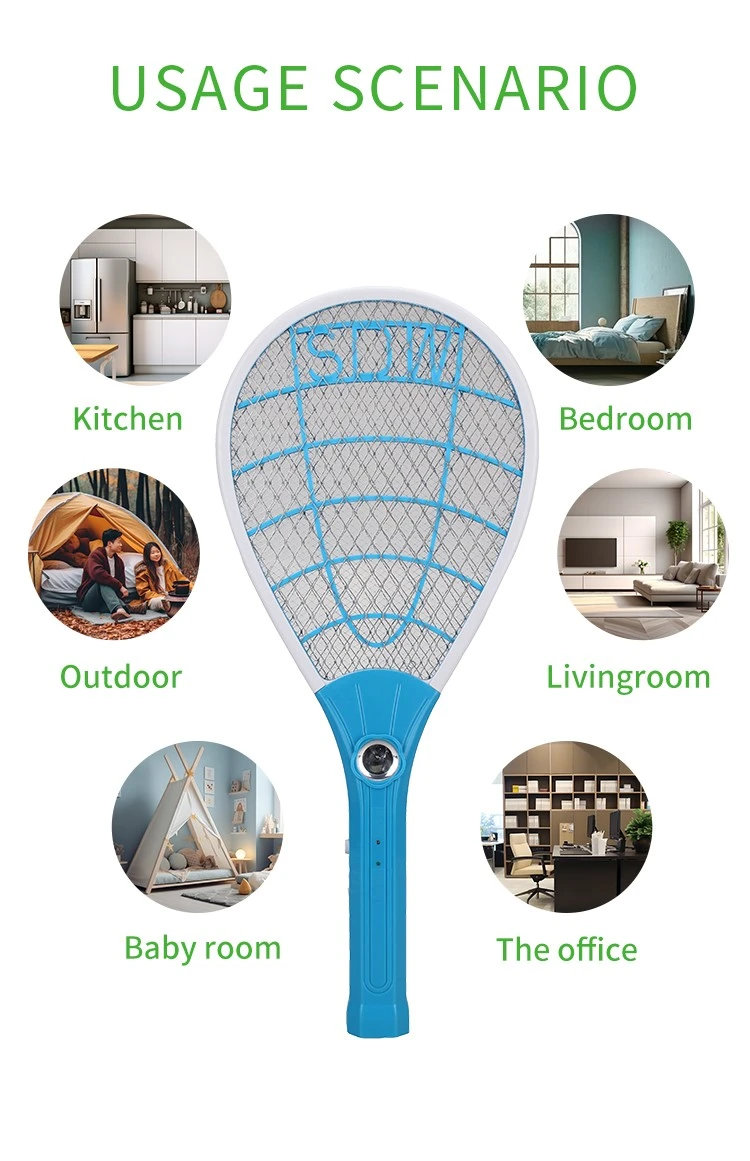
Most importers of electric mosquito swatters obsess over the first order: samples requested, factories vetted, a pre-shipment inspection booked. Then the reorder arrives eight months later and something is off. The grid feels softer. The charge port is a slightly different shade of black. The carton thickness dropped from 350 gsm to 300 gsm. Nothing is catastrophic — but the product no longer matches what your retail customers approved, and quietly, your return rate starts climbing.
How to Keep Mosquito Swatter Quality Consistent Across Repeat Orders
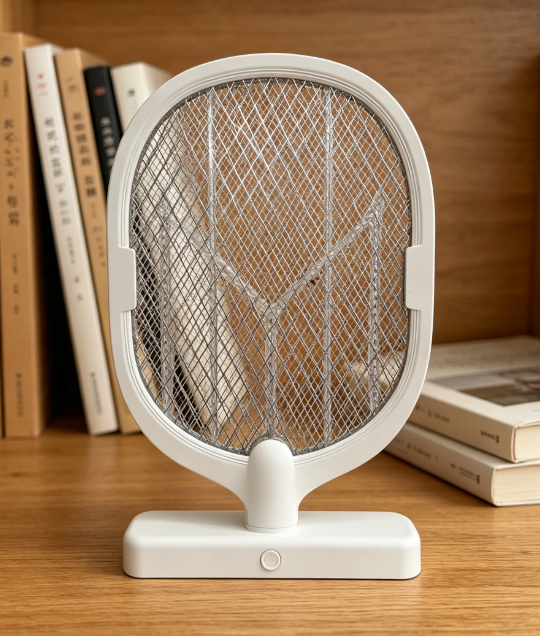
Warranty returns are the silent margin killer in the mosquito control category. A distributor who buys a swatter at $1.80 FOB and retails it at $9.90 can absorb a 1% return rate without noticing — but at 5%, the combined cost of replacement units, reverse logistics, and refund processing erases most of the line's profit.
Common mosquito swatter killer lamp failure modes wholesale spec guide

Digital bathroom scales rank as the second-highest-volume consumer weighing product category, only behind kitchen scales, with distinct market and product characteristics that set them apart from other scale types in importers’ product portfolios.
Digital bathroom body fat-bia-scale wholesale buyers guide