
Can You Use Mosquito Lamps in School Dormitories
2026-07-17
Can You Use Mosquito Lamps in School Dormitories? Compliance Guide for Dormitory Mosquito Killers
Every summer, mosquito infestations become a common nuisance in student dormitories, ruining nighttime sleep quality and increasing the risk of germ transmission. To achieve effective mosquito control, many students ask a key question: Can you use mosquito lamps in school dormitories. According to national university dormitory fire safety regulations and campus accommodation rules, standard low-power mosquito lamps are permitted electronic devices and are not classified as prohibited appliances. This article comprehensively explains the usage rules, forbidden types, safety guidelines, and alternative solutions for dormitory mosquito lamps, helping students avoid violations and use mosquito killers safely and effectively.
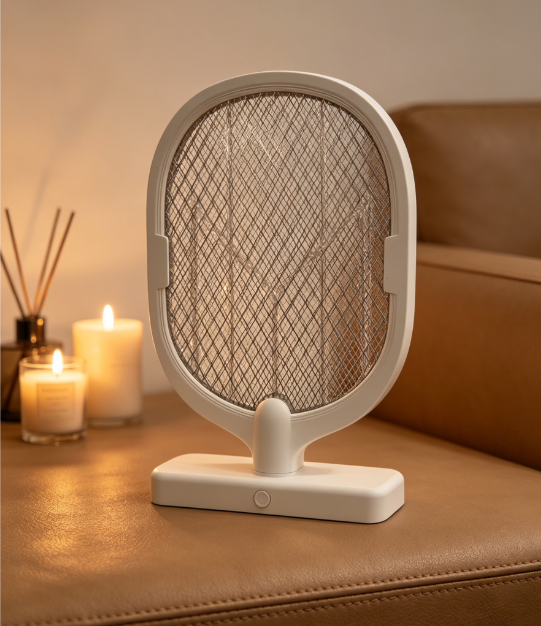
1. Official Rules for Mosquito Lamp Usage in School Dormitories
To confirm whether mosquito lamps are allowed in dormitories, it is essential to distinguish between prohibited electrical appliances and legal small mosquito control devices based on campus electricity and fire safety standards. This is the core reference to judge whether mosquito lamps can be used in dormitories.
1.1 Definition of Prohibited Appliances in Student Dormitories
In accordance with theHigher Education Institution Fire Safety Management Regulations issued by the Ministry of Education and campus dormitory management policies, prohibited dormitory electrical appliances fall into two main categories. The first is high-power appliances, including electric water heaters, kettles, electric blankets, induction cookers, and high-wattage hair dryers. These devices easily cause circuit overload and fire hazards. The second category covers open-flame and high-risk heating equipment, such as traditional mosquito coils, alcohol stoves, and heated mosquito dispensers, which are flammable and explosive.
Additionally, schools strictly ban uncertified, counterfeit, and modified electrical devices, as well as unauthorized wiring and overloaded electricity usage. Standard small mosquito lamps operate at only 5-10 watts, featuring ultra-low power consumption, no open flames, and no high-temperature risks. They are completely excluded from the list of prohibited dormitory appliances.
1.2 Core Safety Features of Compliant Mosquito Lamps
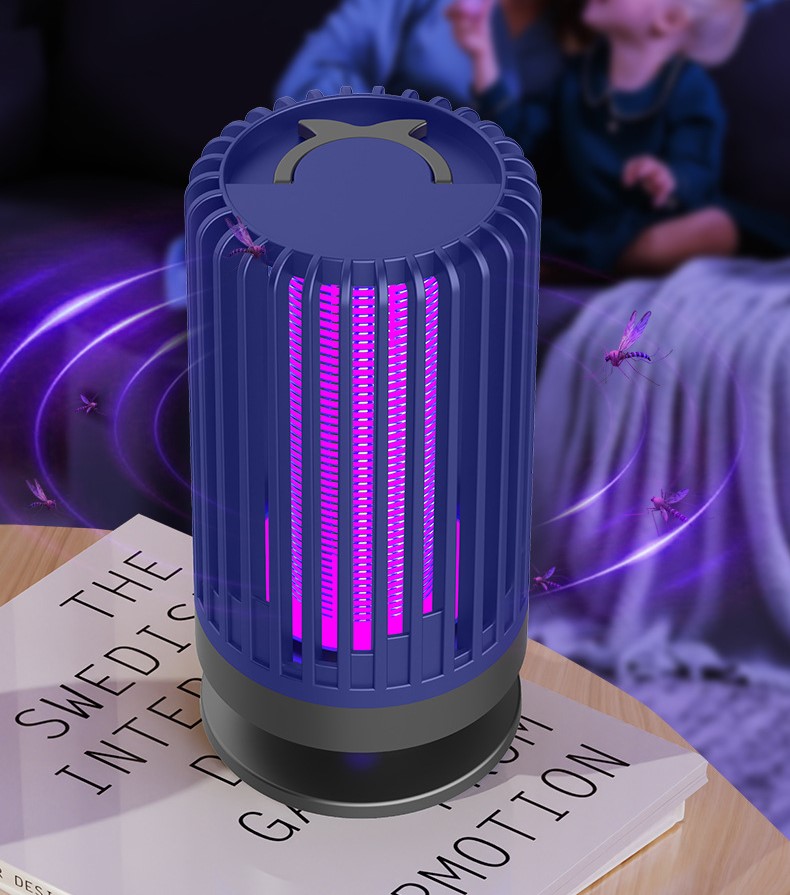
Genuine dormitory-specific mosquito lamps are designed to adapt to campus power supply environments with multiple safety advantages, making them officially permitted in most schools. First, low power and energy consumption prevent dormitory circuit overload and match standard campus power supply specifications. Second, no open flame or high temperature. These lamps use ultraviolet light attraction and wind suction mosquito removal technology, producing no heat sources that could ignite bedding, clothing, or other flammable items. Third, complete compliance certifications. Qualified products come with official safety certifications, meeting basic campus electrical usage standards.
2. Types of Mosquito Lamps Prohibited in School Dormitories (Common Violations)
Although regular compact mosquito lamps are allowed, not all mosquito killers comply with dormitory rules. Many high-risk mosquito lamp models purchased by students are confiscated during dorm inspections and result in disciplinary notices. Students must avoid these non-compliant types.
2.1 High-Voltage Electric Shock Mosquito Lamps
Commercial and outdoor high-voltage electric shock mosquito lamps exceed standard dormitory power limits and pose severe safety risks due to their high-voltage circuits. These devices generate electric sparks during operation, which can easily ignite curtains, bedding, and other flammable materials. They also carry electric leakage hazards, leading almost all universities to explicitly ban their use in student dormitories.
2.2 Mosquito Lamps with Heating Auxiliary Functions
Some multi-functional mosquito lamps are equipped with heating modules for mosquito repellent tablets and liquid refills. These devices are classified as heated mosquito repellent equipment, identical to prohibited electric mosquito heaters. Continuous unattended heating in dormitories may cause short circuits and spontaneous combustion, violating campus fire safety regulations and counting as definite rule-breaking devices.
2.3 Uncertified Low-Quality No-Brand Mosquito Lamps
Cheap uncertified mosquito lamps feature shoddy craftsmanship, messy internal wiring, and poor insulation. Long-term use frequently causes short circuits, electric leakage, and overheating, posing major fire and electric safety hazards. During routine dorm safety checks, all unbranded, uncertified, and untested electrical products are confiscated immediately, and these low-quality mosquito lamps are strictly forbidden in dormitories.
3. Standard Usage Rules for Mosquito Lamps in School Dormitories (Safe & Compliant)
After confirming mosquito lamps are allowed in university dormitories, standardized usage is critical to avoid safety risks and rule violations. Below are simple, practical guidelines tailored for student dormitories.
3.1 Standard Placement Requirements
Place mosquito lamps on flat, dry desks or open ground areas, keeping them at least 50 centimeters away from all flammable items including beds, bedding, curtains, and clothing. Never place mosquito lamps near pillows, bedside areas, or inside closed cabinets to eliminate potential safety hazards. Avoid blocking the ventilation and mosquito attraction windows to ensure optimal mosquito removal performance.
3.2 Strict Electricity Usage Regulations
Use only certified compliant power strips without unauthorized wire extension. Do not operate multiple high-power devices on a single power strip to prevent circuit overload. Ensure plugs are fully inserted and secure, avoid squeezing or twisting power cords, and never wrap wires around bedding or furniture to prevent wire damage and short circuits.
3.3 Unattended Power-Off Rule
This is the core principle of dormitory electrical safety. Always turn off and unplug mosquito lamps when leaving the dormitory for classes, self-study, or outdoor activities. Never leave the device powered on unattended for extended periods. Mosquito lamps can be safely used overnight during sleep, provided they are placed away from beds to balance safety and mosquito repellent effects.
4. Compliant Alternative Mosquito Control Solutions for Dormitories (Zero Violation & High Adaptability)
For students in universities with strict electrical appliance management policies or those seeking risk-free alternatives, the following fully compliant mosquito control methods fit all dormitory management regulations perfectly.
First, physical mosquito prevention. Installing encrypted dormitory mosquito nets is the safest, zero-risk solution to block mosquitoes completely with no electricity or fire hazards. Second, certified mosquito repellent sprays. Choose non-flammable, alcohol-free topical sprays for skin and clothing protection with no electrical or open-flame risks. Third, regular dormitory sanitation maintenance. Clean stagnant water and garbage regularly and maintain good ventilation to eliminate mosquito breeding grounds for long-term mosquito control.
5. Frequently Asked Questions About Dormitory Mosquito Lamps
5.1 Will using a mosquito lamp trip dormitory power breakers?
Genuine low-power mosquito lamps only consume 5-10 watts of power, far below dormitory circuit load limits, and will not cause power trips or outages under normal use. Trips only occur when using high-voltage electric shock mosquito lamps, faulty low-quality devices, or overloaded power strips with multiple high-power appliances.
5.2 Will mosquito lamps be confiscated during military training or dorm inspections?
Compliant low-power suction-based mosquito lamps with official safety certifications are not prohibited appliances and will not be confiscated during routine dorm checks or military training inspections. Only high-voltage electric shock models, heating-functional models, and uncertified low-quality mosquito lamps are subject to confiscation and rectification.
5.3 Are mosquito lamps allowed in all university dormitories?
The vast majority of domestic universities permit the use of standard certified small mosquito lamps. A small number of military academies and closed-campus institutions have special electrical control policies. Students can check their student handbook or consult dorm supervisors to confirm specific campus rules.
6. Conclusion
In summary, compliant low-power mosquito lamps are permitted in school dormitories. Certified suction-based mosquito killers with low power output and no heat or open-flame risks fully comply with university dormitory fire safety and electricity usage regulations. Students only need to avoid high-voltage electric shock, heating-functional, and uncertified counterfeit mosquito lamps, and follow core rules including keeping the device away from flammables and powering it off when unattended. For optimal summer dormitory mosquito control, combine certified compact mosquito lamps with physical mosquito nets to eliminate mosquito disturbances while completely avoiding safety risks and campus rule violations.
Electric Mosquito Swatter Safety Guide
What Is the General Voltage and Power of a Mosquito Lamp
Related Article

If you’re struggling with annoying mosquitoes, flies, and other flying pests indoors and outdoors, upgrading from traditional manual tools to anElectric Mosquito Swatter is the most efficient solution. Many homeowners and renters search where to buy fly swatter online to find durable, safe, and high-performance electric models that deliver instant pest control.
Where to Buy Fly Swatter
Most importers of electric mosquito swatters obsess over the first order: samples requested, factories vetted, a pre-shipment inspection booked. Then the reorder arrives eight months later and something is off. The grid feels softer. The charge port is a slightly different shade of black. The carton thickness dropped from 350 gsm to 300 gsm. Nothing is catastrophic — but the product no longer matches what your retail customers approved, and quietly, your return rate starts climbing.
How to Keep Mosquito Swatter Quality Consistent Across Repeat Orders
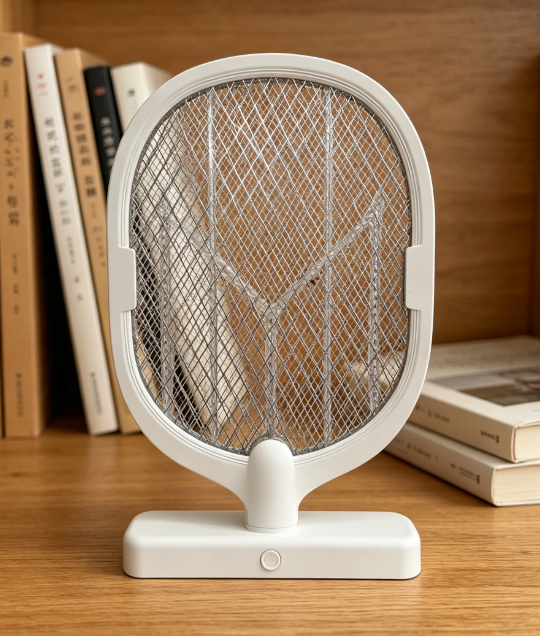
Warranty returns are the silent margin killer in the mosquito control category. A distributor who buys a swatter at $1.80 FOB and retails it at $9.90 can absorb a 1% return rate without noticing — but at 5%, the combined cost of replacement units, reverse logistics, and refund processing erases most of the line's profit.
Common mosquito swatter killer lamp failure modes wholesale spec guide

Digital bathroom scales rank as the second-highest-volume consumer weighing product category, only behind kitchen scales, with distinct market and product characteristics that set them apart from other scale types in importers’ product portfolios.
Digital bathroom body fat-bia-scale wholesale buyers guide