
canton-fair-140-vetting-mosquito-swatter-suppliers
2026-09-22
How to Vet Mosquito Swatter Suppliers at the 138th Canton Fair: A Buyer's Field Guide
The 140th Canton Fair opens in Guangzhou on October 15, 2026. For importers of electric mosquito swatters, mosquito killer lamps, and small kitchen scales, it remains the most efficient supplier vetting event of the year. In just three to four days on-site, buyers can connect with more qualified manufacturers than they typically find through a full year of email outreach.
The Canton Fair rewards structured preparation and punishes casual on-site improvisation. Buyers who walk the halls only collecting brochures leave with a stack of business cards and no actionable supplier shortlist. Those who follow a systematic process can filter down to 2–3 verifiable factories for auditing, sampling, and formal ordering before Chinese New Year production planning closes in February 2027.
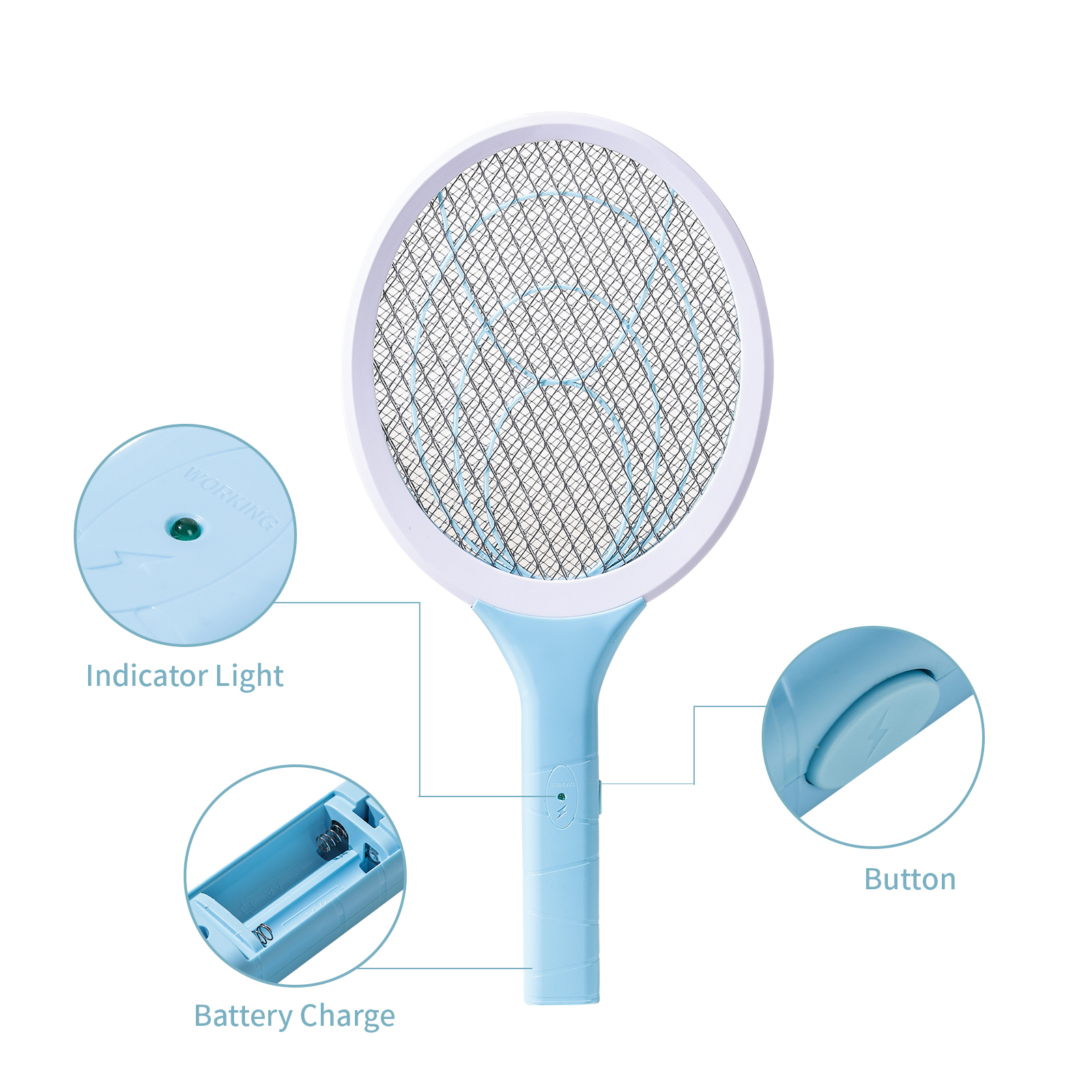
Why the Canton Fair Remains Critical for Mosquito Swatter Sourcing
Hosting over 25,000 exhibitors across approximately 1.55 million square meters, the Canton Fair consolidates the complete Pearl River Delta supply chain. The Chaozhou and Shantou industrial clusters in eastern Guangdong produce the majority of the world’s electric mosquito swatters and USB mosquito killer lamps, and nearly all key manufacturers attend the fair.
Household electric appliances, including mosquito swatters, are exhibited in Phase 1 (October 15–19), which should be the core focus for all buyers in this category. The fair delivers three irreplaceable advantages that no online B2B platform can match:
-
Side-by-side physical product comparison: Mesh texture, plastic mold finishing, and switch tactility cannot be judged from online photos but are instantly visible when handling physical samples.
-
Direct access to decision-makers: On-site meetings connect buyers directly with export managers or factory owners who have final authority over MOQ customization, tooling development, and pricing negotiations.
-
Q4 market pricing foresight: October exhibitors quote based on real-time material costs and current Q4 capacity pressure, allowing buyers to lock in stable pricing before the annual CNY production rush drives up costs and lead times.
Pre-Show Preparation: Build Your Appointment List 2 Weeks in Advance
Begin preparation at least 14 days before the fair opening. Follow this standardized workflow:
-
Shortlist 20–30 targeted exhibitors: Use the official Canton Fair exhibitor directory combined with cross-verification on mainstream B2B platforms. Filter for verified manufacturers based in Guangdong with proven small home appliance export experience.
-
Verify export track records: Prioritize suppliers with 5+ years of documented export experience in your target markets. Seasoned exporters deliver far more reliability than first-time exhibitors with polished booths but no real shipment experience.
-
Send appointment requests 2–3 weeks early: Clearly state your product requirements (e.g., 3000mAh rechargeable electric mosquito swatter with triple-layer mesh), estimated annual order volume, and required certifications (CE, RoHS, FCC, or region-specific standards). Reputable factories reply within 48 hours and reserve dedicated 30–45 minute consultation slots.
-
Request catalogs and sample specifications in advance: Pre-select 2–3 core models for on-site testing. This quickly exposes trading companies, who cannot answer technical questions about their purported “in-house” products.
-
Optimize booth visiting routes: Cluster appointments by geographic location within the exhibition hall. Arrange product testing in the morning and in-depth business negotiations in the afternoon to avoid inefficient cross-hall travel.
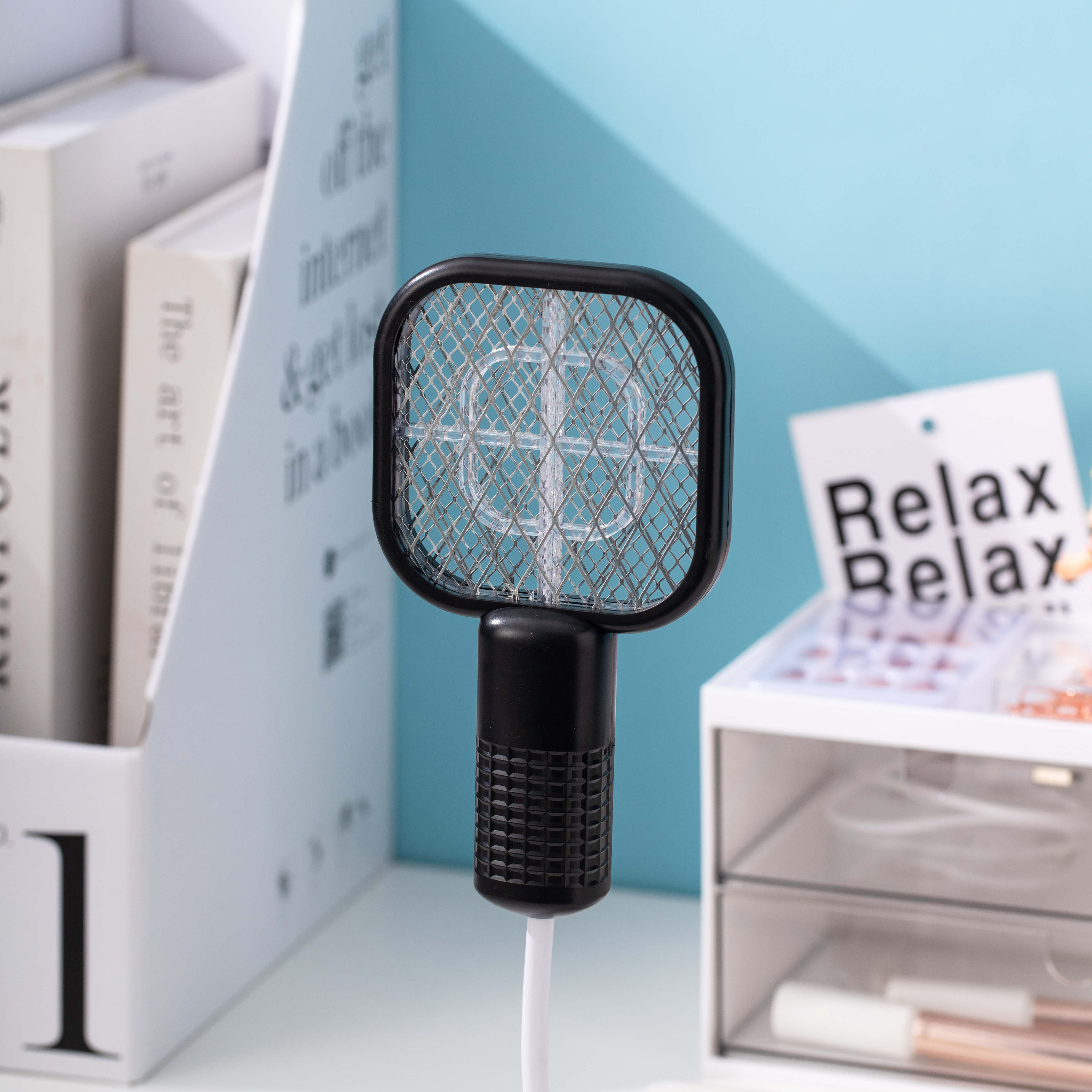
Key Booth Questions: Tell Real Factories Apart from Traders
Not all booths labeled “factory” operate independent production lines. Trading companies are not inherently unqualified partners, but OEM/ODM orders require clear confirmation of who controls tooling, quality control, and lead times. These six targeted questions effectively distinguish manufacturers from middlemen:
|
Questions
|
Genuine Manufacturer Responses
|
Trader Red Flags
|
|
How many injection molding machines do you have, and what is your tonnage range?
|
Provides specific figures, e.g., “14 injection molding machines, ranging from 80 to 250 tons.”
|
Vague answers only, such as “We have reliable partner factories.”
|
|
Is the tooling for this model produced in-house? Can buyers own exclusive molds?
|
Details in-house mold workshop capabilities, steel grade standards, and clear mold ownership policies.
|
Cannot confirm directly and replies, “I need to check with our factory.”
|
|
What is the monthly production capacity for this specific model?
|
Provides accurate, model-specific capacity data based on formal shift schedules.
|
Gives ambiguous numbers and revises figures when pressed for details.
|
|
Which certification tests can you complete in your own laboratory?
|
Lists in-house testing equipment for hipot, grid voltage, and product lifespan tests; provides certificates issued under the factory’s legal name.
|
Only offers third-party certificate copies issued under another company’s name.
|
|
Can we visit your production facility after the fair?
|
Confirms immediately with detailed visiting arrangements; eastern Guangdong factories often welcome on-site visits within the same week.
|
Hesitates and only offers a Guangzhou showroom visit with no access to production lines.
|
|
What was your product defect rate last season, and how do you control quality issues?
|
Provides specific PPM defect rates, standard AQL inspection rules, and complete CAPA improvement procedures.
|
Relies solely on empty claims like “excellent quality” with no data or process support.
|
On-Site Technical Due Diligence: 60-Second Quick Quality Check
Bring your current best-selling product as a benchmark sample for on-site comparison. Most booths allow side-by-side product testing. Evaluate every candidate model with the following fast checks:
-
Mesh safety inspection: Verify mesh layers. Triple-layer inner mesh effectively prevents accidental electric shock. Press the outer mesh; if it deforms and touches the live inner layer, the product has critical safety flaws.
-
Switch & handle durability test: Press the trigger over 200 times to test tactility and stability. Loose handles or rough molding burrs indicate aging molds and poor quality control.
-
Charging port verification: Prioritize USB-C equipped models to comply with the EU common charger regulations for European market shipments.
-
Mosquito lamp performance check: Confirm UV wavelength (365nm and 395nm deliver vastly different insect-trapping effects). Test fan noise levels; noise exceeding 30dB will cause user complaints for bedroom scenarios.
-
Label parameter consistency check: Cross-verify marked battery capacity, voltage, and certification marks with sales claims. Inconsistent sample labeling predicts batch shipment inconsistencies.
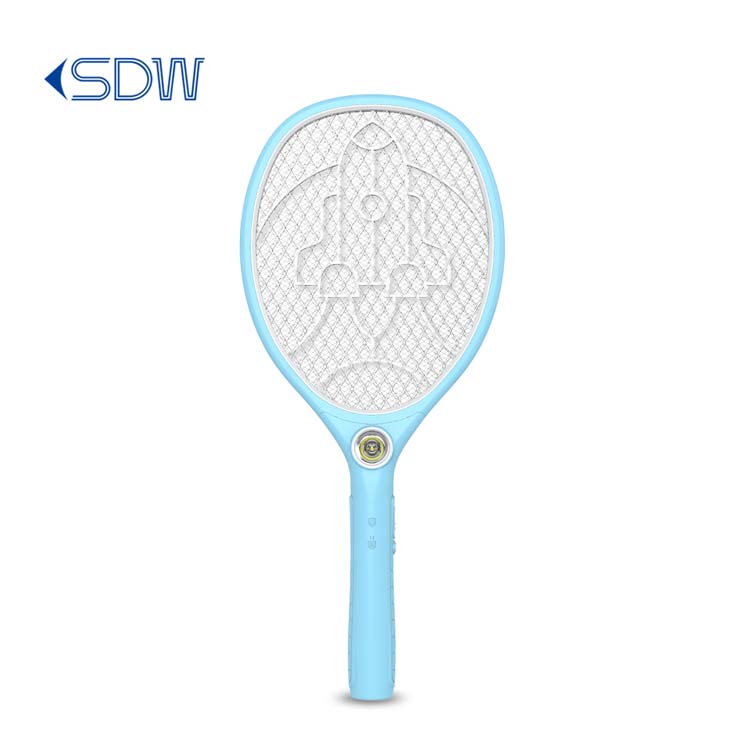
Must-Collect Materials from Qualified Booths
Standardize document collection for consistent post-show supplier comparison and verification:
|
Collected Documents
|
Core Purpose
|
|
Business card with full registered English company name
|
Used to verify business licenses and legal entity information via official enterprise databases.
|
|
Export license / customs registration number (or photos)
|
Primary screening: Companies without independent export rights are disguised agents.
|
|
Product catalog with model numbers, MOQ and FOB price ranges
|
Written on-site data serves as the official benchmark for post-show price negotiations.
|
|
Certification copies (ISO9001, CE, RoHS, FCC, BSCI, Sedex, etc.)
|
Match certificate holder names with the company entity to avoid certificate leasing risks.
|
|
Photo of the on-site sales contact
|
A simple detail that significantly improves reply rates for post-show follow-up emails.
|
Post-Show Follow-Up: Convert Booth Leads to Verified Suppliers
The most critical supplier vetting takes place within two weeks after the fair concludes:
-
Send follow-up emails within 48 hours: Reference specific tested models and on-site negotiation details while information is fresh. Professional, targeted inquiries receive priority replies from qualified factories.
-
Verify legal enterprise qualifications: Check official Chinese business registration records to confirm the company’s business scope covers manufacturing, not merely trading services.
-
Request uncut live factory tours: For unvisited suppliers, demand a continuous live stream covering the full production process from molding workshops to final packaging. Edited videos are a major risk signal.
-
Order paid samples from your top 3 suppliers: Paid sampling filters out low-investment, unstable suppliers. Formal payment procedures also reflect the supplier’s transaction standardization and professionalism.
-
Schedule on-site factory audits: Travel by high-speed rail to the Chaozhou–Shantou manufacturing belt after the fair. An on-site audit before deposit payment is the most cost-effective risk prevention measure for new orders.
Timing Note: Confirming samples and factory audits in October–November perfectly aligns with pre-CNY production scheduling, securing stable Q4 and pre-holiday capacity. Orders initiated after mid-December will face intense capacity competition, higher premiums, and uncontrollable lead times.
Internal Links
How to Find a Reliable Mosquito Swatter Manufacturer in China How to Verify a Chinese Small Appliance Factory Best Mosquito Zapper — Product Page
Conclusion
Suppliers who welcome this level of scrutiny — booth testing, video tours, on-site audits — tend to be the same factories that hold certifications like ISO9001, BSCI, CE, RoHS, and FCC; it is the standard we have worked to for 15 years at Aofengming Electric in Chaozhou, and it is exactly what we would expect a serious buyer to check.
mosquito killer lamp kill mechanism grid vs sticky vs suction
Do Electric Mosquito Swatters Cause Electric Shocks
Related Article
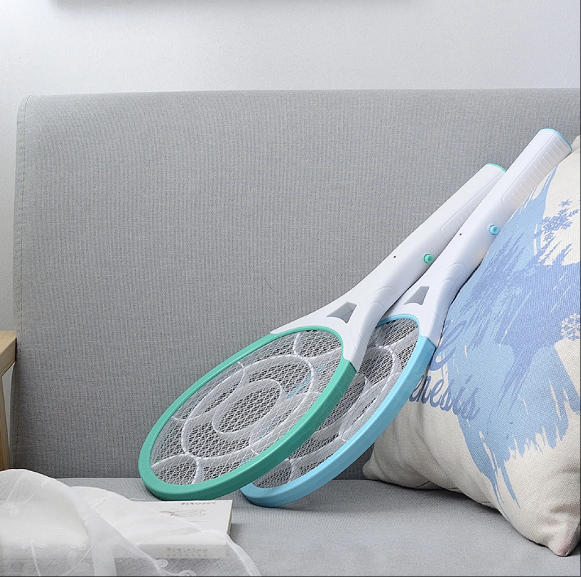
If you’re struggling with annoying mosquitoes, flies, and other flying pests indoors and outdoors, upgrading from traditional manual tools to anElectric Mosquito Swatter is the most efficient solution. Many homeowners and renters search where to buy fly swatter online to find durable, safe, and high-performance electric models that deliver instant pest control.
Where to Buy Fly Swatter
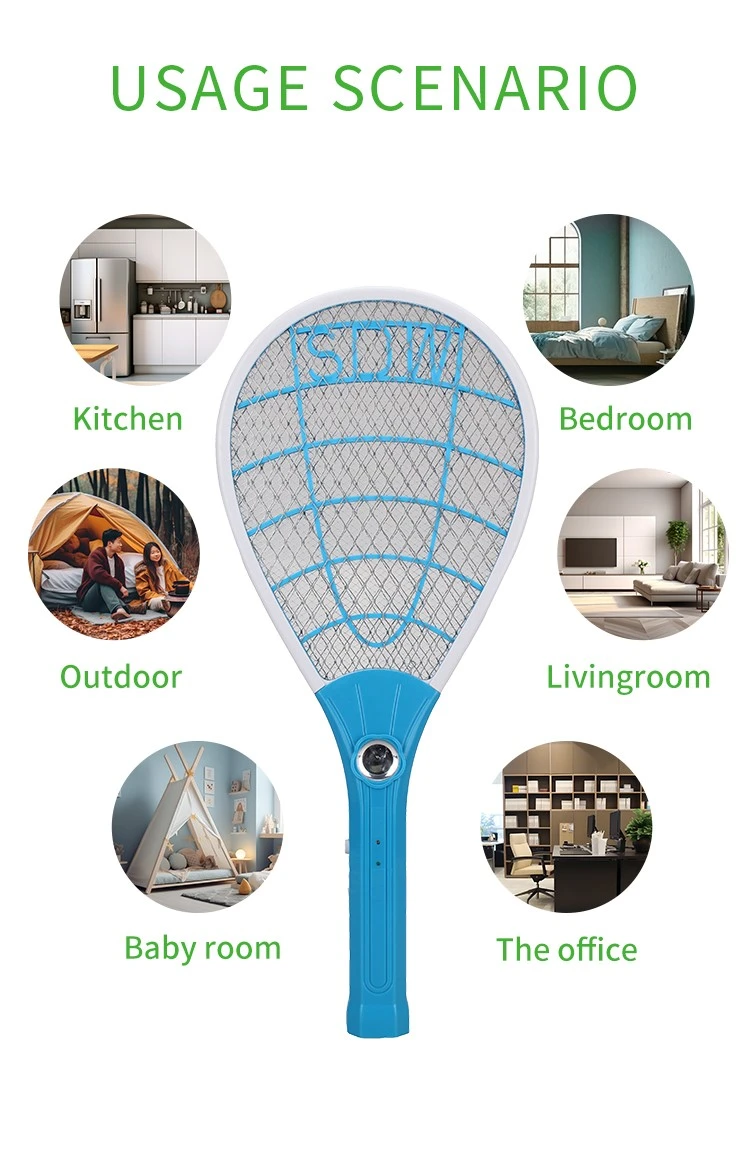
Most importers of electric mosquito swatters obsess over the first order: samples requested, factories vetted, a pre-shipment inspection booked. Then the reorder arrives eight months later and something is off. The grid feels softer. The charge port is a slightly different shade of black. The carton thickness dropped from 350 gsm to 300 gsm. Nothing is catastrophic — but the product no longer matches what your retail customers approved, and quietly, your return rate starts climbing.
How to Keep Mosquito Swatter Quality Consistent Across Repeat Orders
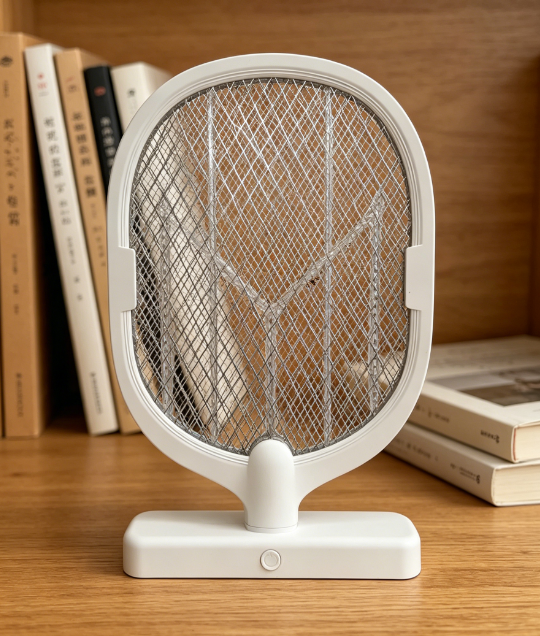
Warranty returns are the silent margin killer in the mosquito control category. A distributor who buys a swatter at $1.80 FOB and retails it at $9.90 can absorb a 1% return rate without noticing — but at 5%, the combined cost of replacement units, reverse logistics, and refund processing erases most of the line's profit.
Common mosquito swatter killer lamp failure modes wholesale spec guide

Digital bathroom scales rank as the second-highest-volume consumer weighing product category, only behind kitchen scales, with distinct market and product characteristics that set them apart from other scale types in importers’ product portfolios.
Digital bathroom body fat-bia-scale wholesale buyers guide