
Chemical-Free Indoor Mosquito Traps for a Comfortable Home
2026-10-16
How to Trap Mosquitoes Indoors: Simple, Effective Home Methods
Mosquitoes are one of the most annoying indoor pests, especially during warm seasons. Their buzzing noises disrupt sleep, their bites cause itchy skin irritation, and worse, they may carry harmful bacteria and viruses. While many people rely on chemical insect sprays, these products often contain harsh ingredients that are unsafe for kids, pets, and people with sensitive skin. Fortunately, there are plenty of simple, chemical-free, and highly effective ways to trap mosquitoes indoors with everyday household items. In this guide, we will share practical indoor mosquito trapping methods, key trapping principles, and useful tips to maximize your success.
Understanding How Indoor Mosquito Traps Work
Before learning specific trapping methods, it helps to know what attracts mosquitoes, as all effective traps target their core habits. Mosquitoes rely on three main senses to find hosts and habitats: carbon dioxide exhaled by humans and animals, body heat, and sweet, fermented odors. Most homemade and commercial indoor traps simulate these natural lures to draw mosquitoes in, then block their escape. Unlike insecticides that kill mosquitoes instantly, trapping methods are passive, long-lasting, and non-toxic, making them ideal for continuous indoor mosquito control.
Additionally, indoor mosquitoes prefer dark, humid, and still environments, such as corners of rooms, under beds, and behind curtains. Placing traps in these areas can greatly improve the trapping effect.
5 Easy DIY Indoor Mosquito Traps (With Household Items)
You don’t need expensive professional tools to trap indoor mosquitoes. Common items like plastic bottles, sugar, yeast, and dish soap can be made into efficient mosquito traps in minutes. Below are the most practical and high-success-rate DIY traps.
1. Sugar Yeast Bottle Trap (Most Classic & Effective)
This trap uses yeast fermentation to produce carbon dioxide and sweet odors, perfectly simulating human breathing to attract mosquitoes. It is suitable for all indoor spaces, including bedrooms, living rooms, and kitchens.
Materials needed: A 500ml plastic bottle, 2 tablespoons of white sugar, 1 teaspoon of dry yeast, warm water, and a small piece of tape.
Steps: First, cut the top one-third of the plastic bottle off with scissors. Pour 200ml of warm water (around 40℃, not hot) into the bottom half of the bottle, add the white sugar, and stir until fully dissolved. After the water cools to room temperature, sprinkle the dry yeast on the surface (do not stir). Then, invert the cut bottle top and insert it into the bottom bottle body, fixing the two parts with tape. Finally, place the trap in dark indoor corners.
Mosquitoes will be lured by the carbon dioxide and sweet smell, fly into the bottle, and get trapped in the sugar water, unable to escape. This trap can last for 5-7 days before needing a replacement.
2. Dish Soap & Sugar Water Trap
This method is simpler and requires no yeast. The combination of sugar’s sweet scent and dish soap’s viscosity can effectively trap and kill mosquitoes.
Materials needed: A shallow bowl, white sugar, warm water, and a few drops of dish soap.
Steps: Mix warm water and sugar in a 2:1 ratio in the bowl, stir well, and add 2-3 drops of dish soap. Place the bowl in mosquito-prone areas such as window sills and bedside tables. The sweet odor attracts mosquitoes, while the dish soap breaks the surface tension of the water. Once mosquitoes land on the water surface, they will sink and cannot fly away.
3. Vinegar Fruit Fly & Mosquito Trap
Mosquitoes are also attracted to the sour and fermented smell of vinegar. This trap works well for small indoor mosquitoes that often linger in kitchens and bathrooms.
Materials needed: A small cup, apple cider vinegar, and a few drops of dish soap.
Steps: Pour 100ml of apple cider vinegar into the cup, add one drop of dish soap, and shake gently. Place the cup in humid indoor areas. The vinegar’s scent lures mosquitoes, and the dish soap traps them in the liquid. For better results, you can cover the cup with plastic wrap and poke several small holes on the top to make it harder for mosquitoes to escape.
4. LED Light Mosquito Trap
Most mosquitoes are phototactic and tend to fly toward soft light at night. This physical trapping method is completely non-toxic and perfect for bedrooms while sleeping.
Materials needed: A small LED night light, a transparent bowl, and a little water with dish soap.
Steps: Place the LED night light on the floor or a low table, put the bowl of soapy water directly in front of the light, and turn off all other indoor lights at night. Mosquitoes will fly toward the LED light, accidentally fall into the soapy water, and get trapped.
5. Sticky Trap for Hidden Mosquitoes
Some mosquitoes hide in narrow gaps and rarely fly to open spaces. Sticky traps are ideal for catching these hidden mosquitoes.
Steps: Use commercial non-toxic insect sticky boards, or make simple sticky traps with cardboard and double-sided tape. Place the sticky traps under beds, behind doors, in cabinet gaps, and other dark corners. Mosquitoes that pass through these areas will stick to the trap and be caught.
Key Tips to Boost Indoor Mosquito Trapping Effect
Making effective traps is not enough; correct placement and daily habits determine the final mosquito control effect. Follow these tips to trap indoor mosquitoes more thoroughly.
1. Place Traps in the Right Spots
Avoid placing traps in bright, open areas. Prioritize dark, humid, and quiet corners where mosquitoes rest and move frequently, such as under beds, behind curtains, beside sofas, and bathroom corners. Also, keep traps away from fans and air conditioners, as wind will disperse the lure odor and reduce effectiveness.
2. Turn Off Competing Odors and Lights
Strong scents like perfume, air fresheners, and incense will interfere with the lure of sugar and vinegar traps. When using odor-based traps, try to keep indoor air fresh and avoid conflicting fragrances. At night, turn off unnecessary lights to ensure light-based traps can effectively attract phototactic mosquitoes.
3. Eliminate Indoor Standing Water First
Mosquitoes breed in standing water. Before setting traps, check and clean all indoor standing water sources, including flower pot trays, water cups, bathroom sinks, and pet water bowls. Reducing mosquito breeding grounds can drastically reduce the number of indoor mosquitoes, making trapping work more efficient.
4. Replace Traps Regularly
DIY liquid traps will lose their lure effect after several days as fermentation stops or the odor fades. It is recommended to replace sugar yeast traps every 5-7 days and soapy water traps every 3 days. Sticky traps should be replaced when they are covered with dust or insects.
What to Avoid When Trapping Indoor Mosquitoes
Many people make small mistakes that reduce trapping efficiency. Here are the most common errors to avoid. First, do not use boiling water for yeast traps, as high temperature will kill yeast and stop carbon dioxide production. Second, do not add too much dish soap, as excessive foam will weaken the odor lure. Third, do not place traps near windows with open screens, which will attract outdoor mosquitoes into the room and make the problem worse.
Final Words
Trapping mosquitoes indoors is a safe, eco-friendly, and sustainable alternative to chemical insecticides. With simple DIY traps and reasonable placement skills, you can effectively reduce indoor mosquito numbers, eliminate biting troubles, and create a comfortable living environment. Combining these trapping methods with regular cleaning and standing water removal will keep your home almost mosquito-free all year round. Start with one of the easy traps today and enjoy a quiet, bite-free indoor space!
mosquito-control-products-hotels-resorts-vacation-rentals-wholesale-guide
foldable-travel-size-electric-mosquito-swatter-wholesale-guide
Related Article
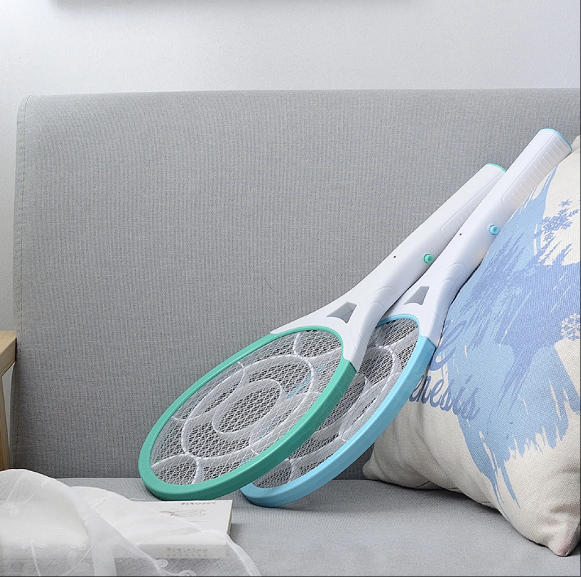
If you’re struggling with annoying mosquitoes, flies, and other flying pests indoors and outdoors, upgrading from traditional manual tools to anElectric Mosquito Swatter is the most efficient solution. Many homeowners and renters search where to buy fly swatter online to find durable, safe, and high-performance electric models that deliver instant pest control.
Where to Buy Fly Swatter
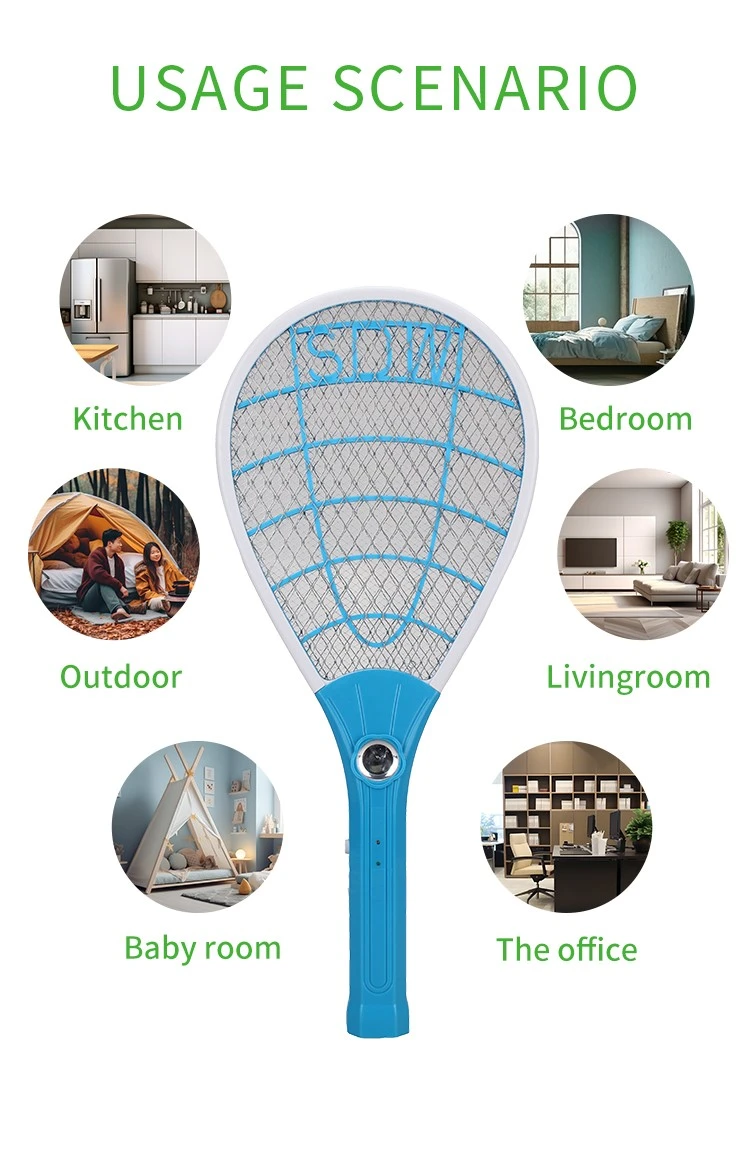
Most importers of electric mosquito swatters obsess over the first order: samples requested, factories vetted, a pre-shipment inspection booked. Then the reorder arrives eight months later and something is off. The grid feels softer. The charge port is a slightly different shade of black. The carton thickness dropped from 350 gsm to 300 gsm. Nothing is catastrophic — but the product no longer matches what your retail customers approved, and quietly, your return rate starts climbing.
How to Keep Mosquito Swatter Quality Consistent Across Repeat Orders
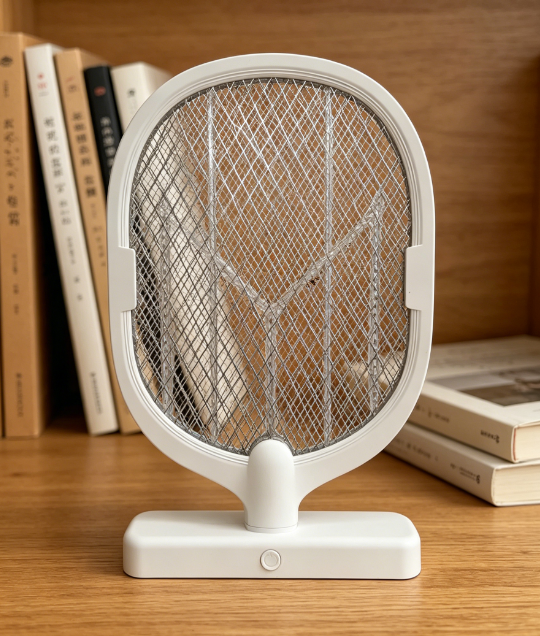
Warranty returns are the silent margin killer in the mosquito control category. A distributor who buys a swatter at $1.80 FOB and retails it at $9.90 can absorb a 1% return rate without noticing — but at 5%, the combined cost of replacement units, reverse logistics, and refund processing erases most of the line's profit.
Common mosquito swatter killer lamp failure modes wholesale spec guide
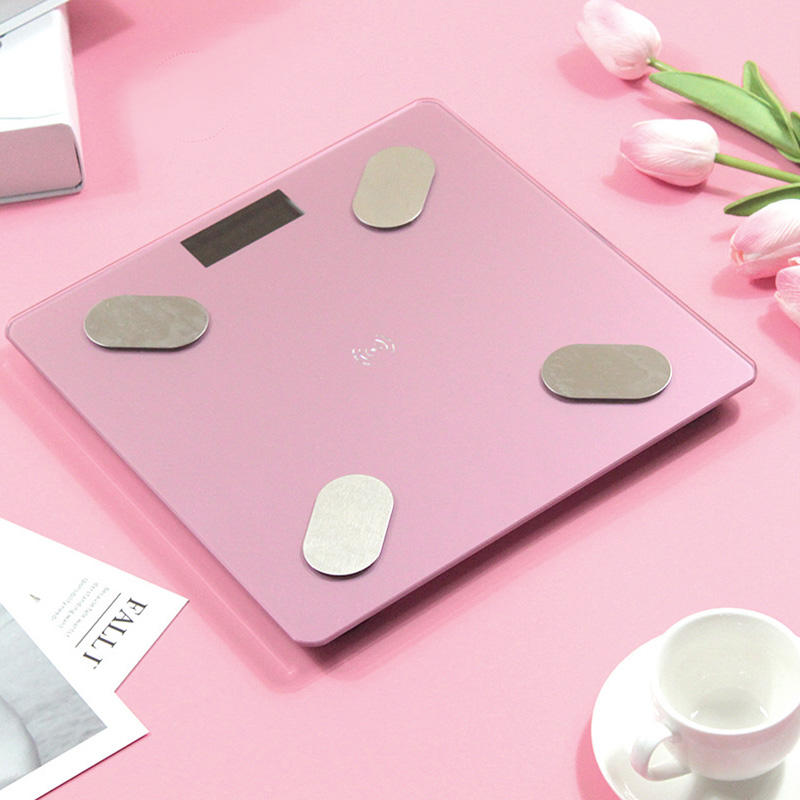
Digital bathroom scales rank as the second-highest-volume consumer weighing product category, only behind kitchen scales, with distinct market and product characteristics that set them apart from other scale types in importers’ product portfolios.
Digital bathroom body fat-bia-scale wholesale buyers guide