
Chikungunya Fever
2025-10-23
Chikungunya Fever: Recognizing Symptoms and Responding Scientifically
During summer and rainy seasons, insect-borne infectious diseases are always a hidden threat, and chikungunya fever is one of them. Caused by a mosquito-borne virus, this infection usually resolves in most patients, but its distressing symptoms can severely disrupt daily life, and in rare cases, it may lead to complications. Today, we will discuss the typical symptoms of chikungunya fever and the scientific ways to manage it after diagnosis, helping everyone achieve "early recognition and proper response".
I. What is Chikungunya Fever?
Chikungunya fever is caused by the chikungunya virus, primarily transmitted by Aedes aegypti and Aedes albopictus (commonly called "Asian tiger mosquitoes")—the same transmission route as dengue fever. It is widespread in tropical and subtropical regions, such as parts of Africa, Southeast Asia, and the Caribbean. However, with increased global travel and climate change, sporadic imported cases or localized outbreaks have been reported in southern U.S. states (like Florida, Texas) and southern European countries in recent years.
Marked by "sudden onset and noticeable symptoms", most people develop signs 3 to 7 days after being bitten by an infected mosquito. Its symptoms can easily be confused with those of the common cold, flu, or other mosquito-borne illnesses (like Zika virus disease), making accurate identification critical.
II. Key Signs: Typical Symptoms of Chikungunya Fever
Symptoms of chikungunya fever fall into "acute phase" and "recovery phase", with the following core manifestations:
1. Acute Phase: Sudden Onset and Concentrated Symptoms
- Sudden High Fever: Nearly all patients experience a rapid temperature spike to 102°F-104°F (39°C-40°C), lasting 3 to 5 days. In some cases, fever may return 1 to 2 days after subsiding (known as "biphasic fever"), often mistaken for a relapse.
- Severe Joint Pain: This is the most distinctive symptom, typically appearing 1 to 2 days after fever starts. The pain affects multiple joints—including small joints like wrists, ankles, knees, fingers, and toes, as well as the lower back. Patients often describe it as "excruciating pain with even slight movement, like joints are locked". In severe cases, simple tasks such as turning in bed or lifting a glass become hard, and this pain may last for several weeks. Some people may even have lingering joint discomfort for months.
- Common Associated Symptoms: Most patients also have headaches (mainly affecting the temples and back of the head, felt as a dull ache or throbbing pain) and muscle aches (especially in thigh and calf muscles, tender to the touch). Some develop a rash—red maculopapular lesions on the trunk and limbs, non-itchy or slightly itchy, which usually fades in 3 to 5 days without scarring. A small number of patients may have gastrointestinal symptoms like nausea, vomiting, or diarrhea. Children or people with weakened immune systems may also have eyelid swelling or swollen lymph nodes (palpable small lumps in the neck, armpits, or groin, with mild tenderness).
2. Recovery Phase: Symptom Relief, but Watch for "Residual Issues"
1 to 2 weeks after illness onset, symptoms like high fever and headache gradually ease, but joint pain may persist longer—about 10%-15% of patients have joint discomfort for 1 to 3 months, and in rare cases, it may last more than 6 months. Severe cases can interfere with daily activities like walking or climbing stairs. Additionally, patients in recovery may feel fatigued and run-down, needing time to fully regain energy.
III. What to Do After Diagnosis? 3 Steps for Scientific Management
Currently, there is no specific antiviral medication for chikungunya fever. Treatment focuses on "relieving symptoms, preventing complications, and promoting recovery", with the following 3 key steps:
1. Seek Medical Care Promptly: Confirm Diagnosis and Rule Out Other Illnesses
If you have a recent history of mosquito bites (especially if you’ve traveled to tropical/subtropical regions or there are local chikungunya fever reports) and have "sudden high fever + severe joint pain", see a healthcare provider right away and tell them about your travel history and mosquito exposure.
Doctors will confirm the diagnosis with blood tests (such as viral nucleic acid detection or antibody tests) and rule out other mosquito-borne diseases with similar symptoms, like dengue fever and Zika virus disease (these require different treatments and have different outcomes, so avoiding misdiagnosis is key). After diagnosis, the doctor will decide if hospitalization is needed based on symptom severity. Most patients with mild symptoms can rest at home, but those with persistent high fever, severe joint pain affecting movement, trouble breathing, or confusion need to be hospitalized for observation to prevent complications like myocarditis or encephalitis.
2. Symptomatic Treatment: Relieve Discomfort and Reduce Pain
- Fever and Pain Management: For high fever, joint pain, and headaches, doctors usually recommend acetaminophen (e.g., Tylenol) or ibuprofen (e.g., Advil, Motrin). These meds reduce fever and ease pain. Note: Avoid aspirin and diclofenac—these drugs may increase bleeding risk, especially when dengue fever can’t be fully ruled out (using them in dengue patients may cause low platelet counts and bleeding).
- Joint Care: When joint pain is severe, limit joint movement, avoid prolonged standing, walking, or heavy lifting (e.g., carrying groceries). Elevate painful joints properly (e.g., prop up ankles while sitting, place arms on a pillow while lying down) to reduce swelling. After pain eases, do gentle joint exercises (like slow wrist or ankle rotations) as advised by your doctor to prevent stiffness, but don’t start strenuous exercise too soon.
- Nutrition and Rest: Your body uses a lot of energy during illness, so get enough sleep and avoid staying up late or overexerting yourself. Eat a light, easy-to-digest, and nutritious diet—including oatmeal, pasta, eggs, lean meats (like chicken or turkey), and fresh veggies. Drink plenty of warm water to replace fluids lost from fever and prevent dehydration.
3. Home Care: Practice Isolation and Prevent Secondary Transmission
During illness (especially the fever phase), chikungunya fever patients have the virus in their blood. If a mosquito bites them, the virus could spread to others. So, practice "mosquito-proof isolation" at home:
- Install window screens and door screens; use mosquito nets (preferably insecticide-treated ones) while sleeping.
- If using AC, keep the temperature below 78°F (26°C) to reduce mosquito activity.
- Avoid going out during peak mosquito times (early morning and dusk). If you must go out, wear long-sleeve shirts and long pants, and apply insect repellent (products with DEET, picaridin, or oil of lemon eucalyptus are most effective) on exposed skin.
- Wash the patient’s clothes and bedding in hot water regularly or hang them in direct sunlight to reduce mosquito attachment.
IV. Prevention is Key: Avoid Mosquitoes and Lower Infection Risk
Prevention is more important than treatment for chikungunya fever. Since it’s spread by mosquitoes, the core preventive steps are "mosquito prevention and control":
- Eliminate Mosquito Breeding Sites: Regularly clear standing water in flower pot saucers, birdbaths, buckets, and gutter downspouts around your home to keep the area dry.
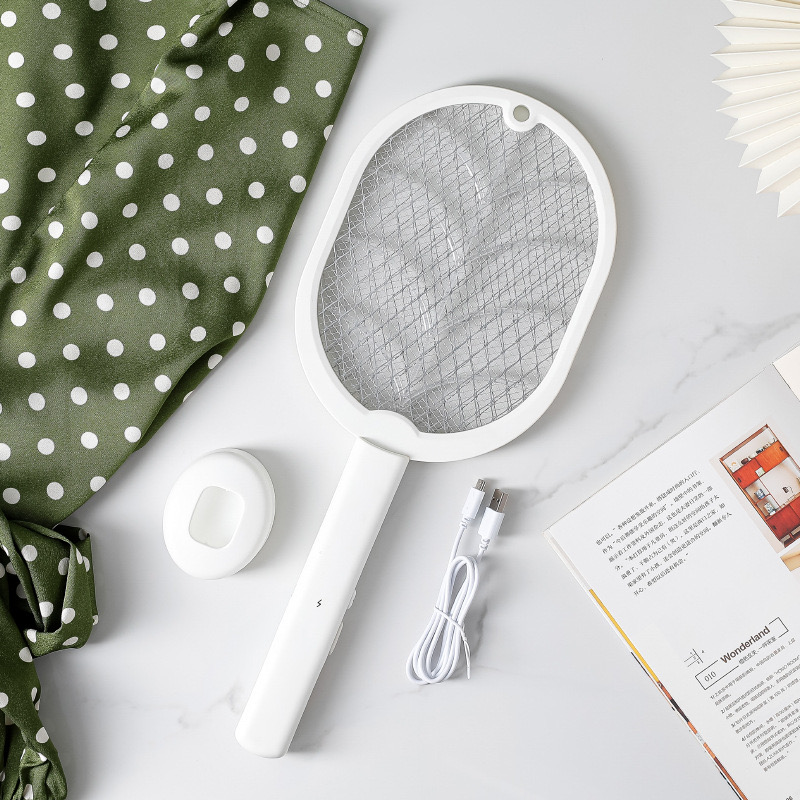
- Personal Protection: Wear long-sleeve shirts and long pants when outdoors; apply insect repellent. Use electric mosquito zappers or mosquito-repellent candles at home; use low-toxic insecticides if needed (keep them away from kids and pregnant people).
- Check Travel Advisories: Before traveling to tropical or subtropical areas, check CDC (Centers for Disease Control and Prevention) or WHO (World Health Organization) travel advisories for chikungunya fever and avoid high-risk areas. After returning, if you have fever or joint pain, see a doctor promptly and mention your travel history.
Final Note:
Most chikungunya fever patients have a good prognosis. As long as symptoms are recognized early and managed properly, severe long-term effects are usually avoided. There’s no need for excessive panic—the key is to practice mosquito prevention, remember the core signs of "sudden high fever + severe joint pain", and seek medical help if you feel unwell. This will minimize the disease’s impact as much as possible.
We hope this article helps you understand chikungunya fever. Feel free to share it with family and friends to work together on staying healthy!
Is a Larger Electric Mosquito Swatter Better
Unlocking the Code to Boosting Electric Mosquito Swatter Sales
Related Article

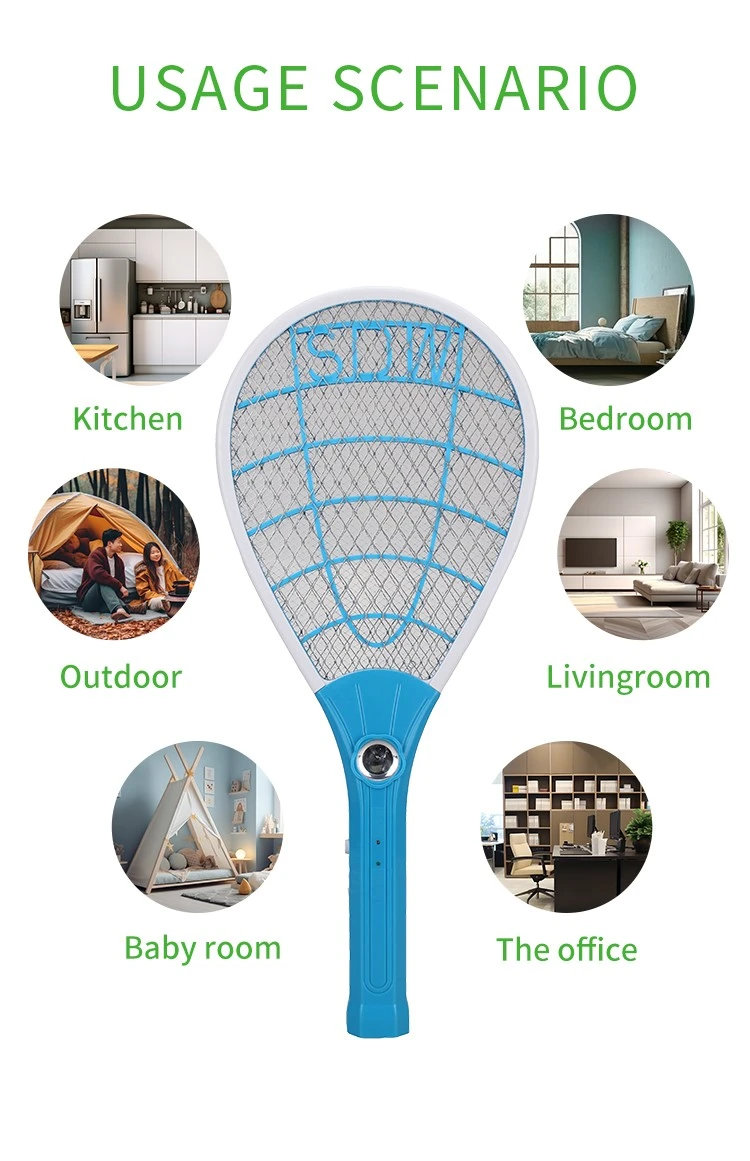
If you’re struggling with annoying mosquitoes, flies, and other flying pests indoors and outdoors, upgrading from traditional manual tools to anElectric Mosquito Swatter is the most efficient solution. Many homeowners and renters search where to buy fly swatter online to find durable, safe, and high-performance electric models that deliver instant pest control.
Where to Buy Fly Swatter
Most importers of electric mosquito swatters obsess over the first order: samples requested, factories vetted, a pre-shipment inspection booked. Then the reorder arrives eight months later and something is off. The grid feels softer. The charge port is a slightly different shade of black. The carton thickness dropped from 350 gsm to 300 gsm. Nothing is catastrophic — but the product no longer matches what your retail customers approved, and quietly, your return rate starts climbing.
How to Keep Mosquito Swatter Quality Consistent Across Repeat Orders
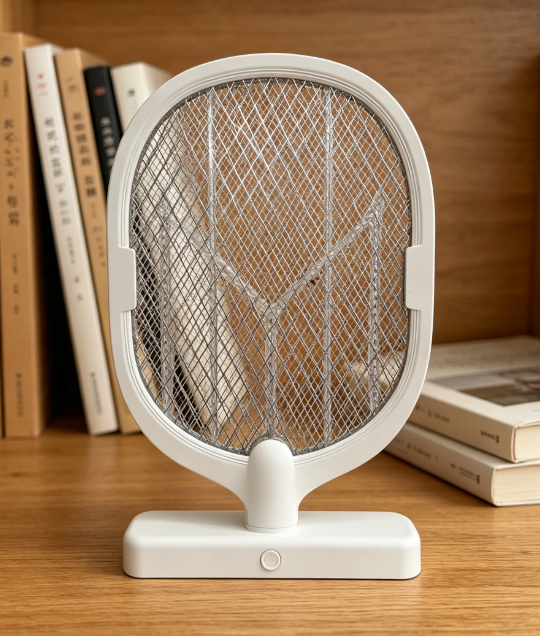
Warranty returns are the silent margin killer in the mosquito control category. A distributor who buys a swatter at $1.80 FOB and retails it at $9.90 can absorb a 1% return rate without noticing — but at 5%, the combined cost of replacement units, reverse logistics, and refund processing erases most of the line's profit.
Common mosquito swatter killer lamp failure modes wholesale spec guide

Digital bathroom scales rank as the second-highest-volume consumer weighing product category, only behind kitchen scales, with distinct market and product characteristics that set them apart from other scale types in importers’ product portfolios.
Digital bathroom body fat-bia-scale wholesale buyers guide