
Choose the Right Mosquito Swatter
2026-01-13
Choose the Right Mosquito Swatter: Why Lithium Battery Mosquito Swatters Are More Recommended?
Do you ever notice that even though they're both mosquito swatters, some lose power as you use them, take half a day to charge, and feel clunky to swing? The key difference actually lies in the battery—compared to traditional lead-acid and nickel-cadmium battery mosquito swatters, lithium battery mosquito swatters are truly the "worry-free choice." Today, let's talk about why it's more recommended to get a lithium battery mosquito swatter.
1. Longer Battery Life, Say Goodbye to the Embarrassment of Running Out of Power Mid-Mosquito Chase
The most frustrating mosquito-killing scenario is chasing a mosquito late at night, only to hear the swatter weaken with a "sizzle" and die completely just as you're about to hit it. This is a common problem with traditional battery mosquito swatters: low energy density and poor battery life. One of the core advantages of lithium batteries, however, is that their energy density is far higher than that of lead-acid and nickel-cadmium batteries.
Data shows that for the same volume, the capacity of a lithium battery is about twice that of a nickel-cadmium battery, while its weight is only a quarter of a lead-acid battery. Most mainstream lithium battery mosquito swatters on the market have a capacity of around 1200mAh; after being fully charged, they can be used stably for more than a week in manual mosquito-killing mode, and for more than ten hours continuously in mosquito trap light mode. In contrast, traditional lead-acid battery mosquito swatters often need to be recharged after two or three days of use when fully charged. Nickel-cadmium batteries are also prone to the "memory effect," making the battery life shorter and shorter until they become a mere decoration.
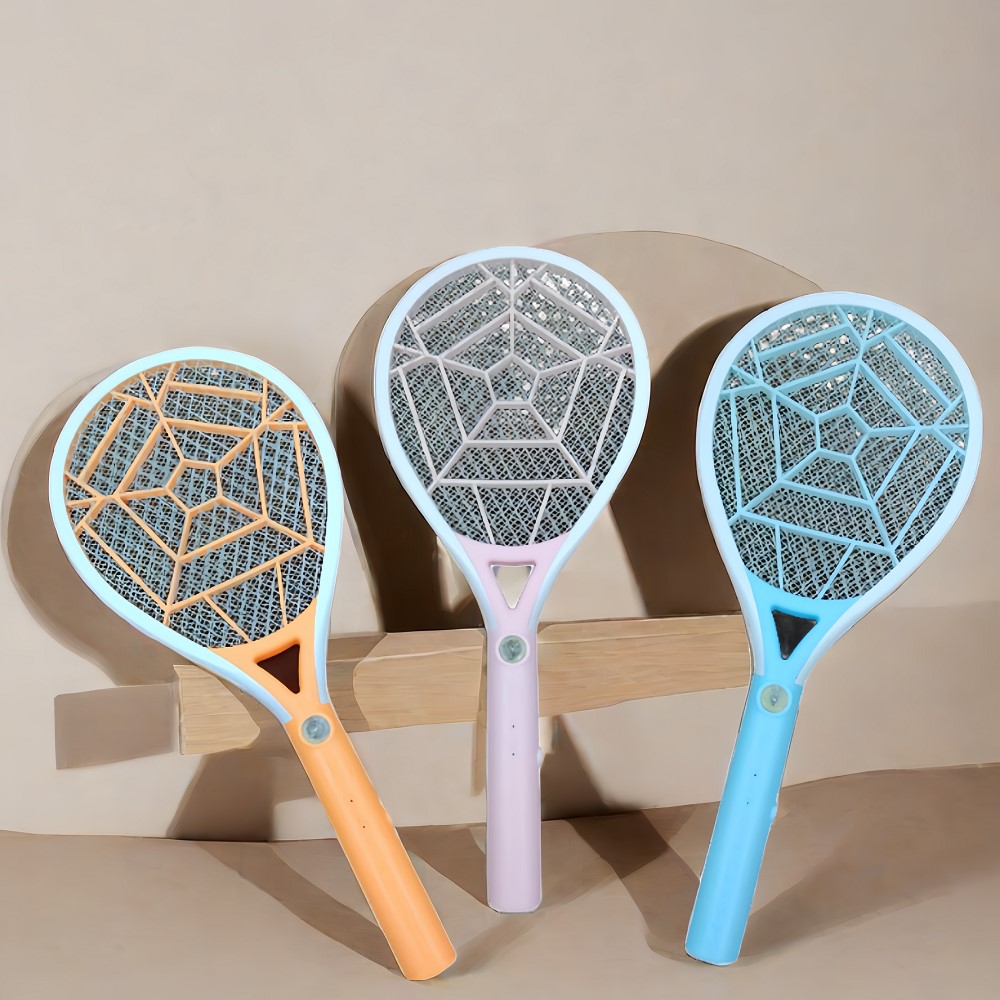
2. Faster and More Convenient Charging, Adapting to Modern Life Rhythms
In addition to battery life, the charging experience is also a major pain point for traditional mosquito swatters. Many old-fashioned mosquito swatters use a dedicated charger and take 12-24 hours to charge. If you forget to bring the charger when going out, you'll be left helpless when you get back. Lithium battery mosquito swatters completely solve this pain point—they not only charge faster but also have better compatibility.
Most lithium battery mosquito swatters now come with a USB-C port, which is compatible with the charging cables of mobile phones and tablets. You can charge them with any charger, power bank, or even a computer. More importantly, the charging efficiency is greatly improved—ordinary lithium battery mosquito swatters only take 3-8 hours to fully charge, saving more than half the time compared to traditional nickel-cadmium batteries. Charging them overnight before going to bed can meet the mosquito-killing needs for a whole week. Some high-end models also have a built-in power display, so the remaining power is clear at a glance, and you no longer have to guess "how much longer it can be used."
3. Lighter Body, No Tired Arms When Swinging, More Accurate Mosquito Killing
Mosquito killing requires "speed, accuracy, and ruthlessness," but traditional mosquito swatters feel heavy in the hand because they are equipped with thick lead-acid batteries. Swinging them for a long time makes your arms sore, and it's even harder to accurately aim at fast-flying mosquitoes. The lightweight advantage of lithium batteries has taken the user experience of mosquito swatters to a new level.
Due to their high energy density, lithium batteries significantly reduce volume and weight while ensuring large capacity. For the same battery life, lithium battery mosquito swatters are more than half lighter than lead-acid battery models. They feel light in the hand—whether you're lifting them high to kill mosquitoes on the ceiling or bending down to chase crawlers on the ground, they are flexible and easy to operate, even for women and the elderly. This lightweight design turns mosquito killing from a "physical task" into an "easy job."
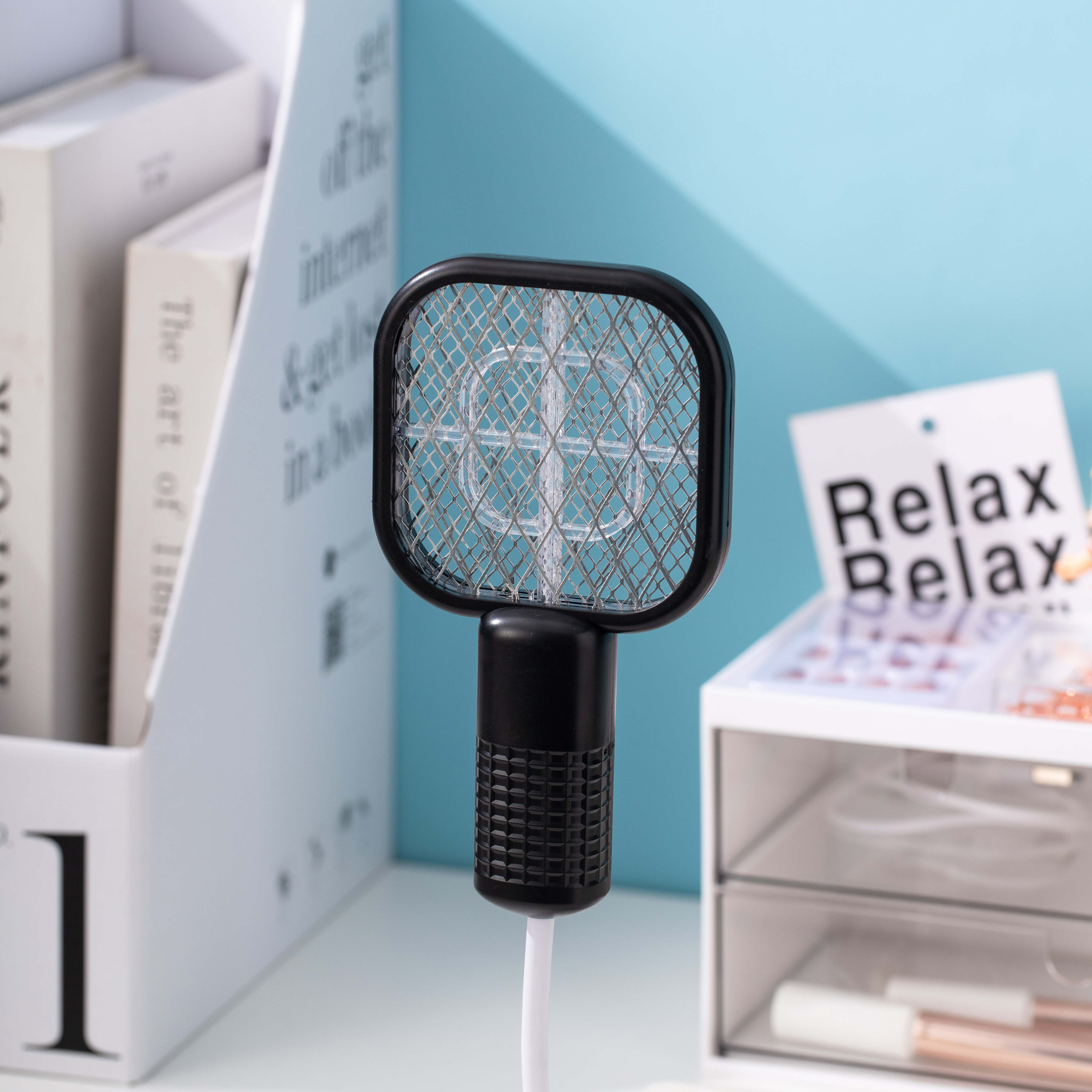
4. Safer and More Durable, Worry-Free for Long-Term Use
As electrical small appliances, safety and durability are core considerations. Traditional lead-acid batteries have a risk of leakage, and nickel-cadmium batteries contain heavy metals, which are not only environmentally unfriendly but may also cause safety hazards due to battery aging after long-term use. Lithium batteries, however, have absolute advantages in terms of safety and service life.
High-quality lithium battery mosquito swatters are mostly equipped with an Intelligent Battery Management System (BMS), which has overcharge, over-discharge, and overcurrent protection functions. You don't have to worry about overheating during charging, and the battery won't be damaged when it runs out of power. At the same time, the cycle charging life of lithium batteries is as high as 1000 times or more, which is twice that of nickel-cadmium batteries and three times that of lead-acid batteries. They can be used for two or three years under normal use, while traditional battery mosquito swatters often experience a sharp drop in battery life and weak electric shock after one year of use, making them more cost-effective in the long run.
In addition, the safety design of lithium battery mosquito swatters is more complete. Most of them adopt a three-layer protective mesh surface, with the outer layer being a safe negative mesh. There is no numbness when touched by the human body, and the residual electricity can be eliminated in 1 second after turning off the power, so it's safe to use even with children at home.

5. Richer Additional Functions, Adapting to Diverse Scenarios
Thanks to the small size and stable power supply of lithium batteries, many lithium battery mosquito swatters now have added practical additional functions, such as LED lighting and mosquito trap light mode. Turning on the lighting function allows you to kill mosquitoes easily without turning on the light when getting up at night; matching with the base's mosquito trap light mode, it can kill mosquitoes automatically 24 hours a day, having the dual functions of a mosquito swatter and a mosquito trap light, which is suitable for living rooms and bedrooms. Some models also support wireless charging and detachable batteries, further improving the convenience of use—functions that are difficult to achieve with traditional battery mosquito swatters.
In summary, with the core advantages of long battery life, convenient charging, lightweight body, safety, and durability, lithium battery mosquito swatters perfectly solve many pain points of traditional mosquito swatters. Choosing the right tool can save a lot of trouble in mosquito killing. Instead of buying a frustrating traditional battery mosquito swatter, it's better to directly get a lithium battery one and completely say goodbye to mosquito troubles~
300mAh vs 500mAh Mosquito Swatter
2026 New Regulations for the Electrical Appliance Industry
Related Article

If you’re struggling with annoying mosquitoes, flies, and other flying pests indoors and outdoors, upgrading from traditional manual tools to anElectric Mosquito Swatter is the most efficient solution. Many homeowners and renters search where to buy fly swatter online to find durable, safe, and high-performance electric models that deliver instant pest control.
Where to Buy Fly Swatter
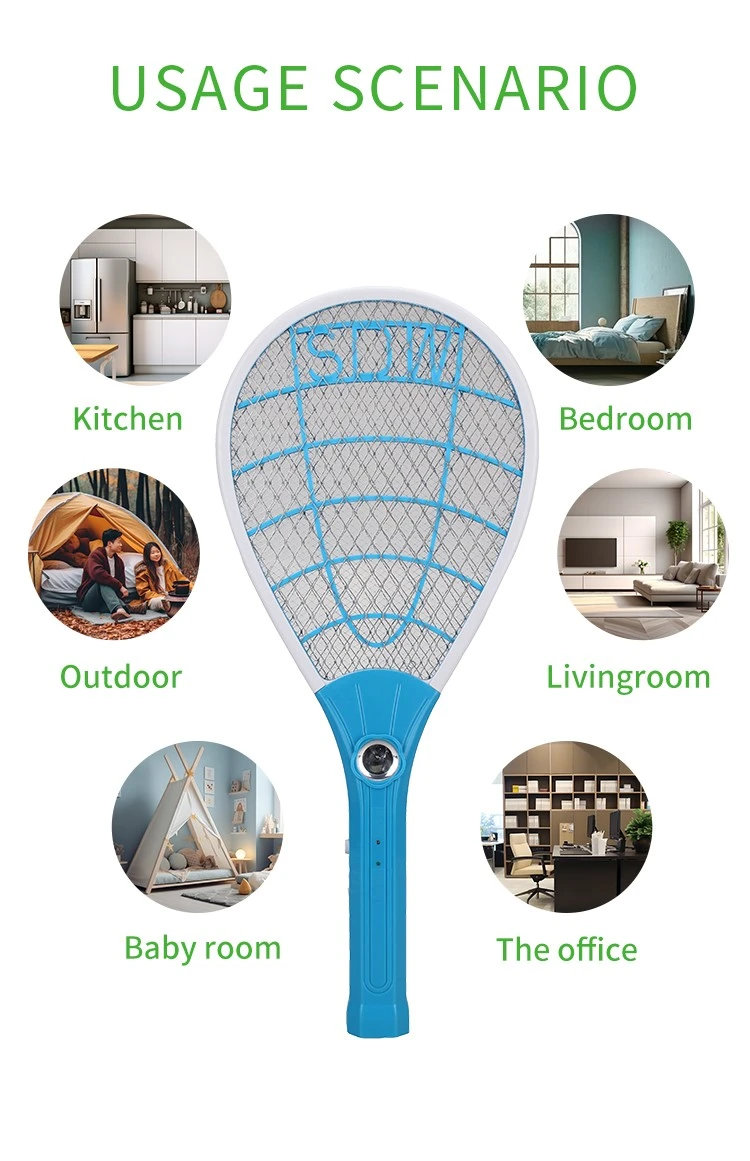
Most importers of electric mosquito swatters obsess over the first order: samples requested, factories vetted, a pre-shipment inspection booked. Then the reorder arrives eight months later and something is off. The grid feels softer. The charge port is a slightly different shade of black. The carton thickness dropped from 350 gsm to 300 gsm. Nothing is catastrophic — but the product no longer matches what your retail customers approved, and quietly, your return rate starts climbing.
How to Keep Mosquito Swatter Quality Consistent Across Repeat Orders
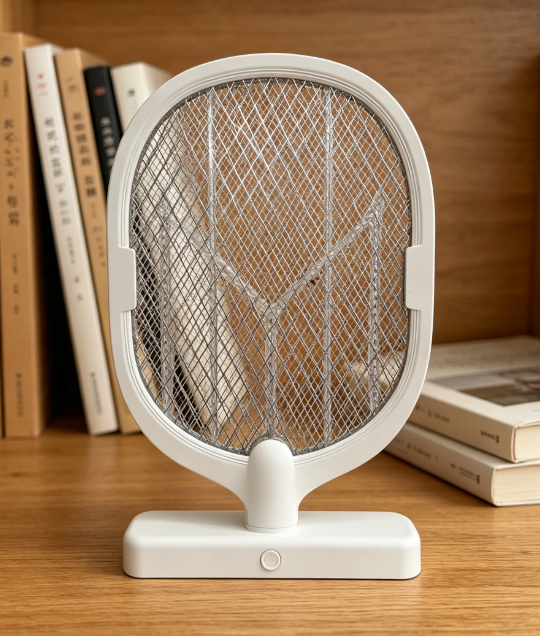
Warranty returns are the silent margin killer in the mosquito control category. A distributor who buys a swatter at $1.80 FOB and retails it at $9.90 can absorb a 1% return rate without noticing — but at 5%, the combined cost of replacement units, reverse logistics, and refund processing erases most of the line's profit.
Common mosquito swatter killer lamp failure modes wholesale spec guide

Digital bathroom scales rank as the second-highest-volume consumer weighing product category, only behind kitchen scales, with distinct market and product characteristics that set them apart from other scale types in importers’ product portfolios.
Digital bathroom body fat-bia-scale wholesale buyers guide