
Choosing an outdoor electric mosquito swatter
2025-11-28
Choosing an outdoor electric mosquito swatter: "solar-powered model" or "long-lasting battery model"?
Nothing ruins an outdoor trip faster than annoying mosquitoes—and choosing the right mosquito swatter can make all the difference. When it comes to outdoor use, the biggest decision often boils down to two options: solar-powered models or long-battery-life ones. This guide breaks down their key differences, best-use scenarios, and must-check features to help you pick the perfect fit for your adventures.
1. Core Differences: Understand Key Distinctions with Two Tables
|
Comparison Dimension
|
Solar-Powered Model
|
Long-Battery-Life Model
|
|
Charging Logic
|
Dual charging (solar panel + USB): 4-6 hours of sunlight charges for 10 hours of use
|
USB fast charging only: 3 hours full charge for 30 days of use
|
|
Battery Life
|
4-8 hours of mosquito-killing per full charge, relies on sunlight for recharging
|
10 days to 1 month of mosquito-killing per full charge, no recharging capability in the field
|
|
Environmental Adaptability
|
IPX6 water-resistant (resists heavy rain), requires direct sunlight for charging
|
IPX4 water-resistant (resists splashes), relies on power outlets
|
|
Core Advantage
|
Self-sustaining battery life for long outdoor trips without power access
|
No battery anxiety for short-term frequent use
|
2. Scenario Adaptation: Precise Matching for 3 Types of Outdoor Needs
1. Choose Solar-Powered Model: A No-Brainer for These Situations
- Long-term wilderness trips: For scenarios like hiking expeditions or multi-day camping with no power access, the solar panel’s daily charging can meet nighttime mosquito-killing needs. Equipped with a 2000mAh battery, it can last up to 3 days even on cloudy days.
- Fixed use in yards: Hang it in a sunny spot for automatic charging. Its IPX6 water-resistant design withstands wind and rain, covering the entire yard.
- Eco-friendly needs: Eliminates frequent battery replacement or power cord use. The solar panel has a lifespan of over 5 years, aligning with low-carbon travel concepts.
2. Choose Long-Battery-Life Model: More Practical for These Scenarios
- Short-term frequent use: For 1-3 day camping trips or weekend picnics, the 3000mAh lithium-ion battery can kill mosquitoes up to 12,000 times, with faster response than solar-powered models.
- Cloudy or dense forest environments: When sunlight is insufficient, the long-battery-life model’s advantage (1 month of use per full charge) becomes prominent.
- Portability priority: No extra weight from solar panels, making it comfortable to hold for long periods and easy to store in hiking bags.
3. Avoid Mistakes When Buying: Don’t Overlook These 3 Key Parameters
- Battery Type: Prioritize lithium-ion batteries, which have 3x longer cycle life than nickel-cadmium batteries and more stable performance in low temperatures.
- Safety Design: Must have a 3-layer protective grid (no current in the outer layer) + dual switches to prevent accidental electric shocks, especially suitable for families with kids.
- Additional Features: LED lights (for finding mosquitoes at night) and foldable designs (space-saving) are highly practical. Models like Xiangwu’s digital display version also show real-time battery level.
4. Final Recommendation: One-Sentence Summary
Choose solar-powered for trips over 3 days with no power access; choose long-battery-life for frequent use within 3 days; go for a 2-in-1 model if budget allows.
—— From practical feedback by Guangdong campers (long-battery-life users) & recommendations by Yunnan hikers (solar-powered users)
How to make my bug zapper more effective
Do Mosquitoes Prefer Darkness or Light
Related Article

If you’re struggling with annoying mosquitoes, flies, and other flying pests indoors and outdoors, upgrading from traditional manual tools to anElectric Mosquito Swatter is the most efficient solution. Many homeowners and renters search where to buy fly swatter online to find durable, safe, and high-performance electric models that deliver instant pest control.
Where to Buy Fly Swatter
Most importers of electric mosquito swatters obsess over the first order: samples requested, factories vetted, a pre-shipment inspection booked. Then the reorder arrives eight months later and something is off. The grid feels softer. The charge port is a slightly different shade of black. The carton thickness dropped from 350 gsm to 300 gsm. Nothing is catastrophic — but the product no longer matches what your retail customers approved, and quietly, your return rate starts climbing.
How to Keep Mosquito Swatter Quality Consistent Across Repeat Orders
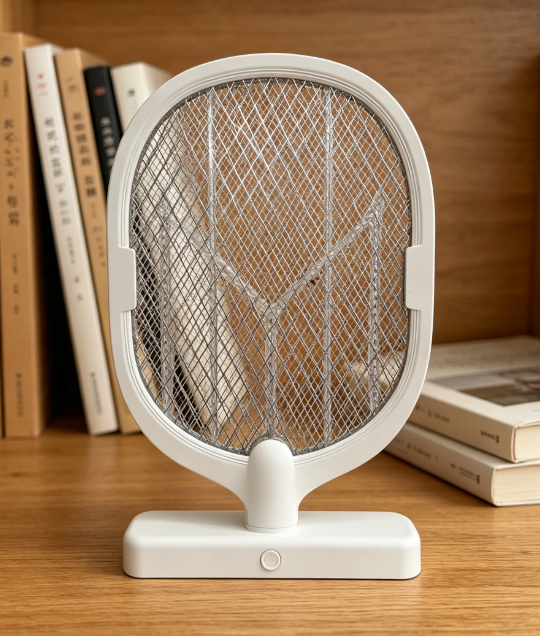
Warranty returns are the silent margin killer in the mosquito control category. A distributor who buys a swatter at $1.80 FOB and retails it at $9.90 can absorb a 1% return rate without noticing — but at 5%, the combined cost of replacement units, reverse logistics, and refund processing erases most of the line's profit.
Common mosquito swatter killer lamp failure modes wholesale spec guide

Digital bathroom scales rank as the second-highest-volume consumer weighing product category, only behind kitchen scales, with distinct market and product characteristics that set them apart from other scale types in importers’ product portfolios.
Digital bathroom body fat-bia-scale wholesale buyers guide