
Common Mosquito Swatter Mistakes That Waste Your Money
2026-07-29
Common Mosquito Swatter Mistakes That Waste Your Money
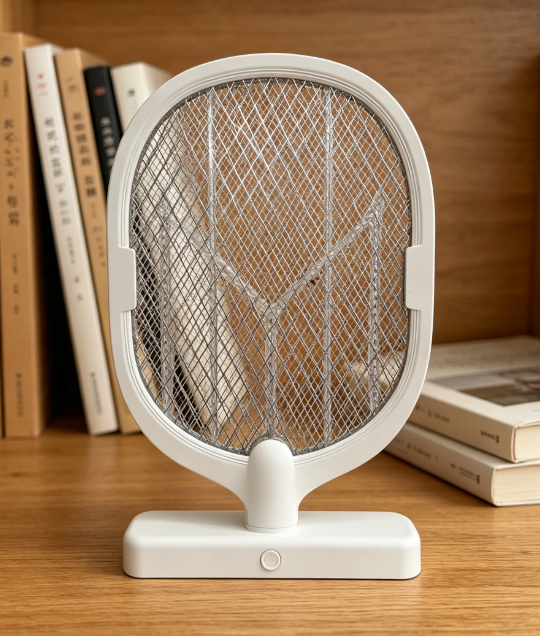
A rechargeable electric mosquito swatter is one of the most affordable, essential summer household tools. It is cheap, convenient, and far more targeted than messy mosquito sprays or inefficient bug zappers. Yet most people end up replacing their swatters every few months, convinced that low-cost models are simply poor quality. The truth is, most broken mosquito swatters are victims of user error, not defective manufacturing. Small daily mistakes gradually damage the device, shorten its service life, and force you to waste money on unnecessary replacements. Today, we’ll break down the most common mosquito swatter mistakes that drain your wallet and share simple fixes to make your swatter last for years.
1. Hitting Hard Surfaces and Rough Slicing
The biggest and most common mistake people make is slamming the mosquito swatter against walls, floors, furniture, and window screens while hunting mosquitoes. When you miss a mosquito or try to kill multiple bugs at once, it’s intuitive to swing hard and hit solid surfaces. This small habit is the fastest way to destroy your swatter.
Mosquito swatter grids are made of thin, delicate metal wires designed for lightweight insect contact, not impact resistance. Repeated hard hits bend the mesh, loosen internal wiring connections, and crack the plastic frame. A deformed mesh will fail to generate stable voltage, meaning it can no longer kill mosquitoes effectively. Most users throw away slightly deformed swatters and buy new ones, wasting money entirely due to rough usage.
The fix: Use gentle, precise swings to target flying mosquitoes. Avoid slamming the swatter against any hard surface. If a mosquito lands on the wall, hold the swatter lightly against it for 1–2 seconds instead of smashing down.
2. Leaving the Swatter Powered On 24/7
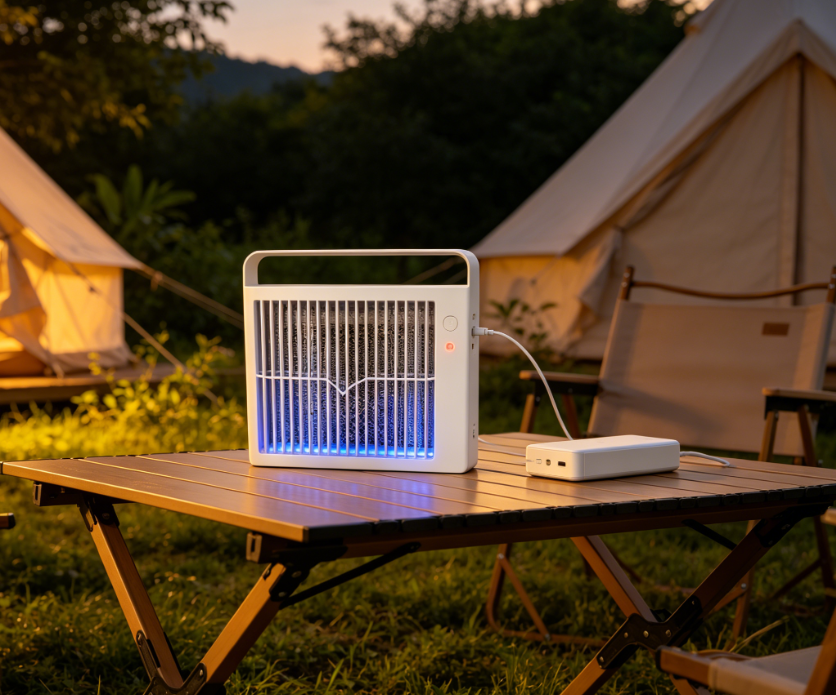
Many people forget to turn off their mosquito swatter after use, leaving the power switch on for hours or even days. This seemingly harmless habit drastically accelerates battery aging and wastes electricity, while silently damaging the device’s core components.
When the swatter is powered on, its internal circuit board and voltage booster keep working continuously. Long-term standby operation causes overheating, wears down the lithium battery, and reduces the maximum charge capacity over time. Eventually, the swatter will die after just a few minutes of use and fail to hold a charge. Most users assume the battery is naturally worn out and purchase a new swatter, unaware that constant standby is the culprit.
The fix: Always turn off the power switch immediately after use. For swatters with LED night lights, disable the light function during the daytime to avoid unnecessary power consumption and component wear.
3. Cleaning with Water or Under Running Taps
Dead mosquito remains, dust, and sticky bug residues often accumulate on the swatter mesh, reducing its electrocution efficiency. Many users choose to rinse the entire swatter with water or soak it directly to clean dirt quickly. This is a fatal mistake that leads to short circuits and permanent damage.
Most household mosquito swatters are only splash-proof, not fully waterproof. Water easily penetrates the mesh gaps into the internal circuit board, battery compartment, and wiring. Residual moisture causes rust, circuit short circuits, and battery leakage. In severe cases, the swatter will stop working completely after drying, and even pose a minor electric shock risk during subsequent use. Wet-damaged swatters are almost impossible to repair, forcing you to spend money on replacements.
The fix: Wait for the swatter to fully power off, then wipe the mesh gently with a dry or slightly damp soft cloth. For stubborn residues, use a cotton swab to clean small gaps. Never rinse or soak the device in water.
4. Overcharging the Battery Overnight
Virtually all modern mosquito swatters use built-in rechargeable lithium batteries. A universal bad habit among users is plugging in the swatter before bed and leaving it to charge overnight for 6–8 hours, far exceeding the required charging time.
Most mosquito swatters only need 2–3 hours to reach a full charge. Continuous overcharging generates excess heat, causes battery bulging, damages the charging protection module, and drastically shortens the battery’s cycle life. An overcharged battery will quickly lose its storage capacity, resulting in a swatter that runs out of power after just a few uses. This creates a vicious cycle of frequent charging and frequent replacement, wasting ongoing money.
The fix: Unplug the charger promptly once the indicator light shows full charge. Avoid using unqualified fast chargers or high-power phone chargers; always use the original matched charging cable to stabilize charging voltage.
5. Ignoring Accumulated Bug Residues
Some users never clean their mosquito swatters unless they are visibly dirty, ignoring tiny burnt mosquito debris and dust stuck in the mesh gaps. This overlooked mistake gradually renders the swatter ineffective and forces premature replacement.
Over time, stacked bug residues form an insulating layer on the metal mesh, blocking high-voltage current transmission. You will notice the swatter no longer makes a crackling sound or fails to kill mosquitoes on contact. Most people mistakenly believe the swatter is broken and buy a new one, while the real issue is just clogged dirt. Additionally, decaying insect residues breed bacteria and produce odors, turning your cleaning tool into a sanitary hazard.
The fix: Clean the mesh every 3–5 uses. Gently brush off dry debris with a soft brush and wipe away sticky residues with a slightly damp cloth to maintain optimal voltage performance.
6. Buying Overhyped Multifunctional Models
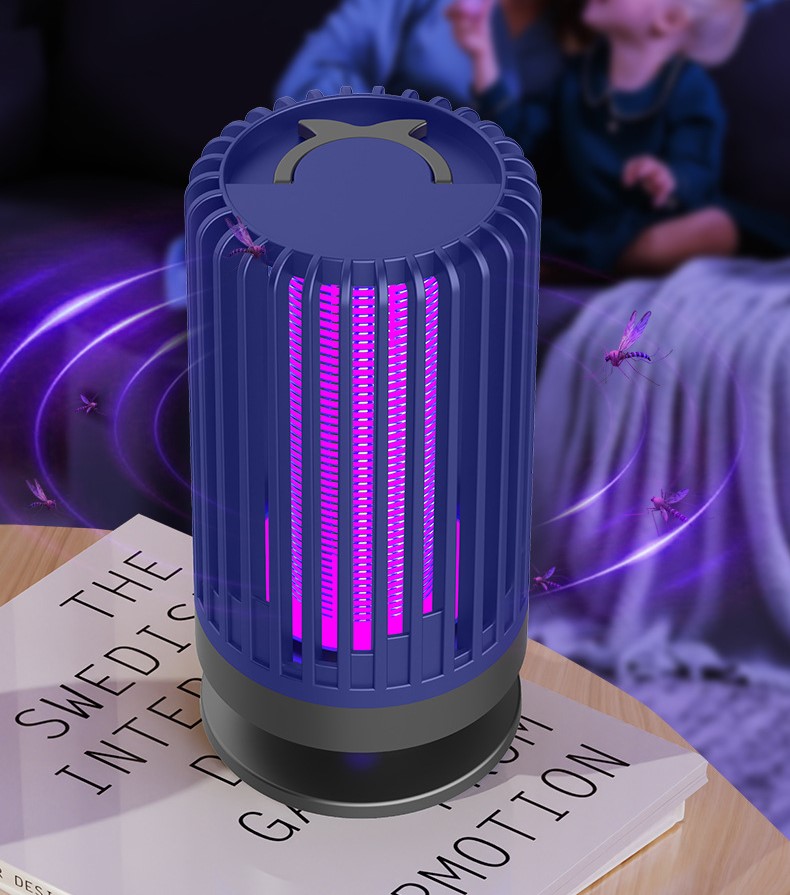
Many consumers waste money on expensive multifunctional mosquito swatters with built-in flashlights, automatic mosquito trapping lights, and smart sensor functions. Businesses market these high-tech features to raise prices, but most functions are impractical for daily household use.
The automatic trapping light is barely effective for active biting mosquitoes and only attracts harmless beneficial insects. Extra smart functions increase internal circuit complexity, raising the failure rate and repair costs. These overpriced models do not last longer or work better than basic standard swatters, making them a pure waste of money for ordinary families.
The fix: Choose a basic, well-made single-function mosquito swatter. It is cheaper, more durable, has fewer faulty parts, and fully meets daily mosquito-killing needs.
Final Thoughts
A good mosquito swatter can easily last 2–3 years with proper use and maintenance. The frequent replacement cost is never caused by poor product quality, but by these daily unnoticed mistakes. By avoiding rough impact, unreasonable charging, wrong cleaning methods, and blind consumption of overhyped products, you can maximize your swatter’s service life, save unnecessary household expenses, and enjoy a mosquito-free summer without repeated money waste.
How to Find a Reliable Mosquito Swatter Manufacturer in China
How to Use Mosquito Swatter to Reduce Bug Bites Effectively
Related Article

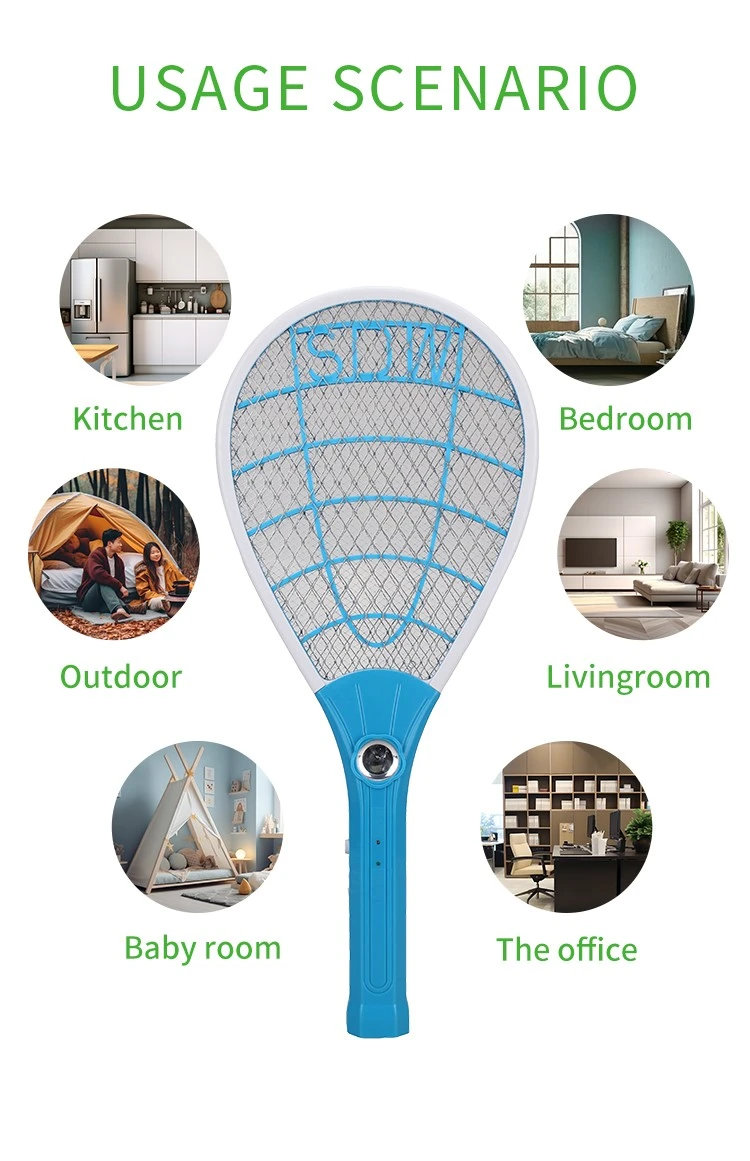
If you’re struggling with annoying mosquitoes, flies, and other flying pests indoors and outdoors, upgrading from traditional manual tools to anElectric Mosquito Swatter is the most efficient solution. Many homeowners and renters search where to buy fly swatter online to find durable, safe, and high-performance electric models that deliver instant pest control.
Where to Buy Fly Swatter
Most importers of electric mosquito swatters obsess over the first order: samples requested, factories vetted, a pre-shipment inspection booked. Then the reorder arrives eight months later and something is off. The grid feels softer. The charge port is a slightly different shade of black. The carton thickness dropped from 350 gsm to 300 gsm. Nothing is catastrophic — but the product no longer matches what your retail customers approved, and quietly, your return rate starts climbing.
How to Keep Mosquito Swatter Quality Consistent Across Repeat Orders
Warranty returns are the silent margin killer in the mosquito control category. A distributor who buys a swatter at $1.80 FOB and retails it at $9.90 can absorb a 1% return rate without noticing — but at 5%, the combined cost of replacement units, reverse logistics, and refund processing erases most of the line's profit.
Common mosquito swatter killer lamp failure modes wholesale spec guide

Digital bathroom scales rank as the second-highest-volume consumer weighing product category, only behind kitchen scales, with distinct market and product characteristics that set them apart from other scale types in importers’ product portfolios.
Digital bathroom body fat-bia-scale wholesale buyers guide