
Common Types of Electric Fly Swatter Ports
2025-10-27
I. Common Types of Electric Fly Swatter Ports – Which One Do You Have?
There are mainly four types of ports for electric fly swatters on the market, each with distinct differences in usage scenarios and adaptation methods. You can choose based on your specific needs:
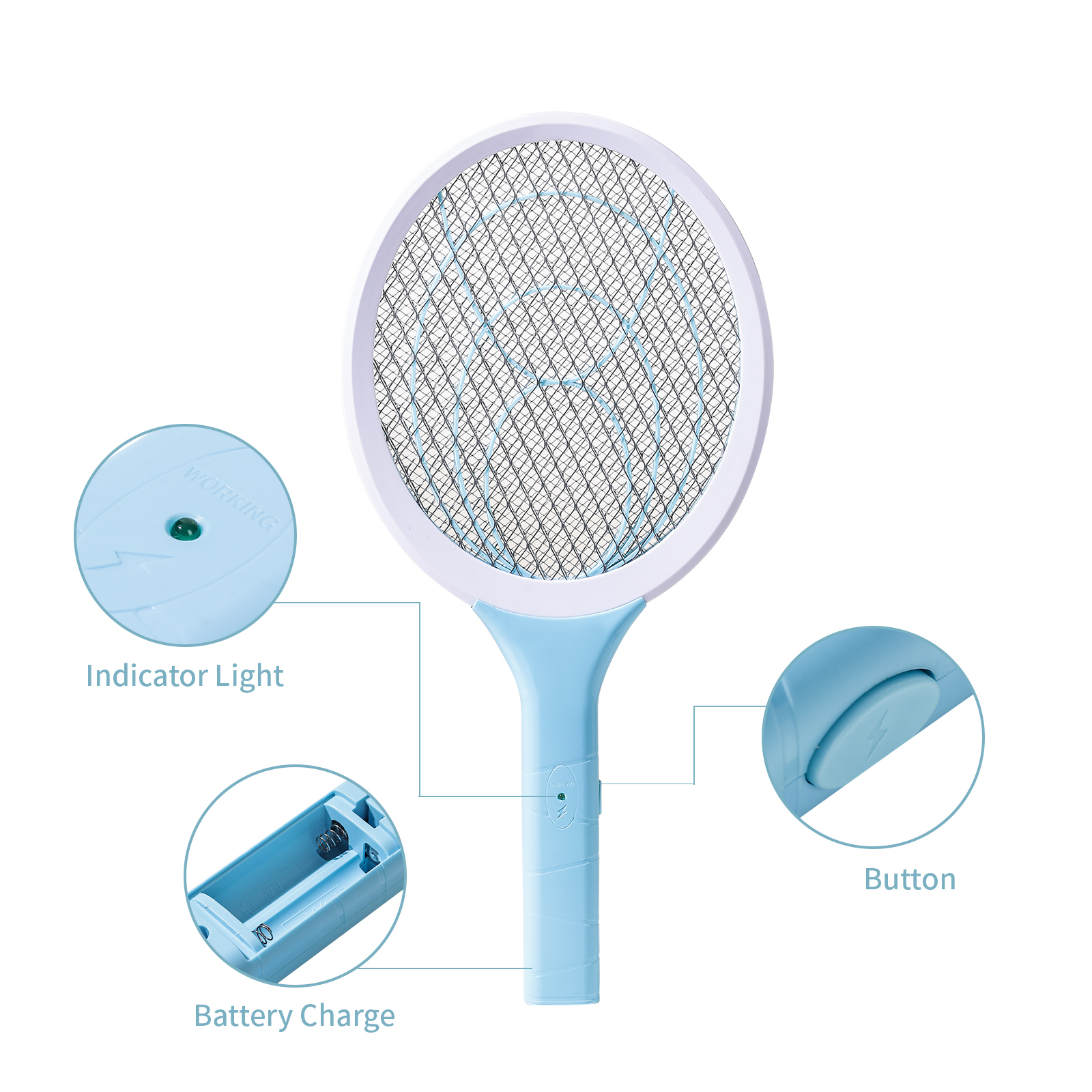
1. Direct Plug-in Port: The Most Traditional "Hard Connection" Design
- Core Structure: No additional charging cable is required. A retractable plug is built into the end of the fly swatter's handle; it can be pushed out and directly inserted into a power socket for charging.
- Specification Differences: The mainstream is the "GB standard plug" (e.g., models from the Xuanyan brand). Some imported models use "EU standard plugs" and need to be used with an adapter or a dedicated power strip.
- Pros and Cons: Advantage – simple structure, no reliance on cables; Disadvantage – the device must be fixed next to the socket during charging, resulting in poor mobility.
2. Micro USB Port: A Cost-Effective Choice for Mid-to-Low-End Models
- Application Range: Once a standard for Android devices, it is now widely used in mid-to-low-end electric fly swatters from brands such as Chuangmeida and Lanju.
- Key Parameters: The charging power is usually between 0.61W and 3.34W, supporting only basic charging functions with no expandability.
- Pros and Cons: Advantage – trapezoidal design prevents reverse insertion, low cost; Disadvantage – the port is prone to dust accumulation and aging, with limited transmission speed and power supply capacity.
3. Type-C Port: The Mainstream Choice for Mid-to-High-End Models Today
- Core Advantages: Oval symmetrical design, supporting insertion in both directions. It is compatible with common devices such as mobile phone chargers and power banks, offering strong versatility.
- Performance: Some models support the USB PD fast charging protocol (e.g., the matching base of the Sule brand has a charging input power of up to 4.55W), significantly improving charging efficiency.
- Application Scenarios: Suitable for users with requirements for charging speed and device compatibility, especially scenarios where multiple devices share a single charging cable.
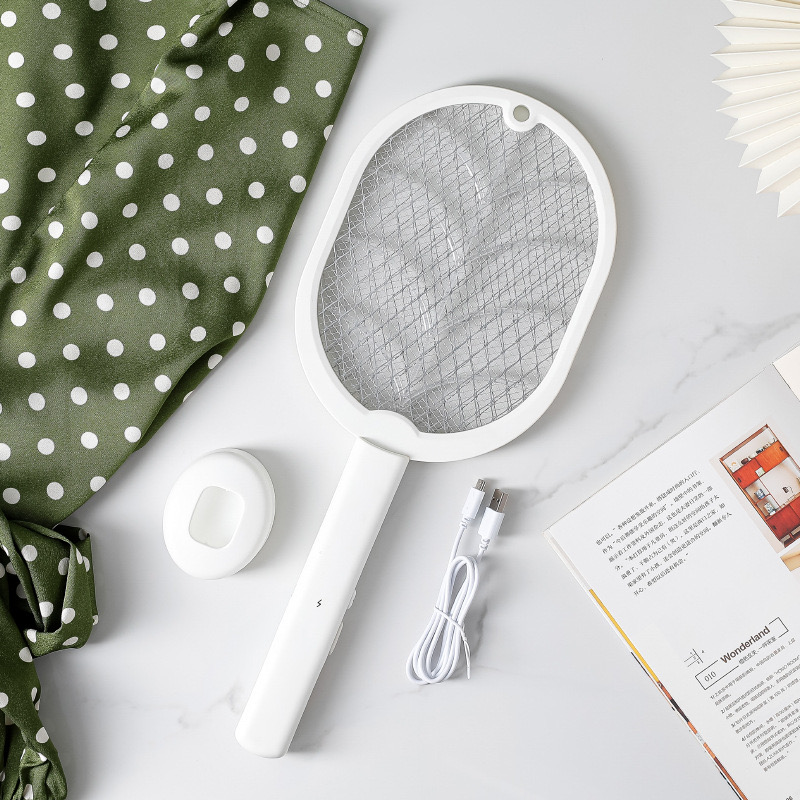
4. Contact Charging: An Exclusive Base Solution for High-End Models
- Working Principle: No cable plugging or unplugging is needed. The electric fly swatter can be charged by placing it on a dedicated base.
- Common Configurations: The Zhiling brand connects to the base via a "DC input port", while the Sule brand adopts a "dual Type-C port design for both the base and the fly swatter", with a measured charging power of approximately 2.7W.
- Pros and Cons: Advantage – convenient operation, reduced port wear; Disadvantage – requires an additional matching base, resulting in relatively higher costs.
II. Do Different Ports Affect Functionality? The Key Lies in These 3 Aspects
The type of port not only determines the charging method but also directly affects the charging efficiency, function expandability, and usage cost of the electric fly swatter. The specific differences are as follows:
1. Charging Efficiency: Directly Determines the "Time Required to Fully Charge"
- Direct Plug-in: Some models adopt a resistance-capacitance voltage reduction scheme and are matched with lead-acid batteries. The charging power is often as low as 0.48W, and it takes more than 8 hours to fully charge.
- Micro USB: The power ranges from 0.61W to 3.34W. Due to the limitation of port performance, it cannot support high-power fast charging, and it takes 4-6 hours to fully charge.
- Type-C: Matched with 18650 lithium batteries, and with the help of linear charging chips or 4056 charging management chips, the power can reach 4.55W. Some fast-charging models can be fully charged in just 1.5 hours.
- Contact Charging: The power is approximately 2.7W, and it takes 3-4 hours to fully charge, with efficiency between that of Micro USB and Type-C.
2. Function Expandability: Affects the Usage Scenarios of the Device
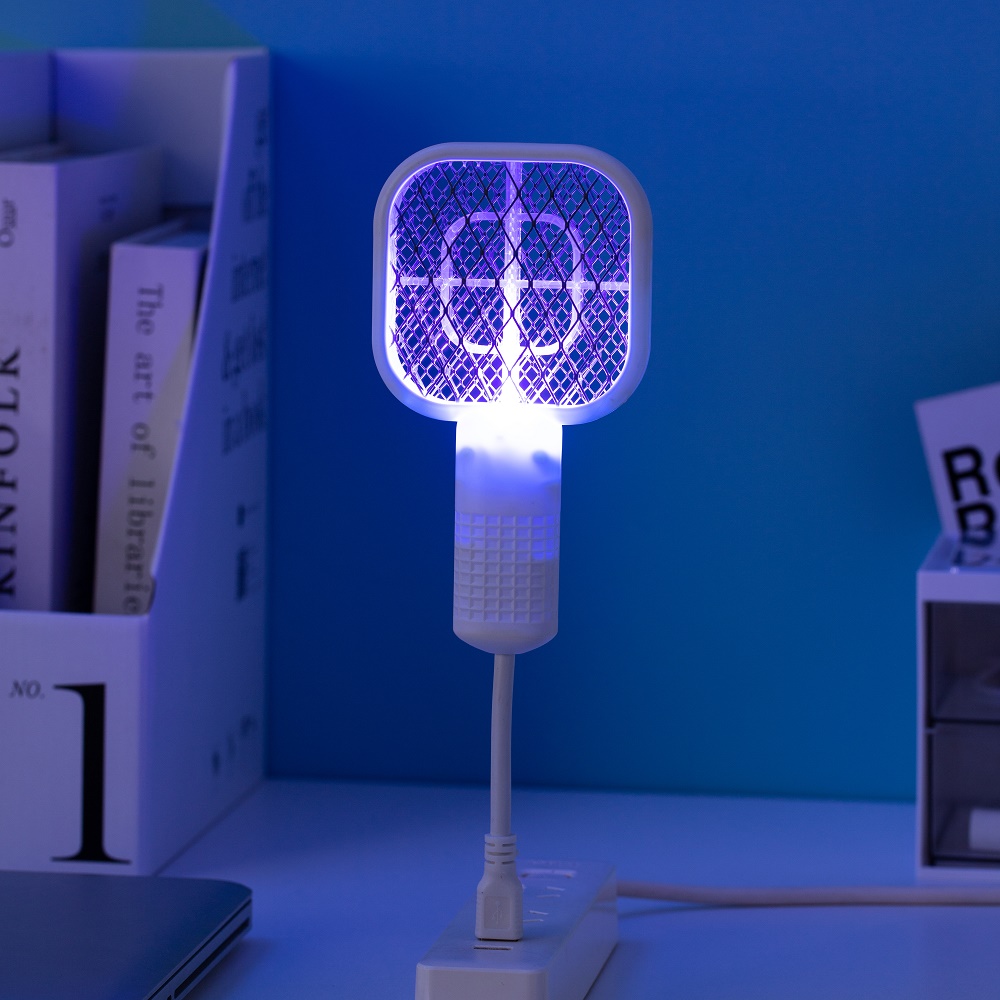
- Type-C Port: The 24 pins provide high power supply capacity, which can support more additional functions. For example, the "King Kong model" electric fly swatter equipped with 8 purple light mosquito-attracting lamps can ensure the long-term operation of the mosquito-attracting lamps.
- Micro USB Port: Limited power supply, usually only equipped with 1-2 mosquito-attracting lamps, and cannot support high-power consumption additional functions.
- Direct Plug-in/Contact Charging: Restricted by the charging method, when the mosquito-attracting function is turned on, the device needs to be continuously connected to a power source (direct plug-in requires plugging into a socket, contact charging requires placing on the base), resulting in insufficient flexibility for mobile use.
3. Device Compatibility and Lifespan: Indirectly Determines Usage Cost
- Compatibility: Type-C can reuse mobile phone charging cables, reducing additional cable expenses; Micro USB requires a dedicated cable; direct plug-in/contact charging is limited by sockets or bases, resulting in poor compatibility.
- Lifespan: The durability of Type-C ports is far superior to that of Micro USB. Models matched with lithium batteries can have a lifespan of 3-5 years; direct plug-in/Micro USB models are mostly equipped with lead-acid batteries, with a cycle life of only about 200 times (approximately 1-2 years); contact charging can extend the lifespan by about 1 year compared to direct plug-in due to reduced plugging and unplugging wear.
III. Tips for Choosing the Right Port – Match According to Your Needs
According to different usage scenarios and needs, you can choose the port type in a targeted manner to avoid blind consumption:
1. Renters/Frequent Travelers: Prioritize Models with Type-C Ports
- Core Reason: They can be directly charged with power banks, making it more convenient to deal with scenarios such as power outages and travel, without the need to carry an additional dedicated charger.
2. Lazy Users: Prefer Contact Charging Models with Bases
- Core Reason: Just place the fly swatter on the base to recharge, with convenient operation. Moreover, the base can also be used as a desktop mosquito-attracting lamp, serving two purposes.
3. Budget-Conscious Users: Micro USB Port Models Offer Better Cost-Effectiveness
- Core Reason: Lower price, and the charging power and functions can meet daily household needs (such as basic mosquito killing and short-term mosquito attraction), suitable for users with no high requirements for performance.
4. Users in Old Houses: Choose Models with GB Standard Direct Plug-in Ports
- Core Reason: Most sockets in old houses are of GB standard. Avoiding EU standard models can eliminate the need to purchase additional adapters, ensuring better adaptability.
Conclusion
The port of an electric fly swatter is by no means an "insignificant detail" but a core configuration related to charging efficiency, usage scenarios, and device lifespan. From the traditional direct plug-in to the all-around Type-C, the evolution of ports essentially responds to users' needs. When purchasing next time, you may wish to focus on the port type first and make a choice based on your own usage habits to avoid affecting the user experience due to "overlooking small details".
Cost Range of Electric Fly Swatter Mold
Why Most Flies Die From Electric Swatters
Related Article

If you’re struggling with annoying mosquitoes, flies, and other flying pests indoors and outdoors, upgrading from traditional manual tools to anElectric Mosquito Swatter is the most efficient solution. Many homeowners and renters search where to buy fly swatter online to find durable, safe, and high-performance electric models that deliver instant pest control.
Where to Buy Fly Swatter
Most importers of electric mosquito swatters obsess over the first order: samples requested, factories vetted, a pre-shipment inspection booked. Then the reorder arrives eight months later and something is off. The grid feels softer. The charge port is a slightly different shade of black. The carton thickness dropped from 350 gsm to 300 gsm. Nothing is catastrophic — but the product no longer matches what your retail customers approved, and quietly, your return rate starts climbing.
How to Keep Mosquito Swatter Quality Consistent Across Repeat Orders
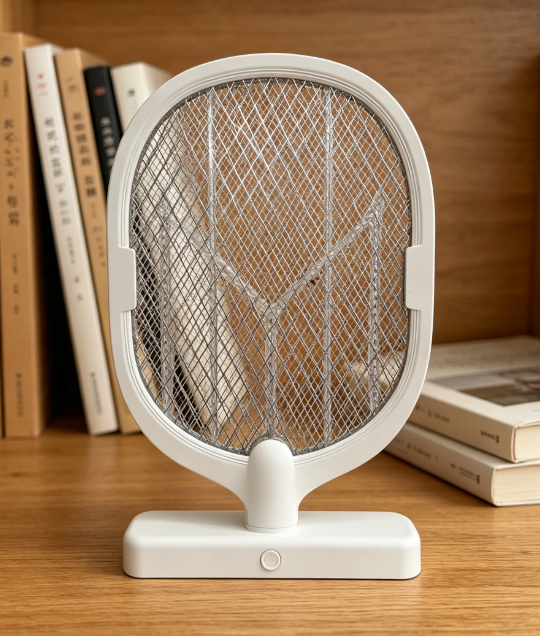
Warranty returns are the silent margin killer in the mosquito control category. A distributor who buys a swatter at $1.80 FOB and retails it at $9.90 can absorb a 1% return rate without noticing — but at 5%, the combined cost of replacement units, reverse logistics, and refund processing erases most of the line's profit.
Common mosquito swatter killer lamp failure modes wholesale spec guide

Digital bathroom scales rank as the second-highest-volume consumer weighing product category, only behind kitchen scales, with distinct market and product characteristics that set them apart from other scale types in importers’ product portfolios.
Digital bathroom body fat-bia-scale wholesale buyers guide