
Comparison of 4 Common Battery Types for Electric Mosquito Swatters
2025-12-10
Going head-to-head with mosquitoes? The battery of your electric mosquito swatter is the key! Choose the right one for long-lasting power and effortless use; pick the wrong one, and you’ll be stuck recharging constantly or struggling with a bulky device — Quick Takeaway: Lithium-ion batteries are best for daily home use, nickel-metal hydride (Ni-MH) works for budget limits, and lead-acid/nickel-cadmium (Ni-Cd) are total no-gos!
1. Lead-Acid Battery (Mainstream in Old Models)
- Pros: Cheapest option; slightly better low-temperature performance (works barely in winter); stable single discharge.
- Cons: Fatal flaw — heavy! A lead-acid battery accounts for over 60% of the swatter’s total weight, causing hand fatigue after prolonged use; short lifespan (about 50-100 charge cycles), with drastically reduced battery life after 1 year; environmentally harmful (contains lead), gradually being phased out.
- Suitable for: Users needing a temporary solution, with extremely low budgets, who don’t mind heavy weight.
2. Nickel-Cadmium (Ni-Cd) Battery (Transition Model)
- Pros: Lighter than lead-acid; durable for charging/discharging (about 300 cycles); high discharge current (strong electric shock for killing mosquitoes).
- Cons: Suffers from "memory effect" — must be fully discharged before recharging, otherwise capacity shrinks over time; low capacity (typically 800-1000mAh) with short battery life (3-5 nights on a full charge); environmentally harmful (contains cadmium), banned in some regions.
- Suitable for: Elderly users accustomed to "full discharge before recharge" and those seeking strong shock power (not recommended as first choice).
3. Nickel-Metal Hydride (Ni-MH) Battery (Cost-Effective Option)
- Pros: No memory effect (charge anytime); lightweight (1/3 the weight of lead-acid); environmentally friendly (recyclable); medium capacity (1200-1500mAh) with daily-use battery life (5-7 nights on a full charge).
- Cons: Average low-temperature performance (battery life drops below 10℃); slightly more expensive than lead-acid/Ni-Cd; lifespan of about 500 charge cycles.
- Suitable for: Users with medium budgets (100-150 yuan), seeking cost-effectiveness and environmental friendliness.
4. Lithium-Ion Battery (Current Mainstream & Top Choice)
- Pros: Best overall performance! ① Ultra-light (1/4 the weight of lead-acid), no hand fatigue during use; ② High capacity (1500-2000mAh) with long battery life (7-10 nights on a full charge, some support USB fast charging); ③ Long lifespan (500-1000 charge cycles), usable for 2-3 years; ④ No memory effect (charge anytime); ⑤ Stable discharge, consistent shock power.
- Cons: Slightly higher price (lithium-ion swatters usually cost over 150 yuan); safety risks with low-quality batteries (choose reputable brands).
- Suitable for: Most households, users prioritizing battery life, ergonomics, and durability (top recommendation!).
II. Conclusion: Battery Priority Ranking
✅ Top Choice: Lithium-Ion Battery
For overall lightness, battery life, and durability, lithium-ion is the most worthwhile option — especially models with Type-C fast charging and capacity ≥1500mAh. No frequent recharging for daily use, no hand fatigue, and great long-term value.
? Second Choice: Nickel-Metal Hydride (Ni-MH) Battery
If on a tight budget but avoiding lead-acid/Ni-Cd, Ni-MH is a balanced alternative. Opt for "low self-discharge" types (slow power loss when idle) with capacity ≥1200mAh.
❌ Not Recommended: Lead-Acid + Nickel-Cadmium (Ni-Cd) Batteries
Lead-acid is too heavy with a short lifespan; Ni-Cd has memory effect and is environmentally harmful. Only choose these as a last resort for emergencies.
III. Additional Shopping Tips (Avoid Pitfalls!)
- Check Capacity: Higher mAh means better battery life for the same battery type (lithium-ion ≥1500mAh, Ni-MH ≥1200mAh recommended).
- Verify Certification: Lithium-ion batteries must have 3C certification to avoid bulging or explosion risks.
- Charging Port: Prioritize Type-C (convenient, compatible with phone chargers) over old Micro-USB.
- Choose Reputable Brands: No-name brands may have false capacity labeling. Prefer trusted brands like Yage, Chaowei, or Jiuliang.
The Correct Usage of Electric Mosquito Swatters
Is it better for the grid of an electric mosquito swatter to be smaller
Related Article

If you’re struggling with annoying mosquitoes, flies, and other flying pests indoors and outdoors, upgrading from traditional manual tools to anElectric Mosquito Swatter is the most efficient solution. Many homeowners and renters search where to buy fly swatter online to find durable, safe, and high-performance electric models that deliver instant pest control.
Where to Buy Fly Swatter
Most importers of electric mosquito swatters obsess over the first order: samples requested, factories vetted, a pre-shipment inspection booked. Then the reorder arrives eight months later and something is off. The grid feels softer. The charge port is a slightly different shade of black. The carton thickness dropped from 350 gsm to 300 gsm. Nothing is catastrophic — but the product no longer matches what your retail customers approved, and quietly, your return rate starts climbing.
How to Keep Mosquito Swatter Quality Consistent Across Repeat Orders
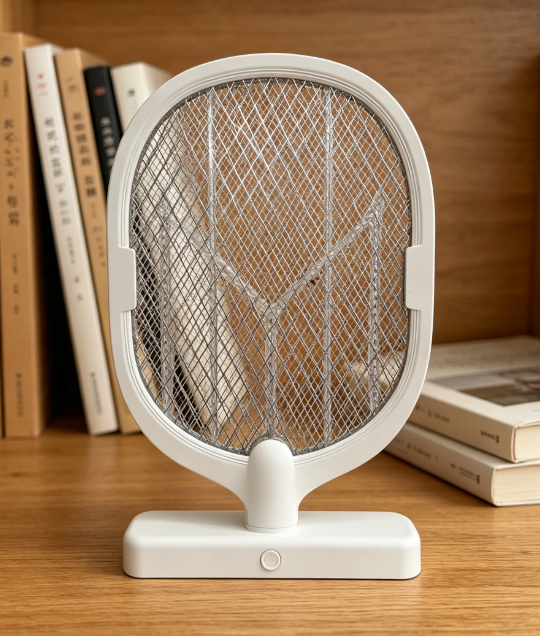
Warranty returns are the silent margin killer in the mosquito control category. A distributor who buys a swatter at $1.80 FOB and retails it at $9.90 can absorb a 1% return rate without noticing — but at 5%, the combined cost of replacement units, reverse logistics, and refund processing erases most of the line's profit.
Common mosquito swatter killer lamp failure modes wholesale spec guide

Digital bathroom scales rank as the second-highest-volume consumer weighing product category, only behind kitchen scales, with distinct market and product characteristics that set them apart from other scale types in importers’ product portfolios.
Digital bathroom body fat-bia-scale wholesale buyers guide