
Complete Analysis of Core Performance of Electric Mosquito Swatters
2026-06-14
Complete Analysis of Core Performance of Electric Mosquito Swatters: Understand Parameters to Choose Efficient & Safe Models
In hot summer, electric mosquito swatters are essential household tools for repelling and killing mosquitoes. The market offers a wide variety of electric mosquito swatters with huge price gaps, ranging from cheap budget models to high-end smart versions. Though they look almost identical in appearance, they differ greatly in mosquito-killing efficiency, durability and safety. Many consumers only focus on price and appearance while ignoring key performance parameters, and end up buying inferior products with weak killing power, electric leakage risks and poor battery life.
To pick a practical, durable and safe electric mosquito swatter, it is vital to understand its core performance indicators. This article professionally analyzes five major core performance dimensions of electric mosquito swatters, including mosquito-killing capability, battery life & charging performance, safety protection, build quality & compatibility, and intelligent durability, helping you avoid pitfalls and make rational purchases.
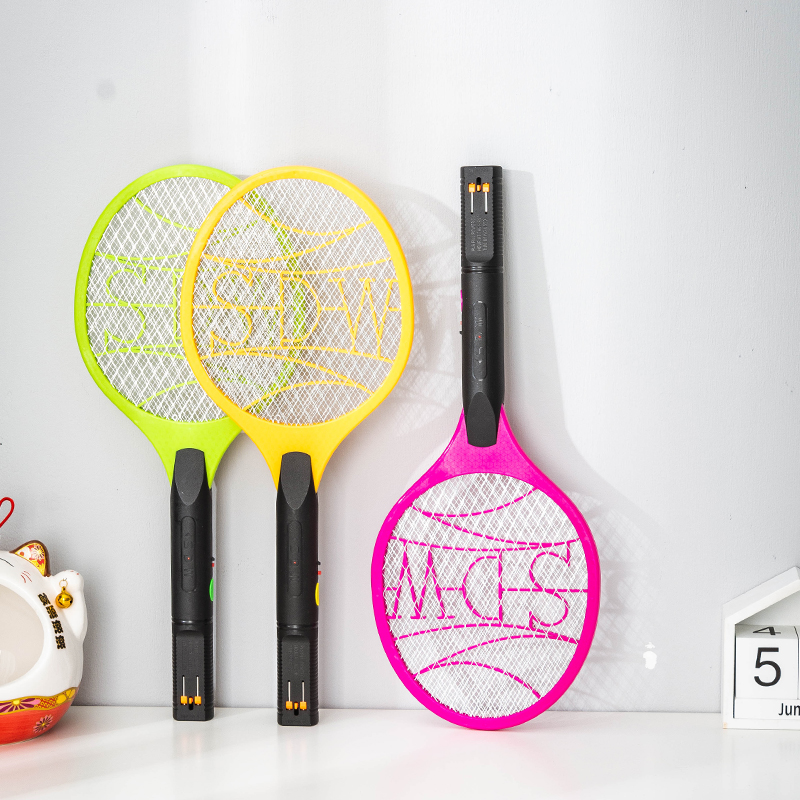
1. Core Mosquito-Killing Performance: The Key to Killing Efficiency
Mosquito-killing capability is the fundamental core performance of an electric mosquito swatter, determining whether it can kill pests with one hit without repeated swatting. It is mainly reflected in three indicators: high-voltage parameters, grid structure and mosquito trapping function, which also distinguish low-quality inferior products from high-quality ones.
1.1 High-Voltage Output Parameters: Foundation of Killing Power
Electric mosquito swatters kill pests through high-voltage pulse discharge. The voltage level directly determines the killing effect. According to the industry standard QB/T 4496-2013, the working voltage of qualified electric mosquito swatters should be maintained at 2000V-4200V. A voltage below 2000V cannot penetrate the pest body instantly, only stunning or knocking mosquitoes away with incomplete killing results; excessively high voltage will bring potential safety hazards and fail to meet household safety standards.
Besides no-load voltage, pulse current is an easily overlooked key parameter. High-quality swatters control the working current within 0.1-0.5mA, far lower than the 5mA human body safety current threshold specified by IEC. This ensures instant pest killing while preventing strong electric shock when accidentally touched. Qualified products support more than 2000 discharges without obvious high-voltage attenuation or weakened killing performance during long-term use.
1.2 Grid Structural Design: Determines Killing Coverage
As the executive component of the swatter, the grid structure directly affects the effective striking range and success rate. Premium mainstream electric mosquito swatters adopt a three-layer grid structure, with outer insulating protective grids and an inner high-voltage live grid. This design expands the effective striking area and completely avoids electric leakage risks.
In addition, grid spacing and wire material are crucial. Qualified products feature precisely calculated grid spacing, which prevents fingers from touching the high-voltage grid while allowing mosquitoes, moths, cockroaches and other small pests to enter smoothly. The grid adopts thickened rust-proof metal wires with stable conductivity and deformation & rust resistance, ensuring consistent high-voltage output without dead zones after long-term use. In contrast, low-cost inferior products usually use single-layer thin grids that are prone to deformation and oxidation, with small striking areas and low killing tolerance.
1.3 Auxiliary Mosquito-Trapping Performance: Realize Passive Pest Killing
Traditional electric mosquito swatters only support manual swatting with limited efficiency. Most modern high-quality models are equipped with a purple light mosquito-trapping function as a core auxiliary feature. The industry-standard 395nm purple light fits the phototaxis of mosquitoes perfectly, effectively luring indoor pests close to the grid.
Swatters with trapping functions support dual manual and automatic modes. When placed vertically in standby mode, they can automatically trap and kill mosquitoes to realize passive pest killing, greatly improving efficiency. Some upgraded models are equipped with airflow trapping and bionic constant-temperature trapping technologies, adapting to scenarios such as nighttime use and closed bedrooms for comprehensive pest removal.
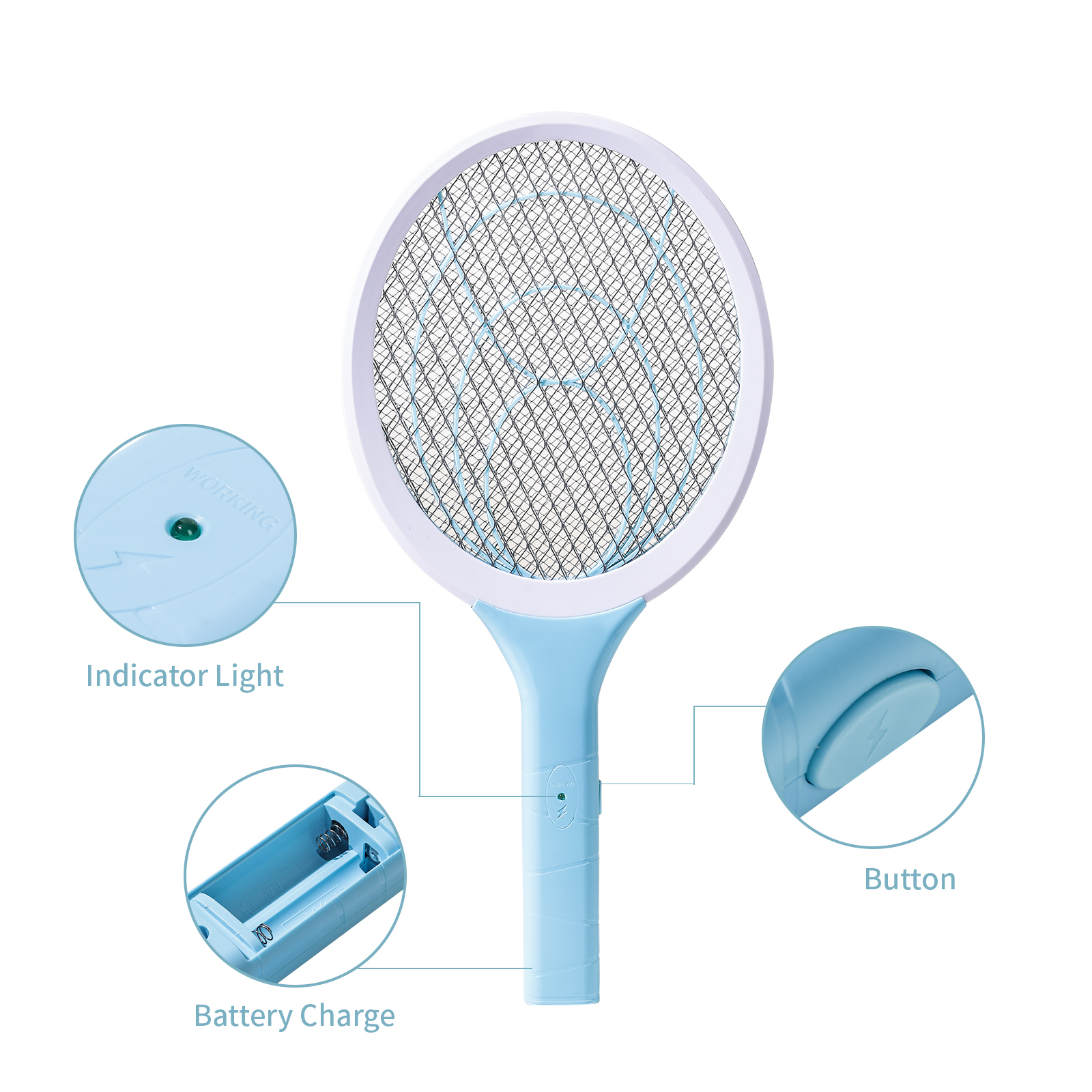
2. Battery Life & Charging Performance: Decides Daily Usability
Battery life and charging performance dominate the user experience. Frequent recharging, short battery life and slow charging greatly compromise daily use. As core assessment indicators for frequently used household appliances, they cover three dimensions: battery configuration, charging efficiency and endurance performance.
2.1 Battery Type & Capacity
Current electric mosquito swatters mainly use two types of batteries: lead-acid batteries and lithium batteries, with huge performance gaps. Low-end models adopt lead-acid batteries, which are low-cost, small-capacity and prone to aging. Their battery life drops significantly after half a year of use, accompanied by severe heating and poor safety during charging.
High-quality electric mosquito swatters are generally equipped with 18650 lithium batteries with a mainstream capacity of 800mAh-1200mAh. Featuring strong power storage, long cycle life and anti-aging properties, they deliver stable endurance for years of normal use. A full charge supports hundreds of continuous discharges, meeting daily whole-house pest killing needs without frequent recharging.
2.2 Charging Method & Efficiency
Charging convenience is a key part of user experience. Traditional swatters adopt fixed direct charging with cumbersome wires and inconvenient storage, requiring 2-3 hours for full charging. Modern premium models are upgraded with USB fast charging, compatible with multiple power sources including phone chargers, power banks and computers for convenient charging anytime, anywhere.
In line with industry standards, qualified swatters support quick top-up charging within 120 seconds for emergency use and long standby time when fully charged. They are also built with overcharge protection, automatically cutting off power when full to avoid battery bulging and life loss, balancing charging efficiency and safety.
3. Safety Protection Performance: Core Guarantee for Household Use
As live electrical appliances, electric mosquito swatters require reliable safety performance, especially for families with elders, children and pets. Formal products comply with the GB4706.1-2005 safety standard and adopt multiple protective designs to avoid electric shock and fire risks.
3.1 Multiple Anti-Electric Shock Protection
High-quality swatters come with a standard three-layer protective grid structure. The two outer layers are always non-live with strictly controlled spacing, preventing fingers and pet hair from touching the inner high-voltage grid. Meanwhile, they adopt an intelligent power-off mechanism that releases residual pressure instantly when the button is released, eliminating residual electricity and avoiding accidental electric shock.
In terms of electrical safety, qualified products have an insulation resistance of ≥100MΩ and leakage current of ≤0.25mA, with no breakdown after 3000V AC electrical strength tests, completely eliminating electric leakage hazards for safe household use.
3.2 Flame Retardant & Anti-Damage Design
The body material determines fire resistance and temperature resistance. Qualified swatters adopt high-quality ABS flame-retardant shell material, which remains undeformed and non-combustible at 70℃. Tiny electric sparks generated during pest killing will not ignite the shell, effectively preventing fire risks. In addition, they pass the 1-meter drop mechanical test, avoiding shell damage and circuit failure from daily bumps and drops for enhanced durability.
4. Build Quality & Adaptability Performance: Affects Long-Term Use Experience
Most users overlook body design performance, yet grip comfort, body weight and storage convenience directly determine long-term use experience and reflect the overall build quality of the product.
4.1 Weight & Grip Design
High-quality electric mosquito swatters adopt a lightweight body design with a reasonable weight, enabling long-time handheld use without fatigue, suitable for elders and children. The handle features an anti-slip texture for stable gripping even with sweaty hands, adapting to home, balcony, outdoor and other usage scenarios.
4.2 Storage & Scene Adaptability
Most modern models support vertical and wall-mounted storage with matched bases or hanging holes, saving space. Vertical placement directly activates the automatic mosquito-trapping mode to realize dual functions. Some foldable and retractable models can reach hidden corners such as under sofas and beds to eliminate pest dead zones comprehensively.
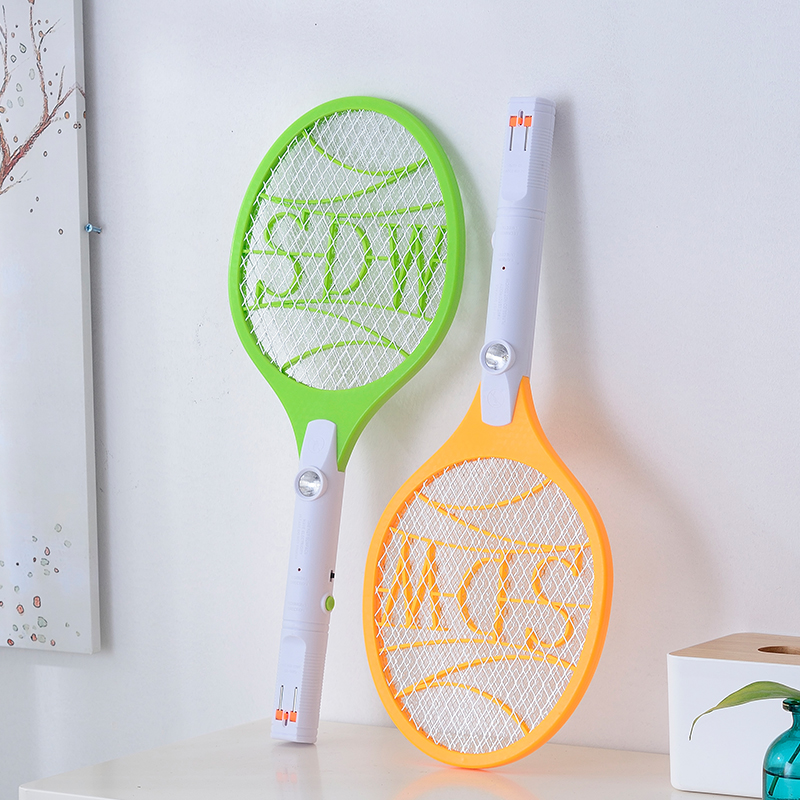
5. Intelligent Durability Performance: Improves Cost Performance
With the intelligent upgrading of small household appliances, intelligent protection and long-term operational stability have become core additional performances of high-end electric mosquito swatters, greatly improving product cost performance and service life.
5.1 Intelligent Protection Functions
Most upgraded models are equipped with human body induction and light induction functions. The purple light trapping mode automatically turns on at night, and the high voltage is reduced or power is cut off when humans approach, balancing killing efficiency and nighttime safety. Some models have a digital power display to check remaining power in real time, avoiding ineffective killing caused by low battery and eliminating blind charging and use.
5.2 Long-Term Operational Stability
Stable core performance is the key to durability. High-quality swatters pass thousands of intermittent discharge tests with no obvious high-voltage attenuation after long-term use, avoiding weakened killing power over time. The optimized circuit system features anti-interference and short-circuit resistance, maintaining stable operation in slightly humid environments with pest residues. Their service life can reach 2-3 years, far longer than low-quality alternatives.
Conclusion
In summary, the core performance of an electric mosquito swatter is a comprehensive reflection of mosquito-killing efficiency, battery life & charging, safety protection, build quality and intelligent durability, rather than a single high-voltage parameter. When purchasing, prioritize core indicators including the standard 2000-4200V high voltage, three-layer protective grid, lithium battery endurance and flame-retardant & anti-electric shock design. You can choose additional functions such as purple light trapping and intelligent induction according to personal needs, easily avoiding overpriced inferior products and selecting efficient, safe and cost-effective electric mosquito swatters.
Sticky vs Electric Mosquito Killer
Root Cause Mosquito Control
Related Article

If you’re struggling with annoying mosquitoes, flies, and other flying pests indoors and outdoors, upgrading from traditional manual tools to anElectric Mosquito Swatter is the most efficient solution. Many homeowners and renters search where to buy fly swatter online to find durable, safe, and high-performance electric models that deliver instant pest control.
Where to Buy Fly Swatter
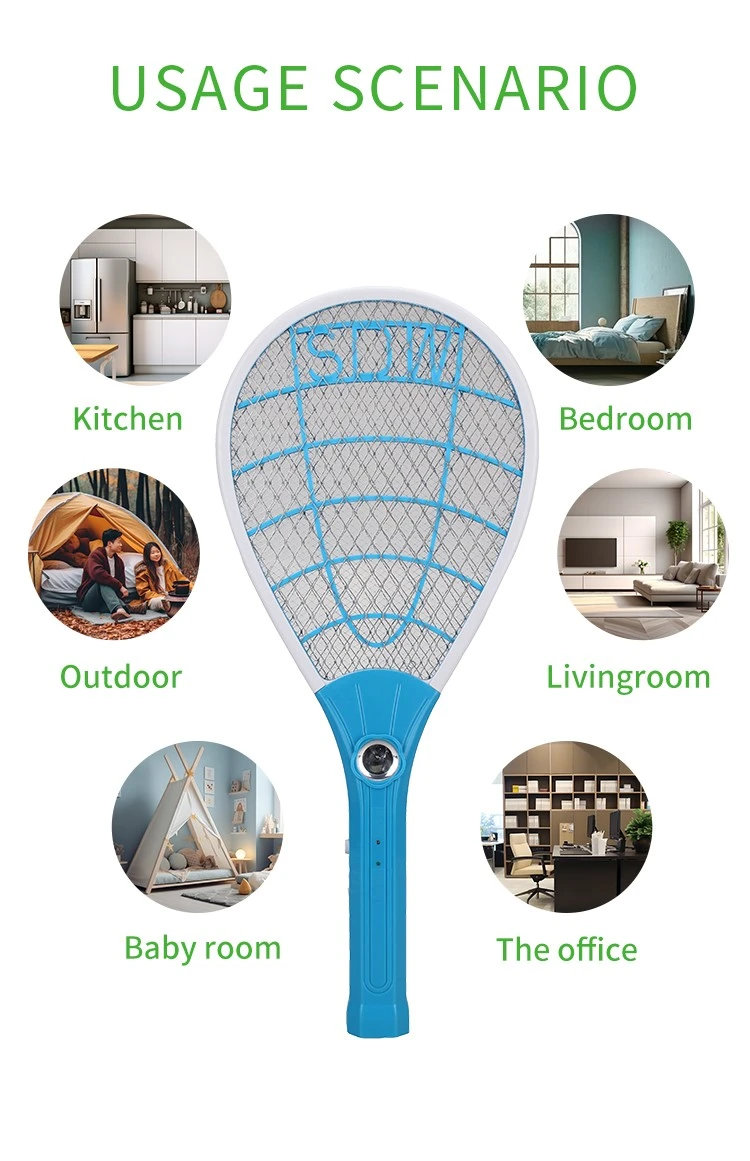
Most importers of electric mosquito swatters obsess over the first order: samples requested, factories vetted, a pre-shipment inspection booked. Then the reorder arrives eight months later and something is off. The grid feels softer. The charge port is a slightly different shade of black. The carton thickness dropped from 350 gsm to 300 gsm. Nothing is catastrophic — but the product no longer matches what your retail customers approved, and quietly, your return rate starts climbing.
How to Keep Mosquito Swatter Quality Consistent Across Repeat Orders
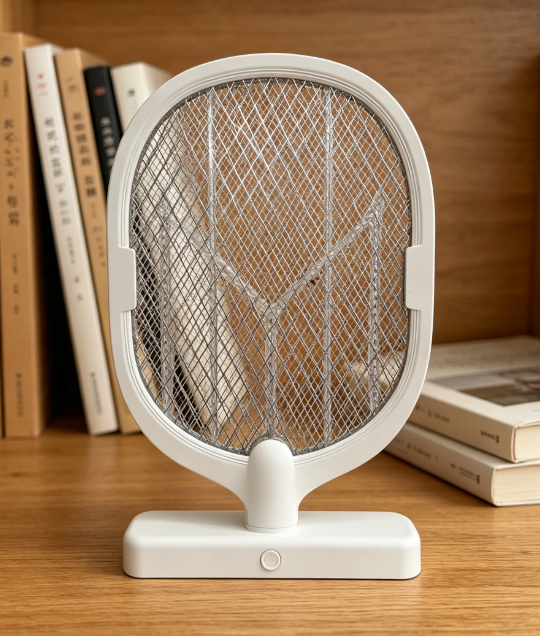
Warranty returns are the silent margin killer in the mosquito control category. A distributor who buys a swatter at $1.80 FOB and retails it at $9.90 can absorb a 1% return rate without noticing — but at 5%, the combined cost of replacement units, reverse logistics, and refund processing erases most of the line's profit.
Common mosquito swatter killer lamp failure modes wholesale spec guide

Digital bathroom scales rank as the second-highest-volume consumer weighing product category, only behind kitchen scales, with distinct market and product characteristics that set them apart from other scale types in importers’ product portfolios.
Digital bathroom body fat-bia-scale wholesale buyers guide