
Complete Guide to Mosquito and Insect Prevention for Qingming Travel
2026-04-04
Complete Guide to Mosquito and Insect Prevention for Qingming Travel: Bid Farewell to Bites and Enjoy Spring Peacefully ✨
During the Qingming Festival, the spring breeze blows gently, plants and trees revive, making it the perfect time for spring outings, ancestor worship, and getting close to nature. However, the warm and humid climate and increased rainfall also bring mosquitoes, ticks, chiggers and other "invisible assassins" into their active period — they not only bite the skin to cause redness, swelling and itching, but some may also transmit diseases such as dengue fever and Lyme disease, quietly ruining the travel mood. Today, we have compiled a super practical guide to mosquito and insect prevention for Qingming travel, covering everything from pre-travel preparation to post-bite treatment, comprehensively protecting you and your family's travel health, helping you avoid insect disturbances easily and enjoy the beautiful spring scenery at ease.
I. Pre-travel Preparation: Take Precautions in Advance to Build the First Line of Defense
Most Qingming travels are in outdoor scenarios. Taking preparations in advance can greatly reduce the probability of being bitten by mosquitoes and avoid last-minute chaos. Focus on two key preparations: clothing and protective supplies, which are simple and effective.
(I) Clothing Selection: Prioritize Physical Protection to Leave No Chance for Mosquitoes
Physical protection is the safest and non-irritating way to prevent mosquitoes and insects, especially suitable for the elderly and children. When traveling, try to choose light-colored, long-sleeved shirts and long pants. Light-colored clothing makes it easier to spot tiny insects such as ticks and chiggers attached to them, while dark-colored clothing tends to attract mosquitoes. Prioritize breathable cotton and linen fabrics, which are not only comfortable and non-stuffy, but also form an effective physical barrier to prevent mosquitoes from penetrating. It is also recommended to wear high-top shoes, tuck the cuffs of pants into socks, and tighten the cuffs and necklines to prevent ticks, chiggers and other insects from sneaking in. This step is especially important when going to grasslands or forested areas.
(II) Protective Supplies: Choose the Right Products to Effectively Resist Mosquito Disturbance
There are a wide variety of mosquito and insect prevention products on the market. Choosing the right ingredients and types can achieve real protective effects and avoid pitfalls.
1. Mosquito Repellent Lotion/Spray: The core is to choose products containing DEET, Picaridin (Hydroxyethyl Isobutyl Piperidine Carboxylate) or IR3535. These three are effective ingredients recommended by the World Health Organization, which can interfere with the mosquito's sensory system and make you "invisible" on the mosquito's "radar". Adults can choose DEET products with a concentration of 10%-30%, children are advised to use DEET products with a concentration ≤10% or mild Picaridin products, and pregnant women should prioritize Picaridin-based mosquito repellents, which are less irritating. When purchasing, remember to check the "three certificates" (pesticide registration number, production approval document number, product standard number). Products without the three certificates may only be "ineffective perfumes" and should not be purchased.
2. Auxiliary Protective Supplies: Mosquito repellent patches and bracelets can be used as supplements, especially suitable for children, but note that their protection range is limited and they cannot completely replace mosquito repellent lotion. In addition, it is recommended to carry pointed tweezers (or special tick-removal tweezers), povidone-iodine, alcohol, and calamine lotion to deal with sudden mosquito bites and tick attachment. For people with allergic constitutions, anti-allergic drugs should also be prepared in advance.
II. Protection During Travel: Stay Alert and Avoid Mosquito-Prone Scenarios
Most Qingming travels involve mosquito-dense areas such as cemeteries, grasslands, woods, and water edges. Taking detailed protection during travel can effectively reduce the risk of bites, balancing travel experience and health safety.
(I) Outdoor Scenario Protection: Avoid High-Risk Areas and Do a Good Job in Real-Time Protection
When worshiping ancestors or going for spring outings, try to choose hardened roads or open trails, avoid sitting or lying on grass or bushes at will, do not touch low branches and dead wood, and especially do not let children roll or play in the grass. Before going to mosquito-dense areas (such as water edges, shade, and weeds), evenly apply mosquito repellent lotion on exposed skin (arms, ankles, neck) and clothing surfaces in advance, reapply every 2-3 hours, and reapply in a timely manner after sweating a lot or coming into contact with water to enhance the protective effect.
At the same time, note that Aedes mosquitoes (flower mosquitoes) active during Qingming also bite during the day and are the main transmission vector of dengue fever and chikungunya. Even during the day when going out, you cannot relax your protection. In addition, try to avoid using floral perfumes and skin care products, as such scents are likely to attract mosquitoes and increase the probability of being bitten.
(II) Rest Area Protection: Keep Clean and Isolate Mosquito Disturbance
If you need to have a picnic or rest during travel, prioritize well-ventilated and dry areas away from stagnant water and weeds, lay a moisture-proof mat to avoid direct contact with the ground, and reduce the chance of contact with ticks and chiggers. During the picnic, store food in sealed containers to avoid leftover food crumbs attracting pests such as ants and fire ants; clean up garbage in a timely manner after resting and do not leave food residues to prevent mosquitoes from gathering. If camping outdoors, you can spray mosquito repellent around the tent to form a "protective circle", check the gaps of the tent at the same time to avoid mosquitoes entering, and try to close the tent zipper when resting at night, and use a mosquito net if necessary.
III. After Being Bitten by Mosquitoes: Scientific Treatment to Avoid Secondary Harm
Even with thorough protection, you may still be bitten by mosquitoes. Correctly treating the bite wound can relieve discomfort and avoid infection. In case of dangerous situations, you need to seek medical attention in a timely manner and do not handle it blindly.
(I) Emergency Treatment for Common Bites: Relieve Itching and Avoid Scratching
After being bitten by mosquitoes, black flies and other insects, the skin will appear red, swollen and itchy. At this time, the most taboo thing is to scratch hard, otherwise it is easy to scratch the skin and cause infection. You can first rinse the bite site with soapy water or clean water. The alkaline component of soapy water can neutralize the acidic substance in the mosquito's saliva and quickly relieve itching. After rinsing, gently dry it with a clean towel and apply calamine lotion, cool antipruritic ointment or mint ointment to relieve redness, swelling and itching; after a child is bitten, pay attention to supervision to avoid scratching, and apply children's special antipruritic ointment if necessary.
(II) Special Treatment for Dangerous Bites: Be Alert to Ticks, Chiggers and Fire Ants
When traveling outdoors during Qingming, you need to pay special attention to three types of "dangerous insects": ticks, chiggers and fire ants. Their bites may bring greater health risks, and the treatment method needs to be particularly cautious.
1. Tick Bites: When finding a tick attached to the skin, do not pull it hard by hand, slap it, burn it or apply oil. These operations will cause the tick's mouthparts to break in the skin, or stimulate the tick to secrete toxins, increasing the risk of infection. The correct approach is: use pointed tweezers to firmly clamp the tick's head or the root of the mouthparts as close to the skin surface as possible, keep a direction perpendicular to the skin, and pull it out slowly and at a constant speed, do not rotate or twist. After pulling it out, thoroughly clean the bite site and your hands with povidone-iodine or alcohol, check if there are any mouthparts left in the skin, and if so, gently pick them out with a disinfected needle; stick the removed tick with tape or soak it to death in alcohol, do not pinch it to death with your bare hands, and you can carry the tick for the doctor to identify if you seek medical attention later. After being bitten, closely observe for 2-3 weeks. If you experience fever, headache, muscle soreness, redness, swelling and ulceration at the bite site or a "bull's-eye" erythema, you need to seek medical attention immediately.
2. Chigger Bites: Chigger larvae are mostly active in humid grasslands. After being bitten, red papules will form, which then develop into blisters. 98% of the bite sites will form dark brown eschars, which may cause scrub typhus. After finding the bite, immediately clean the wound with soapy water, apply povidone-iodine for disinfection, and closely observe your physical condition. If you experience symptoms such as fever, dizziness and fatigue, you need to seek medical attention in a timely manner and inform the doctor of the chigger bite history.
3. Fire Ant Bites: Fire ants are highly aggressive. After biting, they will release venom, causing severe itching and burning sensation, which can last for more than 1 hour. People with allergic constitutions may experience anaphylactic shock or even death. After being bitten, immediately rinse the wound with soapy water, apply cold compress to relieve redness, swelling and pain, and apply antipruritic ointment; if you experience allergic reactions such as difficulty breathing, dizziness, nausea and general rash, call the emergency number to seek medical attention immediately, do not delay.
IV. Small Reminders for Mosquito and Insect Prevention During Qingming Travel
1. Avoid Peak Insect Activity Periods: Mosquitoes, ticks and other insects are most active 1-2 hours before sunrise and 2-3 hours after sunset in the morning. Try to reduce outdoor stay during this period. If you must go out, strengthen protection.
2. Thoroughly Clean After Returning Home: Take off all outdoor clothes immediately after returning home, wash and dry them with hot water (high temperature can kill ticks and eggs attached to the clothes), and thoroughly clean your body at the same time, focusing on checking hidden parts such as the scalp, behind the ears, neck, armpits and groin to avoid residual tiny insects.
3. Key Protection for Special Groups: The elderly, children, pregnant women and people with allergic constitutions have weak resistance and need to prioritize physical protection, choose mild protective supplies, carry first-aid drugs with them, and avoid going to remote forested areas and grasslands with high incidence of mosquitoes and ticks. Children should be accompanied by parents throughout the trip to avoid touching unknown plants and insects at will; pregnant women should try to avoid using products with high concentrations of DEET and can rely more on physical methods such as clothing and mosquito nets for protection; the elderly and people with allergic constitutions can consult a doctor in advance before traveling, prepare targeted protective supplies and first-aid drugs according to their own conditions, and if abnormal reactions occur after being bitten, stop activities immediately and seek medical attention.
4. Reasonable Diet Matching: During Qingming travel, try to eat less sweet and spicy and irritating food. Such food may increase human sweat secretion and make the smell stronger, which is more likely to attract mosquitoes. You can eat more foods rich in B vitamins (such as lean meat, eggs, beans). Studies have shown that B vitamins can make the human body secrete a smell that mosquitoes do not like, helping to reduce bites.
5. Do Not Use Folk Remedies Randomly: After being bitten by mosquitoes, do not apply folk remedies such as toothpaste, soy sauce and white vinegar to the wound. Such folk remedies may irritate the skin, aggravate redness, swelling and itching, and even cause infection. Adhere to scientific treatment: rinsing with soapy water and applying special antipruritic and disinfectant products are the safest and most effective ways.
Why Electric Mosquito Swatters Are Healthier
How Electric Mosquito Swatters Protect Your Family from Mosquito-Borne Diseases
Related Article

If you’re struggling with annoying mosquitoes, flies, and other flying pests indoors and outdoors, upgrading from traditional manual tools to anElectric Mosquito Swatter is the most efficient solution. Many homeowners and renters search where to buy fly swatter online to find durable, safe, and high-performance electric models that deliver instant pest control.
Where to Buy Fly Swatter
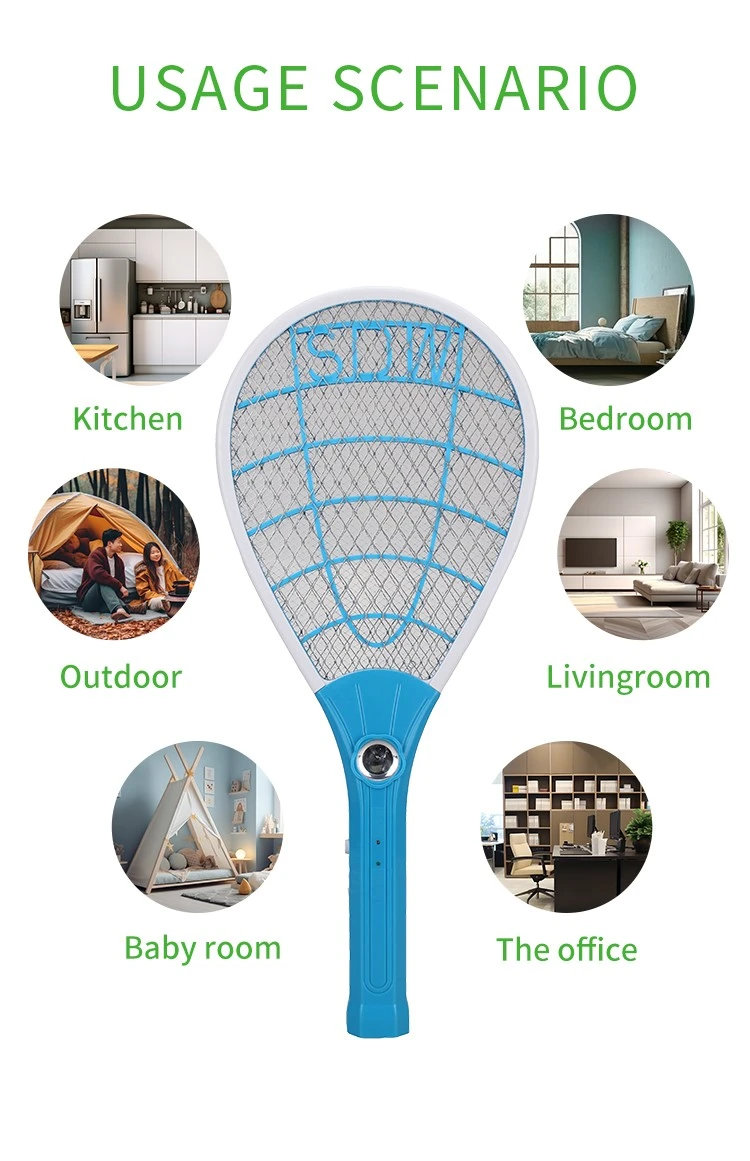
Most importers of electric mosquito swatters obsess over the first order: samples requested, factories vetted, a pre-shipment inspection booked. Then the reorder arrives eight months later and something is off. The grid feels softer. The charge port is a slightly different shade of black. The carton thickness dropped from 350 gsm to 300 gsm. Nothing is catastrophic — but the product no longer matches what your retail customers approved, and quietly, your return rate starts climbing.
How to Keep Mosquito Swatter Quality Consistent Across Repeat Orders
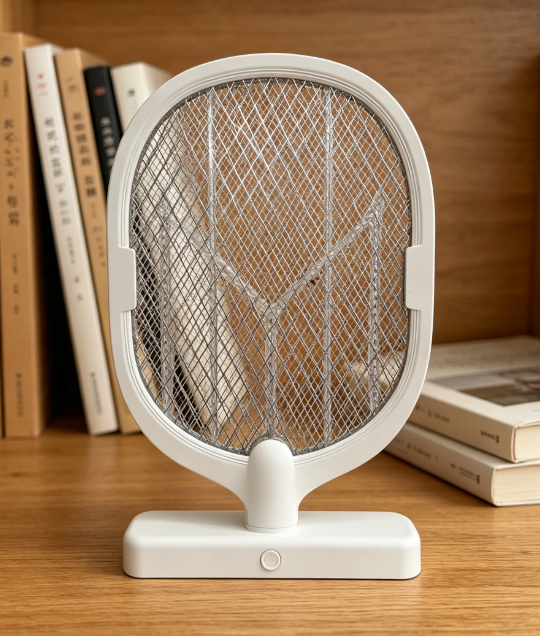
Warranty returns are the silent margin killer in the mosquito control category. A distributor who buys a swatter at $1.80 FOB and retails it at $9.90 can absorb a 1% return rate without noticing — but at 5%, the combined cost of replacement units, reverse logistics, and refund processing erases most of the line's profit.
Common mosquito swatter killer lamp failure modes wholesale spec guide

Digital bathroom scales rank as the second-highest-volume consumer weighing product category, only behind kitchen scales, with distinct market and product characteristics that set them apart from other scale types in importers’ product portfolios.
Digital bathroom body fat-bia-scale wholesale buyers guide