
Complete Guide to Mosquito Prevention for Boarding Students
2026-01-15
Complete Guide to Mosquito Prevention for Boarding Students! Say Goodbye to Buzzing and Stay Comfortable in Dormitories
In the narrow dormitory space, the buzzing of mosquitoes can disrupt a whole night's sleep. When you wake up in the morning, your arms and legs are covered with red, itchy bumps; during daytime study, they hover around your ears, interrupting your train of thought in an instant. What's more troublesome is that dormitories are shared by multiple people, so mosquito prevention must also take into account safety and not disturbing roommates. Today, we have sorted out a tailor-made mosquito prevention plan for boarding students, covering three key points: "eliminating at the source + physical barrier + scientific mosquito repellent", helping you easily get rid of mosquito troubles!
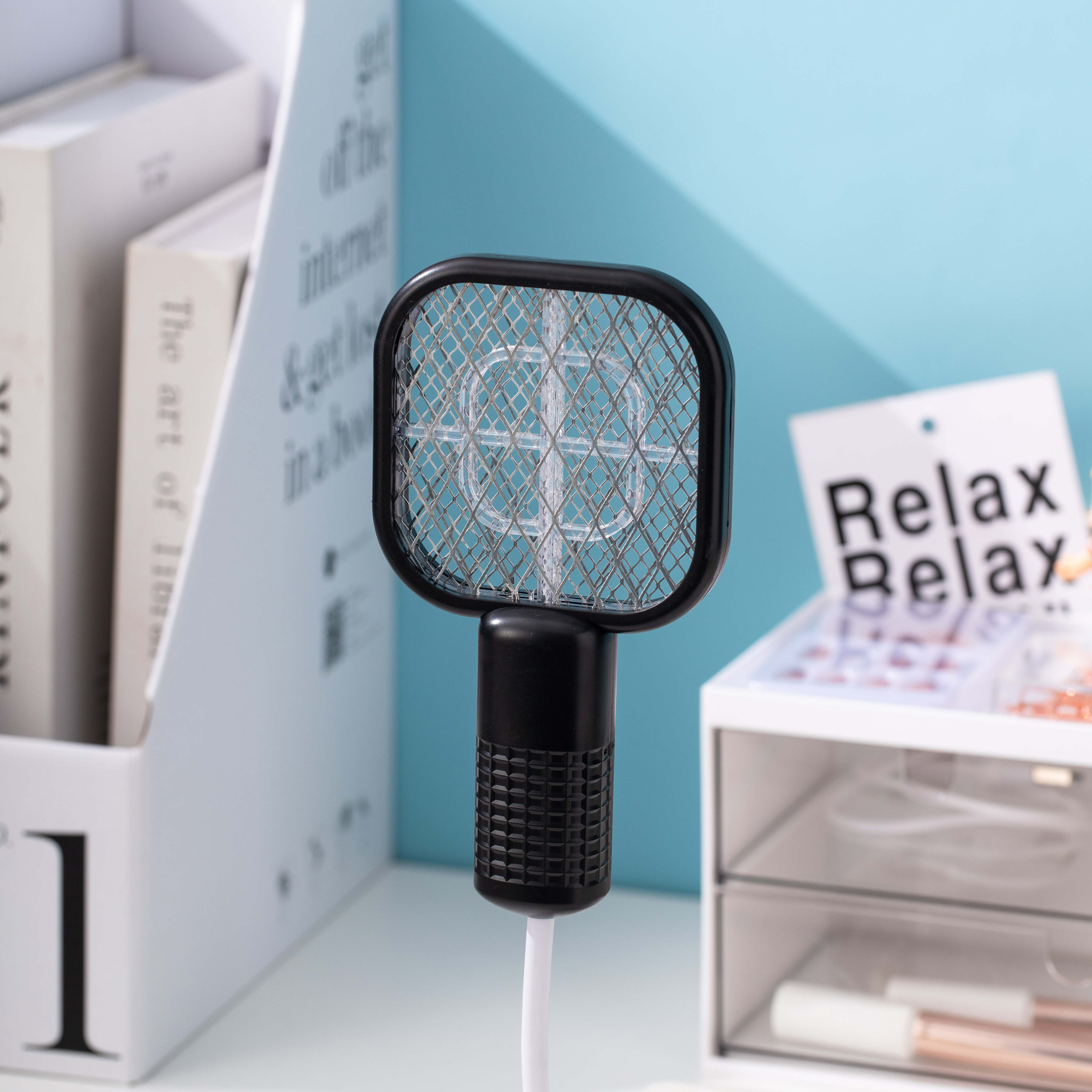
Key Point 1: Environmental Disinfection to Eliminate Mosquito Breeding at the Source
Mosquito larvae cannot live without water, and stagnant water corners in dormitories are their "breeding grounds". To prevent mosquitoes, the first step must be to clean up stagnant water, keep the area dry, and reduce the number of mosquitoes at the source.
1. Focus on cleaning stagnant water corners: Check the dormitory corners every day, especially the balcony, under the sink, water dispenser drip tray, around the trash can, as well as places where stagnant water is likely to accumulate such as roommates' water cups, potted plant trays, and umbrella buckets. Pour out stagnant water in time and wipe dry with a cloth. If there is residual scale in the water dispenser drip tray, clean it with a brush regularly to avoid residual stagnant water.
2. Keep the dormitory ventilated and dry: Humid environments are prone to attracting mosquitoes. Remember to open windows and doors for ventilation in the morning and evening to keep the dormitory air circulating. After taking a bath, dry the floor and walls in time. Wring out mops and cloths and hang them in a ventilated place; do not pile them up in corners to get stuffy.
3. Organize debris regularly: Debris such as cartons, old clothes, and snack bags in the dormitory are prone to accumulating dust and moisture, and also provide hiding places for mosquitoes. Spend some time organizing the desk and cabinet every week to keep the environment clean and reduce mosquito hiding places.
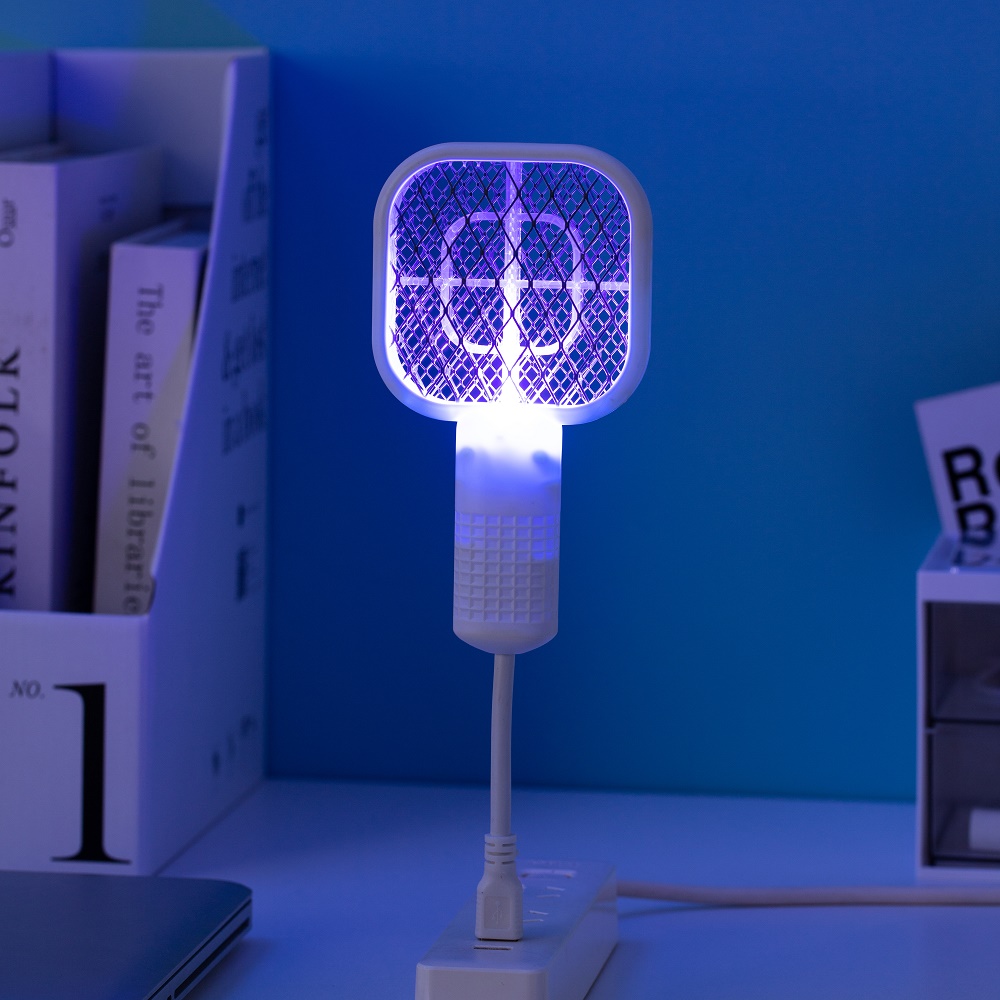
Key Point 2: Physical Protection to Block Mosquitoes Safely Without Disturbance
Physical mosquito prevention is the first choice for boarding students. It is safe and will not disturb roommates, especially suitable for students sensitive to chemical mosquito repellent products. The core is to "build a solid barrier" to prevent mosquitoes from approaching you.
1. Mosquito net: It is definitely one of the "magic weapons" for mosquito prevention in dormitories! When choosing a mosquito net, prioritize styles with dense mesh and zippers. Too large mesh will allow small mosquitoes to get in, and the zipper design can prevent mosquitoes from flying in through gaps when you turn over while sleeping. When installing, make sure to press the bottom edge of the mosquito net completely under the mattress, and there should be no gaps between the bed edge and the mosquito net. Check it every night before going to bed to ensure no mosquitoes are trapped inside.
2. Door and window protection: The windows of the dormitory must be equipped with screen windows. Check if there are any damaged or leaky gaps in the screen windows, and report to the dormitory management for repair in time. Close the door as much as possible after turning on the lights at night to avoid mosquitoes from the corridor flying in; if ventilation is needed, hang a simple door curtain at the door to block mosquitoes from entering.
3. Wear protective clothing: When studying or resting in the dormitory at night, try to wear long-sleeved shirts and long pants, and choose breathable fabrics such as cotton, which are comfortable and can reduce skin exposure. If there are too many mosquitoes, you can also wear a pair of thin socks to avoid being bitten on the ankles.
Key Point 3: Scientific Use of Chemical Mosquito Repellents, Balancing Effectiveness and Safety
If environmental disinfection and physical protection are not enough, it is necessary to use chemical mosquito repellent products. However, boarding students must pay attention to safety when using them to avoid affecting others.
1. Electric mosquito repellent liquid/tablets: These are the most commonly used chemical mosquito repellent products in dormitories. Compared with traditional mosquito coils, they produce less smoke and have a lighter smell, which has less impact on roommates. When purchasing, prioritize regular brands and unscented products. When using, place them away from flammable items such as beds, curtains, and clothes, and plug them into sockets that are not easily touched. Turn them on half an hour before going to bed at night and unplug the power in time when getting up; if your roommate is sensitive to smells, communicate in advance, or turn them on in advance when both of you are not in the dormitory, and enter after ventilation.
2. Mosquito repellent spray: Suitable for use when going out to class. Spray it on clothes (avoid spraying directly on sensitive skin areas) to provide protection outdoors. Choose mosquito repellent sprays containing DEET or picaridin, which have a longer-lasting repellent effect, but do not spray them extensively in the dormitory to avoid excessive smell affecting others.
3. Pitfall reminders: Do not use low-quality mosquito repellent products, which have a pungent smell and may have potential safety hazards; it is forbidden to use open-flame mosquito coils in dormitories, which not only produce a lot of smoke but also violate dormitory safety regulations and are prone to causing fires.
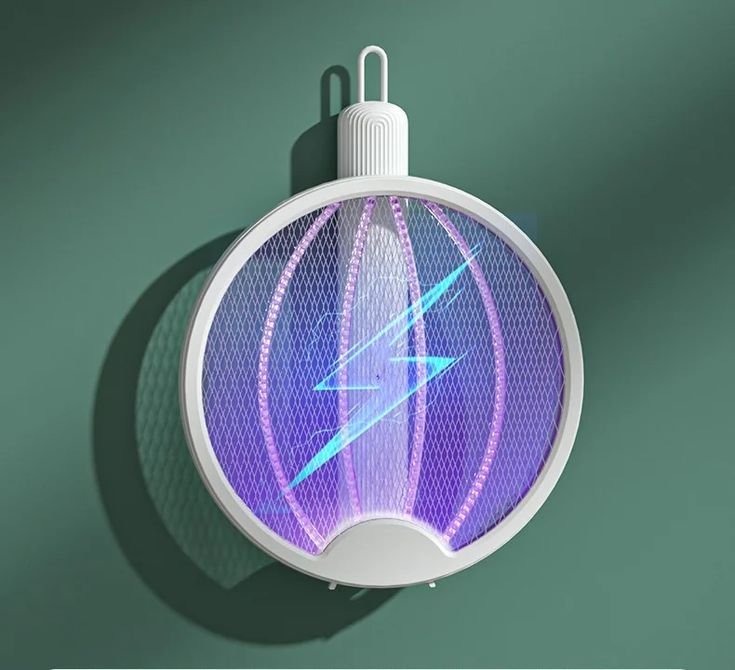
Key Point 4: Daily Habits to Maximize Mosquito Prevention Effect with Details
In many cases, some small habits can greatly reduce the probability of being bitten by mosquitoes. Boarding students must pay attention to these details.
1. Clean up garbage in time: The trash can in the dormitory should be emptied every day, especially garbage containing fruit peels and snack residues, which are prone to attracting mosquitoes. The trash can should preferably have a lid to avoid odors and mosquito aggregation.
2. Avoid peak mosquito activity periods: Mosquitoes are generally active in the early morning, evening, and night. During these periods, try to reduce opening windows, or use screen windows and door curtains when opening windows. If there are mosquitoes after turning off the lights at night, do not slap them with your hands (which may crush the mosquitoes and leave bacteria), but use a fly swatter or electric fly swatter to deal with them.
3. Pre-sleep check: Spend 1 minute every night before going to bed checking if the mosquito net is closed tightly, if there are any tight gaps in the doors and windows, and if there is any stagnant water on the desk and floor. Pay attention to the details to have a good night's sleep.
In fact, mosquito prevention for boarding students is not complicated. As long as you grasp the key points of "cleaning the source, building a solid barrier, using scientific mosquito repellents, and focusing on details", you can effectively reduce mosquito harassment. After all, a good rest and good study are the core of living in a dormitory. I hope this mosquito prevention guide can help you!
Can Mosquito Killer Lamps Be Shipped by Courier
Electric Mosquito Swatter Weight
Related Article

If you’re struggling with annoying mosquitoes, flies, and other flying pests indoors and outdoors, upgrading from traditional manual tools to anElectric Mosquito Swatter is the most efficient solution. Many homeowners and renters search where to buy fly swatter online to find durable, safe, and high-performance electric models that deliver instant pest control.
Where to Buy Fly Swatter
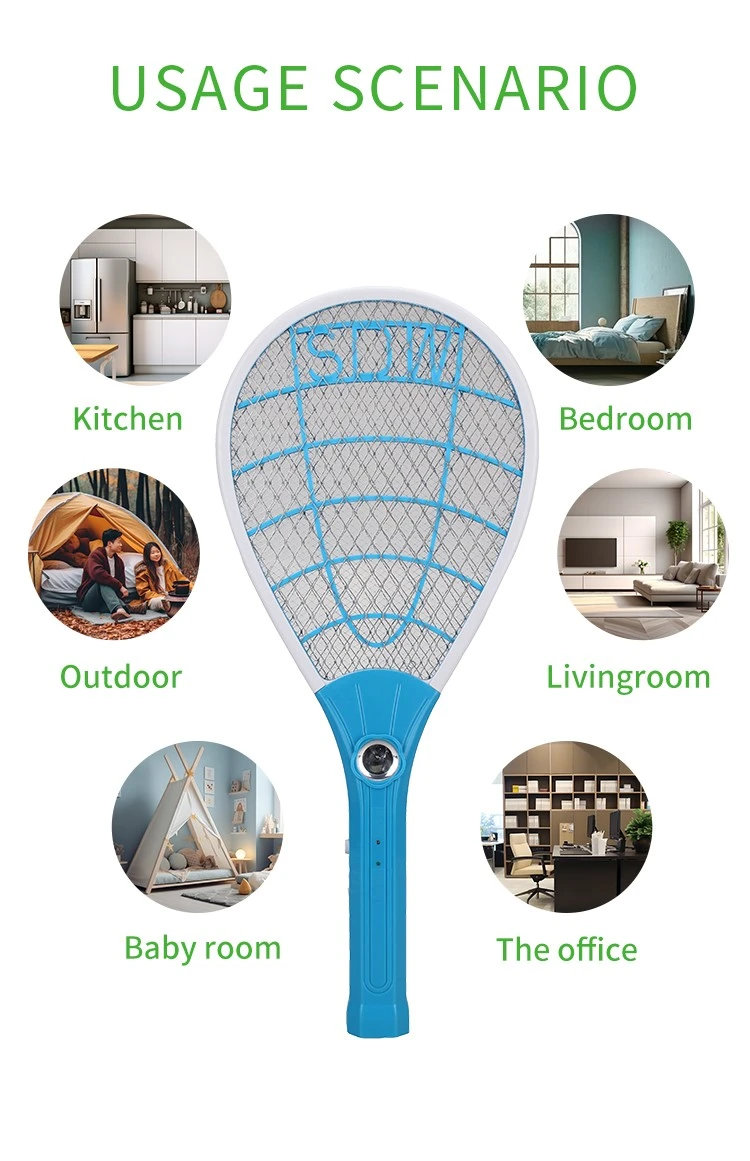
Most importers of electric mosquito swatters obsess over the first order: samples requested, factories vetted, a pre-shipment inspection booked. Then the reorder arrives eight months later and something is off. The grid feels softer. The charge port is a slightly different shade of black. The carton thickness dropped from 350 gsm to 300 gsm. Nothing is catastrophic — but the product no longer matches what your retail customers approved, and quietly, your return rate starts climbing.
How to Keep Mosquito Swatter Quality Consistent Across Repeat Orders
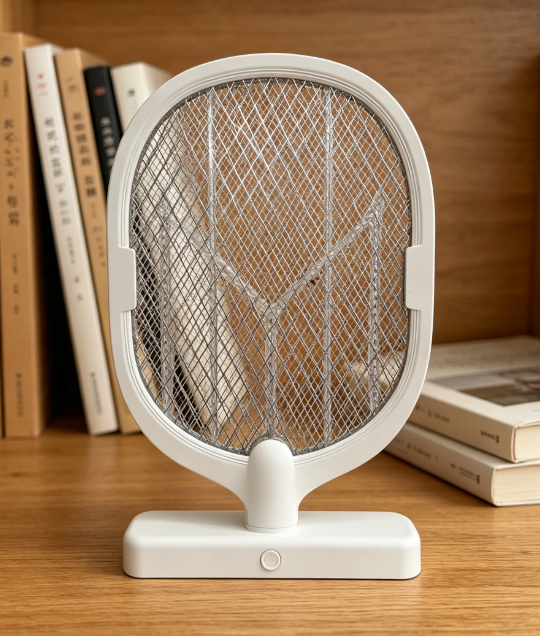
Warranty returns are the silent margin killer in the mosquito control category. A distributor who buys a swatter at $1.80 FOB and retails it at $9.90 can absorb a 1% return rate without noticing — but at 5%, the combined cost of replacement units, reverse logistics, and refund processing erases most of the line's profit.
Common mosquito swatter killer lamp failure modes wholesale spec guide

Digital bathroom scales rank as the second-highest-volume consumer weighing product category, only behind kitchen scales, with distinct market and product characteristics that set them apart from other scale types in importers’ product portfolios.
Digital bathroom body fat-bia-scale wholesale buyers guide