
Core Components Determine Classification
2025-12-11
I. Core Components Determine Classification
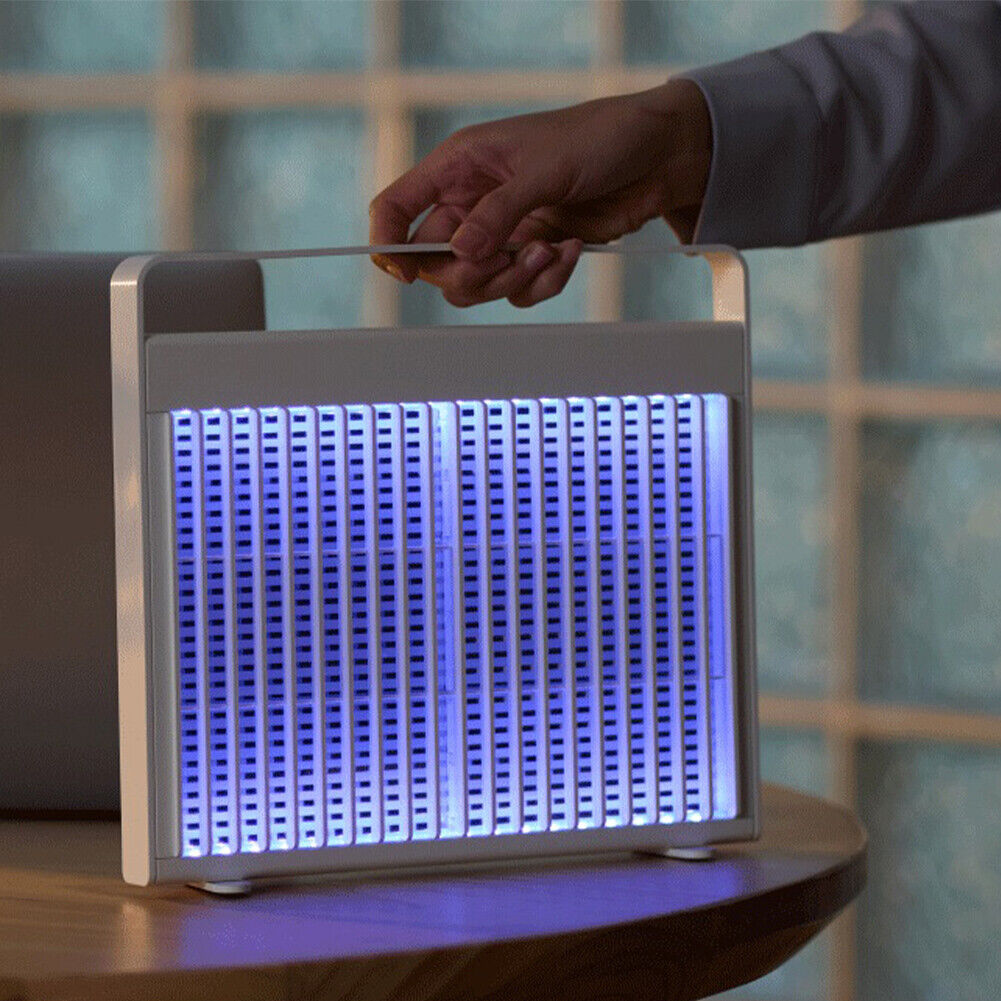
Mosquito killers mainly consist of three parts: shell (plastic/metal), electronic components (circuit board, light tube), and power supply (battery/power cord). Among these, electronic components and batteries are the key classification criteria, directly influencing disposal categories.
II. Scenario-Based Disposal: 3 Common Cases & Corresponding Waste Types
1. Mosquito Killer with Rechargeable Battery (Wireless Type)
Classification Conclusion: Battery → separately as "Hazardous Waste"; lamp body → "Recyclables" or "Residual Waste"
Specific Operations:
- First remove the battery (usually at the bottom or back of the lamp, mostly lithium/nickel-cadmium battery);
- Seal the battery in a transparent bag and dispose of it in the "Hazardous Waste" bin (batteries contain heavy metals that pollute soil and water if discarded randomly);
- For the lamp body:
-
- If the shell is intact (no damage, no stains), the plastic/metal material is recyclable — clean it and put it in "Recyclables";
-
- If the shell is severely damaged or electronic components are exposed, directly dispose of it as "Residual Waste".
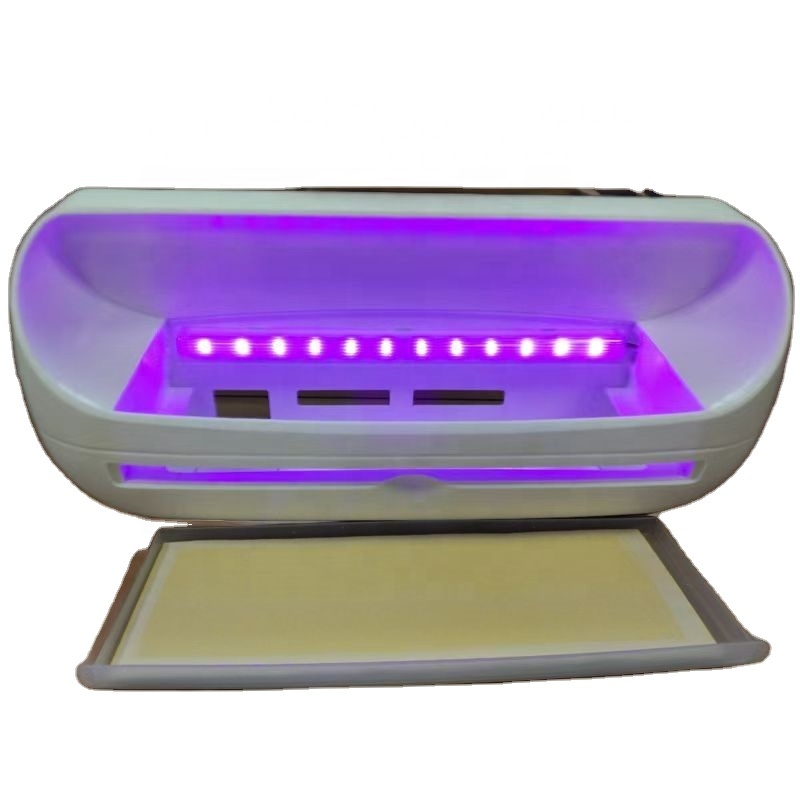
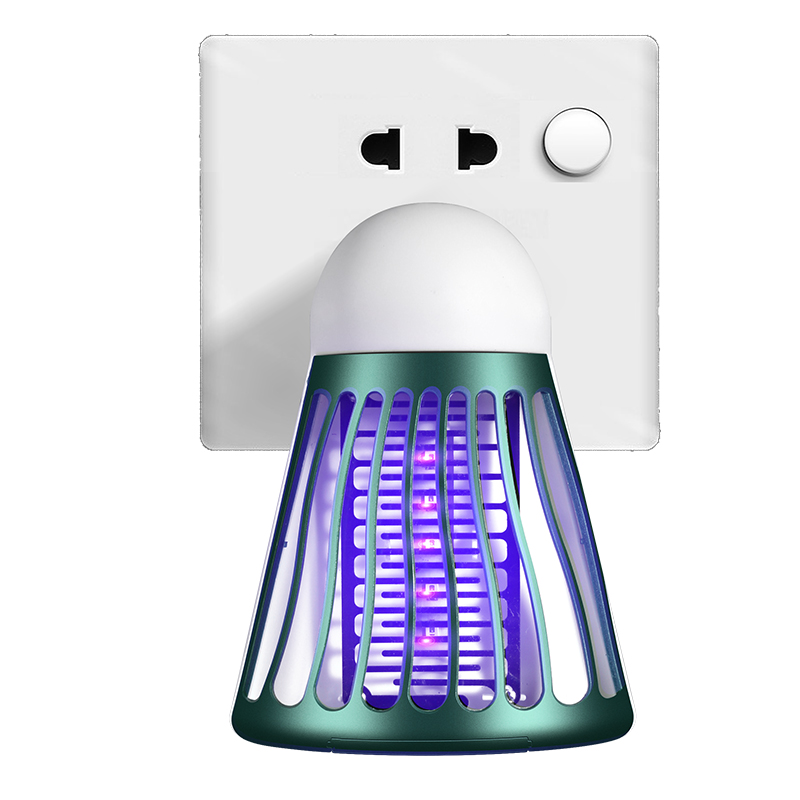
2. Plug-In Mosquito Killer Without Battery (Wired Type)
Classification Conclusion: Intact lamp body → "Recyclables"; damaged lamp body → "Residual Waste"
Specific Operations:
-
- If the shell is undamaged and the power cord is intact, unplug it, disassemble the plastic shell and metal bracket (no need to remove electronic components), and put them in "Recyclables";
-
- If the lamp body is damaged, the light tube is broken, or the power cord is aged/cracked, directly dispose of it as "Residual Waste" to avoid electronic pollution (Note: If only the light tube is broken separately, wrap it in tissue paper and put it in "Hazardous Waste"; however, integrated light tubes in mosquito killers do not need disassembly — classify the entire lamp as Residual Waste).
3. Disposable/Simple Mosquito Killer (e.g., Adhesive-Type Without Electronic Components)
Classification Conclusion: "Residual Waste"
Explanation: Most of these mosquito killers have a paper shell + adhesive. The material is non-recyclable and contains no harmful components — dispose of the entire product as "Residual Waste" directly.
III. Common Myth Reminders
❌ Myth 1: All mosquito killers are "Hazardous Waste" — Only standalone waste batteries and broken light tubes belong to Hazardous Waste; intact lamp bodies ≠ Hazardous Waste.
❌ Myth 2: Dispose of the entire lamp directly as Recyclables — Battery-equipped models must have the battery removed first; severely damaged lamp bodies are non-recyclable, and forced disposal will affect the purity of recyclables.
❌ Myth 3: Dispose of the battery together with the lamp body — Batteries are Hazardous Waste; mixed disposal causes secondary pollution — always disassemble and dispose of them separately.
IV. Eco-Friendly Tips
- If only the light tube is damaged, try replacing it to extend the lamp’s service life and reduce waste;
- Clean stains on the lamp body before disposal to avoid contaminating other waste;
- If unsure about classification, check community waste classification guidelines or consult property management staff.
Why do customers like to place orders before the Chinese New Year
How Much of Pest Control
Related Article

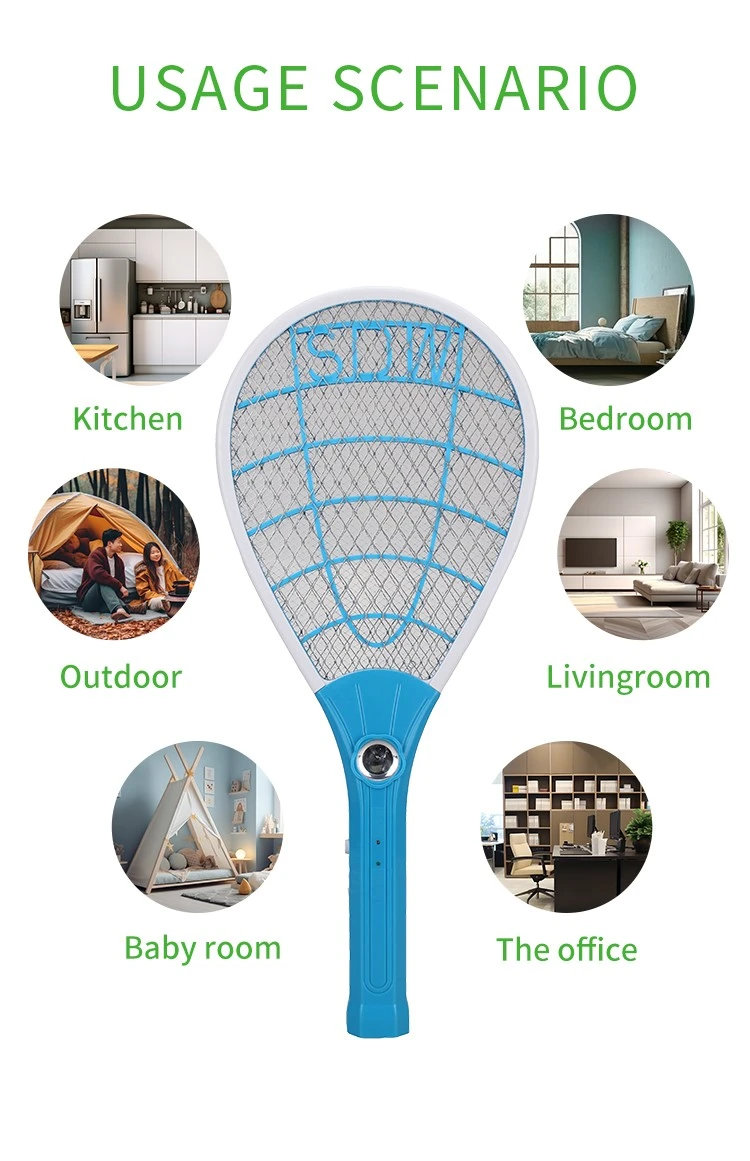
If you’re struggling with annoying mosquitoes, flies, and other flying pests indoors and outdoors, upgrading from traditional manual tools to anElectric Mosquito Swatter is the most efficient solution. Many homeowners and renters search where to buy fly swatter online to find durable, safe, and high-performance electric models that deliver instant pest control.
Where to Buy Fly Swatter
Most importers of electric mosquito swatters obsess over the first order: samples requested, factories vetted, a pre-shipment inspection booked. Then the reorder arrives eight months later and something is off. The grid feels softer. The charge port is a slightly different shade of black. The carton thickness dropped from 350 gsm to 300 gsm. Nothing is catastrophic — but the product no longer matches what your retail customers approved, and quietly, your return rate starts climbing.
How to Keep Mosquito Swatter Quality Consistent Across Repeat Orders
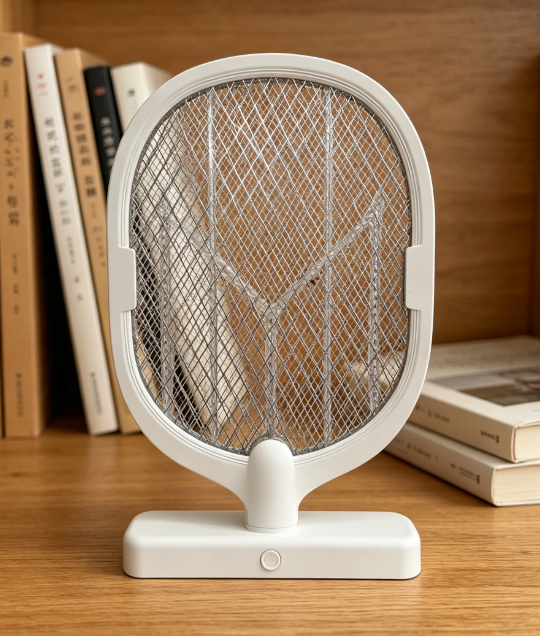
Warranty returns are the silent margin killer in the mosquito control category. A distributor who buys a swatter at $1.80 FOB and retails it at $9.90 can absorb a 1% return rate without noticing — but at 5%, the combined cost of replacement units, reverse logistics, and refund processing erases most of the line's profit.
Common mosquito swatter killer lamp failure modes wholesale spec guide

Digital bathroom scales rank as the second-highest-volume consumer weighing product category, only behind kitchen scales, with distinct market and product characteristics that set them apart from other scale types in importers’ product portfolios.
Digital bathroom body fat-bia-scale wholesale buyers guide