
Core Difference Analysis Between PP Material and AB Material
2025-12-23
Core Difference Analysis Between PP Material and AB Material: A Must-Read Guide for Material Selection
In the field of plastic material applications, PP (polypropylene) and AB (commonly ABS or other AB-type blended materials; this article takes general-purpose ABS as an example) are two materials with highly extensive application scenarios but significantly different characteristics. Many practitioners tend to confuse the two when selecting materials. From small daily necessities casings to large industrial components, choosing the right material directly affects the product's performance, cost, and service life. Today, we will help you understand the core differences between PP and AB materials from four dimensions: core attributes, key performance, processing characteristics, and application scenarios.
I. Basic Properties: Composition and Structure Determine Essential Differences
The chemical composition of PP material is polypropylene, a crystalline polymer formed by the addition polymerization of propylene monomers. It has a regular molecular structure and belongs to a single resin material. Its biggest feature is low density (0.90-0.91g/cm³), making it one of the lightest general-purpose plastics, which is the core source of its lightweight advantage.
AB material (taking ABS as an example) is a terpolymer of Acrylonitrile-Butadiene-Styrene, belonging to a blend modified material. Its molecular structure combines the characteristics of three monomers: acrylonitrile provides chemical resistance and rigidity, butadiene imparts toughness and impact resistance, and styrene endows good processing fluidity and surface gloss. Precisely because it is a copolymer, ABS has a more complex composition and more comprehensive performance.
II. Key Performances: Comparison of Core Indicators, Each with Distinct Advantages
1. Mechanical Properties: The Trade-off Between Rigidity and Toughness
The mechanical properties of PP material show the characteristics of "medium rigidity and differentiated toughness": it has a certain tensile strength and flexural strength at room temperature, but poor low-temperature toughness. When the temperature is below 0℃, the impact strength decreases significantly, making it prone to brittle fracture; however, low-temperature toughness can be improved by modification (such as adding elastomers) to form high-impact PP grades.
The mechanical properties of AB material (ABS) are more balanced, especially in the balance between rigidity and toughness: both tensile strength and flexural strength are higher than ordinary PP, and low-temperature impact resistance is far superior to PP. Even in an environment of -20℃, it can still maintain good toughness and is not easy to brittle fracture. This is the core reason why ABS is often used in scenarios requiring high structural strength and impact resistance.
2. Heat Resistance: PP is More Heat-Resistant, ABS Suitable for Room Temperature Scenarios
Heat resistance is one of the prominent advantages of PP material. The heat distortion temperature of ordinary PP is about 100-120℃, and after modification (such as glass fiber reinforcement), the heat distortion temperature can be increased to above 140℃, which can withstand the temperature of boiling water. Therefore, it is often used to make appliances that need high-temperature disinfection (such as microwave oven containers and disposable syringes).
The heat resistance of AB material (ABS) is relatively weak. The heat distortion temperature of ordinary ABS is only 80-90℃, and it is prone to deformation when the temperature exceeds this range. Therefore, it is more suitable for products used in room temperature or low-temperature environments and cannot directly contact high-temperature scenarios.
3. Chemical Stability and Weather Resistance: PP Has Better Chemical Resistance, ABS Has Slightly Better Weather Resistance
PP material has excellent chemical stability, with good tolerance to most acid, alkali, salt solutions and organic solvents (such as ethanol and acetone), and is not easy to be corroded. Therefore, it is often used to make chemical storage tanks, pipelines, acid and alkali resistant containers, etc. However, PP has poor weather resistance. Long-term exposure to sunlight will cause aging and embrittlement, so it is necessary to add antioxidants and ultraviolet absorbers for modification.
The chemical stability of AB material (ABS) is general, with poor tolerance to strong acids, strong alkalis and strong organic solvents, and is easy to be corroded; but its weather resistance is slightly better than unmodified PP. When used outdoors for a long time, the aging rate is relatively slow, but it is still recommended to carry out anti-aging treatment before using in outdoor scenarios.
III. Processing Characteristics: Obvious Differences in Molding Difficulty and Cost
PP material has good processing fluidity, low melt viscosity and a wide molding temperature range (170-220℃). It is suitable for various processing methods such as injection molding, extrusion and blow molding. Moreover, it is not easy to produce decomposition products during processing, with short molding cycle and high production efficiency. In addition, the shrinkage rate of PP is relatively large (1.0%-2.5%), which needs to be fully considered in mold design to avoid product deformation.
AB material (ABS) has medium processing fluidity and a narrow molding temperature range (200-250℃), which requires higher control of processing parameters. As a copolymer, ABS needs strict control of temperature and pressure during processing, otherwise defects such as poor surface gloss and obvious weld lines are likely to occur. However, the shrinkage rate of ABS is small (0.4%-0.8%), and the molding precision is high, making it suitable for products with strict dimensional requirements.
In terms of cost, the raw material price of ordinary PP is lower than that of ordinary ABS, and the processing efficiency is high, so the comprehensive production cost is lower; while ABS has higher cost due to complex composition and slightly higher processing difficulty, especially high-performance ABS (such as flame-retardant ABS and reinforced ABS) whose price is significantly higher than PP.
IV. Application Scenarios: Precise Matching According to Needs
The application scenarios of PP material are concentrated in fields requiring high lightweight, heat resistance, chemical resistance and cost sensitivity:
-
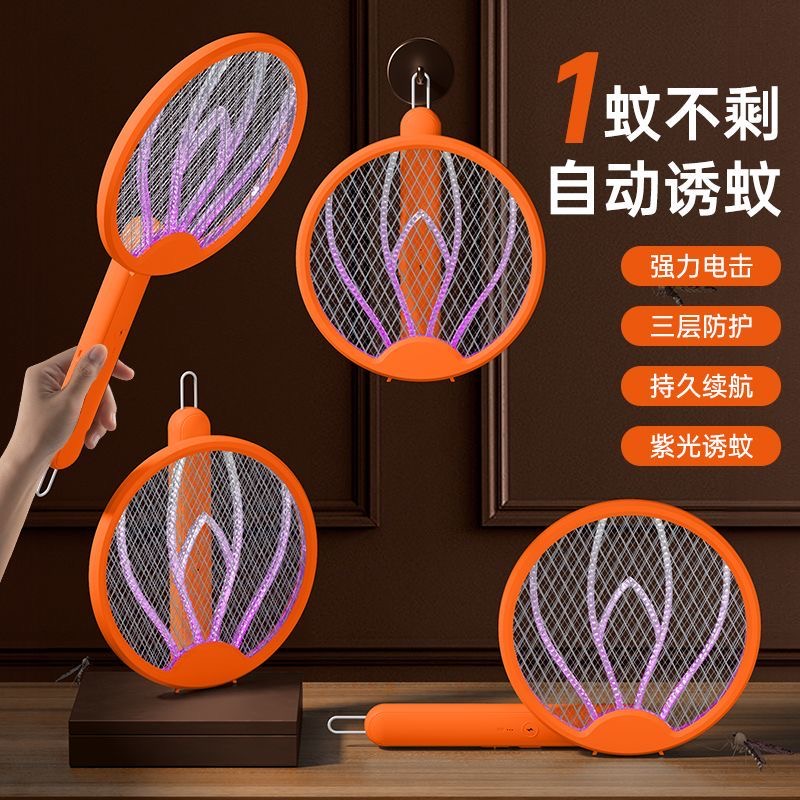
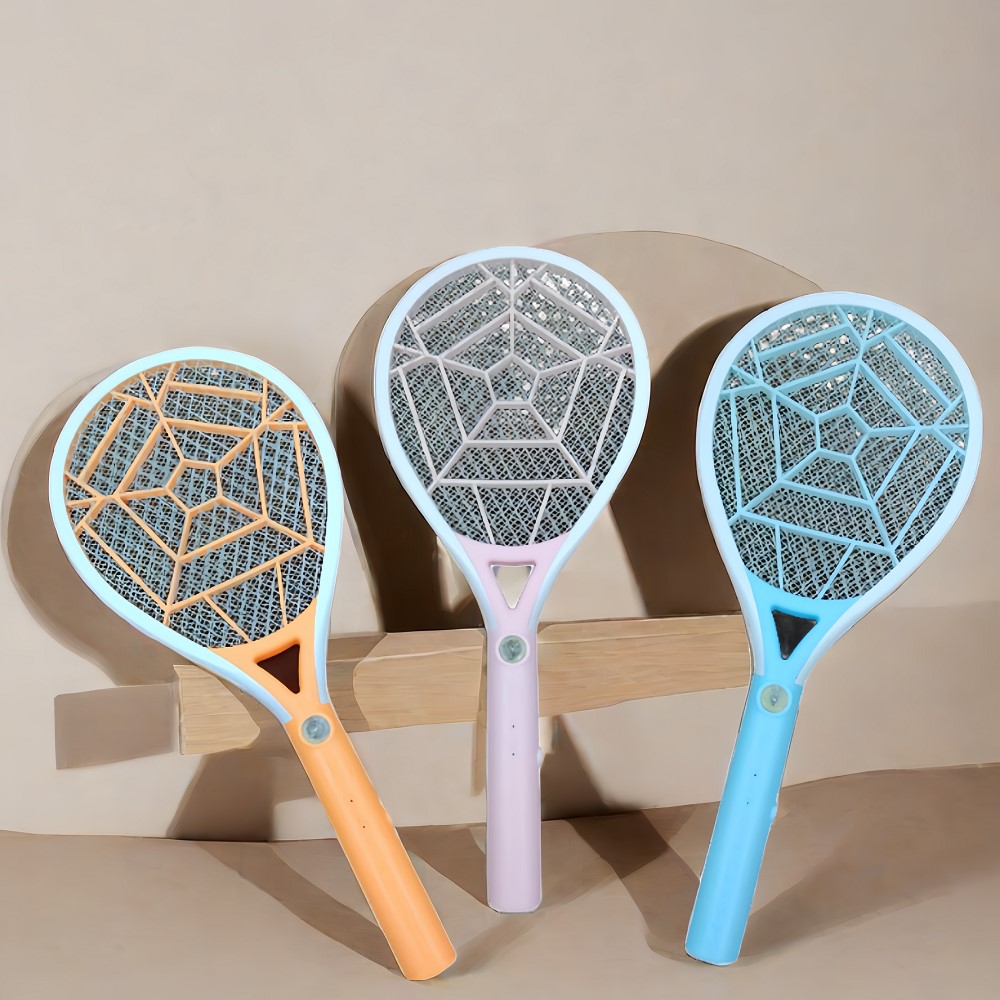
Daily necessities: microwave oven containers, food preservation boxes, drinking cups, plastic basins, electric mosquito swatter casings (economical type), etc.; the electric mosquito swatter casing made of PP material is light in weight and low in cost, which can effectively control the product price and is suitable for mass consumption scenarios. However, the casing is prone to cracking when impacted in low-temperature environments, and may embrittle due to aging after long-term use;
-
Industrial field: chemical pipelines, storage tanks, pump bodies, automotive bumpers (modified PP), instrument panel skeletons, etc.;
-
Medical field: disposable syringes, infusion sets, medical device casings (high-temperature disinfection type), etc.
The application scenarios of AB material (ABS) focus on fields requiring high structural strength, impact resistance and molding precision:
-
Home appliance field: TV casings, washing machine inner tubs, refrigerator drawers, air conditioner casings, etc.;
-
Automotive field: automotive interior parts (such as instrument panels, door panels), exterior parts (such as grilles), etc.;
-
Electronic field: computer host casings, keyboards and mice, mobile phone middle frames, etc.;
-
Industrial field: mechanical parts, gears, bearings, toolboxes, etc.;
-
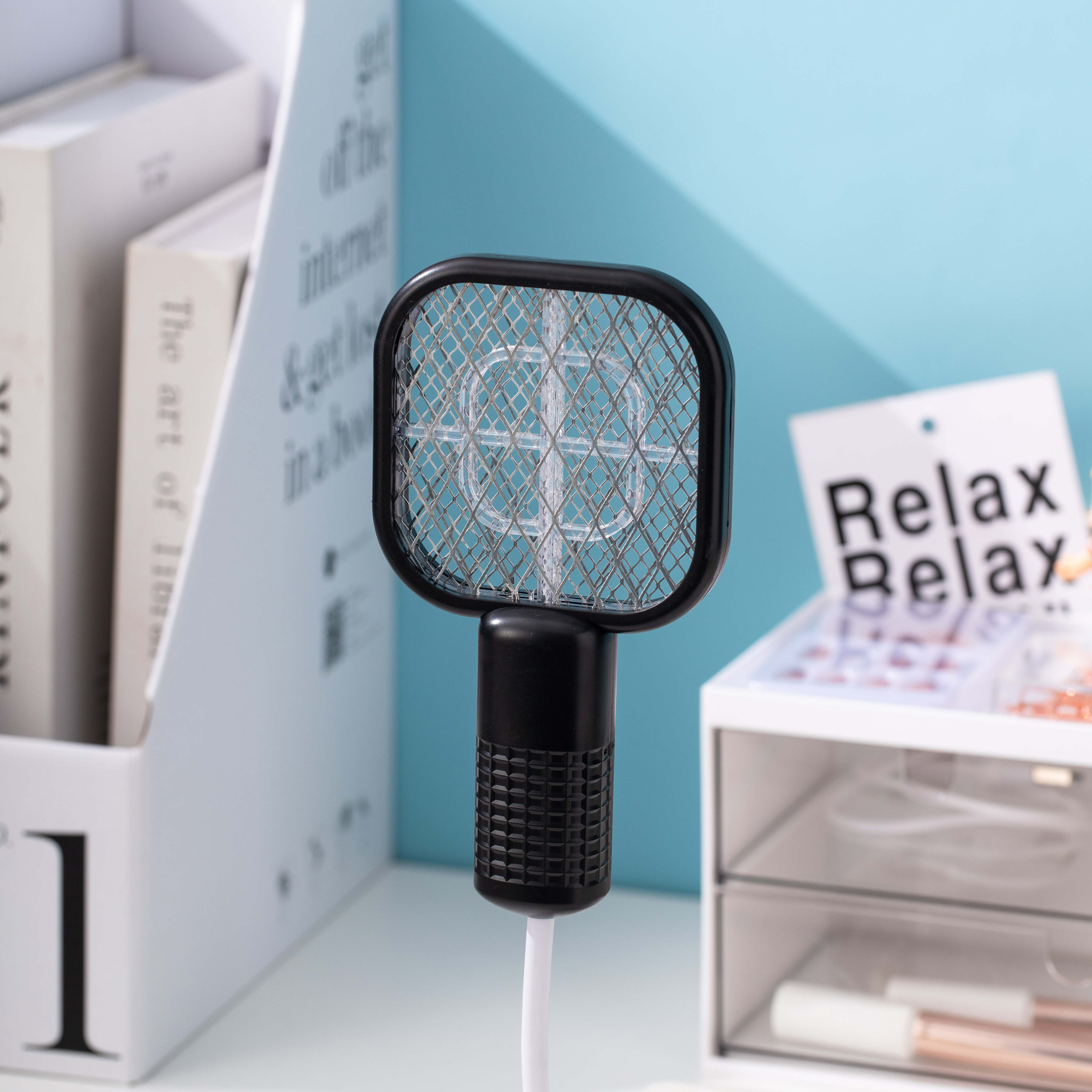
Daily necessities: electric mosquito swatter casings (high-end type), handheld small appliance casings, etc.; the electric mosquito swatter casing made of ABS material is hard and shatter-resistant, which can better protect the internal circuits and power grids, and is not easy to be damaged even if accidentally dropped; at the same time, it has high molding precision and tight casing seams, which can reduce mosquito escape, and its weather resistance is better than PP, so it is not easy to age and discolor after long-term storage or outdoor use.
Summary: Core Logic of Material Selection
The essence of the difference between PP and AB material (ABS) is the difference between "the specific advantages of a single resin" and "the comprehensive advantages of a copolymer": if your product requires lightweight, heat resistance, chemical corrosion resistance and is cost-sensitive, prioritize PP (such as economical electric mosquito swatters); if the product requires high rigidity, toughness and molding precision, and the use environment is complex (such as low temperature and need for impact resistance), prioritize ABS.
Of course, with the development of modification technology, the performance boundary between modified PP and modified ABS is gradually blurring. For example, high-impact PP can approach the toughness of ABS, and flame-retardant ABS can meet specific fire protection requirements. Finally, during material selection, a comprehensive evaluation is needed in combination with specific product requirements, use environment and cost budget.
Is More Lights on a Mosquito Swatter Better
How does the LED insect trap protect our planet
Related Article

If you’re struggling with annoying mosquitoes, flies, and other flying pests indoors and outdoors, upgrading from traditional manual tools to anElectric Mosquito Swatter is the most efficient solution. Many homeowners and renters search where to buy fly swatter online to find durable, safe, and high-performance electric models that deliver instant pest control.
Where to Buy Fly Swatter

Most importers of electric mosquito swatters obsess over the first order: samples requested, factories vetted, a pre-shipment inspection booked. Then the reorder arrives eight months later and something is off. The grid feels softer. The charge port is a slightly different shade of black. The carton thickness dropped from 350 gsm to 300 gsm. Nothing is catastrophic — but the product no longer matches what your retail customers approved, and quietly, your return rate starts climbing.
How to Keep Mosquito Swatter Quality Consistent Across Repeat Orders

Warranty returns are the silent margin killer in the mosquito control category. A distributor who buys a swatter at $1.80 FOB and retails it at $9.90 can absorb a 1% return rate without noticing — but at 5%, the combined cost of replacement units, reverse logistics, and refund processing erases most of the line's profit.
Common mosquito swatter killer lamp failure modes wholesale spec guide

Digital bathroom scales rank as the second-highest-volume consumer weighing product category, only behind kitchen scales, with distinct market and product characteristics that set them apart from other scale types in importers’ product portfolios.
Digital bathroom body fat-bia-scale wholesale buyers guide