
Core Factors Affecting Electronic Scale Accuracy
2026-06-02
Core Factors Affecting Electronic Scale Accuracy: A Complete Guide to Daily Usage Errors
With intuitive readings, convenient operation and high precision, electronic scales have been widely used in daily households, commercial sales, industrial weighing and other scenarios. They are essential for weighing ingredients in home baking, weighing fruits and vegetables in markets, and measuring precision materials in factories. However, many users encounter common problems: inconsistent readings for the same item after multiple weighings, measurement deviations when changing placement positions, and inaccurate values even with new scales.
In fact, the accuracy of electronic scales is not fixed and is affected by multiple factors including the usage environment, manual operations and equipment conditions. Most weighing errors do not stem from equipment faults but trivial oversights in daily use. This article comprehensively analyzes the core factors affecting electronic scale accuracy to help users avoid common mistakes and obtain precise weighing data.
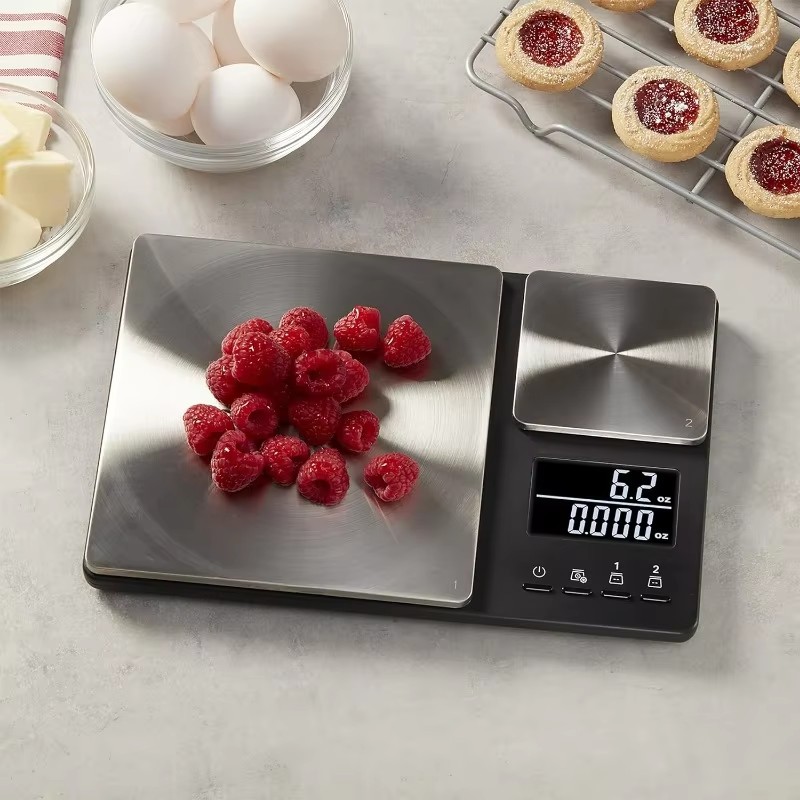
1. Environmental Factors: Overlooked Hidden Sources of Weighing Errors
As precision sensing devices, electronic scales are extremely sensitive to subtle environmental changes such as temperature, ground conditions and airflow. These changes can directly interfere with sensor operation and cause weighing errors, which are the leading cause of inaccuracies in daily weighing.
1.1 Uneven and Unstable Placement Surface
Electronic scales operate on the principle of uniform force bearing by the bottom sensors. The force balance will be broken if the scale is placed on inclined, uneven or soft surfaces. When placed on carpets, foam mats, uneven tiles or shaky desktops, the supporting feet of the scale cannot fully fit the contact surface, resulting in suspended parts and uneven force distribution, which ultimately leads to higher or lower weighing readings.
In addition, slight ground slopes or skewed scale placement will generate component forces of vertical gravity that cannot fully act on the sensor, causing fixed measurement errors. This is why official instructions always require electronic scales to be used on hard, flat, stable and horizontal surfaces.
1.2 Fluctuations in Ambient Temperature and Humidity
The core weighing component of an electronic scale is the strain sensor, which is highly sensitive to temperature changes. In ultra-low, high-temperature or rapidly changing temperature environments, the sensor undergoes slight thermal expansion and contraction, causing deviations in internal resistance values and directly undermining weighing accuracy.
The optimal working temperature for most electronic scales ranges from 10°C to 30°C. Long-term exposure to direct sunlight, sub-zero temperatures, areas near ovens or direct air conditioning airflow will cause reading drift. Meanwhile, high humidity may lead to internal circuit dampness and slight oxidation of metal parts, which not only reduces weighing accuracy but also shortens equipment service life and causes unstable readings and value jumping over time.
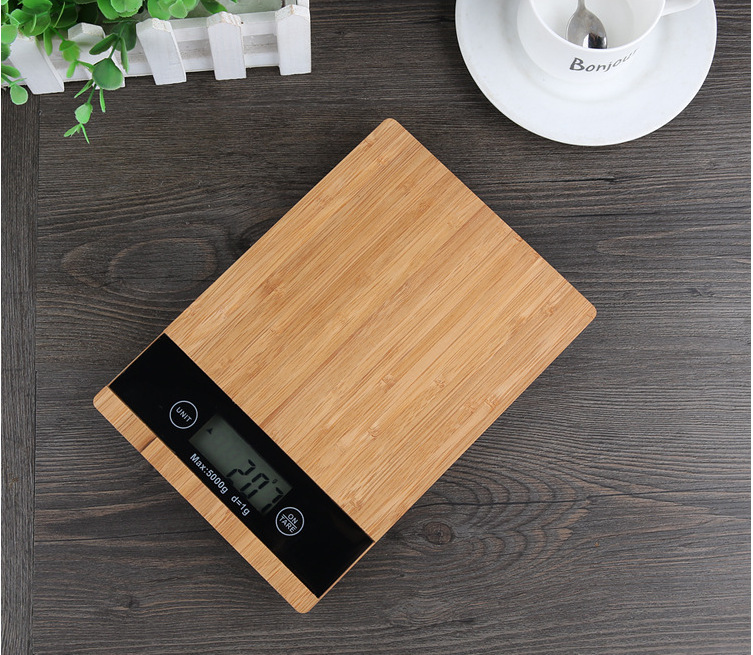
1.3 Interference from Airflow, Vibration and Magnetic Fields
Subtle external interference is a commonly ignored cause of inaccurate weighing. Open-type electronic scales and high-precision electronic balances are particularly sensitive to airflow. Airflow from electric fans, natural wind through open windows and even close breathing airflow can cause errors when weighing lightweight items.
Ground vibration and vibration from surrounding operating equipment such as refrigerators, washing machines and treadmills will keep the scale shaking, making the sensor receive unstable force signals and resulting in jumping or inflated readings. In addition, strong magnetic fields can interfere with the circuit signals of electronic scales, leading to hidden errors when weighing near high-power electrical appliances or magnets.
2. Human Operation Factors: Direct Cause of Most Weighing Errors
Compared with environmental factors, non-standard daily operations are the primary reason for inaccurate weighing for ordinary users. Many habitual wrong operations continuously cause value deviations but are rarely noticed.
2.1 Weighing Without Zeroing or Taring
This is the most prevalent weighing mistake. If there are sundries or dust on the scale surface after startup, or a container is placed on the scale without a zero reading, direct weighing will overlay the basic weight and result in inflated values.
Furthermore, residual tare memory and failure to re-zero after consecutive weighings of different items will cause cumulative errors. The standard correct operation is to confirm a zero reading before each weighing. When using a container, place the container first, press the tare key to reset the reading to zero, and then put the item on the scale for weighing.
2.2 Irregular Item Placement
The sensor’s force-bearing core is located at the center of the scale surface, where force distribution is the most uniform and errors are minimized. Placing items offset, diagonally or on the edges and corners of the scale surface will cause force deviation and uneven stress on the sensor, leading to weighing inaccuracies.
For small electronic scales and high-precision balances, a placement offset of only 1 to 2 centimeters can cause errors of 0.1 to 1 gram. Meanwhile, if items exceed the scale surface or touch walls and surrounding objects, additional supporting force will offset part of the gravity, resulting in low weighing readings.
2.3 Overloading, Underloading and Frequent Consecutive Weighings
Every electronic scale has a fixed weighing range, with common household small scales ranging from 0-5kg to 0-10kg. Long-term overloading squeezes the sensor and deforms its elastic components, causing permanent precision damage, continuous weighing errors and even equipment failure.
Conversely, underloading lightweight items also leads to errors. Electronic scales are equipped with a minimum division value and cannot accurately identify weights below the minimum measurable limit, resulting in invisible or inaccurate readings. In addition, frequent consecutive weighings do not allow the sensor to reset completely, causing temporary reading drift.

3. Equipment Self-Factors: Hardware Condition Determines Basic Precision
The hardware configuration, wear degree and calibration status of electronic scales determine their basic weighing accuracy. Even with standardized operations and ideal environments, faulty equipment will produce persistent weighing errors.
3.1 Sensor Aging and Component Wear
The sensor is the core precision component of an electronic scale. Long-term continuous force bearing, minor vibration and oxidation aging will reduce its elasticity and sensitivity. New sensors feature sufficient elasticity and accurate induction, while sensors used for 3 to 5 years will gradually age with declining weighing precision.
In addition, worn or loose scale supporting feet and poor internal circuit contact will lead to unstable force transmission, causing reading jumping and inaccurate values — the main reasons for reduced accuracy of old electronic scales.
3.2 Long-term Non-calibration and Reading Deviation
Electronic scales will have slight parameter deviations after transportation, movement, collision and temperature changes, requiring regular calibration and resetting. Most household users never calibrate their scales actively, leading to accumulated zero point and range deviations and increasingly obvious errors over time.
Commercial and industrial electronic scales require higher calibration standards and need regular calibration with standard weights. Household electronic scales can eliminate long-term deviations through zero resetting and self-calibration with standard weight items to maintain accuracy.
3.3 Unstable Power Supply from Batteries or Mains
The impact of power supply on accuracy is often overlooked. Low battery power, aging batteries and poor contact cause unstable voltage supply, which prevents the internal operation circuit from working normally and leads to jumping readings, fluctuating values and weighing deviations.
Portable rechargeable electronic scales suffer significantly increased precision errors when low on power. When unstable readings occur, replacing batteries or fully charging the scale can fix most minor inaccuracy issues in daily use.
4. Summary: How to Maintain Long-Term Accuracy of Electronic Scales
As concluded above, electronic scale accuracy is jointly determined by environmental conditions, operating specifications and equipment status. To minimize weighing errors and maintain stable precision, adhere to daily standard operations and maintenance: place the scale on a flat, hard and horizontal surface away from extreme temperatures, humidity, vibration and magnetic interference; zero and tare before each weighing and place items centrally on the scale; avoid overloading, calibrate regularly and replace batteries in a timely manner.
Most electronic scale inaccuracies stem from improper daily operations rather than equipment faults. Mastering the above influencing factors and avoiding common usage mistakes can maximize the precision performance of electronic scales, meeting the weighing needs of household, commercial and industrial scenarios.
Are There More Mosquitoes Now Than in Ancient Times
Can Mosquito Bites Transmit AIDS
Related Article

If you’re struggling with annoying mosquitoes, flies, and other flying pests indoors and outdoors, upgrading from traditional manual tools to anElectric Mosquito Swatter is the most efficient solution. Many homeowners and renters search where to buy fly swatter online to find durable, safe, and high-performance electric models that deliver instant pest control.
Where to Buy Fly Swatter

Most importers of electric mosquito swatters obsess over the first order: samples requested, factories vetted, a pre-shipment inspection booked. Then the reorder arrives eight months later and something is off. The grid feels softer. The charge port is a slightly different shade of black. The carton thickness dropped from 350 gsm to 300 gsm. Nothing is catastrophic — but the product no longer matches what your retail customers approved, and quietly, your return rate starts climbing.
How to Keep Mosquito Swatter Quality Consistent Across Repeat Orders
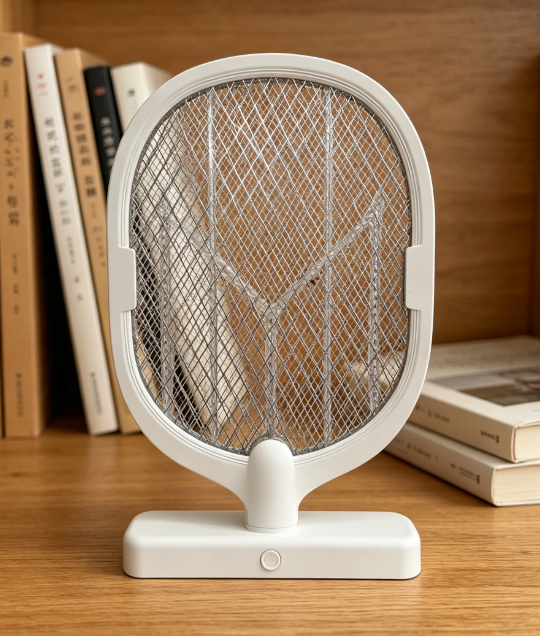
Warranty returns are the silent margin killer in the mosquito control category. A distributor who buys a swatter at $1.80 FOB and retails it at $9.90 can absorb a 1% return rate without noticing — but at 5%, the combined cost of replacement units, reverse logistics, and refund processing erases most of the line's profit.
Common mosquito swatter killer lamp failure modes wholesale spec guide

Digital bathroom scales rank as the second-highest-volume consumer weighing product category, only behind kitchen scales, with distinct market and product characteristics that set them apart from other scale types in importers’ product portfolios.
Digital bathroom body fat-bia-scale wholesale buyers guide