
Core Selection Logic for Dormitory Mosquito Killer Lamps
2025-11-30
I. Core Selection Logic for Dormitory Mosquito Killer Lamps: Safety > Efficiency > Price
Dormitory rooms in schools are usually enclosed spaces of 10-20 square meters, with strict electricity usage regulations. When choosing a mosquito killer lamp, priority should be given to avoiding safety hazards, followed by pursuing mosquito control efficiency. Based on test data from the China Household Electrical Appliances Research Institute, the following three types of mosquito killer lamps are most suitable for dormitory scenarios:
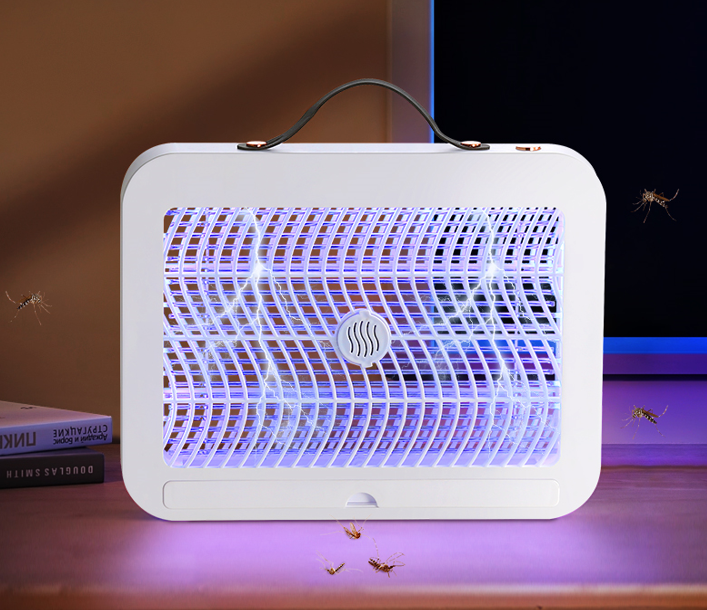
1. Safety First: Choose "Physical Mosquito Control" Types
- Top Choice: Fan-Suction Mosquito Killer Lamps
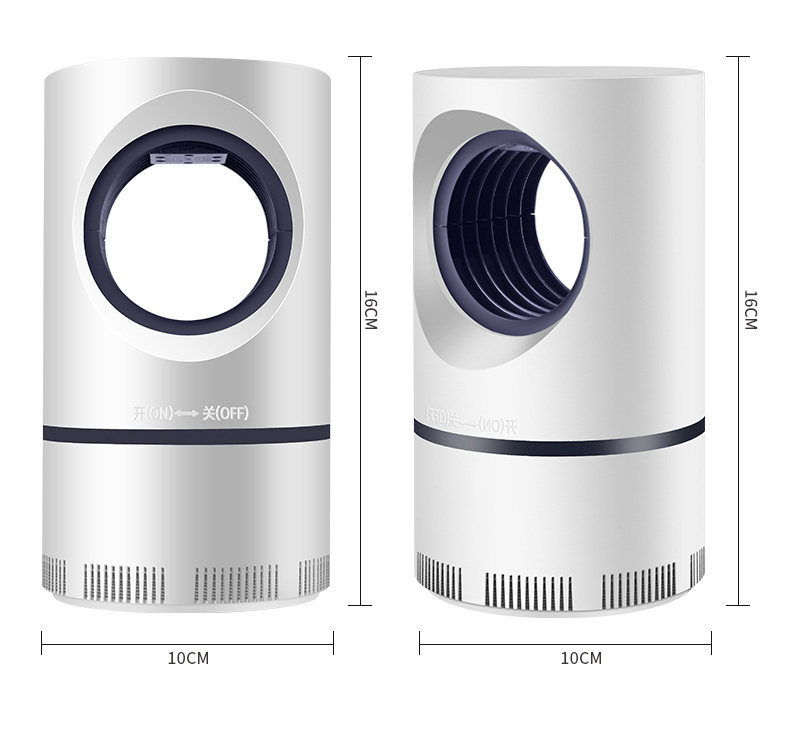
These products use dual-band UV light (365nm + 420nm) — the "golden wavelength" most sensitive to mosquitoes — combined with a quiet fan to create an air vortex. Mosquitoes are sucked into the insect collection box and die of dehydration. The entire process involves no high-voltage electric shocks, no spark splashes, and no scattered mosquito debris, making it perfectly suitable for the hygiene needs of multi-person dormitories.
✅ Must-Check Safety Details: Select products made of PC+ABS flame-retardant material (shockproof and leak-proof) with 3C certification. The input power should be controlled between 3-8 watts (to meet dormitory low-power requirements).
- Use with Caution: Electric Shock Mosquito Killer Lamps
Although inexpensive, the "crackling" noise produced during electric shocks can wake roommates at night. Additionally, scattered mosquito carcass fragments pose hygiene risks. More importantly, the exposed high-voltage grids in some low-quality products carry electric shock hazards, failing to meet dormitory electrical safety standards.
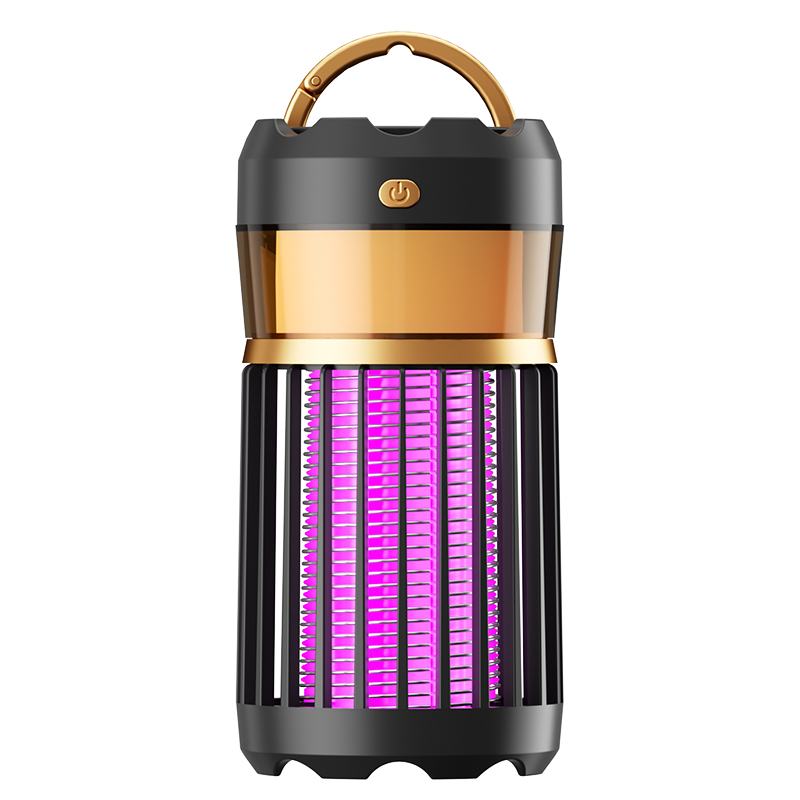
2. Efficiency as the Priority: Precisely Match Dormitory-Scenario Parameters
- Wavelength Matters More Than Power
Experiments have proven that a 3W lamp bead with a 420nm wavelength has better mosquito-attracting effects than a 5W lamp bead with a single 365nm wavelength. For dormitories, it is recommended to choose "dual-band adaptive" models, which can adjust the wavelength ratio based on day/night light changes — using 365nm for penetrating and attracting mosquitoes in dark environments, and 420nm to simulate human sweat spectrum for enhanced attraction in bright environments. The comprehensive trapping rate for Culex and Aedes mosquitoes can reach over 95%.
- Don’t Pursue Excessive Coverage Area
For dormitories under 15 square meters, a small-sized lamp with a coverage radius of 3-5 meters is sufficient, and the power does not need to exceed 8 watts (refer to the efficient 3W design of the Ugreen LP231 model). Excessively high power not only consumes more electricity but may also affect sleep due to overly bright light.
3. Experience Enhancers: Quiet Operation + Easy Cleaning Are Essential
- Noise Must Be Below 30 Decibels
During nighttime rest in dormitories, fan noise exceeding 30 decibels can disrupt sleep. When purchasing, look for the "quiet fan" label and prioritize products with brushless DC motors, which operate at a sound level close to a whisper.
- Insect Collection Box Should Have a "One-Click Disassembly & Rinse" Design
Students have limited time, so detachable and washable insect collection boxes are more practical than models that require frequent replacement of adhesive paper (adhesive-type models have high long-term costs). Some models feature a "one-click insect dumping" function, allowing cleaning without touching mosquito carcasses for better hygiene.
II. Pitfall Avoidance Guide: Don’t Trust These 3 Parameters
- Beware of "Photocatalytic Ozone" Claims: Such products may release excessive ozone, which can cause dizziness and discomfort in enclosed dormitory environments, especially for students with allergies.
- Reject "False Power Labeling": Small-sized lamps labeled "20W Super Strong Mosquito Control" are mostly gimmicks. In practice, 3-8W dual-band models already meet dormitory needs.
- Request a Spectrum Report: Some internet-famous products claim to have a "365nm wavelength," but actual tests show their main wavelength shifts to 380nm, significantly reducing mosquito-attracting effects. It is recommended to ask merchants for a CNAS-certified spectrum analysis report.
III. Recommended Suitable Models (Tested Effective in 2025)
- Basic Model (Budget: ¥30-¥50): Choose a fan-suction type with Type-C charging, supporting USB power supply (compatible with dormitory sockets), 3W power, and noise ≤25 decibels.
- Advanced Model (Budget: ¥50-¥200): Features an added photocatalyst coating (capable of decomposing formaldehyde, suitable for newly decorated dormitories) and an automatic night dimming function to avoid dazzling light.
Proper recycling channels for old electric mosquito swatters
How to make my bug zapper more effective
Related Article

If you’re struggling with annoying mosquitoes, flies, and other flying pests indoors and outdoors, upgrading from traditional manual tools to anElectric Mosquito Swatter is the most efficient solution. Many homeowners and renters search where to buy fly swatter online to find durable, safe, and high-performance electric models that deliver instant pest control.
Where to Buy Fly Swatter
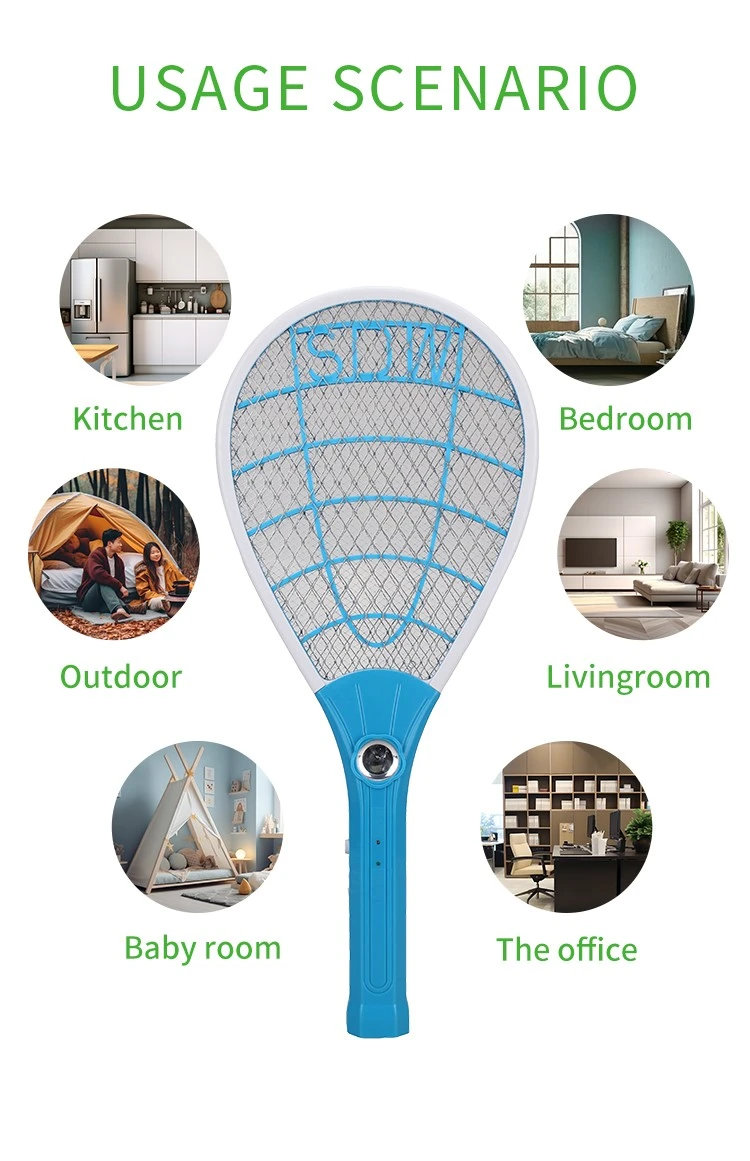
Most importers of electric mosquito swatters obsess over the first order: samples requested, factories vetted, a pre-shipment inspection booked. Then the reorder arrives eight months later and something is off. The grid feels softer. The charge port is a slightly different shade of black. The carton thickness dropped from 350 gsm to 300 gsm. Nothing is catastrophic — but the product no longer matches what your retail customers approved, and quietly, your return rate starts climbing.
How to Keep Mosquito Swatter Quality Consistent Across Repeat Orders
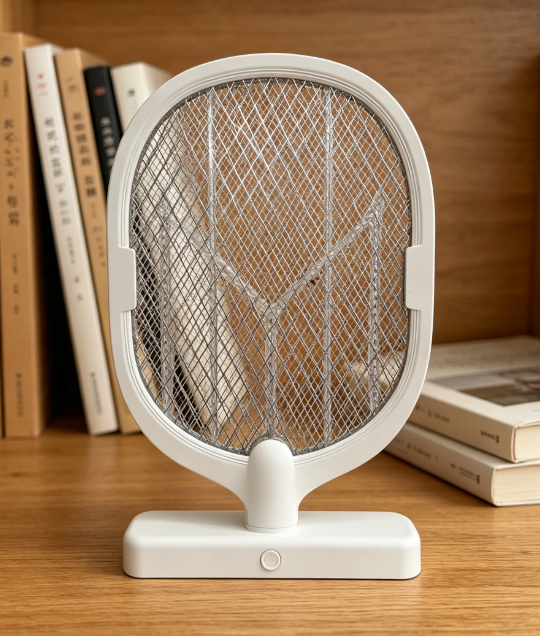
Warranty returns are the silent margin killer in the mosquito control category. A distributor who buys a swatter at $1.80 FOB and retails it at $9.90 can absorb a 1% return rate without noticing — but at 5%, the combined cost of replacement units, reverse logistics, and refund processing erases most of the line's profit.
Common mosquito swatter killer lamp failure modes wholesale spec guide

Digital bathroom scales rank as the second-highest-volume consumer weighing product category, only behind kitchen scales, with distinct market and product characteristics that set them apart from other scale types in importers’ product portfolios.
Digital bathroom body fat-bia-scale wholesale buyers guide