
Correct Usage of Electric Mosquito Swatters
2025-11-19
Correct Usage of Electric Mosquito Swatters: 3 Tips to Double Mosquito-Killing Efficiency Without Hurting People
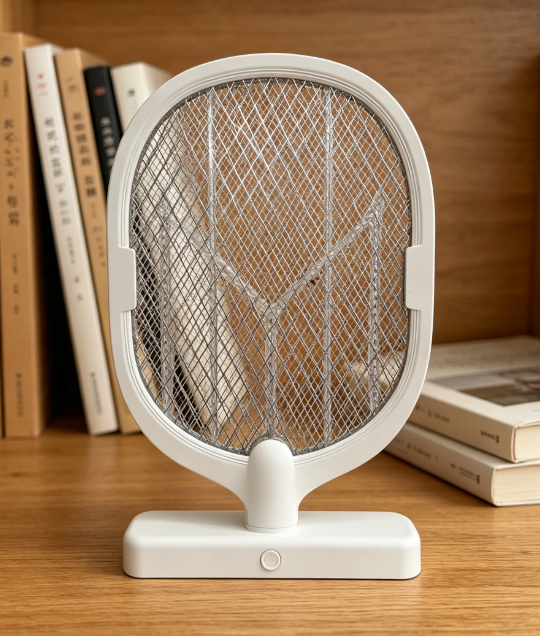
As a common mosquito-killing tool, many people think that using an electric mosquito swatter is just "picking it up and waving it around". However, improper use not only fails to hit mosquitoes but also may pose safety hazards. Today, we will share 3 tips for the correct use of electric mosquito swatters, helping you double the mosquito-killing efficiency while avoiding the risk of injury.
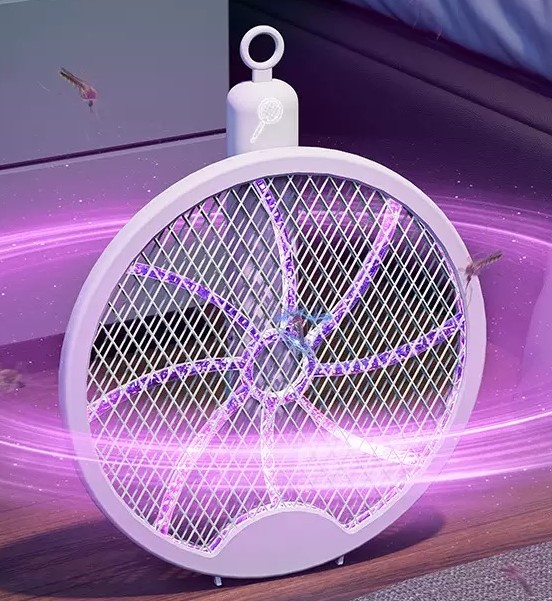
Tip 1: Choose the Right "Attack Timing" and Grasp Mosquito Activity Patterns
Many people pick up the electric mosquito swatter and wave it randomly around the house, only to end up with sore arms and not hitting many mosquitoes. The key reason is that they don't find the right time when mosquitoes are active. Mosquitoes have obvious "living habits" — 5-7 a.m. and 6-8 p.m. are their peak foraging times. During these periods, mosquitoes fly slowly near windows, under lights or at low altitudes, making them easier to catch. During the day, mosquitoes mostly hide in dark places such as the corners of wardrobes and gaps in curtains, and waving the swatter blindly will only startle them.
In addition, don't turn on strong lights when using the swatter at night! Many people are used to turning on bright lights to kill mosquitoes. In fact, mosquitoes are phototactic, and strong lights will make them fly scattered, making it harder to aim. It is recommended to turn on only a small night light. Wait for the mosquitoes to gather around the light, then approach quietly and press the switch — this will greatly improve the success rate of mosquito killing.
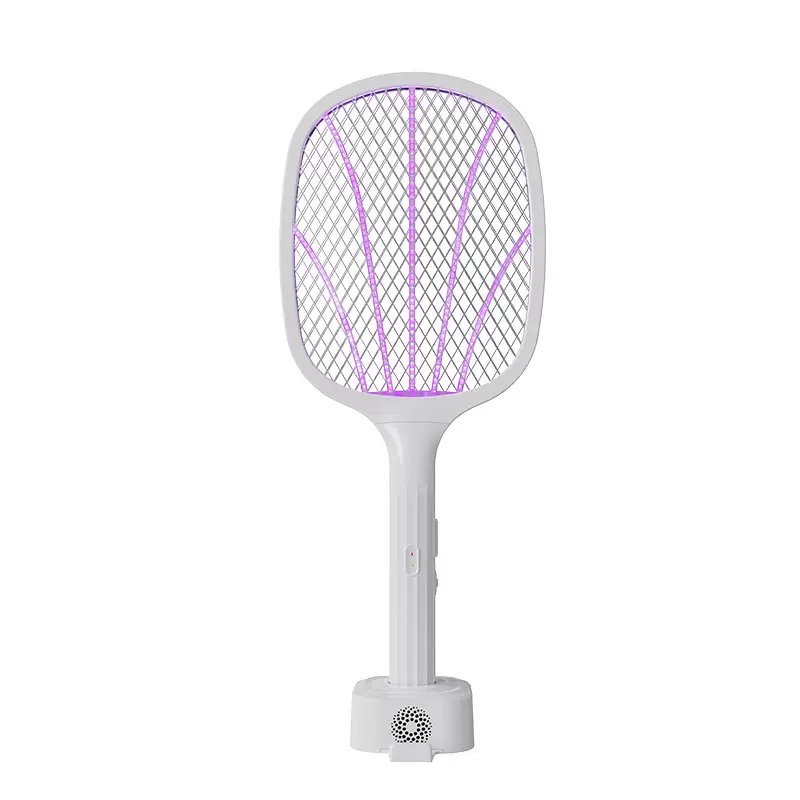
Tip 2: Master "Precise Operation" and Avoid Ineffective Waving
The correct operation method can give full play to the power of the electric mosquito swatter. The reason why many people have low mosquito-killing efficiency lies in their "swatting method". First of all, keep the electric mosquito swatter perpendicular to the direction of the mosquito's flight. For example, if a mosquito is flying horizontally, stand the swatter surface upright and approach it quickly from the side, rather than "slamming" it head-on. When swatting head-on, the air flow will drive the air to move, blowing the mosquito away in advance — this is also the reason why many people "see the mosquito about to be hit but miss it".
Secondly, when encountering mosquitoes that are resting on the wall or ceiling, don't directly poke them with the swatter surface! First, place the electric mosquito swatter 3-5 centimeters near the mosquito, press the switch, then slowly move the swatter surface closer to the mosquito. Use the current adsorption force of the electric mosquito swatter to make the mosquito "collide" with the power grid actively. This way, you won't damage the wall and can also prevent the mosquito from flying away in advance. In addition, the power grid of the electric mosquito swatter has an "effective range" — try to operate within 10 centimeters of the mosquito; if it's too far, the mosquito-killing effect will be reduced.
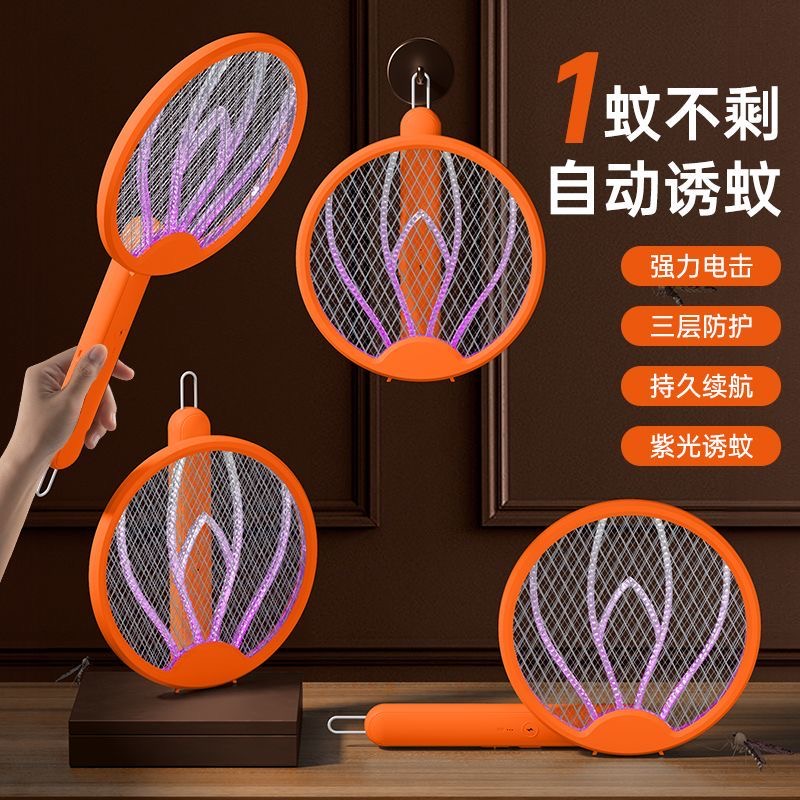
Tip 3: Do a Good Job of "Safety Protection" and Avoid the Risk of Injury
Although the current of the electric mosquito swatter is not strong, improper use may still hurt people, especially when there are elderly people, children or pets at home, so more attention should be paid to safety. First of all, do not touch the energized power grid with your hands. Even after the mosquito is electrocuted, you need to turn off the switch first, then use a brush to clean the mosquito corpses on the surface of the power grid to avoid electric shock caused by fingers touching the power grid. Secondly, do not use the electric mosquito swatter in humid environments, such as near the bathroom or kitchen sink. Moisture may cause a short circuit of the power grid, which not only damages the electric mosquito swatter but also may cause the risk of electric leakage.
In addition, when storing the electric mosquito swatter, keep it away from children. It is best to place it on a high place or in a drawer, and tell the children that "this is not a toy" to prevent children from touching the switch by mistake. At the same time, do not place the electric mosquito swatter together with metal objects, such as keys and scissors. Metal objects may accidentally trigger the power grid, causing safety hazards. Finally, after using the electric mosquito swatter for a period of time, check whether the power grid is damaged or the wires are aging. If there is a problem, replace it in time and do not continue to use it.
Mastering these 3 tips can not only double the mosquito-killing efficiency of the electric mosquito swatter but also avoid safety risks to the greatest extent. In fact, the key to mosquito killing lies in "using force skillfully" rather than "using brute force". Only by using the tool correctly can you stay away from the trouble of mosquitoes and live a more comfortable life.
A Complete Guide to CE-EMC and CE-LVD Certifications
What Is the Best Mosquito Control Lamp
Related Article

If you’re struggling with annoying mosquitoes, flies, and other flying pests indoors and outdoors, upgrading from traditional manual tools to anElectric Mosquito Swatter is the most efficient solution. Many homeowners and renters search where to buy fly swatter online to find durable, safe, and high-performance electric models that deliver instant pest control.
Where to Buy Fly Swatter
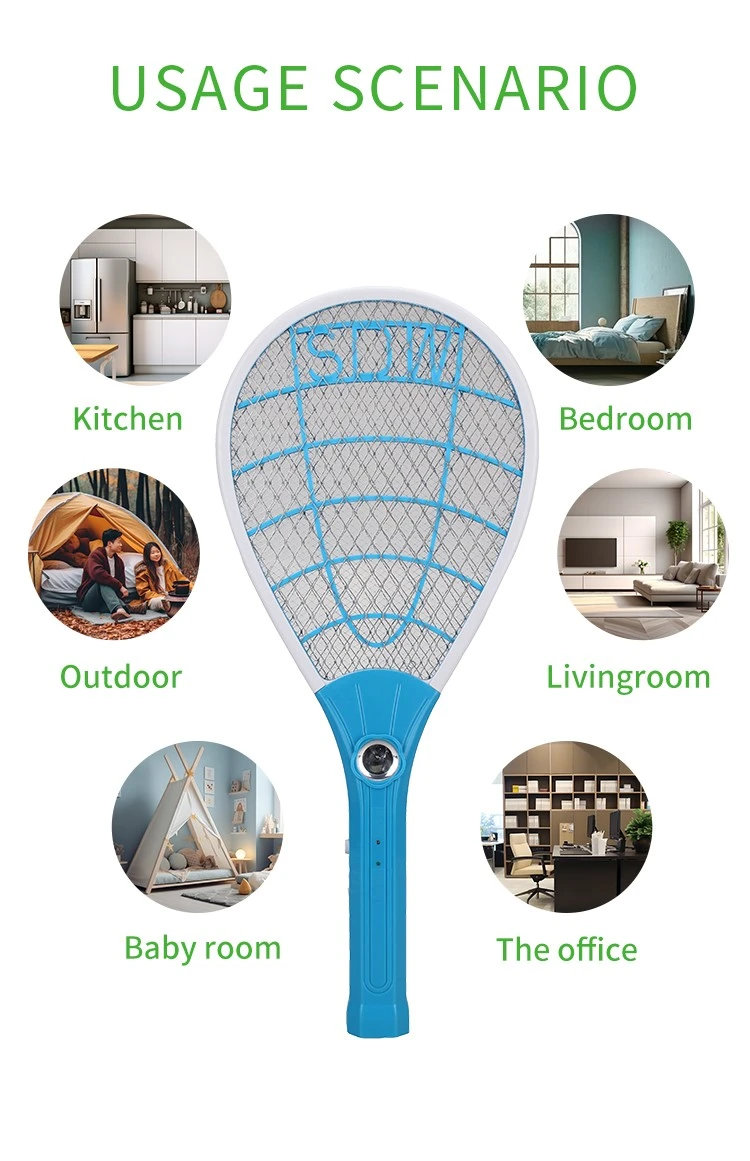
Most importers of electric mosquito swatters obsess over the first order: samples requested, factories vetted, a pre-shipment inspection booked. Then the reorder arrives eight months later and something is off. The grid feels softer. The charge port is a slightly different shade of black. The carton thickness dropped from 350 gsm to 300 gsm. Nothing is catastrophic — but the product no longer matches what your retail customers approved, and quietly, your return rate starts climbing.
How to Keep Mosquito Swatter Quality Consistent Across Repeat Orders
Warranty returns are the silent margin killer in the mosquito control category. A distributor who buys a swatter at $1.80 FOB and retails it at $9.90 can absorb a 1% return rate without noticing — but at 5%, the combined cost of replacement units, reverse logistics, and refund processing erases most of the line's profit.
Common mosquito swatter killer lamp failure modes wholesale spec guide

Digital bathroom scales rank as the second-highest-volume consumer weighing product category, only behind kitchen scales, with distinct market and product characteristics that set them apart from other scale types in importers’ product portfolios.
Digital bathroom body fat-bia-scale wholesale buyers guide