
Decoding the Cost of Electric Mosquito Swatter Circuit Boards
2026-01-16
Decoding the Cost of Electric Mosquito Swatter Circuit Boards: Hidden Secrets from Components to Mass Production
The electric mosquito swatter, a summer essential, may seem simple in structure, but its core lies in a palm-sized circuit board. The price of this "mosquito-killing artifact" ranges from a dozen yuan to over a hundred yuan, and the difference largely stems from the cost control of the circuit board. Today, we will delve into the cost composition of electric mosquito swatter circuit boards and see how those invisible details determine the final selling price.
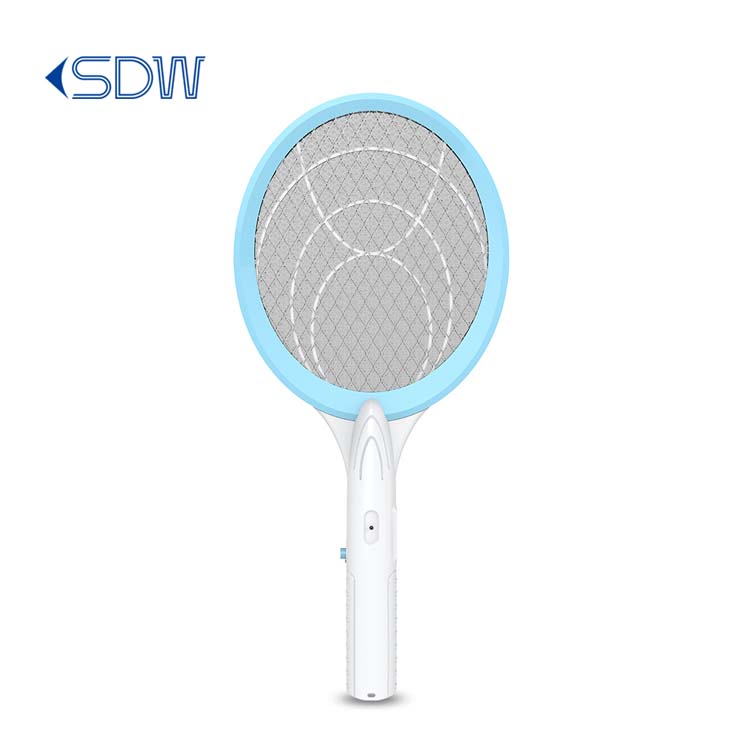
I. Core Materials: Basic Costs of Substrates and Components
The cornerstone of a circuit board's cost is the base material and core electronic components, which together account for more than 60% of the total circuit board cost. As the carrier of the circuit, the common type of substrate directly determines the basic cost: ordinary household models mostly use paper substrates, with a unit price as low as 0.1 yuan per piece; mid-to-high-end products adopt glass fiber substrates, which, with better insulation and voltage resistance, have a unit price increased to 0.3-0.7 yuan per piece, suitable for high-voltage output scenarios. Since 2026, the prices of substrate raw materials such as copper foil and glass cloth have continued to rise, further pushing up the procurement cost of substrates, especially the high-end glass fiber substrates, with an increase of 15%-25%.
The difference in the selection of core electronic components is the key to cost differentiation. High-voltage transformers, capacitors, and triodes form the "power core" of the electric mosquito swatter: low-cost models use EE15 transformers paired with ordinary 473 high-voltage capacitors, with a single set of components costing only about 0.2 yuan, simplifying the circuit through a resistance-capacitance voltage reduction scheme; mid-to-high-end models are upgraded to EE19 transformers, D965 SMD triodes, adding lithium battery protection chips and linear charging chips, doubling the component cost directly to 0.4-0.8 yuan, while improving safety and battery life stability. In addition, circuit boards supporting USB-C charging and ultraviolet mosquito trapping functions need to be additionally equipped with interface modules and purple light LEDs, increasing the cost by another 0.1-0.3 yuan.
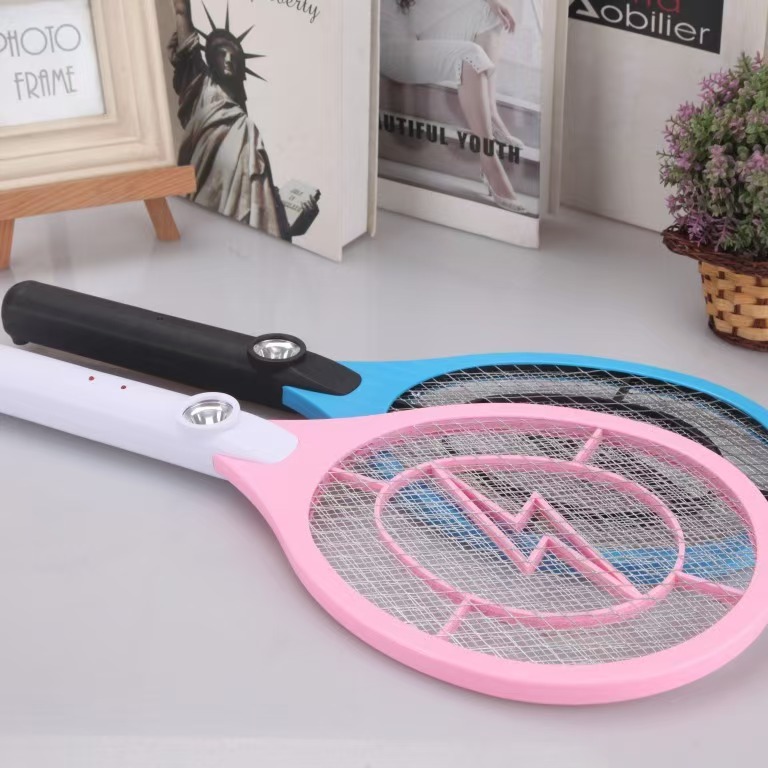
II. Production Process: The Cost Game Between Scale and Precision
The process selection and mass production scale in the production link directly affect the allocation of unit costs. In terms of processes, the single-sided board process is the simplest, suitable for low-cost electric mosquito swatters, with a processing fee of about 0.05-0.1 yuan per piece; the double-sided board, with more reasonable wiring and more stable performance, has a processing fee increased to 0.15-0.3 yuan per piece, which is the current mainstream choice. For high-end models requiring complex circuit design, multi-layer board processes may be adopted, and the processing cost surges to more than 1 yuan, only used in a few commercial-grade products.
The marginal effect of mass production scale is extremely significant. Data from Alibaba shows that there is a clear negative correlation between the minimum order quantity and unit price of electric mosquito swatter circuit boards: when the minimum order quantity is 1,000 pieces, the unit price is about 0.29-0.6 yuan; when the minimum order quantity exceeds 20,000 pieces, the unit price can drop to 0.015-0.3 yuan, a decrease of more than 50%. This is also the key for leading enterprises to control costs—through annual sales of millions of units in large-scale procurement, they can not only reduce component and processing prices but also amortize fixed costs such as equipment depreciation and testing. Due to insufficient order volume, small manufacturers may have a unit circuit board cost 20%-30% higher than that of leading enterprises.
III. External Factors: Hidden Costs from Policies and Supply Chains
In addition to direct production costs, hidden costs brought by policy regulation and supply chain fluctuations cannot be ignored. The tightening of environmental protection policies has promoted industry reshuffling, forcing small PCB factories that do not meet environmental standards to withdraw, leading to an increase in processing costs of compliant suppliers. This part of the cost is ultimately passed on to the pricing of circuit boards, which is expected to push up the unit cost by 5%-8%. At the same time, the "Implementation Guidelines for the Green Manufacturing Project" requires optimizing production processes, and some enterprises need to invest additional funds to upgrade environmental protection equipment, further increasing fixed costs.
The stability of the supply chain directly affects cost expectations. In 2024, the price of lithium carbonate, a raw material for lithium batteries, fluctuated sharply, indirectly affecting the supporting costs of rechargeable electric mosquito swatter circuit boards; the rising prices of non-ferrous metals such as copper and aluminum also pushed up the procurement prices of components such as transformers and wires. To cope with risks, leading enterprises generally adopt a diversified procurement strategy, cooperating with 3-5 core component suppliers and locking prices through long-term contracts, which can reduce the fluctuation range of raw material costs by more than 40%—an advantage that small and medium-sized manufacturers cannot match.
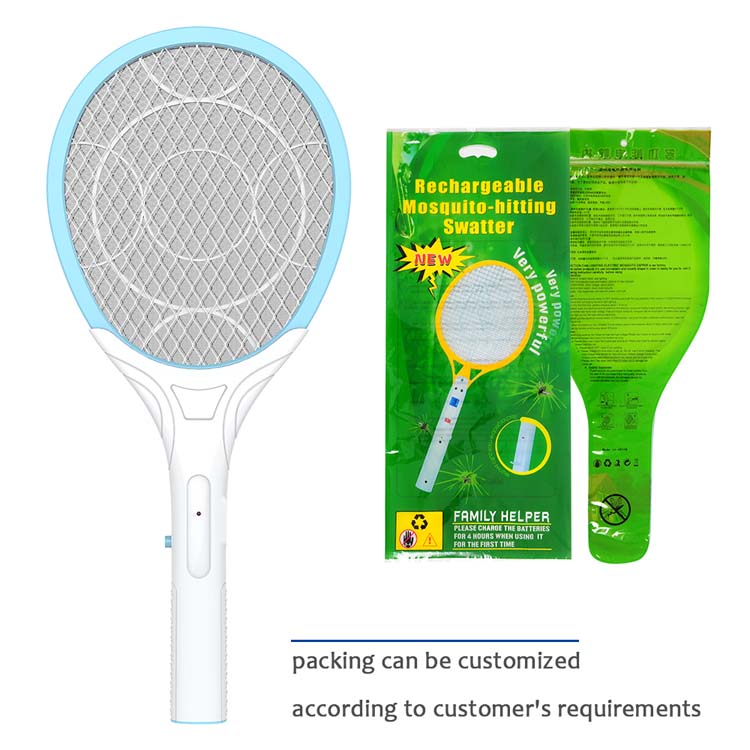
IV. Cost Summary: Circuit Cost Portraits of Products at Different Price Points
Combining the above factors, we can clearly see the differences in circuit board costs of electric mosquito swatters at different price points: entry-level models priced at 10-20 yuan have a total circuit board cost controlled within 0.5 yuan, adopting single-sided boards, basic components, and a resistance-capacitance voltage reduction scheme without a battery protection circuit; mainstream models priced at 30-60 yuan have a circuit board cost of about 0.8-1.5 yuan, equipped with double-sided boards, EE19 transformers, and lithium batteries, supporting USB charging; high-end models above 80 yuan have a circuit board cost of more than 2 yuan, using glass fiber substrates, multi-layer processes, adding functions such as ultraviolet mosquito trapping and intelligent protection, while improving reliability through strict quality inspection.
The seemingly small circuit board is actually the core battlefield for cost control of electric mosquito swatters. From substrate selection to process upgrading, from mass production scale to supply chain management, every choice in each link is directly reflected in the final selling price. For consumers, understanding these cost components can not only rationally view the differences between products at different price points but also more accurately select the suitable model—after all, the optimal solution is a suitable performance combined with a reasonable cost.
A Guide to Purchasing Mosquito Traps for Hotels
Mosquito Prevention Guide for Travel
Related Article

If you’re struggling with annoying mosquitoes, flies, and other flying pests indoors and outdoors, upgrading from traditional manual tools to anElectric Mosquito Swatter is the most efficient solution. Many homeowners and renters search where to buy fly swatter online to find durable, safe, and high-performance electric models that deliver instant pest control.
Where to Buy Fly Swatter
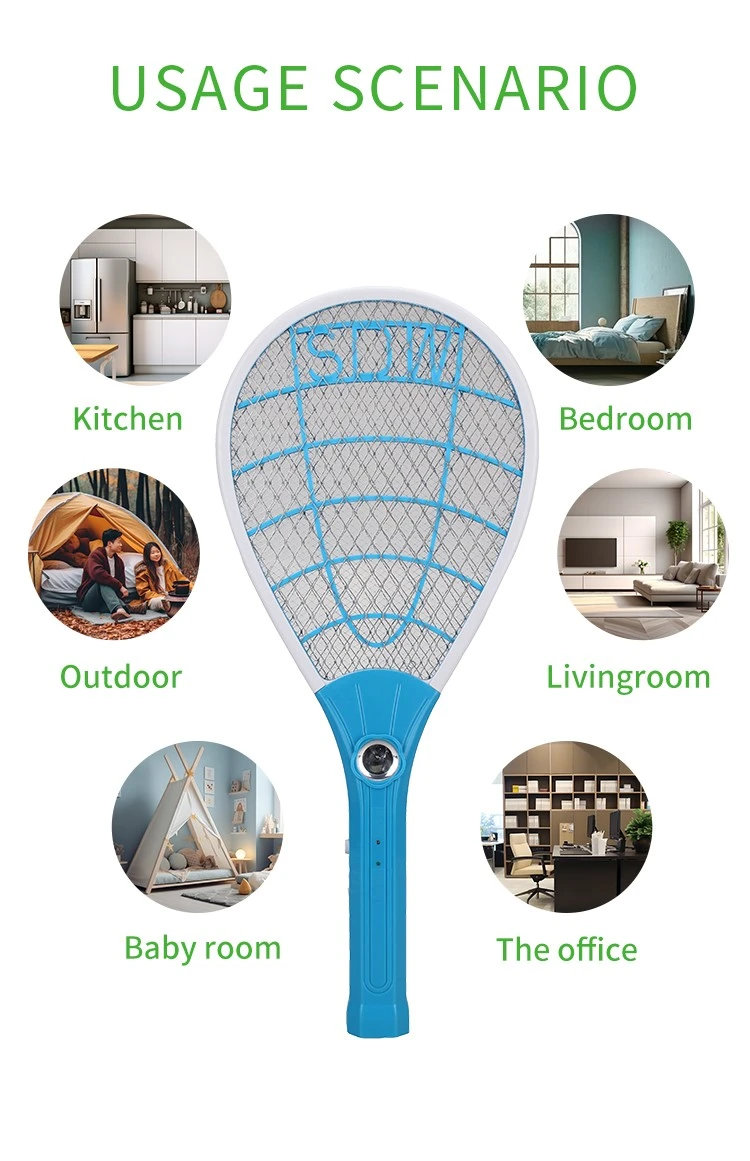
Most importers of electric mosquito swatters obsess over the first order: samples requested, factories vetted, a pre-shipment inspection booked. Then the reorder arrives eight months later and something is off. The grid feels softer. The charge port is a slightly different shade of black. The carton thickness dropped from 350 gsm to 300 gsm. Nothing is catastrophic — but the product no longer matches what your retail customers approved, and quietly, your return rate starts climbing.
How to Keep Mosquito Swatter Quality Consistent Across Repeat Orders
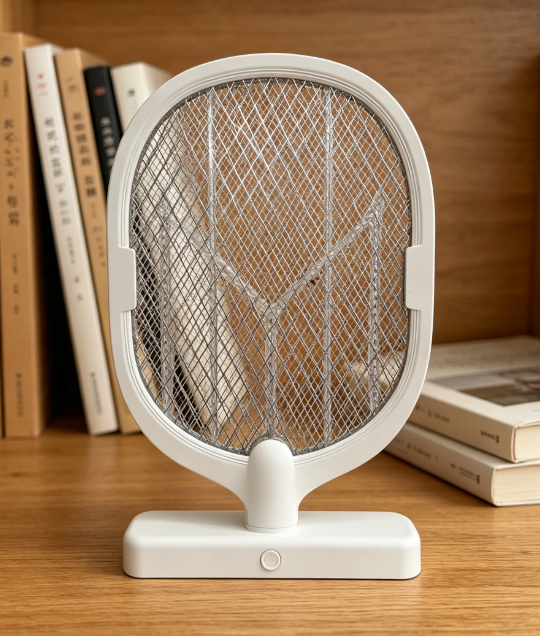
Warranty returns are the silent margin killer in the mosquito control category. A distributor who buys a swatter at $1.80 FOB and retails it at $9.90 can absorb a 1% return rate without noticing — but at 5%, the combined cost of replacement units, reverse logistics, and refund processing erases most of the line's profit.
Common mosquito swatter killer lamp failure modes wholesale spec guide

Digital bathroom scales rank as the second-highest-volume consumer weighing product category, only behind kitchen scales, with distinct market and product characteristics that set them apart from other scale types in importers’ product portfolios.
Digital bathroom body fat-bia-scale wholesale buyers guide