
Differences Between Chikungunya and Dengue
2025-08-08
In the summer and autumn seasons when mosquitoes are active, mosquito-borne infectious diseases often come into public view. Compared with dengue fever, which is more well-known to the public, chikungunya has recently become a top priority in mosquito-borne disease prevention and control as the number of cases increases. So what are the differences between the two? In fact, the similarities and differences between these two diseases can be summarized as "three similarities and three differences".
I. Three Similarities
These two diseases are like "brothers in the same family" and have many commonalities.
(1) Consistent Transmission Vectors
Both are mainly transmitted through the bites of Aedes aegypti and Aedes albopictus, which means that both may be prevalent in mosquito-dense tropical and subtropical regions.
(2) Similar Initial Symptoms
Patients often experience a sudden high fever, with a body temperature reaching above 39°C, accompanied by headaches, muscle aches, fatigue and other manifestations, which can easily be mistaken for a common cold or flu.
(3) Similar Prevention Methods
Since both rely on mosquitoes for transmission, mosquito prevention and control are the core measures to prevent these two diseases, such as cleaning up stagnant water, using mosquito nets, and applying mosquito repellent.
II. Three Differences
(1) Differences in Pathogens
Chikungunya is caused by the chikungunya virus, which belongs to the Alphavirus genus of the Togaviridae family; while dengue fever is caused by the dengue virus, which belongs to the Flavivirus genus of the Flaviviridae family. The different viral properties determine that they differ in their replication methods in the human body and the immune responses they trigger.
(2) Differences in Symptom Emphases
Although both have symptoms such as fever, there are obvious differences in details. Patients with chikungunya have more prominent joint pain, often manifested as severe, symmetrical polyarticular pain, especially in joints such as the hands, wrists, and ankles. In severe cases, it can even affect limb movement. This "disabling" joint pain is its typical feature; while in dengue fever patients, in addition to fever, the probability of skin rashes is higher. The rashes are mostly maculopapular or measles-like, and may also be accompanied by bleeding tendencies such as gum bleeding and nosebleeds. Some severe dengue fever patients may experience shock, organ failure and other serious complications, which is relatively rare in chikungunya.
(3) Differences in Course of Disease and Prognosis
The course of chikungunya is relatively long, and joint pain may last for several weeks or even months, but most patients have a good prognosis, and there are few deaths; the course of dengue fever is generally 7-10 days, and most patients can recover on their own, but a small number of patients will develop severe dengue fever. If not treated in time, the mortality rate is relatively high.
No matter what kind of disease it is, doing a good job in mosquito prevention is the key to blocking transmission. Let us work together to protect the health of ourselves and our families.
Who invented the electric mosquito swatter
What Are the Natural Enemies of Mosquitoes
Related Article

If you’re struggling with annoying mosquitoes, flies, and other flying pests indoors and outdoors, upgrading from traditional manual tools to anElectric Mosquito Swatter is the most efficient solution. Many homeowners and renters search where to buy fly swatter online to find durable, safe, and high-performance electric models that deliver instant pest control.
Where to Buy Fly Swatter
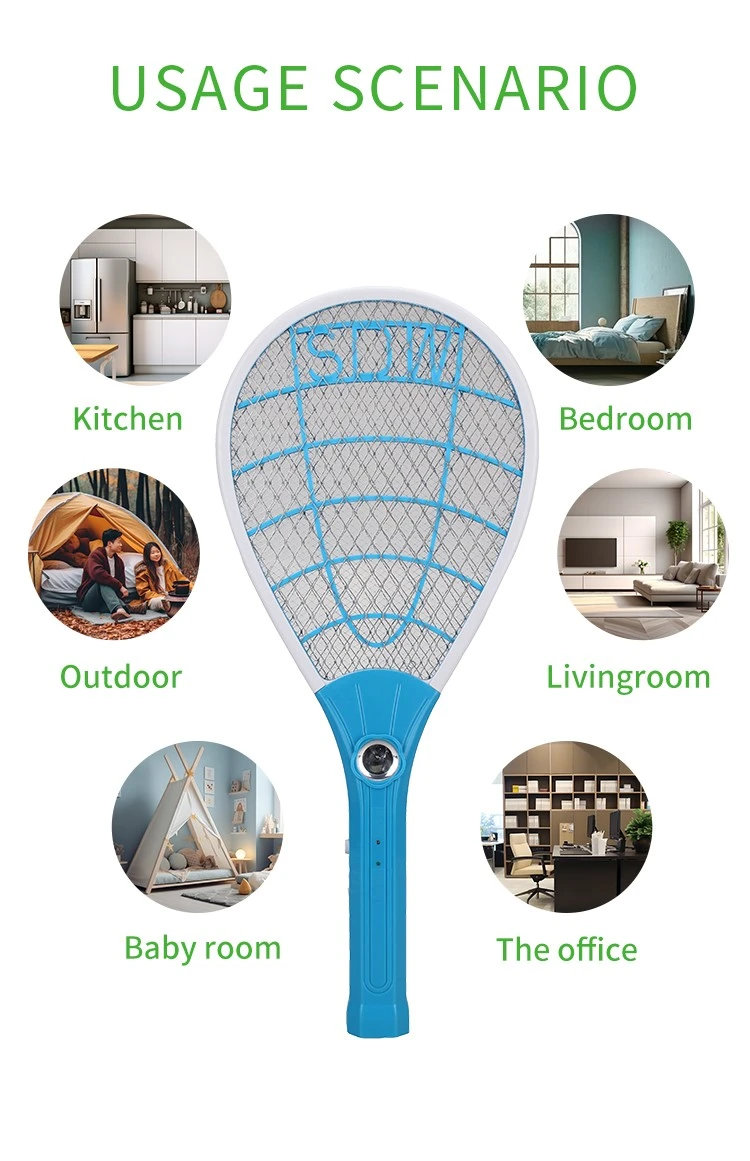
Most importers of electric mosquito swatters obsess over the first order: samples requested, factories vetted, a pre-shipment inspection booked. Then the reorder arrives eight months later and something is off. The grid feels softer. The charge port is a slightly different shade of black. The carton thickness dropped from 350 gsm to 300 gsm. Nothing is catastrophic — but the product no longer matches what your retail customers approved, and quietly, your return rate starts climbing.
How to Keep Mosquito Swatter Quality Consistent Across Repeat Orders
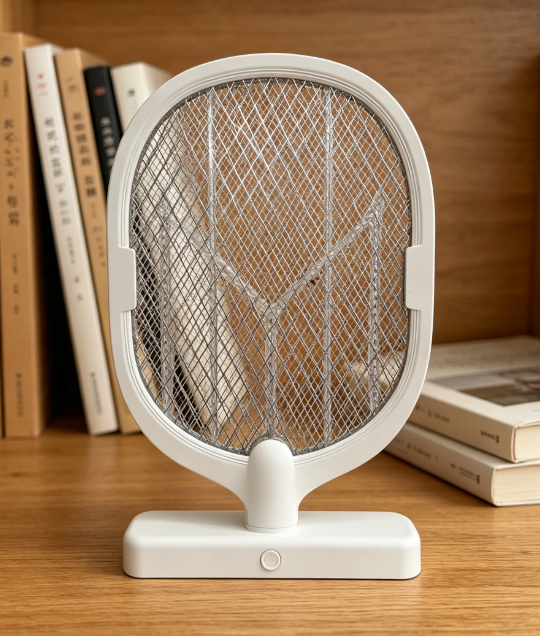
Warranty returns are the silent margin killer in the mosquito control category. A distributor who buys a swatter at $1.80 FOB and retails it at $9.90 can absorb a 1% return rate without noticing — but at 5%, the combined cost of replacement units, reverse logistics, and refund processing erases most of the line's profit.
Common mosquito swatter killer lamp failure modes wholesale spec guide

Digital bathroom scales rank as the second-highest-volume consumer weighing product category, only behind kitchen scales, with distinct market and product characteristics that set them apart from other scale types in importers’ product portfolios.
Digital bathroom body fat-bia-scale wholesale buyers guide