
Different Types of UV Insect Traps
2025-08-07
Different Types of UV Insect Traps: Your Guide to Bug-Free Spaces
Among effective pest control methods, UV insect traps have emerged as a popular and efficient solution, offering a chemical-free way to create healthy and bug-free spaces. With the development of technology, there are now a wide variety of insect traps available on the market. Let's explore the different types of UV insect traps to help you find the one that suits your needs.

Electric Grid UV Traps
Electric grid UV traps are one of the more common types in daily life. They feature a UV light source at the center, surrounded by an electrified grid. When insects are drawn to the light, they come into contact with the grid, which delivers a quick electric shock that kills them instantly.
These traps are highly effective against flying insects like mosquitoes, flies, and moths. They are suitable for outdoor areas such as patios, gardens, and around garbage bins, as well as for large indoor spaces like warehouses and garages. However, when insects are electrocuted, they produce a noticeable "crackling" sound, which can be a drawback in quiet indoor environments such as bedrooms and offices. In addition, the dead insects sometimes fall to the ground and require regular cleaning.
Sticky Glue Board UV Traps
Sticky glue board UV traps operate on a simpler principle. They use UV light to lure insects to a sticky glue board, where the insects get stuck and eventually die. These traps operate silently, making them ideal for indoor spaces sensitive to noise, such as kitchens, living rooms, and bedrooms.
One of the main advantages of sticky glue board traps is that they do not release insect debris into the air, which is very helpful for maintaining hygiene, especially in food preparation areas such as restaurants and home kitchens. Compared to electric grid traps, they are also less noticeable in appearance. However, the glue boards have a short service life and need to be replaced regularly, and they may not be very effective for large-scale infestations because the glue gets filled up quickly.
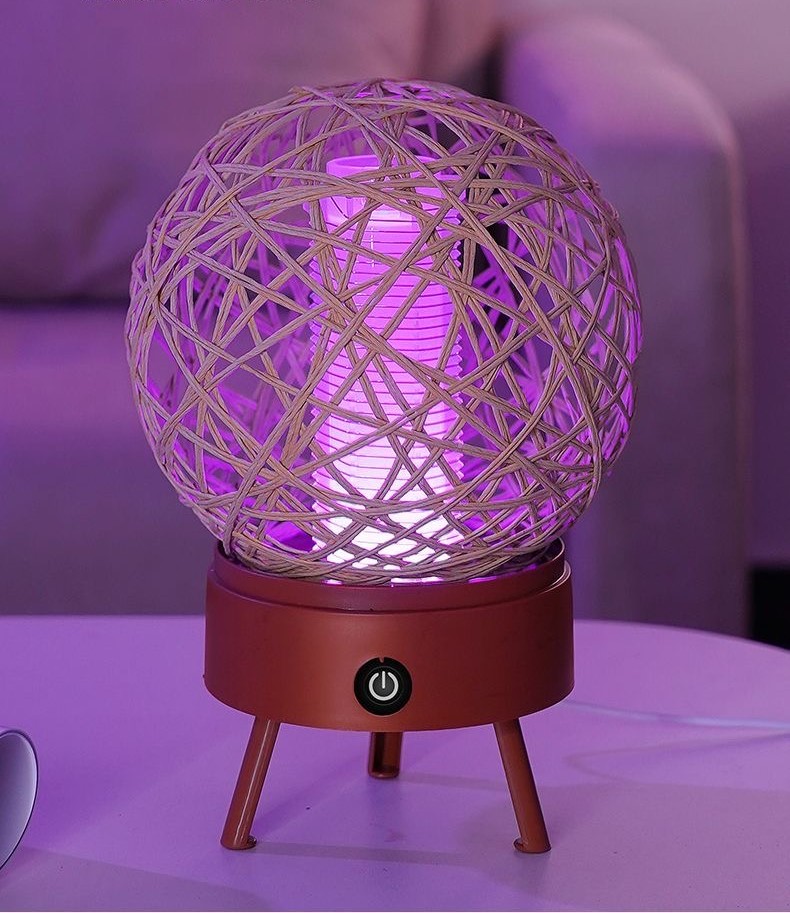
Fan-Suction UV Traps
Fan-suction UV traps combine the attraction of UV light with the action of a powerful fan. When insects are drawn to the light, the suction generated by the fan pulls them into a containment chamber. The insects are then trapped inside and eventually die from dehydration or starvation.
These traps are an excellent choice for both indoor and outdoor use. They operate quietly (without the sound of electric shocks) and are hygienic, as dead insects are sealed in the containment chamber and do not fall onto surfaces. Fan-suction traps are particularly effective against mosquitoes and other small flying insects. However, it is necessary to regularly clean the containment chamber to remove dead insects.
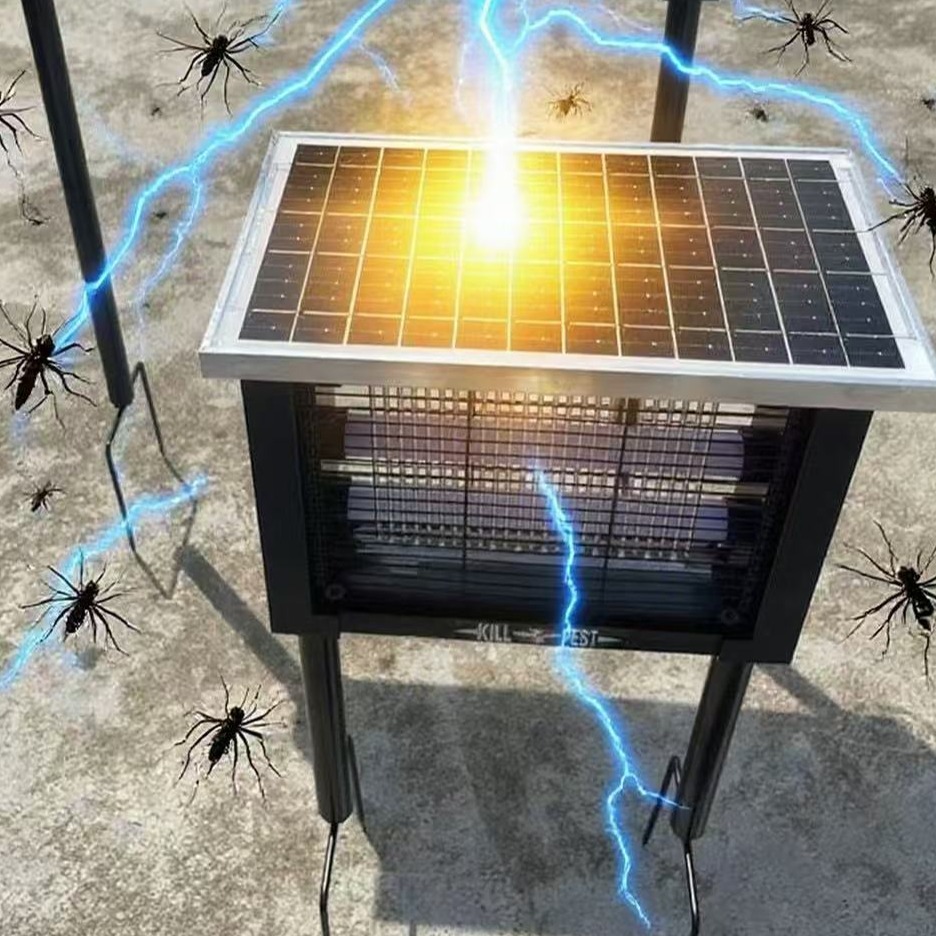
For those seeking an eco-friendly and cost-effective option, solar-powered UV traps are a good choice. These traps are equipped with solar panels that absorb sunlight during the day to work at night.
Solar-powered UV traps are very suitable for outdoor spaces with limited access to electricity, such as gardens, campsites, or remote patios. Although they rely on sunlight, many models are equipped with backup batteries to ensure they work on cloudy days or at night.
Factors to Consider When Choosing a UV Insect Trap
Location of Use
Indoor traps should be quiet and hygienic (sticky glue board or fan-suction types), while outdoor traps can tolerate more noise and debris (electric grid or solar-powered types).
Type of Insects
Different traps may be more effective against specific insects. For example, electric grid traps are highly effective against flies, while fan-suction traps are more suitable for dealing with mosquitoes.
Maintenance Requirements
Sticky glue boards need to be replaced regularly, electric grids need to be cleaned to remove dead insects, and fan-suction traps need their containment chambers emptied.
Power Source
If used outdoors, solar-powered or battery-operated traps are convenient. For indoor use, plug-in models are more reliable.
Whether you are relaxing at home, hosting a backyard barbecue, or running a business, these devices can provide you with practical and efficient solutions to keep those annoying insects at bay.
What Are the Natural Enemies of Mosquitoes
Will a Bug Zapper Catch Fire if It Gets Too Hot
Related Article

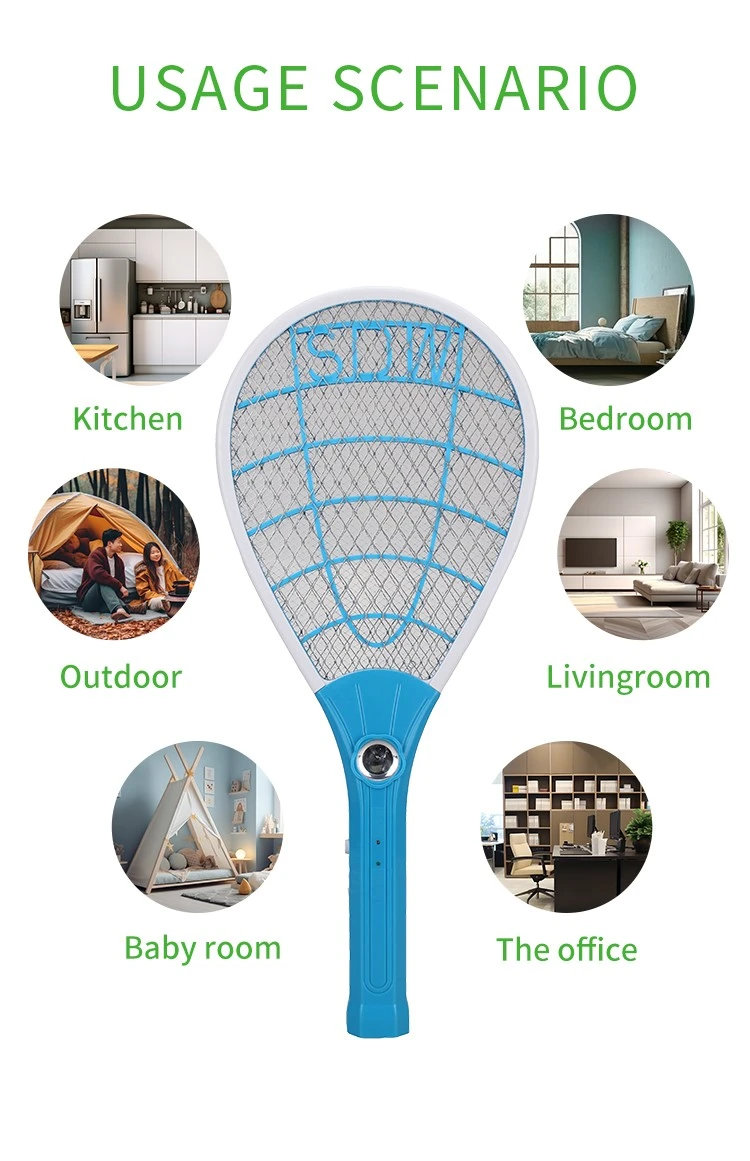
If you’re struggling with annoying mosquitoes, flies, and other flying pests indoors and outdoors, upgrading from traditional manual tools to anElectric Mosquito Swatter is the most efficient solution. Many homeowners and renters search where to buy fly swatter online to find durable, safe, and high-performance electric models that deliver instant pest control.
Where to Buy Fly Swatter
Most importers of electric mosquito swatters obsess over the first order: samples requested, factories vetted, a pre-shipment inspection booked. Then the reorder arrives eight months later and something is off. The grid feels softer. The charge port is a slightly different shade of black. The carton thickness dropped from 350 gsm to 300 gsm. Nothing is catastrophic — but the product no longer matches what your retail customers approved, and quietly, your return rate starts climbing.
How to Keep Mosquito Swatter Quality Consistent Across Repeat Orders
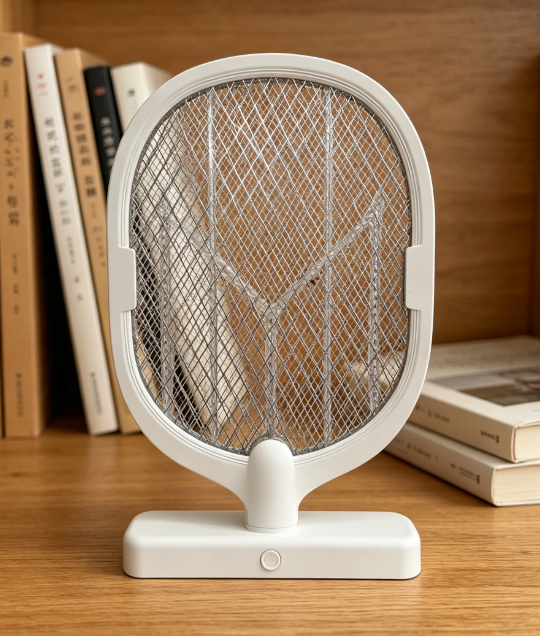
Warranty returns are the silent margin killer in the mosquito control category. A distributor who buys a swatter at $1.80 FOB and retails it at $9.90 can absorb a 1% return rate without noticing — but at 5%, the combined cost of replacement units, reverse logistics, and refund processing erases most of the line's profit.
Common mosquito swatter killer lamp failure modes wholesale spec guide

Digital bathroom scales rank as the second-highest-volume consumer weighing product category, only behind kitchen scales, with distinct market and product characteristics that set them apart from other scale types in importers’ product portfolios.
Digital bathroom body fat-bia-scale wholesale buyers guide