
How to Protect Your Eyes from UV Traps
2026-10-19
How to Protect Your Eyes from UV Traps: Complete Guide for 2026
Most people prioritize skin sun protection but overlook critical eye care, falling prey to hidden UV traps that damage eye tissues gradually. Ultraviolet rays (UVA and UVB) do not only harm eyes on sunny summer days—they penetrate clouds, reflect off surfaces, and cause cumulative long-term eye issues. Learning how to protect your eyes from UV traps is essential for preventing short-term discomfort and chronic eye diseases. This practical guide covers hidden UV hazards, UV eye damage risks, and actionable protection tips to help you safeguard your vision year-round.
1. What Are UV Traps for Eyes?
UV traps refer to hidden, easily overlooked scenarios where ultraviolet radiation exposes your eyes to excessive damage. Unlike direct strong sunlight, these indirect UV exposure situations are often ignored, making them the main culprit of chronic eye UV damage. Most people only wear sunglasses in bright sunshine but face persistent UV threats in daily hidden scenarios.
1.1 Common Hidden UV Traps in Daily Life
Reflective Surface UV Radiation
UV rays reflect strongly off water, snow, sand, concrete roads, and glass surfaces. Snow can reflect up to 80% of UV rays, while water and asphalt reflect 20%-30% of ultraviolet radiation. This means your eyes receive double UV exposure (direct + reflected) in these environments, forming typical UV traps that easily cause eye fatigue and corneal damage.
Cloudy and Overcast Day UV Penetration
Many people skip eye protection on cloudy days, but clouds only block visible light, not UV rays. Up to 90% of UVA and UVB rays can penetrate thin clouds and fog. Long-term outdoor activities on cloudy days become invisible UV traps, causing cumulative eye damage imperceptibly.
Indirect and Indoor UV Exposure
Ordinary glass windows can block most UVB rays but cannot resist long-wave UVA rays. Working or sitting by windows for hours every day leads to continuous UVA exposure. In addition, high-altitude areas, urban glass curtain wall reflections, and even tanning beds are common UV traps threatening eye health.
2. Why UV Traps Damage Your Eyes Severely
Eyes are delicate organs with no self-repair ability for UV-damaged tissues. Short-term UV exposure causes obvious discomfort, while long-term accumulation triggers irreversible eye diseases. Understanding these risks motivates correct eye UV protection habits.
2.1 Short-Term UV Damage Symptoms
After accidental exposure to high-intensity UV traps, symptoms include eye redness, dryness, stinging, photophobia, blurred vision, and frequent tearing. Severe cases may cause photokeratitis (sunburn of the cornea), which affects daily vision and work efficiency. These short-term symptoms are early warnings of eye damage that cannot be ignored.
2.2 Long-Term Irreversible Eye Risks
Persistent UV exposure from hidden UV traps accelerates eye aging and induces multiple chronic diseases. UVA rays penetrate deep into the eye, damaging the lens and retina, leading to premature cataracts and macular degeneration. UVB rays mainly harm the cornea and conjunctiva, easily causing pterygium and conjunctival hyperplasia. Long-term unprotected UV exposure also increases the risk of eye skin wrinkles and eyelid aging.
3. Core Strategies: How to Protect Your Eyes from UV Traps
Effective eye UV protection targets all hidden UV traps, forming a full-coverage defense system including professional eyewear, daily habits, and environmental adaptation. The following practical methods are verified by optometric experts, suitable for adults, teenagers, and outdoor workers.
3.1 Choose Professional UV-Blocking Sunglasses
Sunglasses are the first line of defense against eye UV traps, but ordinary decorative sunglasses cannot provide effective protection. Choosing qualified functional sunglasses is the key to protecting eyes from UV damage.
Key Selection Standards for UV-Proof Sunglasses
Prioritize sunglasses marked with UV400 or 100% UVA/UVB protection. This standard ensures the lenses block all ultraviolet rays below 400nm, covering all harmful UVA and UVB spectra. Avoid low-cost unmarked sunglasses—their dark lenses will dilate pupils, allowing more UV rays to enter the eyes and aggravating damage.
In terms of style, choose wrap-around or large-frame sunglasses. They can prevent UV rays from entering the eyes through the sides and gaps, avoiding dead-angle exposure caused by ordinary narrow-frame styles. For lens colors, gray and brown are the best choices, with uniform light filtering and no color distortion, suitable for long-term wear.
3.2 Auxiliary UV Protection for Daily Eyewear
UV-Blocking Prescription Lenses
Myopic people who wear glasses all day can choose prescription lenses with built-in UV protection coating. These lenses can block most indoor and outdoor UV rays, solving the problem of frequent switching between glasses and sunglasses. It is the most convenient long-term eye UV protection method for office workers and students.
UV-Protective Contact Lenses
High-quality UV-blocking contact lenses can reduce UV absorption by the cornea and lens, providing auxiliary protection for eye tissues. Note that contact lenses only cover the central cornea and cannot protect the conjunctiva and eye skin around the eyes, so they need to be used with sunglasses in strong UV environments.
3.3 Correct Daily Habits to Avoid UV Traps
Avoid Peak UV Period Outdoor Activities
UV intensity is the strongest from 10 a.m. to 4 p.m. every day. Try to reduce prolonged outdoor exposure during this period. If you need to work or exercise outdoors, you must wear professional UV-proof sunglasses and match with wide-brimmed hats to form double protection.
Strengthen Protection in High-Risk Scenarios
When skiing, swimming, beach vacationing, or walking on urban asphalt roads, the reflected UV radiation is extremely strong. Do not omit eye protection even if the weather is not sunny. For office workers who sit by windows for a long time, closing light-transparent curtains can reduce indoor UVA exposure.
3.4 Auxiliary Eye Care to Resist UV Damage
Long-term UV exposure leads to eye dryness and oxidative damage. Adhering to daily eye care can enhance eye resistance. You can use artificial tears to relieve dry and fatigued eyes, and eat foods rich in lutein, zeaxanthin, and vitamin A to repair retinal cells and reduce UV oxidative damage.
4. Common Mistakes in Eye UV Protection
Many people cannot avoid UV traps because of wrong protection habits. Correcting these misunderstandings is an important part of eye UV trap protection.
Mistake 1: Dark Lenses Equal Good UV Protection
The color depth of sunglasses lenses is only related to visible light transmittance, not UV protection ability. Dark unqualified lenses will dilate pupils, making more UV rays invade the eyes, causing more serious damage than not wearing sunglasses.
Mistake 2: No Need for Protection on Cloudy Days
As mentioned above, clouds cannot block UV rays. Long-term outdoor activities on cloudy days are the most easily ignored UV traps, which will cause cumulative eye damage over time.
Mistake 3: Only Outdoor Eyes Need UV Protection
Indoor window UVA radiation exists all year round. Long-term indoor exposure will accelerate eye aging, so daily indoor UV protection cannot be ignored.
5. Final Thoughts
UV traps are everywhere in daily life, and eye UV damage is cumulative and irreversible. Protecting your eyes from UV traps is not a seasonal task but a long-term daily health habit. By choosing professional UV-proof eyewear, correcting wrong protection habits, and targeting protection in high-risk scenarios, you can effectively block all hidden UV threats and protect your vision health for a long time.
Key Takeaways
-
Hidden UV traps include reflective surfaces, cloudy days, and indoor window UV exposure
-
Choose UV400 or 100% UVA/UVB blocking sunglasses as core protection
-
Avoid peak UV outdoor activities and strengthen scenario-based protection
-
Correct protection misunderstandings to prevent invisible eye damage
Digital bathroom body fat-bia-scale wholesale buyers guide
What Is the Best Product for Mosquito Control
Related Article
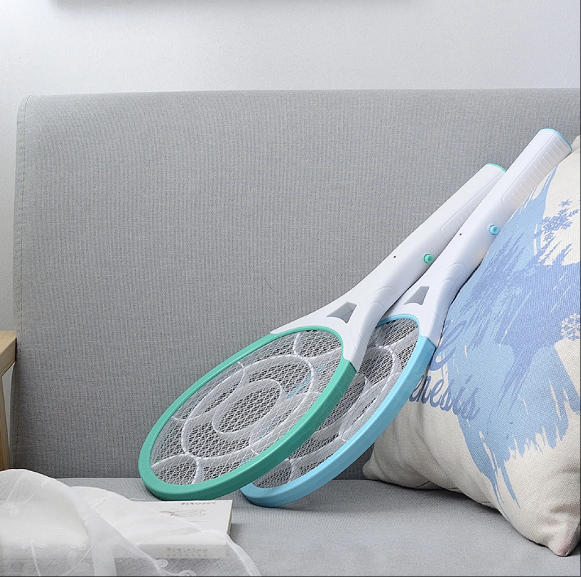
If you’re struggling with annoying mosquitoes, flies, and other flying pests indoors and outdoors, upgrading from traditional manual tools to anElectric Mosquito Swatter is the most efficient solution. Many homeowners and renters search where to buy fly swatter online to find durable, safe, and high-performance electric models that deliver instant pest control.
Where to Buy Fly Swatter
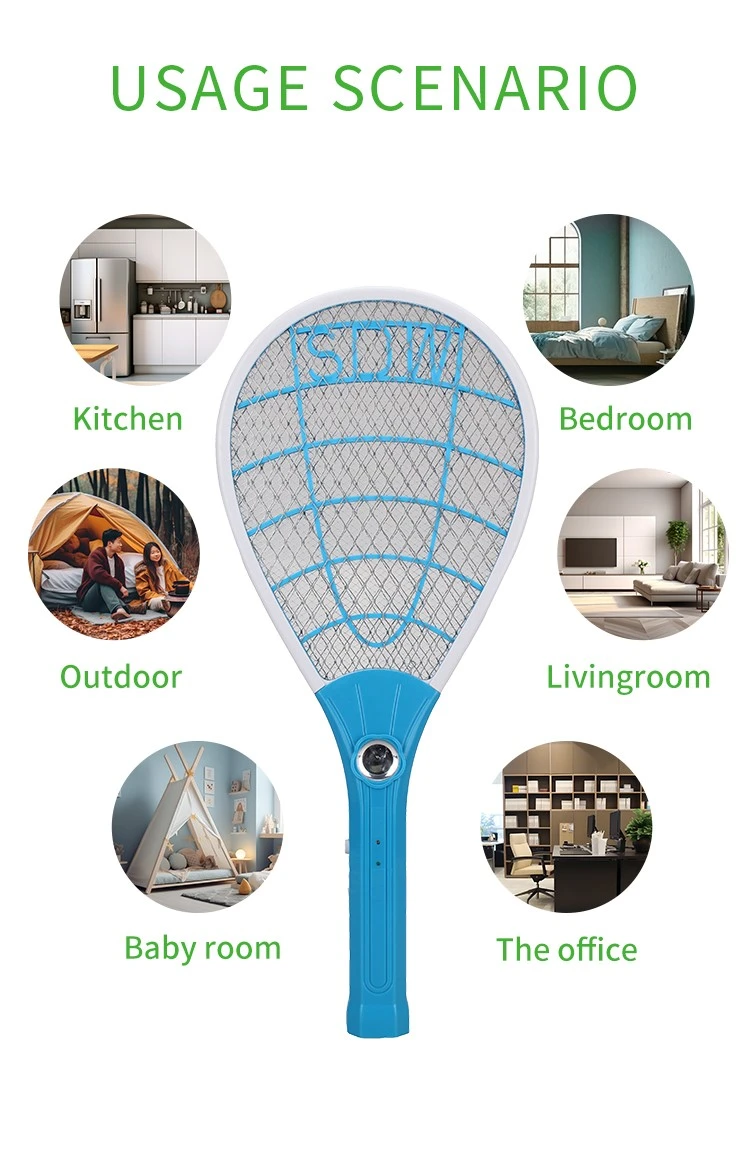
Most importers of electric mosquito swatters obsess over the first order: samples requested, factories vetted, a pre-shipment inspection booked. Then the reorder arrives eight months later and something is off. The grid feels softer. The charge port is a slightly different shade of black. The carton thickness dropped from 350 gsm to 300 gsm. Nothing is catastrophic — but the product no longer matches what your retail customers approved, and quietly, your return rate starts climbing.
How to Keep Mosquito Swatter Quality Consistent Across Repeat Orders
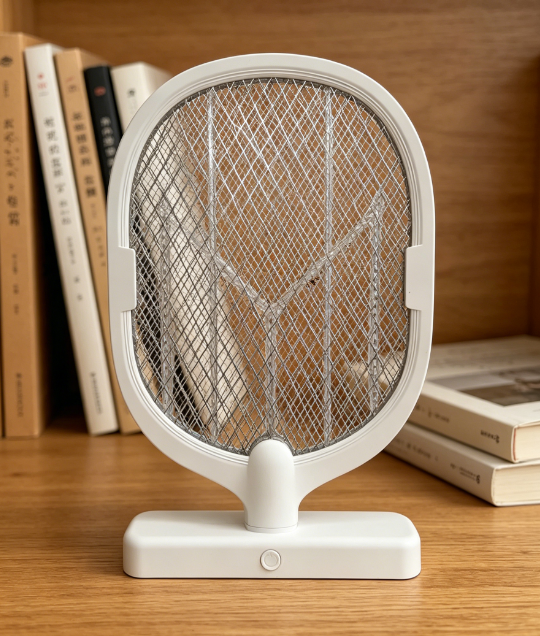
Warranty returns are the silent margin killer in the mosquito control category. A distributor who buys a swatter at $1.80 FOB and retails it at $9.90 can absorb a 1% return rate without noticing — but at 5%, the combined cost of replacement units, reverse logistics, and refund processing erases most of the line's profit.
Common mosquito swatter killer lamp failure modes wholesale spec guide
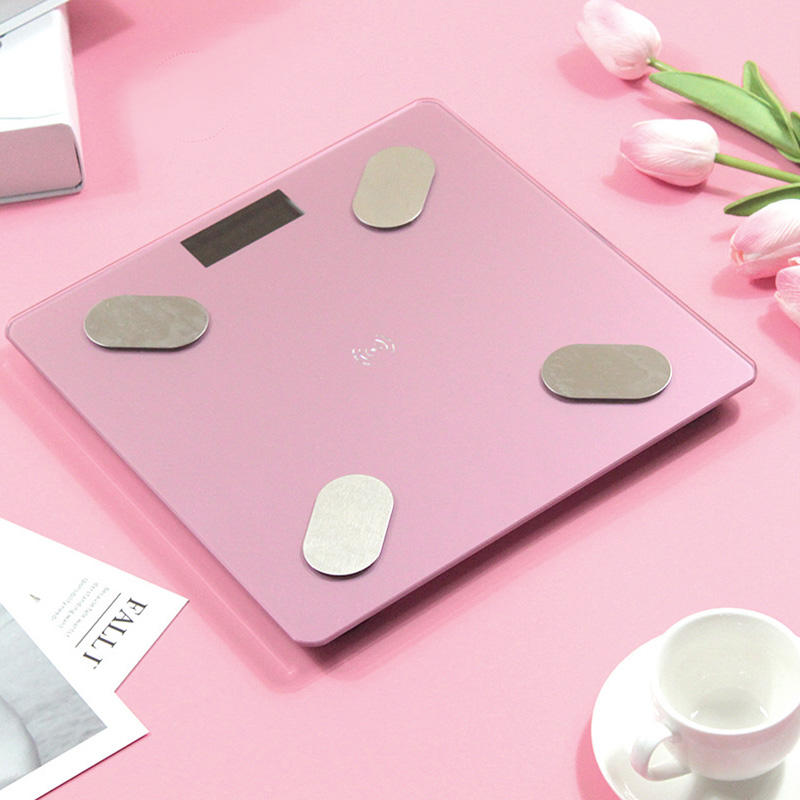
Digital bathroom scales rank as the second-highest-volume consumer weighing product category, only behind kitchen scales, with distinct market and product characteristics that set them apart from other scale types in importers’ product portfolios.
Digital bathroom body fat-bia-scale wholesale buyers guide