
Digital Scales for Wholesale Buyers
2026-08-24
Digital Scales for Wholesale Buyers — Certifications, Customization, and Market Entry Tips
Driven by rising consumer health awareness, the adoption of precision agriculture, and increasingly stringent commercial measurement regulations, the global digital scale market is expected to grow from $4.2 billion in 2024 to $5.8 billion by 2029. For distributors already supplying mosquito control products and general small home appliances, digital scales serve as a natural category expansion. They share the same electronics supply chains, follow similar certification procedures, and feature complementary seasonal demand trends, enabling favorable product portfolio synergy.
However, entering the digital scale market without a clear understanding of complex certification requirements and buyer expectations can lead to customs detention, retailer rejections, and inventory write-downs. This guide outlines all critical verification points for wholesale buyers placing their first batch of digital scale orders.
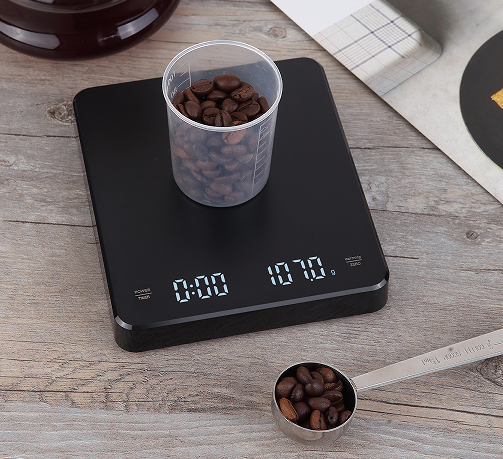
1. Market Segments and Profit Margin Analysis
Different types of digital scales come with distinct profit margins and compliance burdens. Before selecting a supplier, distributors should select product segments that align with their sales channels:
|
Product Category
|
Typical Capacity
|
Wholesale Profit Margin
|
Certification Complexity
|
|
1–10 kg
|
25%–35%
|
Low (CE, FCC only)
|
|
|
Body Weight Scales
|
150–200 kg
|
30%–40%
|
Medium (CE & FCC, plus medical certification in certain regions)
|
|
Commercial / Retail Scales
|
3–30 kg
|
20%–28%
|
High (NTEP, OIML, MID mandatory)
|
|
Industrial Platform Scales
|
100–3000 kg
|
18%–25%
|
Very High (full metrology compliance required)
|
First-time digital scale buyers are recommended to start with kitchen scales and body weight scales. These categories feature low certification barriers, straightforward product differentiation (glass or plastic platforms, Bluetooth connectivity, APP integration, etc.), compact unit size, and lower inventory risks, making them ideal for new market entrants.
2. Market-Specific Certification Requirements
As measuring instruments, digital scales are subject to far stricter regulatory oversight than ordinary small appliances such as mosquito swatters. Selling non-compliant scales in regulated markets may result in fines, product recalls, and permanent blacklisting by retailers.
2.1 European Union
All digital scales must bear the CE mark in compliance with the Low Voltage Directive (LVD) and EMC Directive. Commercial scales used for trade purposes must additionally comply with the Non-Automatic Weighing Instruments (NAWI) Directive 2014/31/EU. The NAWI compliance requires EC-type examination by an EU Notified Body, which extends the lead time by 6–10 weeks and incurs additional costs of €2,000–€5,000.
2.2 United States
Household digital scales must meet FCC Part 15 electronic emission standards. Commercial trade scales require NTEP (National Type Evaluation Program) certification issued by the NCWM (National Conference on Weights and Measures). NTEP certification is mandatory for scales sold to grocery stores, butcher shops, and farmers markets. Non-certified units are subject to confiscation by state weights and measures authorities.
2.3 Africa & Middle East
Nigeria enforces SONCAP certification for all electronic products including digital scales. Kenya requires KEBS Pre-Verification of Conformity (PVoC) inspection at the point of origin. Saudi Arabia mandates SASO Certificate of Conformity via the Saber platform. These certification frameworks mirror those for mosquito control electronics, enabling familiar and streamlined procedures for existing China importers.
For a complete regional breakdown covering scales, mosquito swatters and insect lamps, refer to our CE, FCC, SONCAP & KEBS Export Compliance Roadmap.
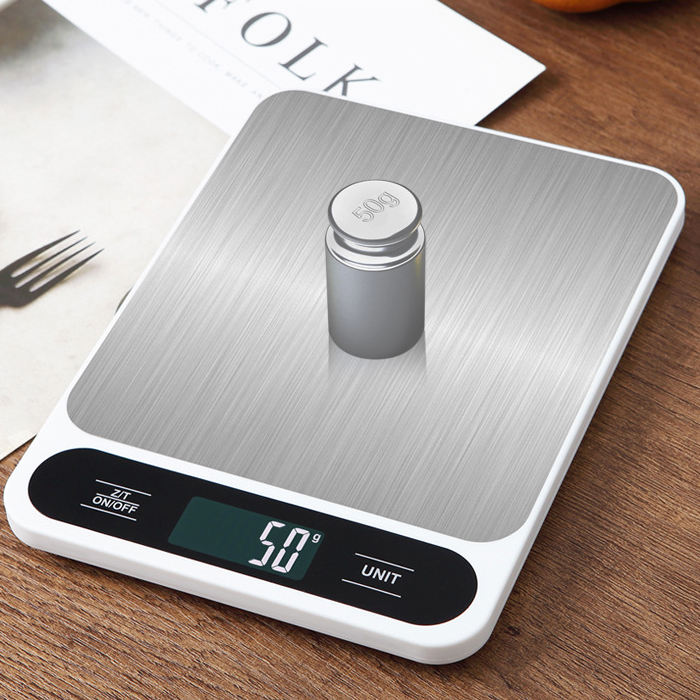
3. Critical Technical Specifications That Determine Product Performance
Factory specification sheets typically prioritize capacity and graduation values. While important, four additional parameters largely determine end-user satisfaction and return rates:
Readability vs. Accuracy: A scale marked with 1 g readability may only achieve ±3 g accuracy under real-world conditions. Always request accuracy data at minimum load, half capacity, and full capacity. Reputable manufacturers provide calibration reports traceable to national metrology standards.
Load Cell Type: Strain gauge load cells are standard for consumer-grade scales. For commercial high-precision applications, Electromagnetic Force Compensation (EMFC) load cells deliver superior accuracy but cost 3–5 times more. Confirm that the supplier’s load cell modules (most commonly China-made HX711 units) meet your precision tolerance requirements.
Platform Material & Deflection Performance: Tempered glass platforms offer a premium appearance but are vulnerable to impact cracks. ABS plastic ensures durability yet scratches easily. Stainless steel provides corrosion resistance but increases overall weight. Always request deflection test data; platforms with over 1 mm deflection under rated load will suffer gradual measurement drift over time.
Power Supply & Battery Life: AAA battery-powered scales generally offer 6–12 months of household use. USB rechargeable lithium-ion models cost 15%–20% more at the factory price but support higher retail pricing and reduce long-term customer complaints regarding frequent battery replacement.
4. OEM & Customization Capabilities
Digital scales feature highly standardized electronic components, with product differentiation mainly achieved through industrial design, offering excellent private-label potential. Common customization options include:
Silkscreen Printing on Glass Platforms: Custom brand logos and measurement units printed on glass surfaces. Standard MOQ is 1,000 units, with tooling fees ranging from $200 to $400 per design.
Custom APP Integration: Bluetooth-enabled scales synced with iOS and Android health applications. Requires firmware modification and APP SDK licensing, with an 8–12 week development cycle.
Localized Packaging & Manuals: Multi-language packaging, user manuals, and warranty cards. A low-cost yet high-value differentiation method favored by retailers.
Regional Metrology Calibration: Default unit configuration for metric (kg/g) or imperial (lb/oz) standards. Most factories charge a minor firmware adjustment fee to lock target-market measurement units.
The OEM/ODM decision framework for digital scales is identical to that for mosquito control products. For a detailed comparison of OEM andODM application scenarios, refer to our article on Mosquito Swatter OEM vs ODM Manufacturing; the principles apply directly to digital scale sourcing.
5. Seasonal Demand & Inventory Planning
Unlike mosquito swatters, which see explosive demand growth in Q2–Q3, digital scales follow a bimodal demand pattern with more balanced stocking cycles:
Q1 (January–March): New Year health and fitness resolutions drive strong body scale sales, while lingering holiday baking activities bring secondary growth for kitchen scales.
Q3 (August–October): Back-to-school procurement and pre-year-end retail restocking push commercial scale demand to its annual peak.
This bimodal trend creates significant cash flow advantages for distributors with overlapping mosquito product lines. Q1 revenue from digital scales can fund Q2 mosquito swatter inventory procurement, smoothing annual working capital pressure.
For full seasonal demand analysis covering pest control and small home appliance sectors, see our 2026 Mosquito Control Product Market Trend Report.

6. Supplier Red Flags & Risk Warnings
Digital scale manufacturing has lower entry barriers than UV lamp electronics, resulting in a large number of trading companies posing as manufacturers and suppliers cutting corners on load cell quality. Watch closely for the following warning signs:
1. No Valid Calibration Certificate or Traceable Standard: Legitimate factories claiming 1 g accuracy must provide standard calibration weights and traceable certification. Inability to furnish documents indicates false accuracy marketing.
2. Reluctance to Provide NTEP/OIML Documentation: Qualified commercial scale suppliers with genuine certifications can provide valid certificates immediately. Hesitation always means uncertified products.
3. Inconsistent Materials Between Samples and Mass Production: A common bait-and-switch tactic. Specify precise material grades in purchase contracts (e.g., 5 mm soda-lime tempered glass) instead of vague terms such as “glass platform”.
4. Unreasonably Low Pricing: Factories offering kitchen scales below $2.50 FOB likely use recycled load cells or omit EMI shielding, resulting in guaranteed CE/FCC EMC test failures at customs inspection.
Conclusion
For established distributors with existing China sourcing channels, digital scales represent a high-opportunity, medium-risk product expansion category. Market success relies on accurate segment positioning, thorough certification verification before deposit payment, and treating customization as a core profit-enhancing strategy rather than an afterthought. Reliable scale manufacturers integrate solid electronic engineering expertise with strict metrology discipline — a far more rare capability combination than standard product datasheets suggest.
How to Store and Handle Bulk Mosquito Swatters
Supply Chain Risk Mitigation for Small Appliance Imports
Related Article

If you’re struggling with annoying mosquitoes, flies, and other flying pests indoors and outdoors, upgrading from traditional manual tools to anElectric Mosquito Swatter is the most efficient solution. Many homeowners and renters search where to buy fly swatter online to find durable, safe, and high-performance electric models that deliver instant pest control.
Where to Buy Fly Swatter
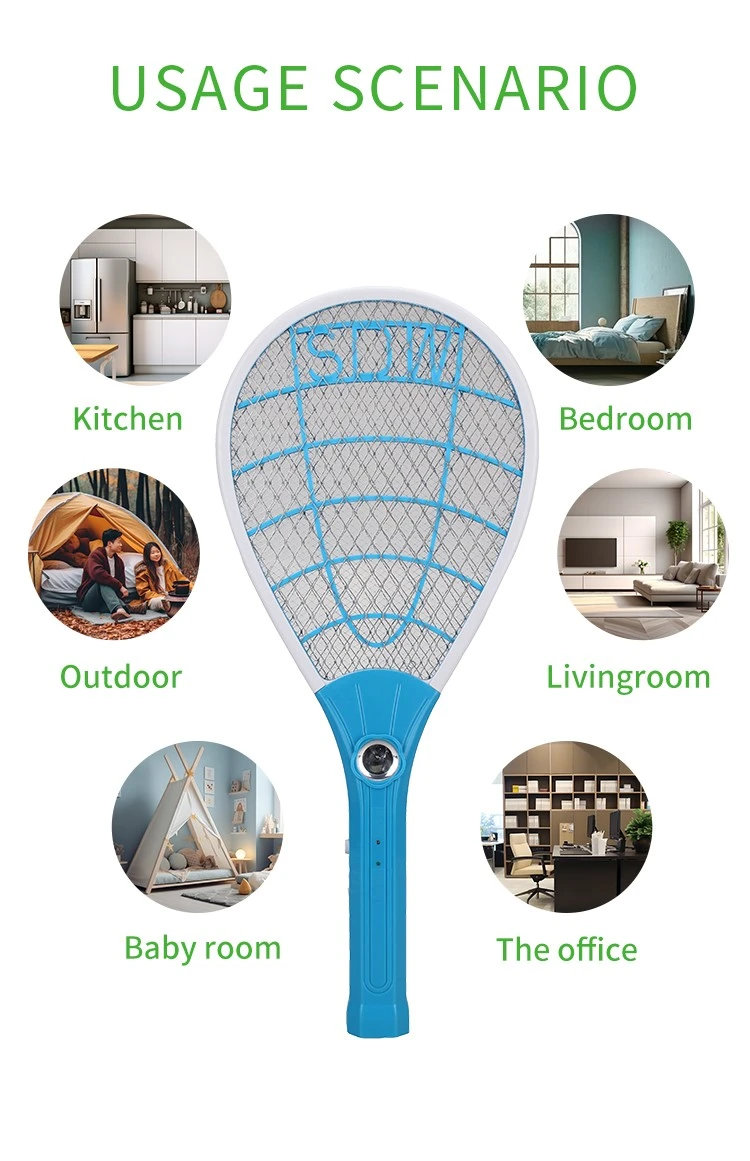
Most importers of electric mosquito swatters obsess over the first order: samples requested, factories vetted, a pre-shipment inspection booked. Then the reorder arrives eight months later and something is off. The grid feels softer. The charge port is a slightly different shade of black. The carton thickness dropped from 350 gsm to 300 gsm. Nothing is catastrophic — but the product no longer matches what your retail customers approved, and quietly, your return rate starts climbing.
How to Keep Mosquito Swatter Quality Consistent Across Repeat Orders
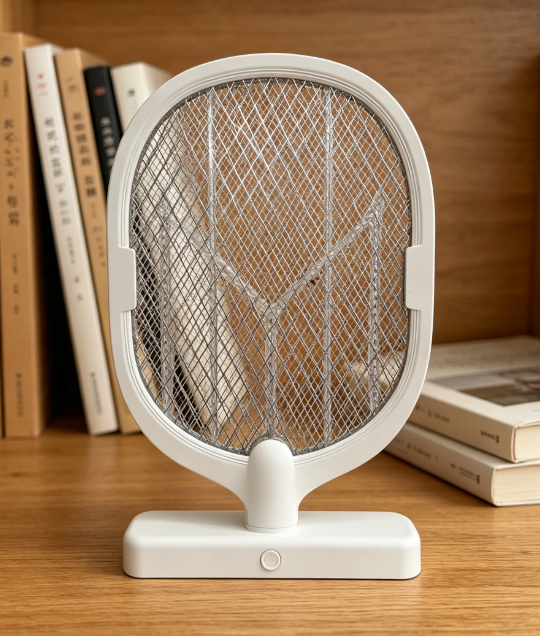
Warranty returns are the silent margin killer in the mosquito control category. A distributor who buys a swatter at $1.80 FOB and retails it at $9.90 can absorb a 1% return rate without noticing — but at 5%, the combined cost of replacement units, reverse logistics, and refund processing erases most of the line's profit.
Common mosquito swatter killer lamp failure modes wholesale spec guide

Digital bathroom scales rank as the second-highest-volume consumer weighing product category, only behind kitchen scales, with distinct market and product characteristics that set them apart from other scale types in importers’ product portfolios.
Digital bathroom body fat-bia-scale wholesale buyers guide