
DIY Mosquito Control
2026-10-06
DIY Mosquito Control: Practical Home Solutions With Zappers & Swatters
Mosquitoes are one of the most annoying household pests, ruining quiet evenings, disrupting sleep, and even bringing potential health risks. Many commercial mosquito repellents contain chemical ingredients that may irritate sensitive skin, while professional pest control services often come with high costs. Fortunately, DIY mosquito control offers a budget-friendly, safe, and flexible way to eliminate mosquitoes indoors and outdoors. With two core tools—electric mosquito swatters and mosquito zappers—plus simple homemade tips, you can build a long-term, effective mosquito-free home environment easily.
Why DIY Mosquito Control Is Better For Household Use
Most people rely on mosquito coils, aerosol sprays or liquid repellents for daily mosquito prevention, but these methods have obvious drawbacks. Chemical-based products release volatile substances that can affect respiratory health, especially for kids, pregnant women and pets. Besides, they only provide temporary protection and cannot reduce the overall mosquito population at home.
DIY mosquito control focuses on physical mosquito elimination and source prevention, which is safer, greener and more sustainable. It requires no professional skills or expensive equipment. Just combine daily maintenance with two essential physical mosquito-killing tools: handheld electric mosquito swatters and plug-in mosquito zappers. This perfect combination covers instant mosquito removal and long-term trapping, solving mosquito problems from multiple angles.
Essential DIY Mosquito Control Tool 1: Electric Mosquito Swatter (Instant Mosquito Killing)
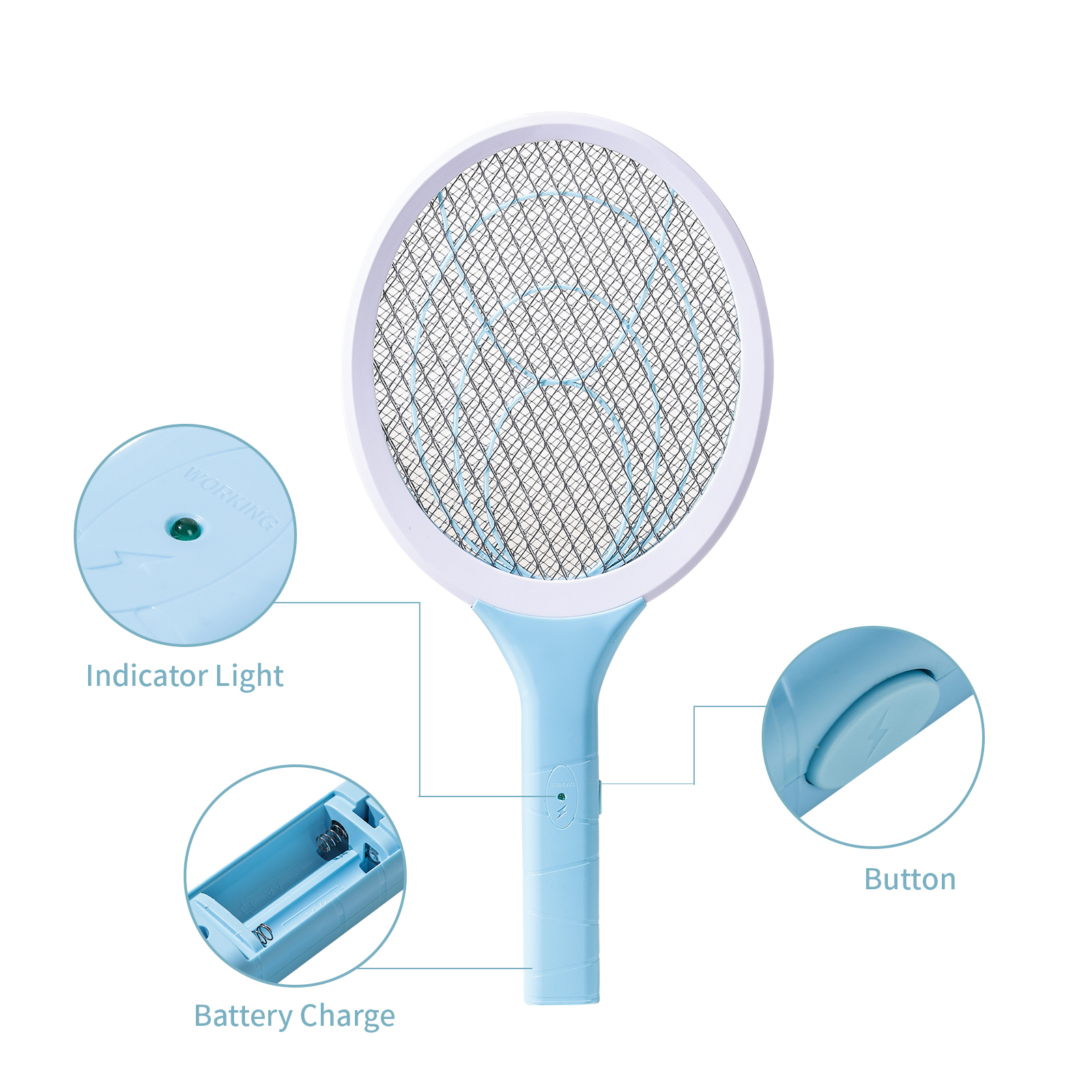
The electric mosquito swatter is the most portable and efficient DIY tool for on-the-spot mosquito elimination. Different from traditional manual swatters, the electric version uses low-voltage high-frequency current to kill mosquitoes instantly on contact, leaving no messy mosquito stains on walls or furniture. It is safe for daily household use, with protective mesh designs that prevent accidental electric shocks to humans and pets.
Best DIY Usage Skills For Electric Mosquito Swatters
Many people use mosquito swatters incorrectly, resulting in low killing efficiency. Master these simple DIY skills to maximize its effect:
First, choose the right time and scene. Use the swatter in dim environments at night or early morning, when mosquitoes are most active and stay near walls, ceilings and light sources. Turn off bright room lights and leave a weak nightlight on, which attracts mosquitoes to gather and makes swatting easier.
Second, master the correct swatting posture. Do not swat straight at flying mosquitoes. Instead, swing the swatter gently from the side. The wide electrified mesh covers a larger area, and even near misses can successfully kill mosquitoes. For resting mosquitoes on walls or curtains, attach the swatter lightly to their bodies, and it will take effect instantly without making noise or leaving traces.
Third, daily maintenance for long-term use. Clean the mesh regularly to remove mosquito residues and dust, which ensures stable electric power and consistent killing effect. Choose a rechargeable model to replace disposable batteries, more eco-friendly and cost-effective for long-term DIY mosquito control.
Essential DIY Mosquito Control Tool 2: Mosquito Zapper (Long-Term Trapping & Elimination)
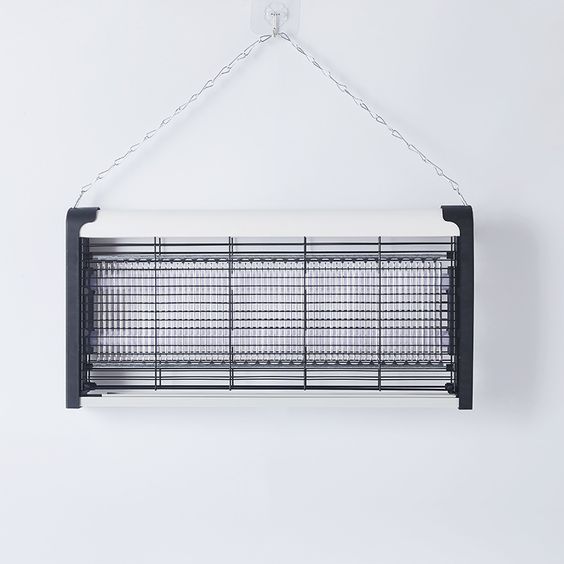
While mosquito swatters handle visible mosquitoes instantly, mosquito zappers take charge of unattended long-term mosquito trapping. As a classic physical mosquito control device, mosquito zappers use UV blue light to simulate human body heat and carbon dioxide, luring mosquitoes to fly close, then kill them through low-voltage electric shock. It is the best auxiliary tool for DIY whole-house mosquito control, making up for the limitation that swatters can only kill visible mosquitoes.
DIY Placement & Setting Tips For Mosquito Zappers
The placement of mosquito zappers directly determines the trapping effect. unreasonable placement will lead to poor results even with a high-quality zapper. Follow these DIY placement rules:
Avoid bright light interference. Mosquitoes are phototactic, so strong indoor lights will weaken the UV attraction of the zapper. Place the zapper in relatively dark corners such as living room corners, balcony edges and bedroom aisles, and turn off local auxiliary lights at night.
Set a reasonable height and distance. The optimal placement height is 1-1.5 meters from the ground, which matches the usual flight height of mosquitoes. Do not place the zapper too close to beds, sofas or dining areas. A distance of 2-3 meters ensures effective trapping without disturbing daily rest and activities.
Use it continuously for better results. Turn on the zapper all night before sleeping. It can not only kill active mosquitoes at night, but also reduce the number of mosquitoes that reproduce indoors. Clean the bottom insect collection box every 2-3 days to keep the zapper clean and maintain stable trapping efficiency.
Perfect DIY Combination Strategy: Swatter + Zapper For Zero Mosquitoes
Using mosquito swatters and zappers alone can only solve partial mosquito problems, but combining the two forms a full-coverage DIY mosquito control system that works for both immediate and long-term effects. This collocation method is suitable for all families and greatly improves mosquito elimination efficiency.
During the daytime, take the electric mosquito swatter as the main tool. Daytime mosquitoes mostly rest secretly under curtains, behind doors and on window sills. You can patrol the room regularly and swat hidden mosquitoes with the swatter to reduce the active mosquito base in advance.
At night, take the mosquito zapper as the core defense. Turn on the zapper 30 minutes before entering the room to trap and kill scattered mosquitoes in advance. For individual surviving mosquitoes that disturb sleep at night, use the portable mosquito swatter for quick removal. The two tools cooperate with each other to avoid mosquito leakage to the greatest extent.
Auxiliary DIY Mosquito Prevention Tips To Consolidate Results
To make DIY mosquito control more thorough, tool matching alone is not enough. It is necessary to cooperate with simple homemade prevention methods to cut off mosquito reproduction sources:
First, eliminate standing water. Mosquitoes breed rapidly in stagnant water. Regularly clean water in flower pot trays, bathroom corners, kitchen buckets and outdoor balconies to cut off their reproduction environment. Second, repair window screens and door curtains to block mosquito entry channels. Third, place small bowls of diluted vinegar or mint leaves in indoor corners. The natural odor can repel mosquitoes mildly without any chemical harm.
Final Thoughts
DIY mosquito control is a scientific, safe and cost-effective household pest control method. The electric mosquito swatter solves the problem ofinstant mosquito removal, while the mosquito zapper undertakes long-term automatic trapping. With the reasonable combination of the two tools and simple daily auxiliary prevention, you can completely get rid of mosquito troubles without relying on chemical products. Start your DIY mosquito control plan today and enjoy a quiet, comfortable and mosquito-free living environment!
UV LED vs Fluorescent Tube Mosquito Killer Lamps
Mosquito Species Behavior and Product Matching
Related Article
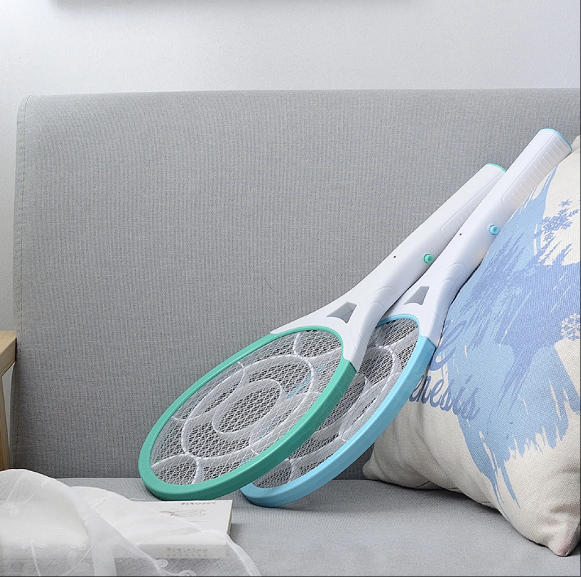
If you’re struggling with annoying mosquitoes, flies, and other flying pests indoors and outdoors, upgrading from traditional manual tools to anElectric Mosquito Swatter is the most efficient solution. Many homeowners and renters search where to buy fly swatter online to find durable, safe, and high-performance electric models that deliver instant pest control.
Where to Buy Fly Swatter
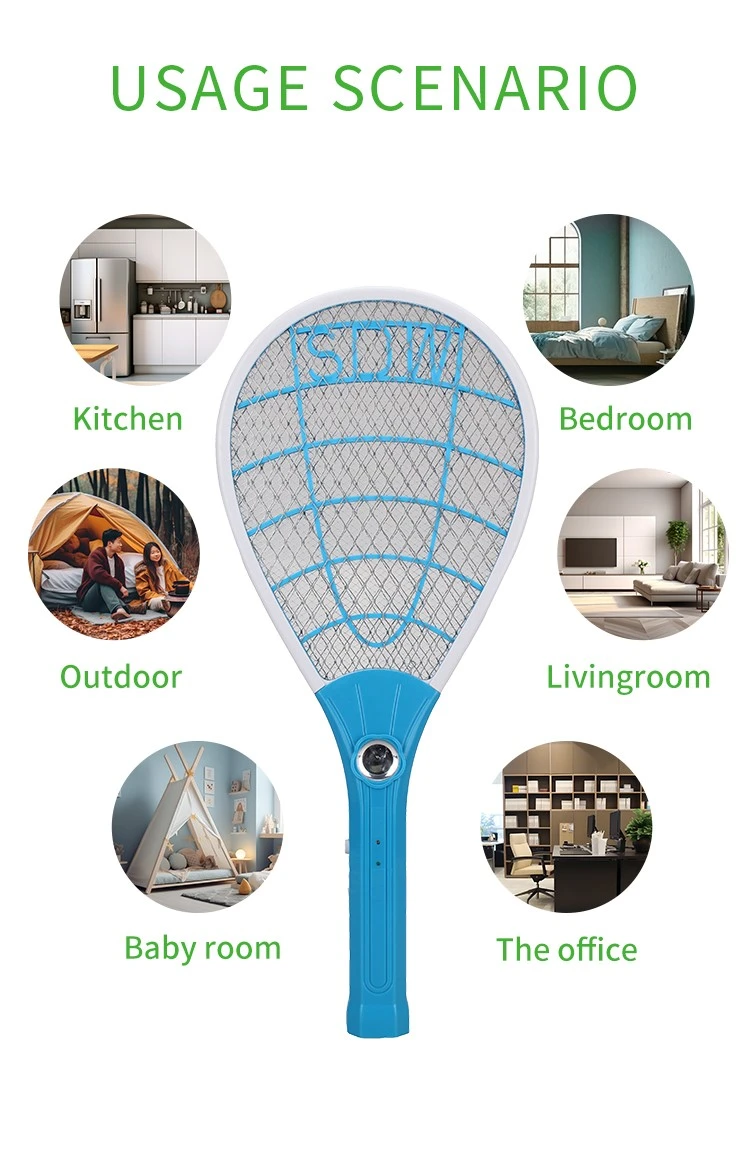
Most importers of electric mosquito swatters obsess over the first order: samples requested, factories vetted, a pre-shipment inspection booked. Then the reorder arrives eight months later and something is off. The grid feels softer. The charge port is a slightly different shade of black. The carton thickness dropped from 350 gsm to 300 gsm. Nothing is catastrophic — but the product no longer matches what your retail customers approved, and quietly, your return rate starts climbing.
How to Keep Mosquito Swatter Quality Consistent Across Repeat Orders
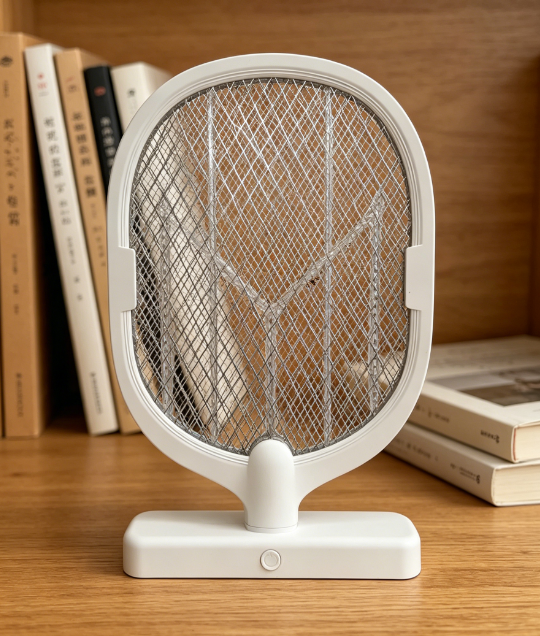
Warranty returns are the silent margin killer in the mosquito control category. A distributor who buys a swatter at $1.80 FOB and retails it at $9.90 can absorb a 1% return rate without noticing — but at 5%, the combined cost of replacement units, reverse logistics, and refund processing erases most of the line's profit.
Common mosquito swatter killer lamp failure modes wholesale spec guide
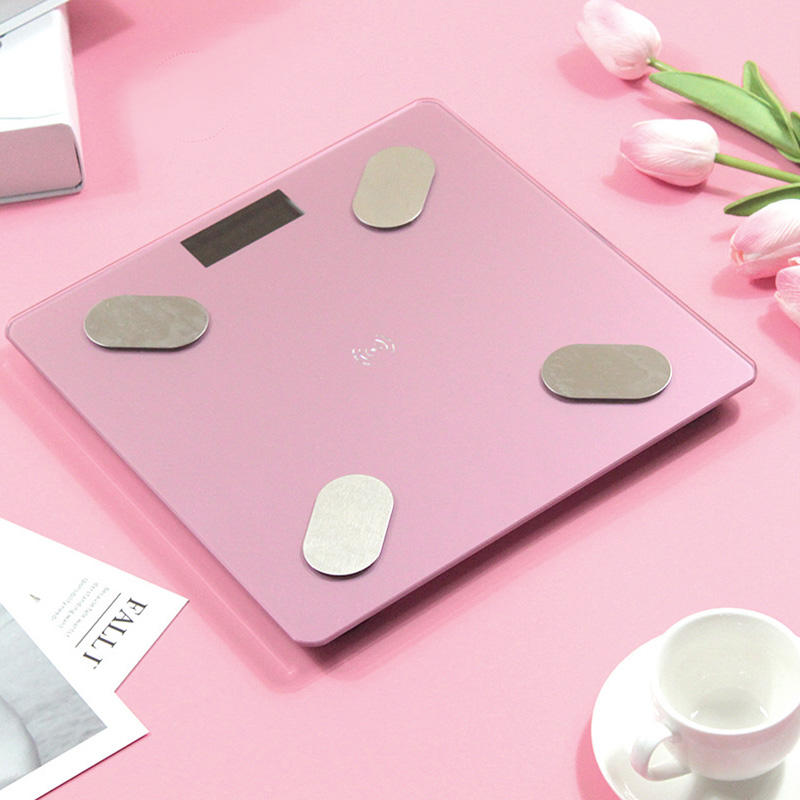
Digital bathroom scales rank as the second-highest-volume consumer weighing product category, only behind kitchen scales, with distinct market and product characteristics that set them apart from other scale types in importers’ product portfolios.
Digital bathroom body fat-bia-scale wholesale buyers guide