
DIY Mosquito Trap
2025-05-27
DIY Mosquito Trap: Get Rid of Mosquitoes Easily
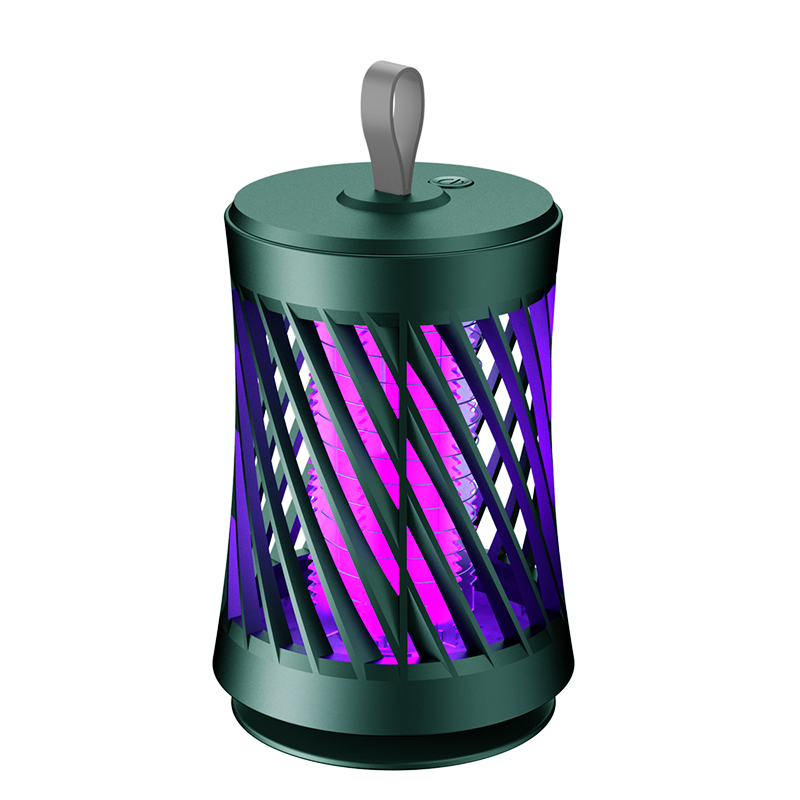
With the arrival of summer, mosquitoes become rampant, not only disturbing our dreams but also potentially spreading diseases. Instead of spending a lot of money on expensive mosquito repellent products, why not try making a simple and effective mosquito trap by yourself? This article will introduce in detail how to make a DIY mosquito trap, allowing you to get rid of mosquito troubles easily.
Why Choose a DIY Mosquito Trap?
DIY mosquito traps have many advantages. Firstly, they are cost-effective. Most of the materials needed can be easily found in daily life without the need to spend a lot of money on professional mosquito repellent equipment. Secondly, these traps use natural and harmless materials, avoiding the potential harm of chemical agents to the human body and the environment, making them a more environmentally friendly and healthy way to repel mosquitoes. Finally, making a mosquito trap by hand can also add fun to life and give you a sense of accomplishment.
Materials Needed
To make a DIY mosquito trap, you only need to prepare the following simple materials:
- A plastic bottle (a 1.5-liter or 2-liter beverage bottle is recommended)
- Scissors
- White sugar or honey
- Yeast
- Warm water
Steps of Making

- Prepare the Plastic Bottle: Wash and dry the plastic bottle, and then use scissors to cut it horizontally in the middle part, dividing it into two parts, upper and lower.
- Make the Bait: Pour about 100 ml of warm water into the lower part of the plastic bottle, then add 2 - 3 tablespoons of white sugar or honey and stir well until the sugar or honey is fully dissolved in the water. The sweet smell of sugar or honey can attract mosquitoes.
- Add Yeast: Add 1 tablespoon of yeast to the sugar water and stir gently. Yeast will decompose the sugar in the water, producing carbon dioxide, which is a very attractive source for mosquitoes.
- Assemble the Mosquito Trap: Invert the upper part of the plastic bottle and place it into the lower part like a funnel, ensuring that the bottle mouth is at a certain distance from the sugar water and does not touch the sugar water.
- Seal and Place: Fix the upper and lower parts with tape or glue to ensure that the mosquito trap is well - sealed. Place the made mosquito trap in places where mosquitoes often appear, such as window sills, doorways, or garden corners.
Usage Suggestions and Precautions
- Replace the Bait Regularly: To maintain the effectiveness of the mosquito trap, it is recommended to replace the bait every 3 - 4 days, because over time, the activity of the yeast will decrease, and the effect of attracting mosquitoes will also weaken.
- Avoid Direct Sunlight: Place the mosquito trap in a cool place to avoid direct sunlight. Direct sunlight will accelerate the deterioration of the bait and may also deform the plastic bottle, affecting the normal use of the mosquito trap.
- Safe Placement: If there are children or pets at home, please place the mosquito trap out of their reach to prevent them from accidentally ingesting the bait or damaging the mosquito trap.
Through the above simple steps, you can have an efficient DIY mosquito trap. Let's get started and enjoy a mosquito - free summer!
How to Make a Mosquito Trap
How to Make a Tesla Coil from a Bug Zapper
Related Article

If you’re struggling with annoying mosquitoes, flies, and other flying pests indoors and outdoors, upgrading from traditional manual tools to anElectric Mosquito Swatter is the most efficient solution. Many homeowners and renters search where to buy fly swatter online to find durable, safe, and high-performance electric models that deliver instant pest control.
Where to Buy Fly Swatter
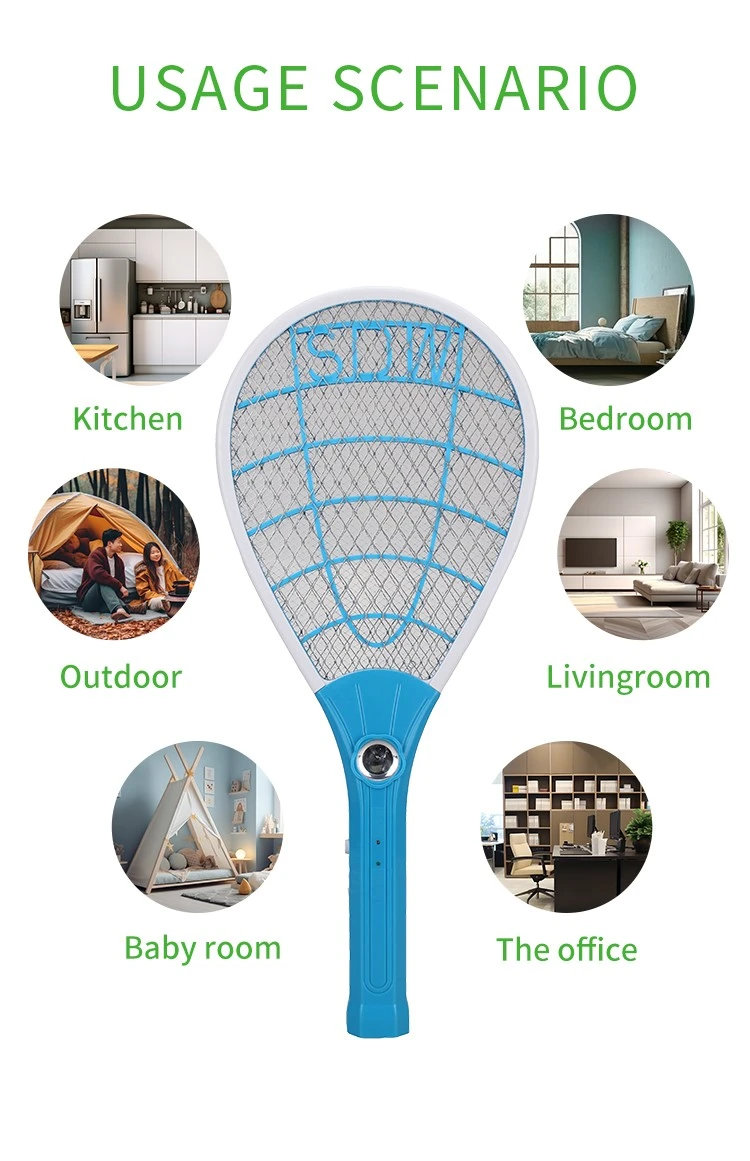
Most importers of electric mosquito swatters obsess over the first order: samples requested, factories vetted, a pre-shipment inspection booked. Then the reorder arrives eight months later and something is off. The grid feels softer. The charge port is a slightly different shade of black. The carton thickness dropped from 350 gsm to 300 gsm. Nothing is catastrophic — but the product no longer matches what your retail customers approved, and quietly, your return rate starts climbing.
How to Keep Mosquito Swatter Quality Consistent Across Repeat Orders
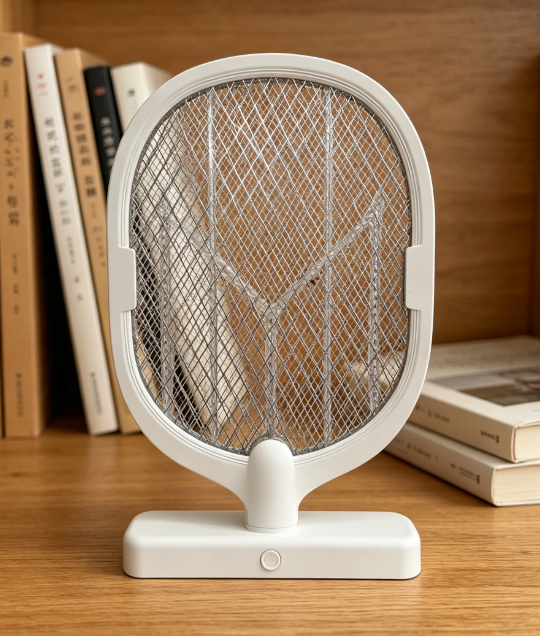
Warranty returns are the silent margin killer in the mosquito control category. A distributor who buys a swatter at $1.80 FOB and retails it at $9.90 can absorb a 1% return rate without noticing — but at 5%, the combined cost of replacement units, reverse logistics, and refund processing erases most of the line's profit.
Common mosquito swatter killer lamp failure modes wholesale spec guide

Digital bathroom scales rank as the second-highest-volume consumer weighing product category, only behind kitchen scales, with distinct market and product characteristics that set them apart from other scale types in importers’ product portfolios.
Digital bathroom body fat-bia-scale wholesale buyers guide