
Do Bats Eat Mosquitoes
2026-05-13
Do Bats Eat Mosquitoes? The Truth About Bats as Natural Mosquito Control
Summer evenings spent outdoors often come with an unwelcome guest: mosquitoes. Their buzzing and biting can turn a pleasant gathering into a frustrating experience, leading many of us to wonder about natural ways to keep these pests in check. One common question pops up time and again: Do bats eat mosquitoes? The short answer is yes—but the full story is more nuanced than you might think. Let’s dive into the fascinating relationship between bats and mosquitoes, separating myth from reality.
Do Bats Actually Eat Mosquitoes?
First things first: Not all bats eat mosquitoes, but many insect-eating bat species do include these tiny pests in their diet. There are over 1,300 bat species worldwide, and the majority are insectivorous—meaning they feed on insects—but their preferences vary widely based on size, habitat, and echolocation capabilities. Smaller bat species, in particular, are more likely to hunt mosquitoes, as their smaller size and higher-frequency echolocation make it easier to detect and catch these tiny, fast-moving insects.
It’s important to dispel a common myth: Bats are not single-minded mosquito hunters. While they do eat mosquitoes, these pests rarely make up the bulk of their diet. Most insectivorous bats are opportunistic feeders, meaning they go for the most abundant and energy-efficient prey available. Mosquitoes are small and low in calories, so bats will often prioritize larger insects like moths, beetles, or midges when given the choice. Still, when mosquitoes are plentiful—especially near water sources where they breed—bats will happily add them to their menu.
Which Bat Species Eat Mosquitoes?
If you’re hoping to attract mosquito-eating bats to your yard, it helps to know which species to look for. Here are some common bat species known for including mosquitoes in their diet:
-
Little Brown Bat (Myotis lucifugus): One of the most well-known mosquito-eating bats, this small North American species is a efficient hunter. Studies have found that mosquito DNA appears in the feces of many little brown bats, and they can consume hundreds of mosquitoes in a single night—especially during peak mosquito season.
-
Big Brown Bat (Eptesicus fuscus): While larger than the little brown bat, big brown bats still eat mosquitoes, though they tend to prefer larger insects like beetles. They’re common in both urban and rural areas, making them a familiar sight for many homeowners.
-
Brazilian Free-Tailed Bat (Tadarida brasiliensis): These bats form massive colonies and are voracious insect eaters. While their diet includes a variety of insects, they do consume mosquitoes, and large colonies can eat thousands of pests in a single night.
-
Evening Bat (Nycticeius humeralis): Found in the eastern United States, evening bats are small, agile hunters that often feed near water—where mosquitoes are abundant—making them effective at keeping local mosquito populations in check.
How Many Mosquitoes Do Bats Eat?
You’ve probably heard claims that a single bat can eat 1,000 mosquitoes per hour—but is that true? The answer depends on the context. Laboratory studies, where bats are confined to a space with only mosquitoes to eat, have shown that some bats can catch up to 10 mosquitoes per minute, which translates to 600 per hour. However, in the wild, this number is often lower because bats have a wider variety of prey to choose from.
On average, a small insectivorous bat will eat between 50% and 100% of its body weight in insects each night. For a little brown bat, that’s about 5-7 grams of insects—equating to hundreds of mosquitoes if they’re the primary prey. Lactating female bats, which have higher energy needs, can eat even more—sometimes up to 4,500 insects in a single night, including a significant number of mosquitoes.
Bats vs. Mosquito Control: What You Need to Know
While bats do eat mosquitoes, they’re not a magic solution for eliminating mosquito infestations. Here’s what to keep in mind:
1. Bats are part of a balanced ecosystem: Bats play a crucial role in controlling insect populations overall, not just mosquitoes. By eating moths, beetles, and other pests, they help protect crops and reduce the need for chemical pesticides.
2. Mosquitoes are a small part of their diet: As mentioned earlier, mosquitoes are not the primary food source for most bats. Even if you have bats in your area, they won’t eliminate all mosquitoes—they’ll just help keep their numbers in check.
3. Attracting bats can help: If you want to encourage bats to visit your yard (and eat more mosquitoes), you can install a bat house. Bat houses provide a safe roosting spot, and placing them near water sources (where mosquitoes breed) can make your yard more appealing to these nocturnal hunters.
Final Thoughts: Bats Are Friends, Not Foes
So, do bats eat mosquitoes? Yes—they absolutely do. While they might not eat as many as the myths claim, they still play a valuable role in natural mosquito control. Beyond that, bats are fascinating creatures that contribute to healthy ecosystems, and they’re often misunderstood. Instead of fearing bats, we should appreciate them for the pest control services they provide—including keeping those annoying mosquitoes at bay.
Next time you see a bat flying at dusk, remember: It’s probably hard at work, eating insects (including mosquitoes) and helping make your summer evenings a little more pleasant. And if you want to lend a hand, consider putting up a bat house—your yard (and your skin) will thank you!
What Household Items Kill Mosquitoes
Why Our Electric Mosquito Swatter Factory Still Adopts Manual Packaging
Related Article

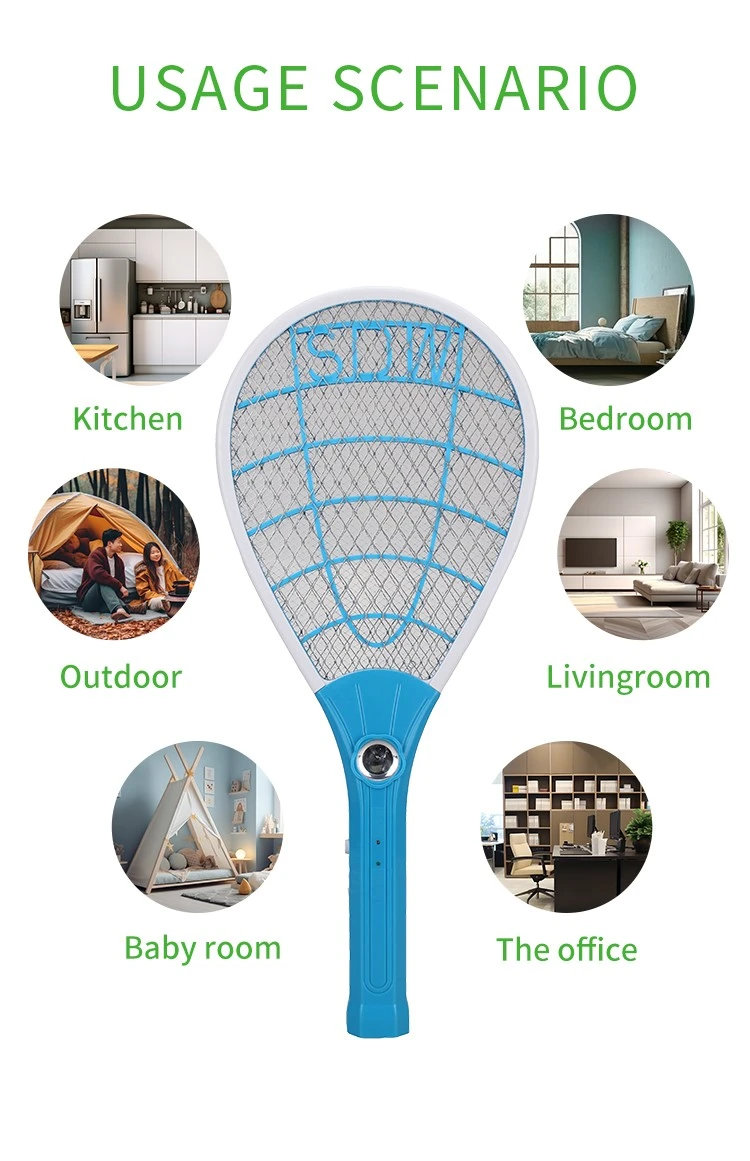
If you’re struggling with annoying mosquitoes, flies, and other flying pests indoors and outdoors, upgrading from traditional manual tools to anElectric Mosquito Swatter is the most efficient solution. Many homeowners and renters search where to buy fly swatter online to find durable, safe, and high-performance electric models that deliver instant pest control.
Where to Buy Fly Swatter
Most importers of electric mosquito swatters obsess over the first order: samples requested, factories vetted, a pre-shipment inspection booked. Then the reorder arrives eight months later and something is off. The grid feels softer. The charge port is a slightly different shade of black. The carton thickness dropped from 350 gsm to 300 gsm. Nothing is catastrophic — but the product no longer matches what your retail customers approved, and quietly, your return rate starts climbing.
How to Keep Mosquito Swatter Quality Consistent Across Repeat Orders
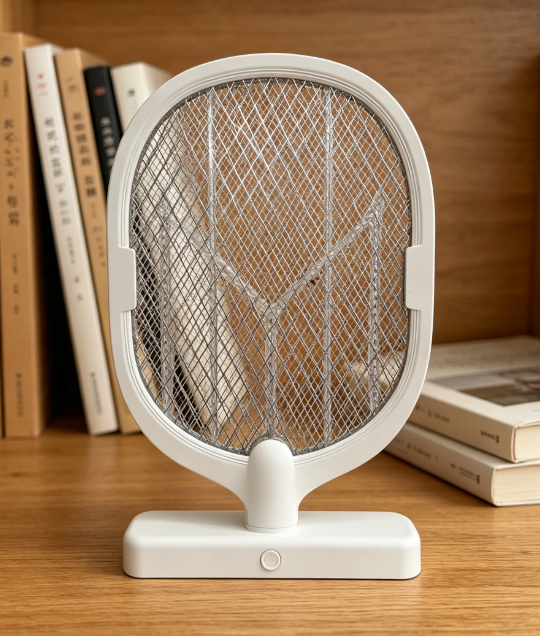
Warranty returns are the silent margin killer in the mosquito control category. A distributor who buys a swatter at $1.80 FOB and retails it at $9.90 can absorb a 1% return rate without noticing — but at 5%, the combined cost of replacement units, reverse logistics, and refund processing erases most of the line's profit.
Common mosquito swatter killer lamp failure modes wholesale spec guide

Digital bathroom scales rank as the second-highest-volume consumer weighing product category, only behind kitchen scales, with distinct market and product characteristics that set them apart from other scale types in importers’ product portfolios.
Digital bathroom body fat-bia-scale wholesale buyers guide