
Do Bug Zappers Really Work
2025-05-13
Do Bug Zappers Really Work
Bug zappers, common devices in both residential and commercial settings, always make people wonder whether they can actually repel and eliminate pests as advertised. Today, we will delve deep into the working principles, effectiveness, and limitations of bug zappers.
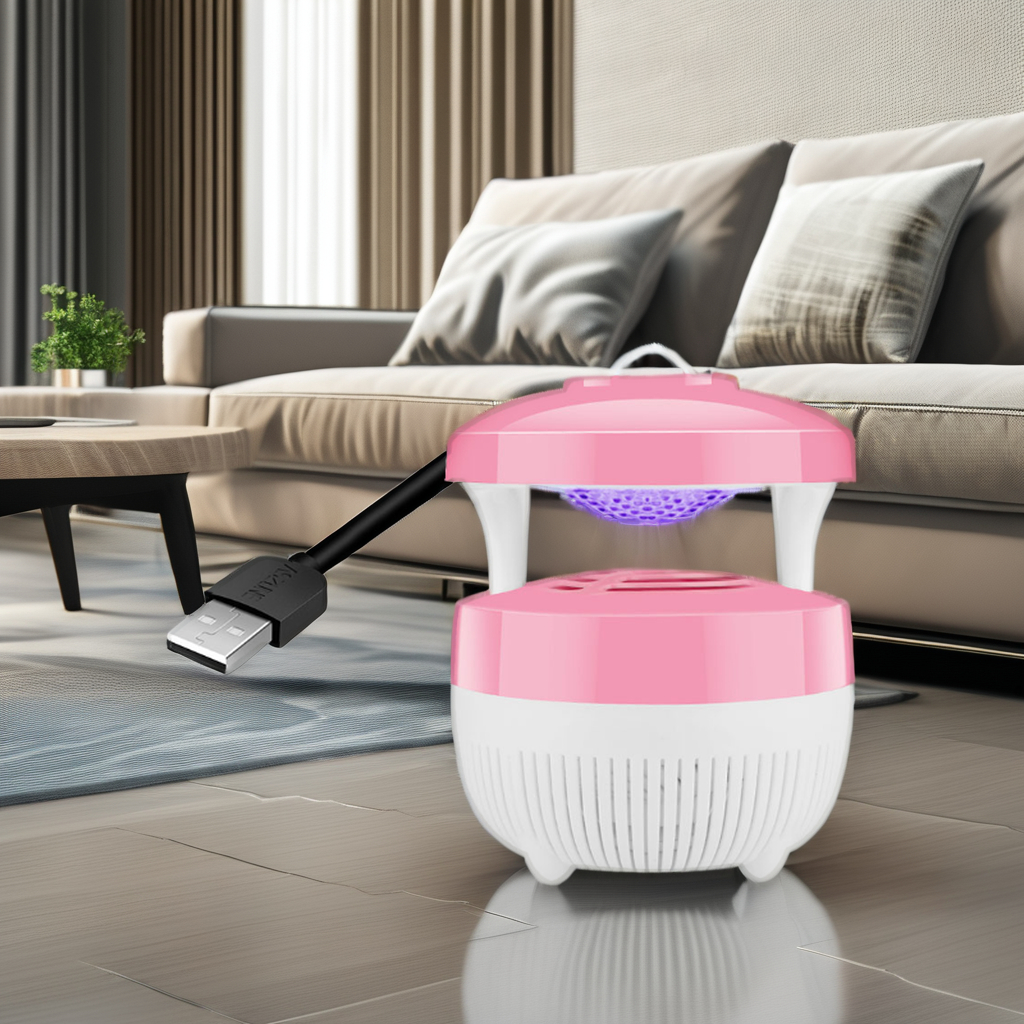
Working Principles of Bug Zappers
The core working principle of bug zappers is based on insects' phototaxis to specific wavelengths of light. Most bug zappers use ultraviolet (UV) tubes as the light source. This light, at a wavelength of around 365 nanometers, is extremely attractive to many insects, such as mosquitoes, moths, flies, etc. Once insects are attracted to the bug zapper by the light, they encounter physical or electric shock devices. Some bug zappers use metal grids, and when insects come into contact, they are electrocuted by high voltage; others use sticky boards, and insects get stuck and can't escape.
Are Bug Zappers Really Effective?
Theoretically and in practical use, bug zappers can indeed effectively capture and eliminate a certain number of insects. In enclosed or semi - enclosed spaces, such as indoors or in greenhouses, bug zappers can significantly reduce the number of flying insects. A study shows that in indoor environments where bug zappers are used, the number of flying insects can be reduced by 30% - 50% within a few weeks. In addition, bug zappers do not require the use of chemical insecticides, which is relatively friendly to the environment and human beings, especially suitable for families with children or pets.
Limitations of Bug Zappers
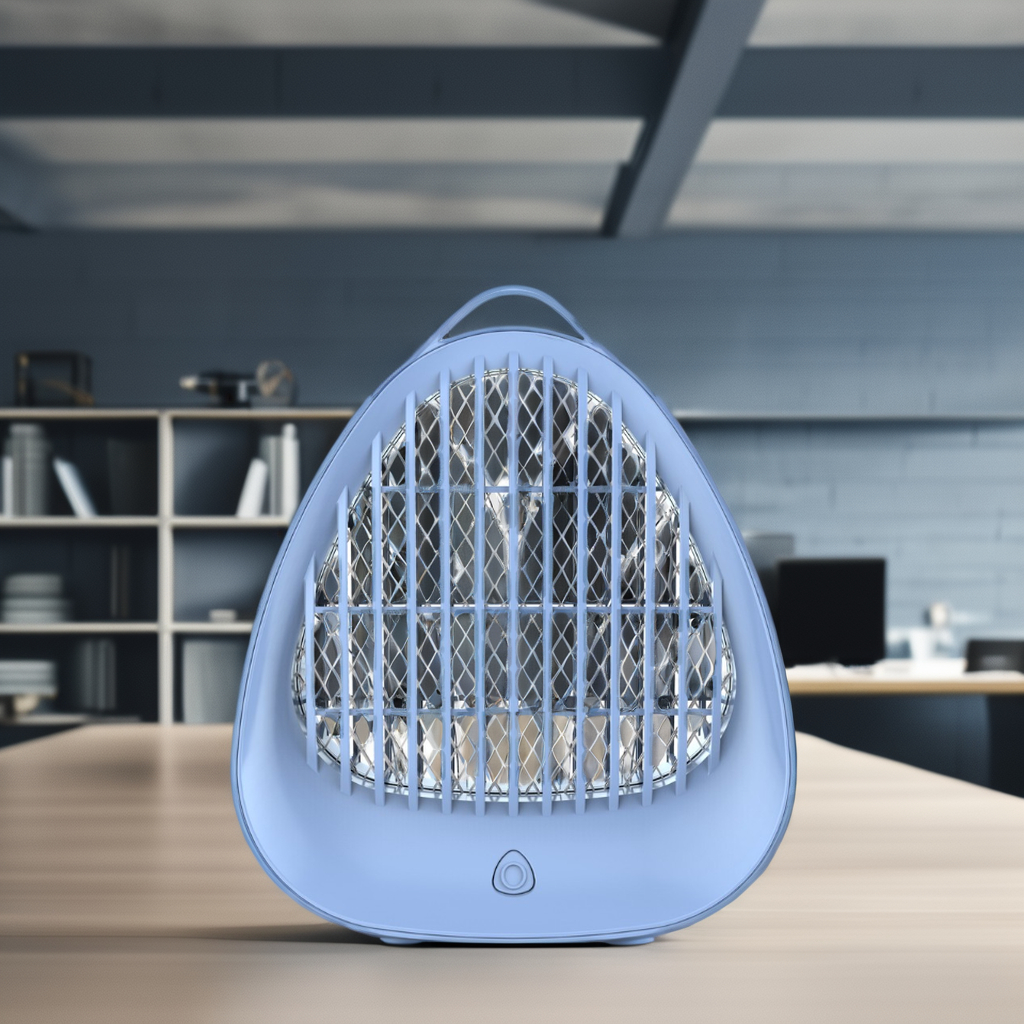
Although bug zappers are somewhat effective, they also have limitations. First, bug zappers have limited attraction to certain insects. For example, mosquitoes that transmit malaria and dengue fever are usually more attracted to carbon dioxide, body temperature, and sweat odor emitted by the human body rather than ultraviolet light. Second, the effective coverage of bug zappers is limited, generally only effective within a few meters around. If the space is too large, insects in the distance may not be attracted. Additionally, the effectiveness of bug zappers is greatly reduced when used outdoors because of the complex outdoor environment, and insects are easily affected by other light sources and interference factors.
How to Improve the Effectiveness of Bug Zappers
To maximize the effectiveness of bug zappers, it is recommended to place them at a height of 1 - 2 meters from the ground, which is a common flying height for most insects. At the same time, try to use bug zappers in a dark environment to avoid other strong light sources around that may distract the insects. Regularly clean the bug zapper and remove the captured insect corpses to ensure its continuous and effective operation.
Conclusion
In conclusion, bug zappers are indeed an effective pest control tool, but they are not omnipotent. They can significantly reduce the number of insects in specific environments, providing people with a more comfortable living space. However, to achieve the best results, it is necessary to understand their working principles and limitations and adopt the correct usage methods. If you are looking for an environmentally friendly way to control pests, bug zappers are worth a try. But at the same time, combine them with other pest prevention measures, such as using screens and keeping the environment clean, to achieve better protection.
Do Bug Zappers Kill Mosquitoes
Who Invented the Fly Swatter
Related Article

If you’re struggling with annoying mosquitoes, flies, and other flying pests indoors and outdoors, upgrading from traditional manual tools to anElectric Mosquito Swatter is the most efficient solution. Many homeowners and renters search where to buy fly swatter online to find durable, safe, and high-performance electric models that deliver instant pest control.
Where to Buy Fly Swatter
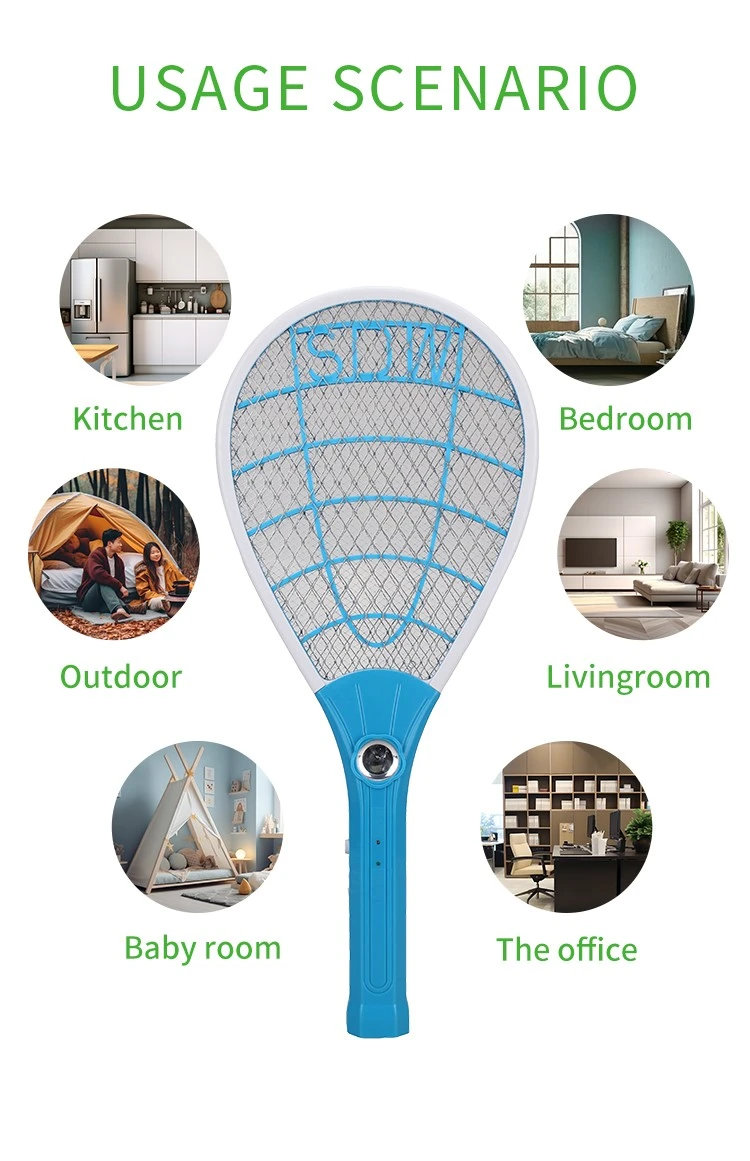
Most importers of electric mosquito swatters obsess over the first order: samples requested, factories vetted, a pre-shipment inspection booked. Then the reorder arrives eight months later and something is off. The grid feels softer. The charge port is a slightly different shade of black. The carton thickness dropped from 350 gsm to 300 gsm. Nothing is catastrophic — but the product no longer matches what your retail customers approved, and quietly, your return rate starts climbing.
How to Keep Mosquito Swatter Quality Consistent Across Repeat Orders
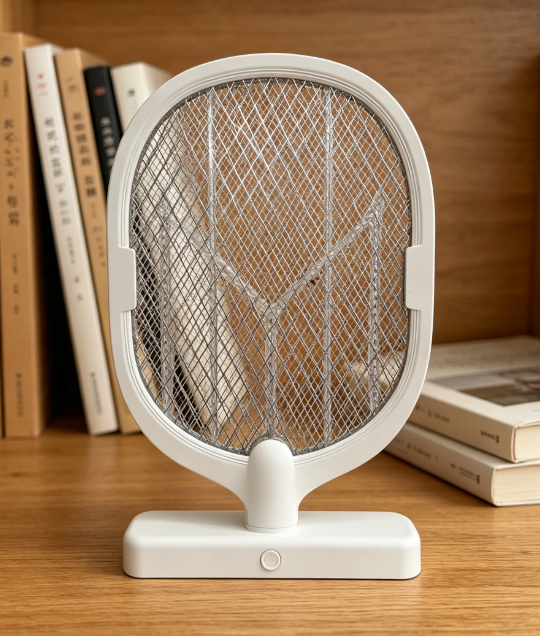
Warranty returns are the silent margin killer in the mosquito control category. A distributor who buys a swatter at $1.80 FOB and retails it at $9.90 can absorb a 1% return rate without noticing — but at 5%, the combined cost of replacement units, reverse logistics, and refund processing erases most of the line's profit.
Common mosquito swatter killer lamp failure modes wholesale spec guide

Digital bathroom scales rank as the second-highest-volume consumer weighing product category, only behind kitchen scales, with distinct market and product characteristics that set them apart from other scale types in importers’ product portfolios.
Digital bathroom body fat-bia-scale wholesale buyers guide