
Do Bug Zappers Use a Lot of Electricity
2026-06-16
Do Bug Zappers Use a Lot of Electricity? Energy Cost & Usage Guide
Bug zappers are one of the most popular, low-effort solutions for eliminating mosquitoes, flies, moths, and other flying pests both indoors and outdoors. Home and business owners often rely on them for consistent, chemical-free insect control year-round. However, a common concern holds many people back from daily use: do bug zappers use a lot of electricity and spike monthly power bills?
The short answer is no. Modern residential and commercial bug zappers are extremely energy-efficient, with minimal daily and annual power consumption. Even with overnight, daily operation, their energy costs are nearly negligible for most households. In this detailed guide, we’ll break down exact wattage ranges, real-world electricity costs, key factors affecting power usage, and practical tips to run bug zappers with zero energy waste.
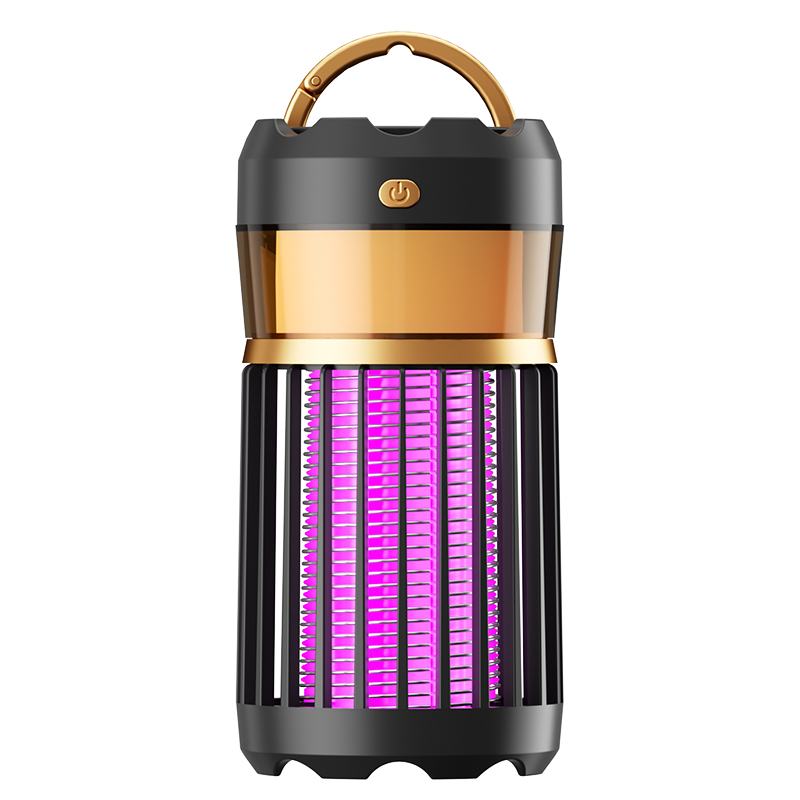
How Much Electricity Do Standard Bug Zappers Actually Use?
Bug zapper power consumption is measured in watts (W), and the exact usage depends primarily on the device’s bulb type, size, and application scenario (indoor vs outdoor). Unlike high-power home appliances such as air conditioners, heaters, or refrigerators, bug zappers operate on very low power ratings.
Based on industry standard data, here are the typical wattage ranges for mainstream bug zappers on the market:
1. Modern LED Bug Zappers (Most Energy-Efficient) Most new indoor and compact outdoor models adopt energy-saving LED UV bulbs, with a power rating of only 10–20 watts. These are the most common household options, designed for small to medium coverage areas like bedrooms, living rooms, balconies, and small backyards.
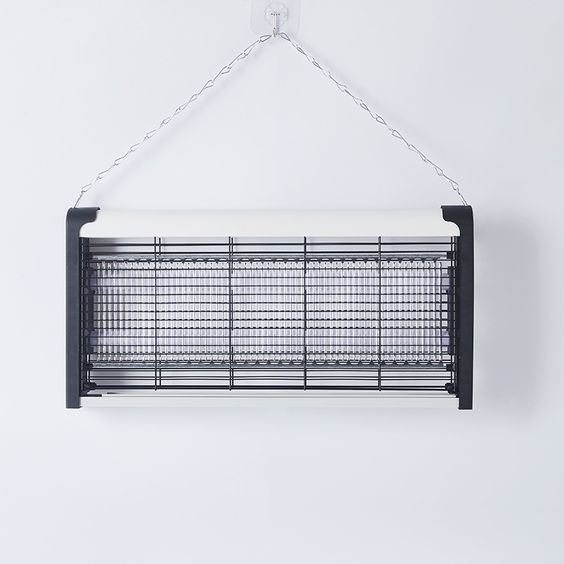
2. Traditional Fluorescent Tube Zappers Older-style fluorescent UV tube zappers consume more power, ranging from40–80 watts. These models are usually built for larger outdoor spaces and have higher energy consumption than LED counterparts.
3. High-Power Commercial Zappers Heavy-duty zappers for large yards, farms, restaurants, and commercial spaces run at80–100 watts, which is the highest consumption level but still far lower than most daily electrical appliances.
Notably, the high-voltage electric grid that kills bugs consumes almost no extra electricity. Nearly all power usage comes from the UV light that attracts insects, keeping overall energy consumption extremely low.
Real-World Daily & Annual Electricity Cost Calculation
To help you visualize how little power bug zappers use, we calculated the actual operating costs based on typical usage habits and average residential electricity rates. Most users run bug zappers for 8 hours per night (dusk to dawn) during pest seasons.
For a 15W LED household bug zapper (the most common model): Daily power consumption: 0.12 kWh Daily electricity cost: Less than 2 cents Monthly cost (8-hour daily use): Around $0.50–$0.70 Annual full-season cost: No more than $8
For a 40W traditional fluorescent bug zapper: Daily power consumption: 0.32 kWh Daily electricity cost: Roughly 4–5 cents Annual operating cost: Only $15–$30 for 5–6 months of regular use
Even if you keep a medium-power bug zapper running 24/7 all year long, the total annual electricity cost will rarely exceed $40. Compared with other home devices, this cost is almost insignificant and will not cause any noticeable increase in your monthly utility bills.
Key Factors That Affect Bug Zapper Power Consumption
While all bug zappers are low-energy devices, their actual power usage varies slightly based on several core factors. Understanding these helps you choose a cost-effective model and optimize usage.
1. Light Source Type (LED vs Fluorescent)
This is the biggest factor impacting energy efficiency. LED UV bulbs consume 50%–70% less power than traditional fluorescent tubes while delivering the same or better insect-attracting effect. Additionally, LED bulbs have a longer service life, reducing replacement costs and further improving overall cost performance.
2. Indoor vs Outdoor Models
Compact indoor bug zappers prioritize energy savings, with wattages mostly fixed at 10–20W. Outdoor models require stronger UV penetration and wider coverage, so they usually have higher power ratings (20–60W). Commercial outdoor zappers for large-area pest control feature the highest power consumption.
3. Smart Sensor Functions
Most upgraded modern bug zappers are equipped with built-in light sensors. They automatically turn on at dusk and turn off at dawn, avoiding unnecessary daytime power waste. This smart feature effectively cuts down invalid energy consumption and further reduces operating costs compared to manual-switch models.
Solar-Powered Bug Zappers: Zero Electricity Cost Option
If you want to eliminate electricity costs entirely, solar-powered bug zappers are the perfect alternative. These devices absorb solar energy via solar panels during the day, store power in built-in batteries, and work automatically at night with zero grid electricity consumption.
While solar zappers have a slightly higher upfront purchase cost, they require no electricity bills throughout their service life. They feature the same chemical-free, physical insect control effect as electric zappers, making them the most eco-friendly and cost-effective choice for long-term outdoor and semi-indoor use.
Tips to Further Reduce Bug Zapper Energy Usage
Though bug zappers already use minimal electricity, these simple tips can help you achieve 100% energy-efficient operation and extend device lifespan:
1. Choose LED low-power models: Prioritize 10–20W LED bug zappers for daily household use to balance pest control performance and energy savings.
2. Utilize automatic light sensors: Keep the smart sensor function enabled to avoid manual operation errors and daytime power waste.
3. Turn off unused zappers: Shut down the device in cold seasons with few pests to save extra energy.
4. Maintain the device regularly: Clean dead insect debris from the tray regularly to ensure stable circuit operation and avoid abnormal power consumption caused by grid blockage.
Final Verdict: Are Bug Zappers Energy-Wasting Devices?
To sum up, bug zappers do not use a lot of electricity. They are among the most energy-efficient pest control appliances available for homes and small businesses. Even with long-hour overnight operation, their annual power cost is negligible, far lower than the cost of mosquito repellents, insect sprays, and other chemical pest control products.
Whether you choose a plug-in LED electric bug zapper for indoor use or a solar-powered wireless model for outdoor spaces, you can enjoy efficient, safe, chemical-free insect control without worrying about bloated electricity bills. For families pursuing low-cost, low-maintenance pest management, bug zappers are absolutely a cost-worthy investment.
Why Rechargeable Electric Mosquito Swatters Are Top Home Mosquito Killers
Can I Use Solar-Powered Bug Zappers for Indoor Use
Related Article

If you’re struggling with annoying mosquitoes, flies, and other flying pests indoors and outdoors, upgrading from traditional manual tools to anElectric Mosquito Swatter is the most efficient solution. Many homeowners and renters search where to buy fly swatter online to find durable, safe, and high-performance electric models that deliver instant pest control.
Where to Buy Fly Swatter
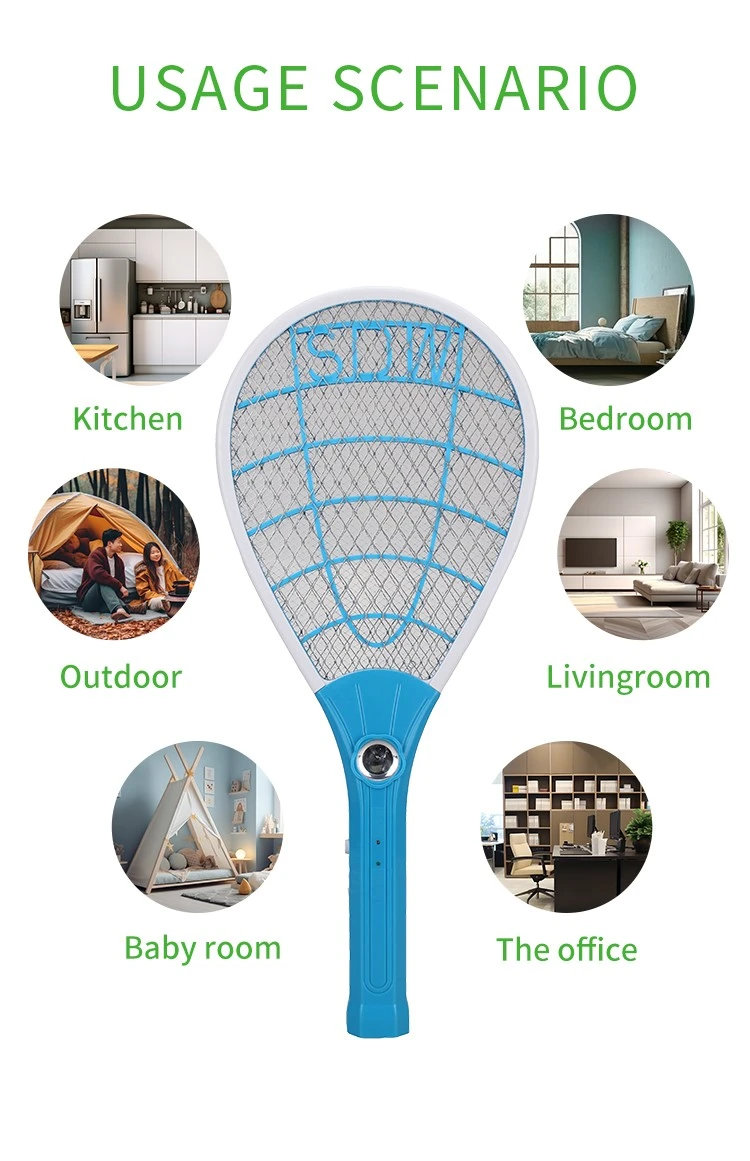
Most importers of electric mosquito swatters obsess over the first order: samples requested, factories vetted, a pre-shipment inspection booked. Then the reorder arrives eight months later and something is off. The grid feels softer. The charge port is a slightly different shade of black. The carton thickness dropped from 350 gsm to 300 gsm. Nothing is catastrophic — but the product no longer matches what your retail customers approved, and quietly, your return rate starts climbing.
How to Keep Mosquito Swatter Quality Consistent Across Repeat Orders
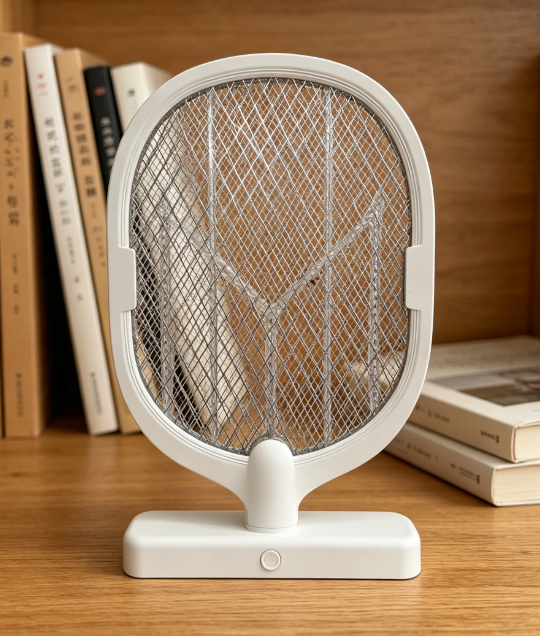
Warranty returns are the silent margin killer in the mosquito control category. A distributor who buys a swatter at $1.80 FOB and retails it at $9.90 can absorb a 1% return rate without noticing — but at 5%, the combined cost of replacement units, reverse logistics, and refund processing erases most of the line's profit.
Common mosquito swatter killer lamp failure modes wholesale spec guide

Digital bathroom scales rank as the second-highest-volume consumer weighing product category, only behind kitchen scales, with distinct market and product characteristics that set them apart from other scale types in importers’ product portfolios.
Digital bathroom body fat-bia-scale wholesale buyers guide